

 プレビュー
プレビュー
 プリントを購入
 シェアする
シェアする シェアする
シェアする
 詳細を見る
詳細を見る

 ダウンロード
 似ている作品
 X線調査
X線調査 スライドショー
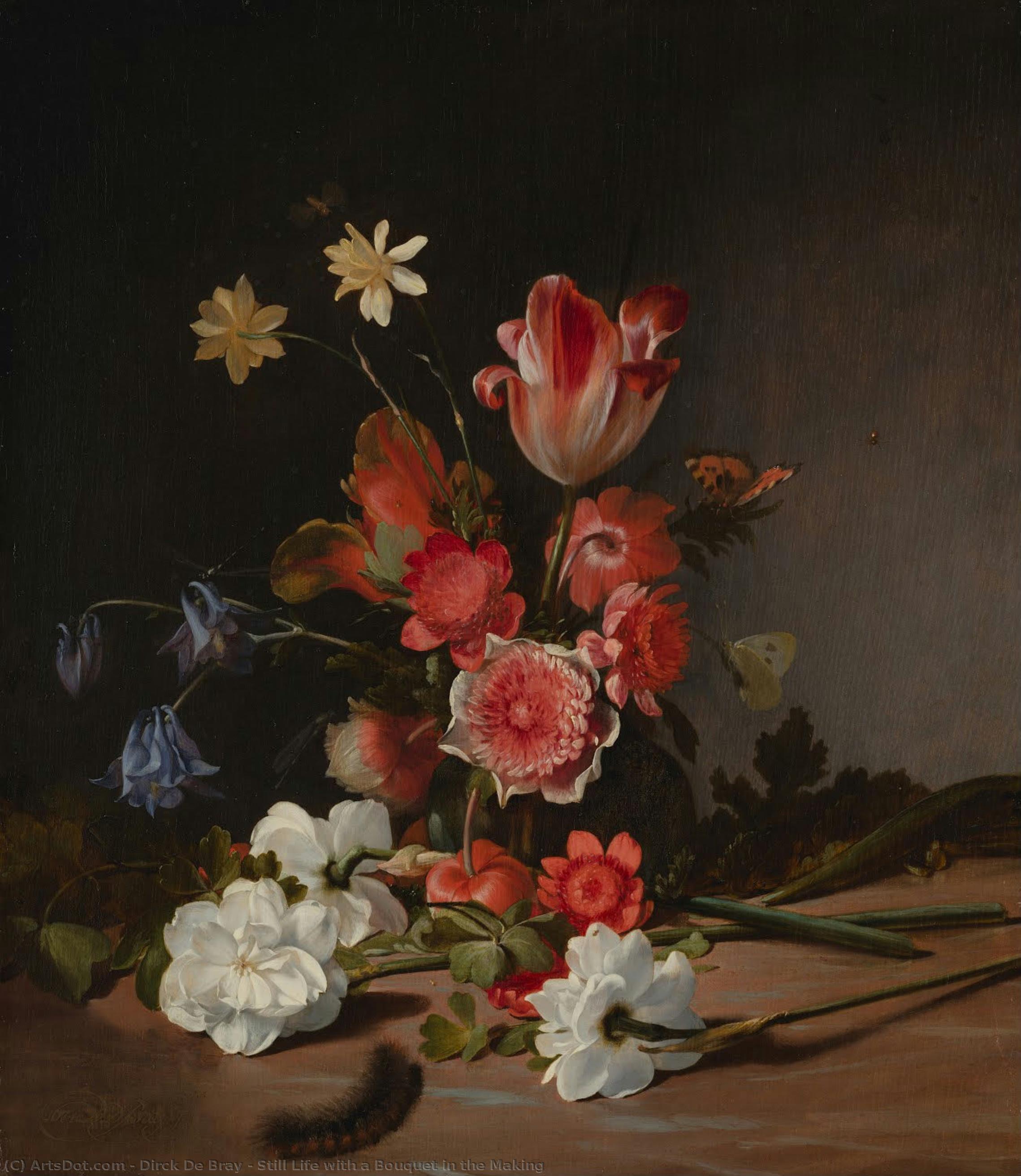
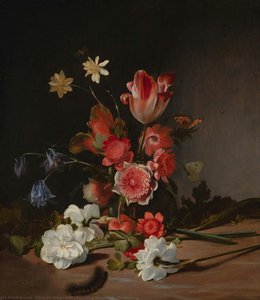
静物画:花束の制作
 キャンバスに油彩
- ウォールアート
- Dutch Golden Age
 1674
1674 40.0 x 35.0 cm
 モウリツハウイス
 詳細を見る
詳細を見る
オンラインプレビューをはるかに凌ぐ、高解像度で鮮明なデジタル画像をご購入いただけます。
各ファイルは、社内の専門家が高度なツールと熟練した手作業によるレタッチを用いて、細心の注意を払って準備されています。すべての画像において、卓越した鮮明度、正確な色彩再現性、そして繊細なディテールを保証いたします。
最終ファイルは、プロフェッショナルな編集・印刷環境ですぐにご利用いただけるよう最適化された状態で、72時間以内にメールにてお届けいたします。これは、一流のデザインスタジオ、出版社、ギャラリーから信頼されているものと同等の品質です。
デジタル画像のご注文に付随する特典
高品質なデジタル画像配信を、確かな品質で。
ArtsDot.com を選ぶことは、単に画像を手に入れることではありません。それは、プロの手によって精密に仕上げられ、満足保証が付いた高品質なデジタルアートワークを受け取ることを意味します。ご注文いただいた際に自動的に付随する内容は、以下の通りです:

メールですぐにお届け
ご注文から72時間以内に、高解像度のデジタル画像ファイルがメールでお手元に届きます。すぐにそのままご利用いただけます。

AI技術で最適化されたデジタルファイル
お客様の作品は、高度なAIツールと専門家による手作業の編集を組み合わせてプロフェッショナルに最適化されており、細部のディテール、鮮明さ、そして正確な色再現性を最大限に引き出しています。

一生涯無料の再送サービス
ファイルを誤って削除したり、紛失してしまったりしましたか?ご安心ください。いつでも無料で再送いたします。

輸入手数料は一切かかりません
関税や手数料、配送料を気にすることなく、お気に入りのアートワークをすぐにお楽しみいただけます。デジタルダウンロードは常に免税です。

色彩再現の保証
プロ仕様のツールとカラーマネジメント技術を用いることで、デジタル画像が元の色を最大限に忠実に再現することを保証いたします。

60日間満足保証
ご購入いただいたデジタル画像にご満足いただけない場合は、60日以内であれば、修正または100%の返金(理由を問う必要はありません)をさせていただきます。

100% 返金保証
ご満足いただけない場合は、デジタルファイルを受け取ってから60日以内であれば、理由を問わず全額返金いたします。

まとめ買い割引
3枚購入で10%OFF - 5枚購入で15%OFF - 10枚以上購入で20%OFF。クリエイティブなプロジェクト、ギャラリー、エージェンシーに最適です。
Dirck de Bray と「花束の制作」 - マウリツハウイス美術館
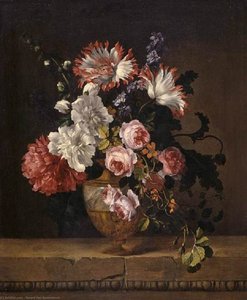
この作品は、オランダ黄金時代のフローラルアートを代表するディーク・デ・ブレイの傑作です。繊細な色彩と卓越した技術が融合し、見る者の心を捉える美しい絵画体験を提供します。この静物画は単なる植物の描写にとどまらず、芸術家の人生観や時代精神を反映しています。- 作品タイトル: 花束の制作
- 画家: ディーク・デ・ブレイ(約1635年生まれ~約1694年没)
- 制作年代: 1674年
- サイズ: 幅40cm × 高さ35.7cm
- 技法: 油絵
関連作品
作家の略歴
A Legacy of Floral Brilliance and Artistic Family Ties
Dirck de Bray (1635 – 1694) stands as a prominent figure within the Dutch Golden Age, celebrated primarily for his masterful depictions of flowers—a genre he elevated to unparalleled levels of detail and beauty. Yet, his artistic journey extended far beyond botanical illustration; he was a multifaceted talent deeply rooted in a distinguished artistic lineage and marked by a contemplative life dedicated to monastic pursuits. Born into Haarlem’s vibrant artistic milieu, Dirck’s very existence was intertwined with the pulse of the Netherlands' most creative era.
His father, Salomon de Bray, was himself a celebrated painter and architect—a connection that profoundly shaped his formative years. This familial influence instilled in him an appreciation for artistic excellence and fostered a collaborative spirit within the Bray family. His brother Jan became a successful painter, while his mother, Anna Westerbaen, provided an intellectual richness to his upbringing as the sister of the renowned poet Jan Westerbaer. These connections ensured that Dirck was immersed in a world where art, poetry, and architecture breathed as one.
Mastery of Form and the Sculptor's Touch
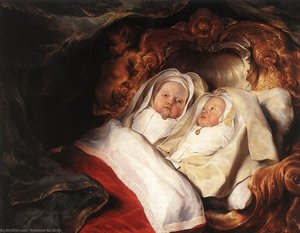
De Bray's artistic training began under Salomon’s tutelage, honing skills in both painting and sculpture. This dual mastery allowed him to approach the canvas with a unique understanding of three-dimensional form. A remarkable testament to his skill was his carving of a wooden bust of his father's head, an achievement so meticulously documented by Houbraken that it was utilized for Salomon’s engraving in the famous Schouburg. This ability to manipulate medium—from the delicate grain of wood to the fluid transparency of oil—demonstrated a keen understanding of texture and printmaking techniques alongside his artistic prowess.
His artistic style is characterized by meticulous observation and painstaking execution, traits most evident in his stunning flower paintings. Unlike many contemporaries who favored looser, more impressionistic brushstrokes, De Bray achieved a profound realism through the layering of thin glazes of color. This technique allowed him to capture the subtle nuances of petal textures, the dewy sheen on a leaf, and the complex light play within floral arrangements with breathtaking accuracy. His compositions often incorporate dramatic lighting that elevates his still lifes from mere botanical studies to profound meditations on life.
Symbolism, Spirituality, and the Vanitas Tradition
Beyond the surface beauty of his blooms, De Bray’s work often whispered of deeper, more somber truths. In masterpieces such as Still Life with a Bouquet in the Making (1674), he utilized the vibrant colors of tulips, daffodils, and primroses to create a sense of springtime vitality, yet he frequently infused these scenes with elements of Vanitas—the reflection on mortality. A solitary butterfly or a wilting petal served as a poignant reminder of the ephemeral nature of existence, a theme that resonated deeply with his own spiritual journey.
This contemplative nature was further deepened by his later life; Dirck eventually became a monk in the Benedictine monastery at Gaesdonck near Goch. This transition from the vibrant studios of Haarlem to the quiet, disciplined life of a monk imbued his later perspective with a certain quiet dignity and spiritual depth. Whether painting a lush basket of flowers on a marble ledge or capturing the symbolic weight of religious icons, De Bray’s work remains a testament to a soul that found the divine in the minute details of the natural world.
Dirck de Bray
1635 - 1694 , Netherlands
プロフィール概要
- Artistic Movement Or Style: Dutch Golden Age
- Artists Or Movements Influenced By This Artist: ['Hals']
- Artists Who Influenced This Artist: ['Salomon de Bray']
- Date Of Birth: 1635
- Full Name: Dirck de Bray
- Nationality: Dutch
- Notable Artworks:
- Still Life with a Bouquet in the Making
- Portrait Of Salomon De Bray
- A still life of a basket of flowers on a large marble ledge
- Place Of Birth: Haarlem, Netherlands

