

 プレビュー
プレビュー
 プリントを購入
 シェアする
シェアする シェアする
シェアする
 詳細を見る
詳細を見る

 ダウンロード
 似ている作品
 X線調査
X線調査 スライドショー
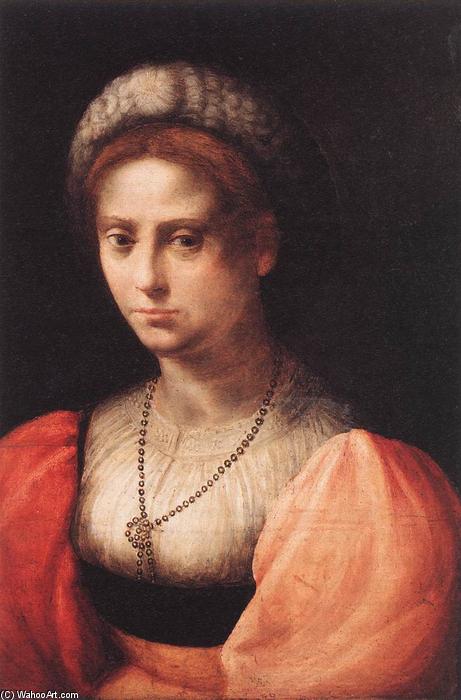
Portrait of a Lady


 詳細を見る
詳細を見る
オンラインプレビューをはるかに凌ぐ、高解像度で鮮明なデジタル画像をご購入いただけます。
各ファイルは、社内の専門家が高度なツールと熟練した手作業によるレタッチを用いて、細心の注意を払って準備されています。すべての画像において、卓越した鮮明度、正確な色彩再現性、そして繊細なディテールを保証いたします。
最終ファイルは、プロフェッショナルな編集・印刷環境ですぐにご利用いただけるよう最適化された状態で、72時間以内にメールにてお届けいたします。これは、一流のデザインスタジオ、出版社、ギャラリーから信頼されているものと同等の品質です。
デジタル画像のご注文に付随する特典
高品質なデジタル画像配信を、確かな品質で。
ArtsDot.com を選ぶことは、単に画像を手に入れることではありません。それは、プロの手によって精密に仕上げられ、満足保証が付いた高品質なデジタルアートワークを受け取ることを意味します。ご注文いただいた際に自動的に付随する内容は、以下の通りです:

メールですぐにお届け
ご注文から72時間以内に、高解像度のデジタル画像ファイルがメールでお手元に届きます。すぐにそのままご利用いただけます。

AI技術で最適化されたデジタルファイル
お客様の作品は、高度なAIツールと専門家による手作業の編集を組み合わせてプロフェッショナルに最適化されており、細部のディテール、鮮明さ、そして正確な色再現性を最大限に引き出しています。

一生涯無料の再送サービス
ファイルを誤って削除したり、紛失してしまったりしましたか?ご安心ください。いつでも無料で再送いたします。

輸入手数料は一切かかりません
関税や手数料、配送料を気にすることなく、お気に入りのアートワークをすぐにお楽しみいただけます。デジタルダウンロードは常に免税です。

色彩再現の保証
プロ仕様のツールとカラーマネジメント技術を用いることで、デジタル画像が元の色を最大限に忠実に再現することを保証いたします。

60日間満足保証
ご購入いただいたデジタル画像にご満足いただけない場合は、60日以内であれば、修正または100%の返金(理由を問う必要はありません)をさせていただきます。

100% 返金保証
ご満足いただけない場合は、デジタルファイルを受け取ってから60日以内であれば、理由を問わず全額返金いたします。

まとめ買い割引
3枚購入で10%OFF - 5枚購入で15%OFF - 10枚以上購入で20%OFF。クリエイティブなプロジェクト、ギャラリー、エージェンシーに最適です。
作品の詳細
Portrait of a Lady by Domenico Puligo
Domenico Puligo (1492-1527) stands as a fascinating figure within the vibrant tapestry of Florentine Renaissance painting, an artist whose contribution has often been overshadowed by his more celebrated contemporaries. Born in Florence’s Ponte a Rifredi district – a crucible of artistic innovation – Puligo emerged from a family steeped in craftsmanship; his father, Bartolomeo Ubaldini, was a blacksmith, grounding him in the practical realities alongside the burgeoning ideals of humanist scholarship. His formative years were spent absorbing influences from masters like Ghirlandaio and del Sarto, shaping his artistic sensibilities before he embarked on his own independent career. Puligo’s stylistic trajectory aligns seamlessly with the broader currents of Mannerism, a movement characterized by heightened emotion, stylized forms, and an exploration of illusionistic techniques—a deliberate departure from the serene realism championed by earlier Renaissance artists. However, unlike many of his peers who embraced dramatic grandeur, Puligo cultivated a refined aesthetic rooted in subtlety and grace. This is particularly evident in *Portrait of a Lady*, a masterpiece that exemplifies his mastery of sfumato – the delicate blending of tones to create soft contours and atmospheric haze—a technique perfected by Leonardo da Vinci and adopted with considerable success by Puligo himself. The painting’s luminous quality speaks volumes about his meticulous attention to detail and his profound understanding of light as an expressive element. The composition centers on a woman depicted from the waist up, seated in dignified repose against a dark background that amplifies the luminosity of her face and attire. Her gaze directs slightly to the left, conveying a quiet contemplation—a characteristic gesture of Renaissance portraiture intended to convey inner serenity and noble bearing. The artist skillfully employs lines to delineate the contours of her features, dress, and headdress, creating an image imbued with elegance and sophistication. Warm hues dominate the palette – reds, golds, and browns – reflecting not only the opulent fabrics adorning the lady but also conveying a sense of warmth and richness that resonates deeply within the viewer’s imagination. Symbolism permeates every aspect of *Portrait of a Lady*. The pearl necklace—a prominent accessory—represents wealth and status, aligning with the social conventions of the time and highlighting Puligo's awareness of visual codes designed to communicate prestige. Furthermore, the lady’s attire – a yellow-ochre gown embellished with brown bands – embodies Florentine fashion trends during Puligo’s lifetime, reflecting the artistic spirit of his era. The painting’s overall emotional tone is one of quiet dignity and composure—a testament to Puligo's ability to capture not merely likeness but also character—a timeless achievement that continues to inspire admiration centuries later. The artwork resides within the Royal Collection at Windsor Castle, a testament to its enduring artistic merit. Its provenance traces back to Cardinal Francesco Barberini, who gifted it to Queen Henrietta Maria as an emblem of royal patronage during the tumultuous reign of Charles I. This historical context underscores the painting’s significance as a product of its time—a reflection of Florentine culture and artistic sensibilities under the influence of humanist ideals. Domenico Puligo's *Portrait of a Lady* remains a captivating exemplar of Renaissance artistry, demonstrating his profound understanding of technique, composition, and symbolism—a legacy that secures his place among Florence’s most accomplished painters.関連作品



作家の略歴
Domenico Puligo: A Florentine Renaissance Painter
- Born: Florence, Italy (1492)
- Died: 1527
Early Life and Training
Domenico di Bartolomeo Ubaldini, known as Domenico Puligo, was born in Florence in 1492. He hailed from a family of blacksmiths; his father, Bartolomeo, belonged to the Ubaldini lineage from Marradi in Tuscan Romagna. Puligo's early life was shaped by this familial background and the environment of Ponte a Rifredi and later Piazza di San Gallo on the outskirts of Florence. His artistic journey began with an apprenticeship under Ridolfo Ghirlandaio, son of the renowned Domenico Ghirlandaio who himself had trained Michelangelo. Puligo remained associated with Ghirlandaio for several years even after completing his formal training. He also worked as an assistant to Andrea del Sarto, forming a close friendship with him and absorbing influences from both masters.
Artistic Influences and Style
Puligo’s artistic style was significantly shaped by the prominent figures of the Florentine Renaissance. Ridolfo Ghirlandaio's influence is evident in his early works, while Andrea del Sarto imparted a sense of elegance and refined technique. Beyond these direct mentors, Puligo also drew inspiration from Jacopo Pontormo and Rosso Fiorentino, incorporating elements of their Mannerist style into his compositions. His paintings are characterized by a soft sfumato technique, creating subtle gradations of light and shadow that lend a delicate quality to his figures. He was particularly known for his portraiture, capturing the likenesses of prominent Florentine citizens with remarkable skill.
Major Works and Achievements
While Puligo’s artistic output was relatively limited—a fact noted by Giorgio Vasari—his works are highly regarded for their quality and artistry. Among his most celebrated pieces is the large-scale Vision of Saint Bernard altarpiece, now housed in the Walters Art Gallery in Baltimore. Other notable works include the Virgin and Child with St. John and the Holy Family. He gained considerable recognition as a portrait artist, enjoying high demand within Florence's elite circles. His portraits are admired for their psychological depth and ability to convey the character of his sitters.
Historical Significance and Legacy
Domenico Puligo occupies an important position within the Florentine Renaissance art scene. Though overshadowed by some of his contemporaries, his contributions demonstrate a mastery of technique and a sensitivity to the artistic trends of his time. His association with prominent artists like Ghirlandaio and del Sarto placed him at the heart of Florence’s vibrant artistic community. His brother, Jacone Puligo, was also a painter, further cementing the family's place in Renaissance art history. Despite Vasari’s observation about his “idle” nature and the relative scarcity of his surviving works, Domenico Puligo remains a significant figure whose paintings offer valuable insights into the artistic landscape of 16th-century Florence.
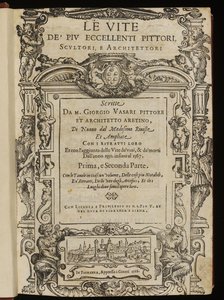
Domenico Puligo
1492 - 1527 , Italy
プロフィール概要
- Artistic Movement Or Style: Renaissance
- Artists Who Influenced This Artist:
- Ridolfo Ghirlandaio
- Andrea del Sarto
- Jacopo Pontormo
- Il Rosso
- Date Of Birth: 1492
- Date Of Death: 1527
- Full Name: Domenico Puligo
- Nationality: Italian
- Notable Artworks:
- Vision of Saint Bernard
- Virgin and Child with St. John
- Holy Family
- Place Of Birth: Florence, Italy

