

 プレビュー
プレビュー
 シェアする
シェアする シェアする
シェアする
 詳細を見る
詳細を見る

 ダウンロード
 似ている作品
 X線調査
X線調査 スライドショー
 Stats
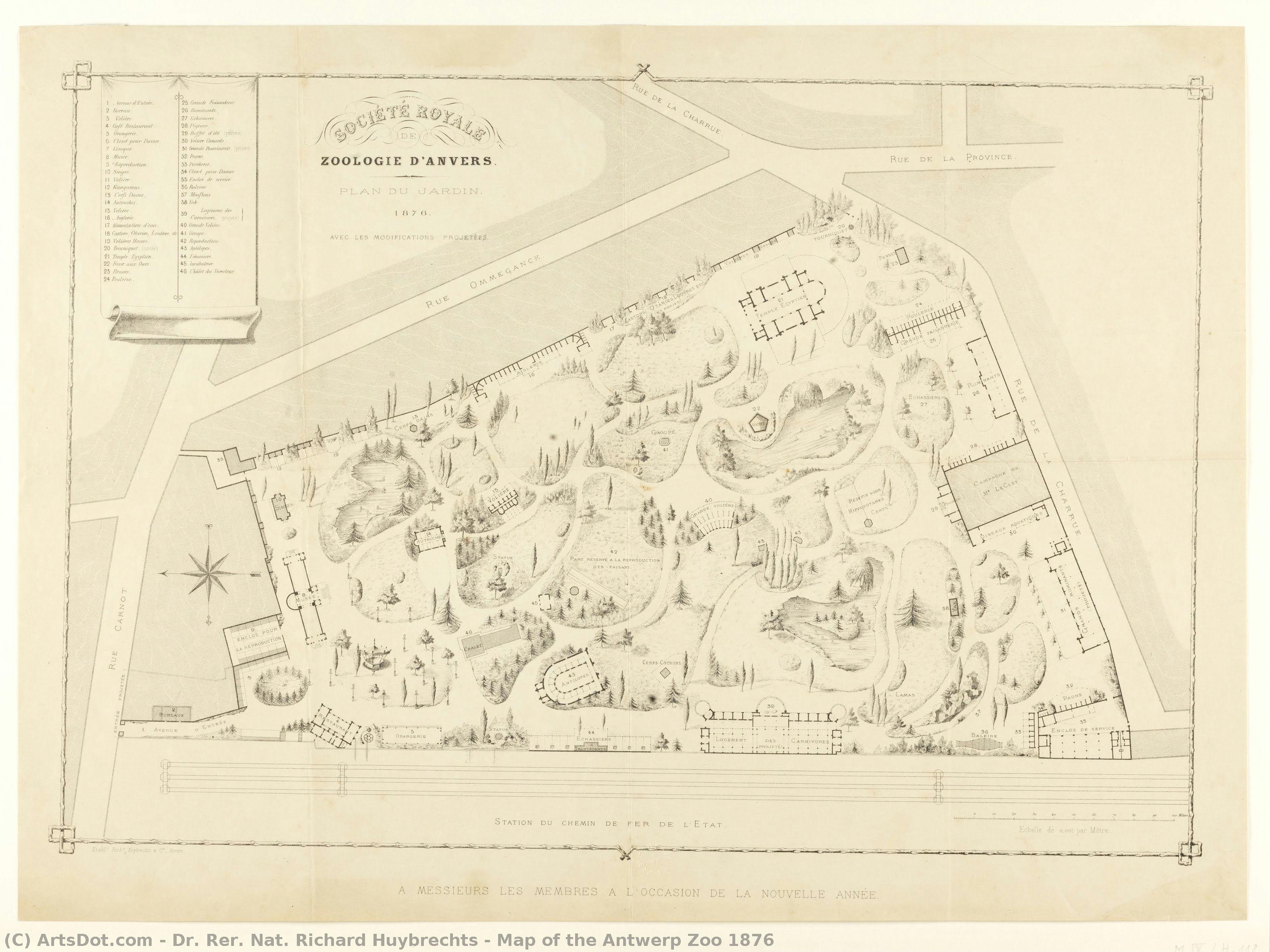
StatsMap of the Antwerp Zoo 1876


 詳細を見る
詳細を見る
手描き油彩複製画
当社のアーティストが、お客様のご希望のサイズと額縁に合わせて、キャンバスに手描きで制作する油彩画です。 ( Switch to Print Switch to Digital Image)




































作品のオリジナル比率に合わせた、当店の規定サイズからお選びください。

特定のフレームやスペースに合わせて、ご希望のサイズをご入力いただけます。選択されたサイズが元の画像の比率と異なる場合、アートワークをトリミングするか、手描きで要素を追加して絵画を拡張いたします。デジタルモックアップ を制作し、制作開始前にご確認(承認)をいただきます。
画面上のプレビューは、実際のトリミングや拡張を正確に反映しているものではありません。最終的な構図は、モックアップによってのみ正確にご確認いただけます。
カスタムサイズもご利用いただけますが、元の比率を維持するためには、あらかじめ用意されたリストからサイズを選択することをお勧めいたします。
ご注文後、ArtsDot.com チームより詳細な指示をお送りするとともに、仕上がりイメージ(モックアップ)をご提供いたします。


 ガラスオプションは、110cm未満のサイズでのみご利用いただけます。

Map of the Antwerp Zoo 1876
複製技法
複製画のサイズ
-


合計金額
$ 263
関連作品






アーティストの略歴
Frank Auerbach: A Life Painted in Thick Emotion
Born in Berlin in 1931, Frank Auerbach’s life was profoundly shaped by the tumultuous events of the 20th century. His early years were marked by displacement and loss – his parents, Jewish refugees from Germany, sought refuge in England during the rise of Nazism, only to be tragically killed in concentration camps during World War II. This traumatic experience cast a long shadow over Auerbach’s artistic vision, informing a deeply personal and emotionally charged style that distinguished him within the School of London movement.
Auerbach's childhood was spent at Bunce Court, a progressive boarding school in Kent for Jewish refugee children, an environment that fostered a sense of community and intellectual curiosity. Following the war, he enrolled at St Martin’s School of Art, where he found mentorship with David Bomberg, a pivotal figure who encouraged him to develop his own unique approach to painting. This period laid the groundwork for Auerbach's distinctive technique – characterized by intensely layered paint applied in thick, almost sculptural strokes—a method that initially drew criticism but ultimately garnered significant acclaim.
His artistic journey continued at the Royal College of Art, where he honed his skills and explored various influences. However, it was his relationships with fellow students Leon Kossoff and Juliet Yardley Mills ('J.Y.M.') – who became both models and close friends – that profoundly shaped his work. These enduring connections provided a consistent source of emotional support and inspiration, reflected in the recurring presence of these figures within his paintings.
The School of London and a Distinctive Style
Auerbach’s work is inextricably linked to the “School of London,” a group of British artists who emerged in the post-war era. This collective shared a commitment to figurative painting, rejecting the prevailing abstract tendencies of the time. However, Auerbach's approach diverged significantly from his peers, employing an intensely personal and expressive style that prioritized emotional impact over precise representation.
His paintings are often described as “sculptural” due to the sheer physicality of the paint application – layers upon layers built up with a palette knife, creating a textured surface that seems to pulsate with energy. Auerbach rarely used brushes, preferring instead to manipulate the paint directly with his hands, imbuing each stroke with raw emotion and vulnerability. Critics like David Sylvester initially questioned whether these works were truly paintings or sculptural reliefs, but ultimately recognized their profound psychological impact.
Kossoff later echoed this sentiment, stating that Auerbach’s work “has to be read as paintings, not as polychrome reliefs,” emphasizing the artist's ability to convey complex emotions through the very texture and physicality of his paint. This unconventional technique, combined with a limited palette dominated by dark reds, browns, and blues, created a uniquely powerful and evocative visual language.
Recurring Subjects and Emotional Landscape
Auerbach’s paintings consistently feature recurring subjects: his wife Julia, the model J.Y.M., and his close friend Stella West ('E.O.W.'), all rendered in intimate, often melancholic portraits. These figures are not depicted with photographic accuracy but rather as vessels for Auerbach's own emotional state – a reflection of his personal experiences, anxieties, and vulnerabilities.
His paintings frequently depict scenes from everyday life—a simple chair, a window, a room—but these ordinary subjects are transformed into powerful expressions of feeling. The use of intense color, the thick impasto technique, and the often-distorted forms all contribute to a sense of unease and emotional intensity. Auerbach’s work is not about capturing reality but about conveying an inner landscape – a world shaped by memory, loss, and profound human connection.
Legacy and Recognition
Despite initial skepticism from some critics, Frank Auerbach's work gradually gained recognition as a significant contribution to British painting. He enjoyed several solo exhibitions throughout his career, including retrospectives at the Hayward Gallery in 1978 and the Rijksmuseum Vincent van Gogh in 1989. His inclusion in the 1986 Venice Biennale further cemented his place within the international art world.
Auerbach’s influence extends beyond his own artistic output, inspiring subsequent generations of painters who embrace expressive techniques and prioritize emotional honesty. His legacy lies not only in the powerful imagery he created but also in his unwavering commitment to a deeply personal and profoundly moving style of painting – a testament to the transformative power of art as a means of confronting and expressing the complexities of human experience.
Further Information
For more detailed information, consult the Tate Britain website: https://www.tate.org.uk/art/artists/frank-auerbach-676

dr. rer. nat. richard huybrechts
1931 - 2015 , Belgium
基本情報
- Artistic Movement Or Style: Op art
- Artists Or Movements Influenced By This Artist:
- Bridget Riley
- Op art
- Artists Who Influenced This Artist:
- Jackson Pollock
- Yves Klein
- Date Of Birth: 24 April 1931
- Full Name: Bridget Louise Riley
- Nationality: British
- Notable Artworks:
- Conversation
- The Shape of Light
- Red Lines
- Place Of Birth: Norwood, London