

 プレビュー
プレビュー
 シェアする
シェアする シェアする
シェアする
 詳細を見る
詳細を見る

 ダウンロード
 似ている作品
 X線調査
X線調査 スライドショー
 統計情報
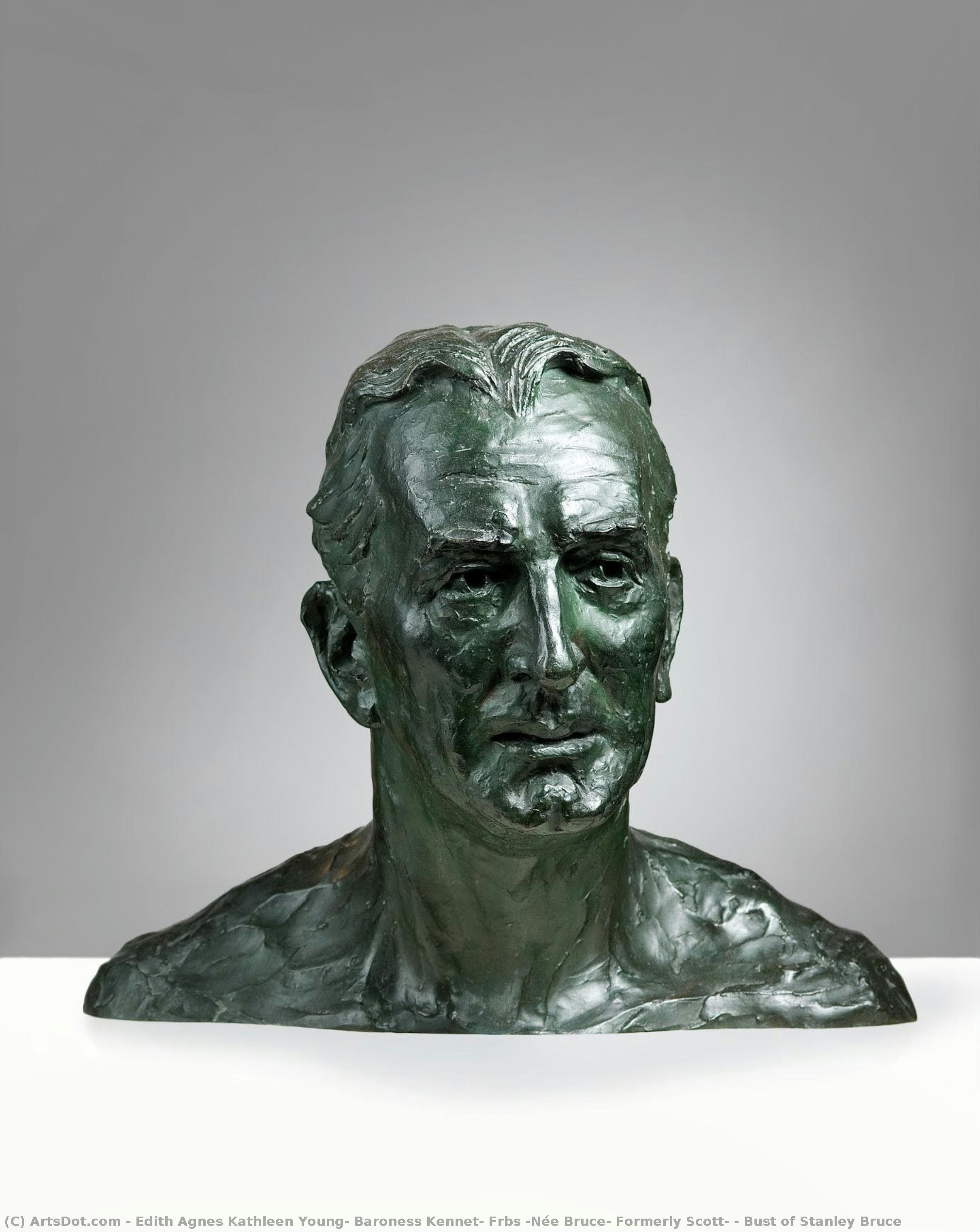
統計情報Bust of Stanley Bruce


 詳細を見る
詳細を見る
手描き油彩複製画
当社のアーティストが、お客様のご希望のサイズと額縁に合わせて、キャンバスに手描きで制作する油彩画です。 ( プリント版に切り替え デジタル画像販売へ切り替え)




P118B $10

P118H $10

P118W $10

P438Z $10

P508JH $12

P508YH $12

P805H $10

P805Z $10

P919BZ $10

P919G $10

P919XJ $10

P959ZH $10

P968JZ $12

W106C $8

W218G $10

W218JH $8

W218Y $10

W307PJ $10

W316G $10

W316PJ $8

W316Y $10

W398PJ $8

W4111J $10

W500HY $15

W500JH $15

W692G $12

W849H $8

W940BG $15

W953PJ $8




作品のオリジナル比率に合わせた、当店の規定サイズからお選びください。

特定のフレームやスペースに合わせて、ご希望のサイズをご入力いただけます。選択されたサイズが元の画像の比率と異なる場合、アートワークをトリミングするか、手描きで要素を追加して絵画を拡張いたします。デジタルモックアップ を制作し、制作開始前にご確認(承認)をいただきます。
画面上のプレビューは、実際のトリミングや拡張を正確に反映しているものではありません。最終的な構図は、モックアップによってのみ正確にご確認いただけます。
カスタムサイズもご利用いただけますが、元の比率を維持するためには、あらかじめ用意されたリストからサイズを選択することをお勧めいたします。
ご注文後、ArtsDot.com チームより詳細な指示をお送りするとともに、仕上がりイメージ(モックアップ)をご提供いたします。


 ガラスオプションは、110cm未満のサイズでのみご利用いただけます。

Bust of Stanley Bruce
複製技法
複製画のサイズ
-


合計金額
$ 263
関連作品
アーティストの略歴
The Dawn of a New Vision: H. Boylston Dummer (1878 – 1945)
H. Boylston Dummer, born in Rowley, Massachusetts, in 1878, emerged during a pivotal moment in the history of American art—a period grappling with the legacy of European tradition while simultaneously embracing the radical innovations of Impressionism and burgeoning modernism. His career unfolded against the backdrop of rapid industrialization, shifting social landscapes, and an increasingly vibrant artistic community fueled by exhibitions like the 1878 Royal Academy show and the subsequent rise of the Ten Impressists. Dummer’s work reflects this dynamic era, blending a deep appreciation for the natural world with a nascent exploration of light, color, and subjective experience – characteristics that would define much of American art in the decades to come.
Early influences were diverse, shaped by his formal training at the Art Students League in New York City, where he studied under prominent instructors like Eric Pape and George L. Noyes. Crucially, Dummer also benefited from exposure to the work of Winslow Homer and John La Farge, artists who had already begun to translate European Impressionist principles into distinctly American landscapes. This period coincided with a shift away from the rigid academic styles prevalent in the mid-19th century, as artists sought to capture fleeting moments and subjective impressions rather than meticulously recreating reality. Dummer’s early illustrations for The Youth's Companion further honed his skills in depicting wildlife and capturing the essence of nature – a theme that would remain central to his artistic practice throughout his career.
A Landscape Painter of Subtle Light
Dummer’s primary subject matter centered on landscapes, often rendered with a remarkable sensitivity to light and atmosphere. Unlike the bold brushstrokes associated with some Impressionists, Dummer favored a more subdued palette and a delicate handling of paint, creating images that possess an almost ethereal quality. His compositions frequently feature quiet scenes—a lone figure in a field, a stream winding through a forest, or a glimpse of the coastline – inviting viewers to contemplate the beauty and serenity of the natural world. He was particularly adept at capturing the subtle shifts in light throughout the day, imbuing his paintings with a sense of time and movement.
His technique evolved considerably over time. Initially influenced by the American Impressionists, Dummer gradually developed a more personal style characterized by a meticulous attention to detail and a refined understanding of color theory. He experimented with photogravure, a process that allowed for incredibly detailed reproductions of his paintings, demonstrating a fascination with capturing the nuances of light and texture. This interest in reproduction also speaks to a broader trend within American art at the time – a desire to document and disseminate artistic ideas beyond the confines of the gallery.
Key Works & Recognition
Among Dummer’s most notable works are his depictions of wildlife, such as “Sultan Bayezid prisoned by Timur,” showcasing his ability to convey both the grandeur of historical scenes and the vulnerability of individual subjects. His landscapes, like "Haymaking" and "The Moorish Chief," demonstrate a profound understanding of composition and color harmony. These paintings are not merely representations of nature; they are imbued with a sense of mood and atmosphere that invites contemplation. While Dummer’s work received less widespread recognition during his lifetime than some of his contemporaries, it has since been appreciated for its quiet beauty and understated elegance.
His contributions to the art world were recognized through inclusion in exhibitions and publications. Notably, he was featured in 1878 at the Royal Academy Exhibition, a significant milestone for an emerging American artist. His work also appeared in catalogues and periodicals, contributing to the growing awareness of American Impressionism within the broader artistic community.
Legacy & Historical Context
H. Boylston Dummer’s legacy lies not in grand gestures or revolutionary innovations, but rather in his quiet dedication to capturing the beauty of the natural world with a sensitive and discerning eye. He represents a crucial link between the late 19th-century European art movements and the development of American landscape painting in the early 20th century. His work reflects the evolving sensibilities of an era marked by rapid change, industrialization, and a growing appreciation for the power of subjective experience. As an artist who navigated the complexities of a rapidly changing artistic landscape, Dummer’s contribution to the history of American art is both subtle and enduring.
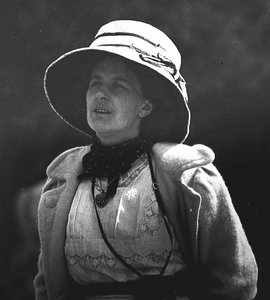
edith agnes kathleen young, baroness kennet, frbs (née bruce; formerly scott)
1878 - 1947 , United Kingdom
基本情報
- Artistic Movement Or Style: Landscape painting
- Artists Who Influenced This Artist:
- John Carlson
- Birge Harrison
- Date Of Birth: 1878
- Date Of Death: 1945
- Full Name: H Boylston Dummer
- Nationality: American
- Notable Artworks:
- Sea View by Moonlight
- Haymaking
- The Moorish Chief
- Place Of Birth: Rowley, Massachusetts
関連記事

Bronze Age to Modern Masters: 10 Sculptures That Redefined Art | ArtsDot
Journey through art history with 10 legendary bronze sculptures – from Michelangelo's David to Rodin’s Thinker. Explore the stories, techniques & timeless beauty of these masterpieces. Find museum-quality reproductions & elevate your home decor on ArtsDot.com.
The Enduring Legacy of Bronze Sculpture: A Collector's Guide to Form & Cultural Significance
Explore the rich history & enduring appeal of bronze sculpture with expert insights for collectors at ArtsDot. Learn about casting techniques, iconic artists, and collecting tips to build a discerning art collection.
The Enduring Legacy of Bronze: History, Technique & Artistic Expression for the Collector
Explore the rich history & enduring appeal of bronze sculpture with expert insights for collectors at ArtsDot. Learn about casting techniques, iconic artists, and collecting tips.

Bronze Sculptures That Defined Art History | ArtsDot
Journey through art history with our Top 10 bronze sculptures! Explore masterpieces by Rodin, Michelangelo & more. Discover stories behind iconic statues and find museum-quality reproductions for your home decor at ArtsDot.com.
The Enduring Legacy of Bronze: A Historical & Artistic Exploration for the Collector
Explore the rich history & enduring appeal of bronze sculpture with expert insights for collectors at ArtsDot. Learn about casting techniques, iconic artists, collecting tips & contemporary interpretations.