

 プレビュー
プレビュー
 プリントを購入
 シェアする
シェアする シェアする
シェアする
 詳細を見る
詳細を見る

 ダウンロード
 似ている作品
 X線調査
X線調査 スライドショー
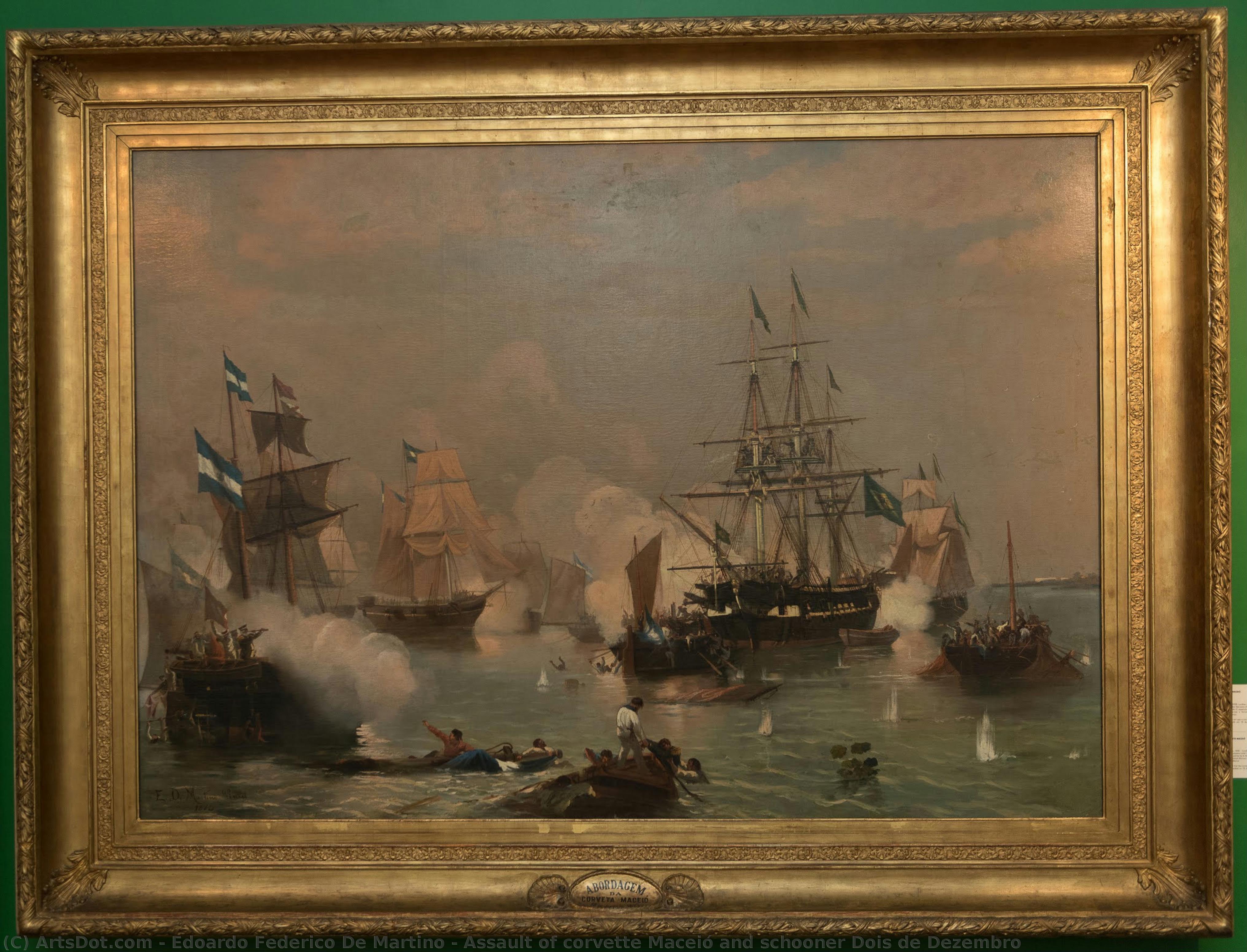
Assault of corvette Maceió and schooner Dois de Dezembro


 詳細を見る
詳細を見る
オンラインプレビューをはるかに凌ぐ、高解像度で鮮明なデジタル画像をご購入いただけます。
各ファイルは、社内の専門家が高度なツールと熟練した手作業によるレタッチを用いて、細心の注意を払って準備されています。すべての画像において、卓越した鮮明度、正確な色彩再現性、そして繊細なディテールを保証いたします。
最終ファイルは、プロフェッショナルな編集・印刷環境ですぐにご利用いただけるよう最適化された状態で、72時間以内にメールにてお届けいたします。これは、一流のデザインスタジオ、出版社、ギャラリーから信頼されているものと同等の品質です。
デジタル画像のご注文に付随する特典
高品質なデジタル画像配信を、確かな品質で。
ArtsDot.com を選ぶことは、単に画像を手に入れることではありません。それは、プロの手によって精密に仕上げられ、満足保証が付いた高品質なデジタルアートワークを受け取ることを意味します。ご注文いただいた際に自動的に付随する内容は、以下の通りです:

メールですぐにお届け
ご注文から72時間以内に、高解像度のデジタル画像ファイルがメールでお手元に届きます。すぐにそのままご利用いただけます。

AI技術で最適化されたデジタルファイル
お客様の作品は、高度なAIツールと専門家による手作業の編集を組み合わせてプロフェッショナルに最適化されており、細部のディテール、鮮明さ、そして正確な色再現性を最大限に引き出しています。

一生涯無料の再送サービス
ファイルを誤って削除したり、紛失してしまったりしましたか?ご安心ください。いつでも無料で再送いたします。

輸入手数料は一切かかりません
関税や手数料、配送料を気にすることなく、お気に入りのアートワークをすぐにお楽しみいただけます。デジタルダウンロードは常に免税です。

色彩再現の保証
プロ仕様のツールとカラーマネジメント技術を用いることで、デジタル画像が元の色を最大限に忠実に再現することを保証いたします。

60日間満足保証
ご購入いただいたデジタル画像にご満足いただけない場合は、60日以内であれば、修正または100%の返金(理由を問う必要はありません)をさせていただきます。

100% 返金保証
ご満足いただけない場合は、デジタルファイルを受け取ってから60日以内であれば、理由を問わず全額返金いたします。

まとめ買い割引
3枚購入で10%OFF - 5枚購入で15%OFF - 10枚以上購入で20%OFF。クリエイティブなプロジェクト、ギャラリー、エージェンシーに最適です。
A Symphony of Salt and Steel: The Drama of Naval Combat
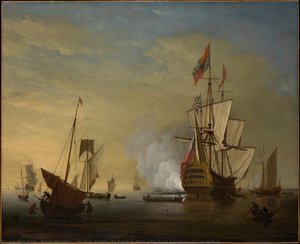
In the sweeping expanse of Edoardo Federico de Martino’s 1873 masterpiece, Assault of corvette Maceió and schooner Dois de Dezembro, the viewer is not merely an observer but a witness to the chaotic grandeur of maritime warfare. The canvas breathes with the salt spray of the Atlantic, capturing a pivotal moment where the calm of the sea meets the violent eruption of cannon fire. At the heart of this composition lies a profound human drama; amidst the splintering wood and billowing smoke, a longboat emerges in the foreground, carrying a figure in stark white—a beacon of mercy amidst the carnage. This small vessel, tasked with rescuing wounded soldiers drifting in the swell, provides a poignant emotional anchor to an otherwise frenetic scene of tactical maneuvering and naval aggression.
De Martino masterfully orchestrates a complex arrangement of vessels that guides the eye through the theater of war. To the left, the imposing presence of the SARANDI dominates the mid-ground, its white and blue flags fluttering against a backdrop of disciplined combat. The artist’s attention to detail is nothing short of extraordinary, from the precise inscription on the hull to the Admiral, distinguished by his white beard, peering through a spyglass to track the movements of the Brazilian flag flying atop a distant ship. This interplay between the massive, structured warships and the fragile, vulnerable rowing boats creates a rhythmic tension that keeps the viewer’s gaze perpetually in motion, tracing the trajectory of shots fired and the desperate struggle for survival.
The Mastery of Marine Impressionism
Technically, this work serves as a testament to de Martino’s unique position within the 19-century Italian and British marine traditions. Utilizing a sophisticated oil technique, he employs a style that borders on naval impressionism, where the texture of the water is rendered with both precision and fluidity. The white splashes of waves and the reflective glints of light on the sea surface are applied with a confident hand, creating a sense of atmospheric depth. The sky, a clear blue punctuated by soft, drifting clouds, provides a serene contrast to the violent struggle below, a compositional choice that emphasizes the indifference of nature to the conflicts of man.
For the discerning collector or interior designer, this painting offers more than just historical documentation; it offers an atmosphere of epic storytelling. The piece possesses a monumental quality that commands attention in any grand setting, whether placed in a traditional study or as a focal point in a contemporary gallery space. The subtle use of light and the strategic placement of color—the stark whites against the deep blues and earthy tones of the ships—ensure that the artwork retains its visual impact from across a room. It is an investment in a piece of history, a window into an era of exploration and empire, captured through the eyes of a man who understood the soul of the sea.
関連作品


作家の略歴
The Maritime Vision of Edoardo Federico de Martino
Edoardo Federico de Martino stands as a singular figure in 19th-century art, recognized primarily for his captivating depictions of warships and maritime battles—a genre that cemented his reputation as one of the era's most compelling marine painters. Born in Meta di Sorrentino, Italy, in 1836, his early life was shaped by the salt and spray of the Mediterranean. Before he ever picked up a brush to immortalize the sea, de Martino embarked on an artistic journey marked by service in the Italian Navy. This firsthand experience with naval life provided him with an unparalleled anatomical understanding of vessels and the visceral reality of life at sea, allowing him to approach his subjects not merely as a spectator, but as a witness to the maritime world.
Around the age of thirty, de Martino transitioned from the deck of a ship to the artist's studio, profoundly impacted by the stylistic innovations championed by the Scuola Romana movement. His formative years instilled a deep appreciation for observation and meticulous detail, skills that would prove invaluable as he established himself in Naples and subsequently gained international acclaim in London. It was in the heart of the British Empire where de Martino truly flourished, becoming celebrated for his ability to capture the dynamism of naval engagements with remarkable precision and emotional resonance—a talent particularly appreciated by Queen Victoria herself.
A Masterful Blend of Impressionism and Tradition
The technical brilliance of de Martino lies in his unique ability to bridge the gap between academic rigor and modern expression. His technique was characterized by a masterful blend of Impressionistic brushwork and classical training. He skillfully employed loose, vibrant strokes to convey movement, wind, and the churning atmosphere of the ocean—a hallmark of the Impressionist influence—while simultaneously adhering to strict compositional principles to ensure stability and grandeur in his depictions of massive warships. This duality allowed him to achieve an unparalleled level of expressive power without sacrificing the structural integrity required for maritime accuracy.
His palette was as turbulent as the seas he portrayed, favoring bold hues that mirrored the drama of naval warfare. Whether capturing the serene, sun-drenched atmosphere of a peaceful harbor or the smoke-filled chaos of a broadside exchange, de Martino used light and color to evoke the palpable tension of the moment. His works, such as his evocative depictions of French frigates or the tranquil scenes of Naples, demonstrate a profound command over the way light interacts with water, wood, and canvas.
Legacy and Historical Significance
Throughout his prolific career, de Martino produced a vast oeuvre encompassing both Italian and British subjects, leaving behind a legacy that serves as a visual chronicle of 19th-century naval history. His canvases breathed life into pivotal moments in maritime lore, immortalizing legendary engagements such as:
- The Battle of Trafalgar: Recreating the epic scale and intensity of one of history's most famous naval confrontations.
- The Nile Expedition: Capturing the strategic movements and atmospheric tension of British operations.
- Cape San Vincenzo: Documenting the grandeur and peril of historical maritime maneuvers.
Beyond the spectacle of battle, his work also celebrated the quiet majesty of naval life, from the bustling activity of The Quay at Naples to the serene presence of steamships in distant ports. By blending the precision of a naval officer with the soul of an Impressionist, Edoardo Federico de Martino created a body of work that transcends mere documentation. He did not merely paint ships; he painted the very spirit of the sea, ensuring that the triumphs and tragedies of the maritime age would remain eternally vibrant for generations to come.
Edoardo Federico de Martino
1836 - 1912 , Italy
プロフィール概要
- Artistic Movement Or Style: Marine Painting
- Artists Or Movements Influenced By This Artist: ['British Naval Art']
- Artists Who Influenced This Artist: ['School of Resina']
- Date Of Birth: Meta, Italy (1836)
- Date Of Death: 1912
- Full Name: Edoardo Federico de Martino
- Nationality: Italian-British
- Notable Artworks:
- The Royal Yacht Victoria ^ Albert
- The Quay at Naples
- Assault of Frigate Empress
- Place Of Birth: Meta di Sorrentino

