

 プレビュー
プレビュー
 シェアする
シェアする シェアする
シェアする
 詳細を見る
詳細を見る

 ダウンロード
 似ている作品
 X線調査
X線調査 スライドショー
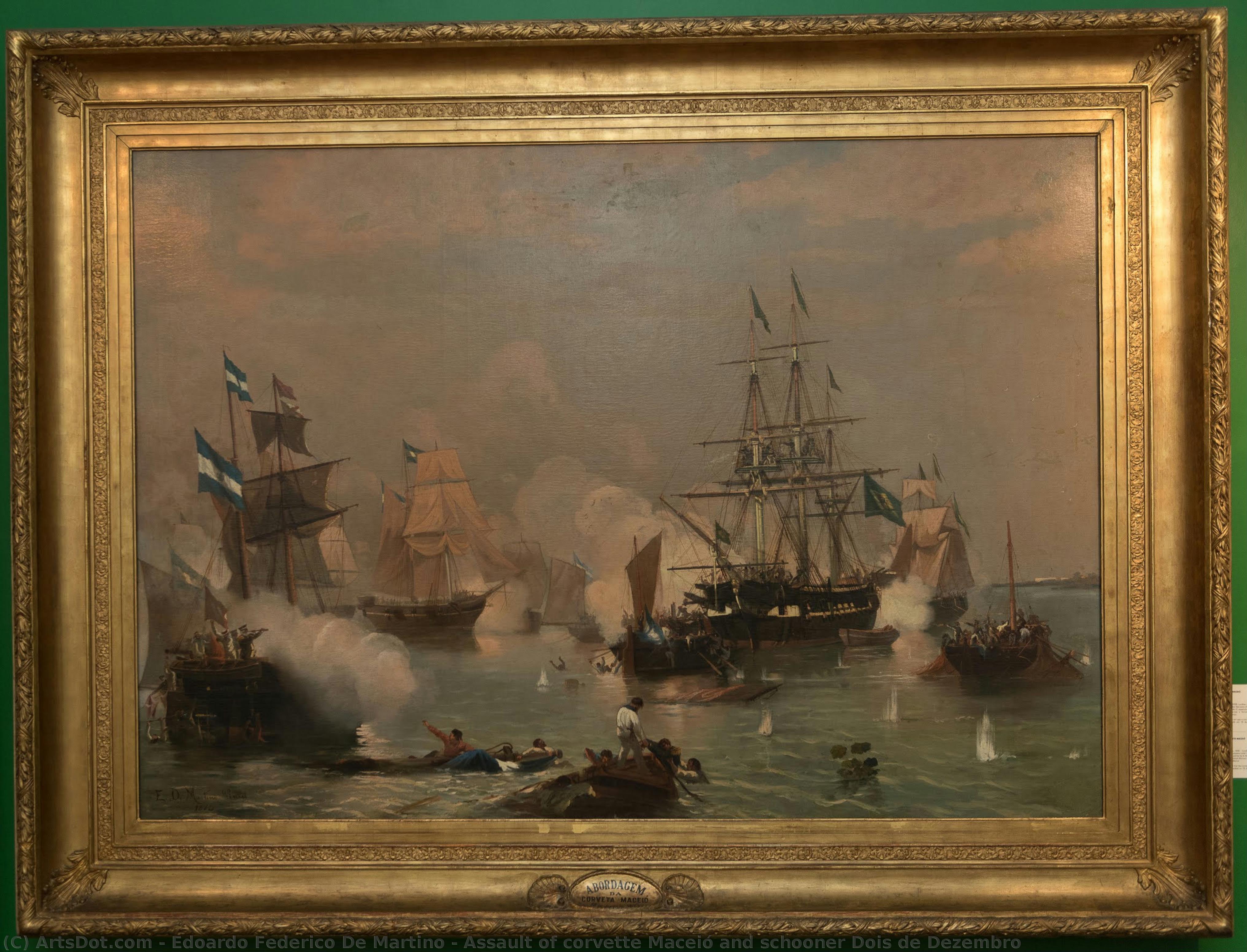
Assault of corvette Maceió and schooner Dois de Dezembro


 詳細を見る
詳細を見る
ジークレー/アートプリント
迅速な制作と多彩な仕上げオプションを備えた、ミュージアムクオリティのジークレーまたはキャンバスプリント。 ( 手描きの絵画を購入 画像を購入)




P118B $10

P118H $10

P118W $10

P438Z $10

P508JH $12

P508YH $12

P805H $10

P805Z $10

P919BZ $10

P919G $10

P919XJ $10

P959ZH $10

P968JZ $12

W106C $8

W218G $10

W218JH $8

W218Y $10

W307PJ $10

W316G $10

W316PJ $8

W316Y $10

W398PJ $8

W4111J $10

W500HY $15

W500JH $15

W692G $12

W849H $8

W940BG $15

W953PJ $8




作品のオリジナル比率に合わせた、当店の規定サイズからお選びください。

特定のフレームやスペースに合わせて、ご自身でサイズを指定することも可能です。選択されたサイズが元の画像の比率と一致しない場合、作品をトリミングするか、鏡面反射または単色での塗りつぶしによって画像を拡張いたします。制作を開始する前に、ご確認用のデジタルモックアップをお送りいたします。
画面上のプレビューには、実際のトリミングや拡張は反映されませんのでご注意ください。最終的な構図を正確に確認できるのは、モックアップのみとなります。
カスタムサイズも承っておりますが、元の比率を維持するためには、あらかじめ用意されたリストからサイズを選択することをお勧めいたします。


 ガラスオプションは、110cm未満のサイズでのみご利用いただけます。

Assault of corvette Maceió and schooner Dois de Dezembro
ジークレー/アートプリント
複製画のサイズ
-


合計金額
$ 62
A Symphony of Salt and Steel: The Drama of Naval Combat
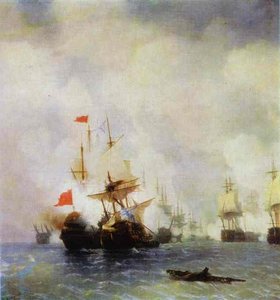
In the sweeping expanse of Edoardo Federico de Martino’s 1873 masterpiece, Assault of corvette Maceió and schooner Dois de Dezembro, the viewer is not merely an observer but a witness to the chaotic grandeur of maritime warfare. The canvas breathes with the salt spray of the Atlantic, capturing a pivotal moment where the calm of the sea meets the violent eruption of cannon fire. At the heart of this composition lies a profound human drama; amidst the splintering wood and billowing smoke, a longboat emerges in the foreground, carrying a figure in stark white—a beacon of mercy amidst the carnage. This small vessel, tasked with rescuing wounded soldiers drifting in the swell, provides a poignant emotional anchor to an otherwise frenetic scene of tactical maneuvering and naval aggression.
De Martino masterfully orchestrates a complex arrangement of vessels that guides the eye through the theater of war. To the left, the imposing presence of the SARANDI dominates the mid-ground, its white and blue flags fluttering against a backdrop of disciplined combat. The artist’s attention to detail is nothing short of extraordinary, from the precise inscription on the hull to the Admiral, distinguished by his white beard, peering through a spyglass to track the movements of the Brazilian flag flying atop a distant ship. This interplay between the massive, structured warships and the fragile, vulnerable rowing boats creates a rhythmic tension that keeps the viewer’s gaze perpetually in motion, tracing the trajectory of shots fired and the desperate struggle for survival.
The Mastery of Marine Impressionism
Technically, this work serves as a testament to de Martino’s unique position within the 19-century Italian and British marine traditions. Utilizing a sophisticated oil technique, he employs a style that borders on naval impressionism, where the texture of the water is rendered with both precision and fluidity. The white splashes of waves and the reflective glints of light on the sea surface are applied with a confident hand, creating a sense of atmospheric depth. The sky, a clear blue punctuated by soft, drifting clouds, provides a serene contrast to the violent struggle below, a compositional choice that emphasizes the indifference of nature to the conflicts of man.
For the discerning collector or interior designer, this painting offers more than just historical documentation; it offers an atmosphere of epic storytelling. The piece possesses a monumental quality that commands attention in any grand setting, whether placed in a traditional study or as a focal point in a contemporary gallery space. The subtle use of light and the strategic placement of color—the stark whites against the deep blues and earthy tones of the ships—ensure that the artwork retains its visual impact from across a room. It is an investment in a piece of history, a window into an era of exploration and empire, captured through the eyes of a man who understood the soul of the sea.
関連作品
アーティストの略歴
The Maritime Vision of Edoardo Federico de Martino
Edoardo Federico de Martino stands as a singular figure in 19th-century art, recognized primarily for his captivating depictions of warships and maritime battles—a genre that cemented his reputation as one of the era's most compelling marine painters. Born in Meta di Sorrentino, Italy, in 1836, his early life was shaped by the salt and spray of the Mediterranean. Before he ever picked up a brush to immortalize the sea, de Martino embarked on an artistic journey marked by service in the Italian Navy. This firsthand experience with naval life provided him with an unparalleled anatomical understanding of vessels and the visceral reality of life at sea, allowing him to approach his subjects not merely as a spectator, but as a witness to the maritime world.
Around the age of thirty, de Martino transitioned from the deck of a ship to the artist's studio, profoundly impacted by the stylistic innovations championed by the Scuola Romana movement. His formative years instilled a deep appreciation for observation and meticulous detail, skills that would prove invaluable as he established himself in Naples and subsequently gained international acclaim in London. It was in the heart of the British Empire where de Martino truly flourished, becoming celebrated for his ability to capture the dynamism of naval engagements with remarkable precision and emotional resonance—a talent particularly appreciated by Queen Victoria herself.
A Masterful Blend of Impressionism and Tradition
The technical brilliance of de Martino lies in his unique ability to bridge the gap between academic rigor and modern expression. His technique was characterized by a masterful blend of Impressionistic brushwork and classical training. He skillfully employed loose, vibrant strokes to convey movement, wind, and the churning atmosphere of the ocean—a hallmark of the Impressionist influence—while simultaneously adhering to strict compositional principles to ensure stability and grandeur in his depictions of massive warships. This duality allowed him to achieve an unparalleled level of expressive power without sacrificing the structural integrity required for maritime accuracy.
His palette was as turbulent as the seas he portrayed, favoring bold hues that mirrored the drama of naval warfare. Whether capturing the serene, sun-drenched atmosphere of a peaceful harbor or the smoke-filled chaos of a broadside exchange, de Martino used light and color to evoke the palpable tension of the moment. His works, such as his evocative depictions of French frigates or the tranquil scenes of Naples, demonstrate a profound command over the way light interacts with water, wood, and canvas.
Legacy and Historical Significance
Throughout his prolific career, de Martino produced a vast oeuvre encompassing both Italian and British subjects, leaving behind a legacy that serves as a visual chronicle of 19th-century naval history. His canvases breathed life into pivotal moments in maritime lore, immortalizing legendary engagements such as:
- The Battle of Trafalgar: Recreating the epic scale and intensity of one of history's most famous naval confrontations.
- The Nile Expedition: Capturing the strategic movements and atmospheric tension of British operations.
- Cape San Vincenzo: Documenting the grandeur and peril of historical maritime maneuvers.
Beyond the spectacle of battle, his work also celebrated the quiet majesty of naval life, from the bustling activity of The Quay at Naples to the serene presence of steamships in distant ports. By blending the precision of a naval officer with the soul of an Impressionist, Edoardo Federico de Martino created a body of work that transcends mere documentation. He did not merely paint ships; he painted the very spirit of the sea, ensuring that the triumphs and tragedies of the maritime age would remain eternally vibrant for generations to come.
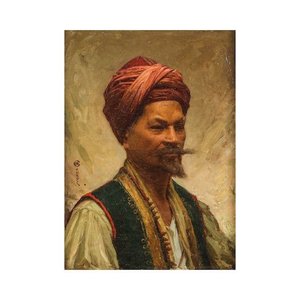
Edoardo Federico de Martino
1836 - 1912 , Italy
基本情報
- Artistic Movement Or Style: Marine Painting
- Artists Or Movements Influenced By This Artist: ['British Naval Art']
- Artists Who Influenced This Artist: ['School of Resina']
- Date Of Birth: Meta, Italy (1836)
- Date Of Death: 1912
- Full Name: Edoardo Federico de Martino
- Nationality: Italian-British
- Notable Artworks:
- The Royal Yacht Victoria ^ Albert
- The Quay at Naples
- Assault of Frigate Empress
- Place Of Birth: Meta di Sorrentino
関連記事

The Enduring Legacy of Oil on Canvas: Technique, History & Aesthetic Impact
Explore the rich history & techniques of oil painting – from Renaissance masters to Impressionism. Discover pigments, layering methods, and why this timeless medium endures. Expert insights for artists & art enthusiasts.

Oil on Canvas: A Historical & Technical Exploration of a Timeless Artistic Medium
Explore the rich history & enduring techniques of oil painting on canvas. Discover the science behind its longevity, conservation practices, and contemporary relevance. Expert insights for art enthusiasts.

The Enduring Power of Painting: A Historical & Contemporary Exploration of Form and Emotion
Explore the rich history & enduring techniques of oil painting with ArtsDot. Discover masterpieces, learn about art collecting, and find authentic handmade reproductions crafted by skilled artists.

油彩のキャンバス:技法、歴史、そして現代の実践 - 古典美術愛好家へ
油彩の技法、歴史、巨匠たちの秘密を徹底解説。古典美術愛好家向けに、初期フランドル絵画から現代の実践まで深く掘り下げます。ArtsDotで高品質な複製画やカスタムオーダーも承ります。
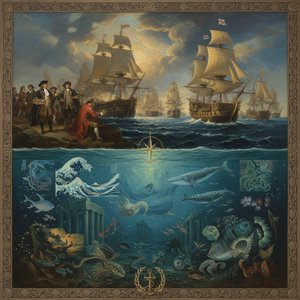
Navigating the Depths of Representation: A Historical Exploration of Marine Painting
Explore the rich history of marine painting with ArtsDot. Discover Dutch Masters, Romantic seascapes & renowned artists like Wyllie and Harris. Expert guidance for collectors & custom reproductions.

