

 プレビュー
プレビュー
 プリントを購入
 シェアする
シェアする シェアする
シェアする
 詳細を見る
詳細を見る

 ダウンロード
 似ている作品
 X線調査
X線調査 スライドショー
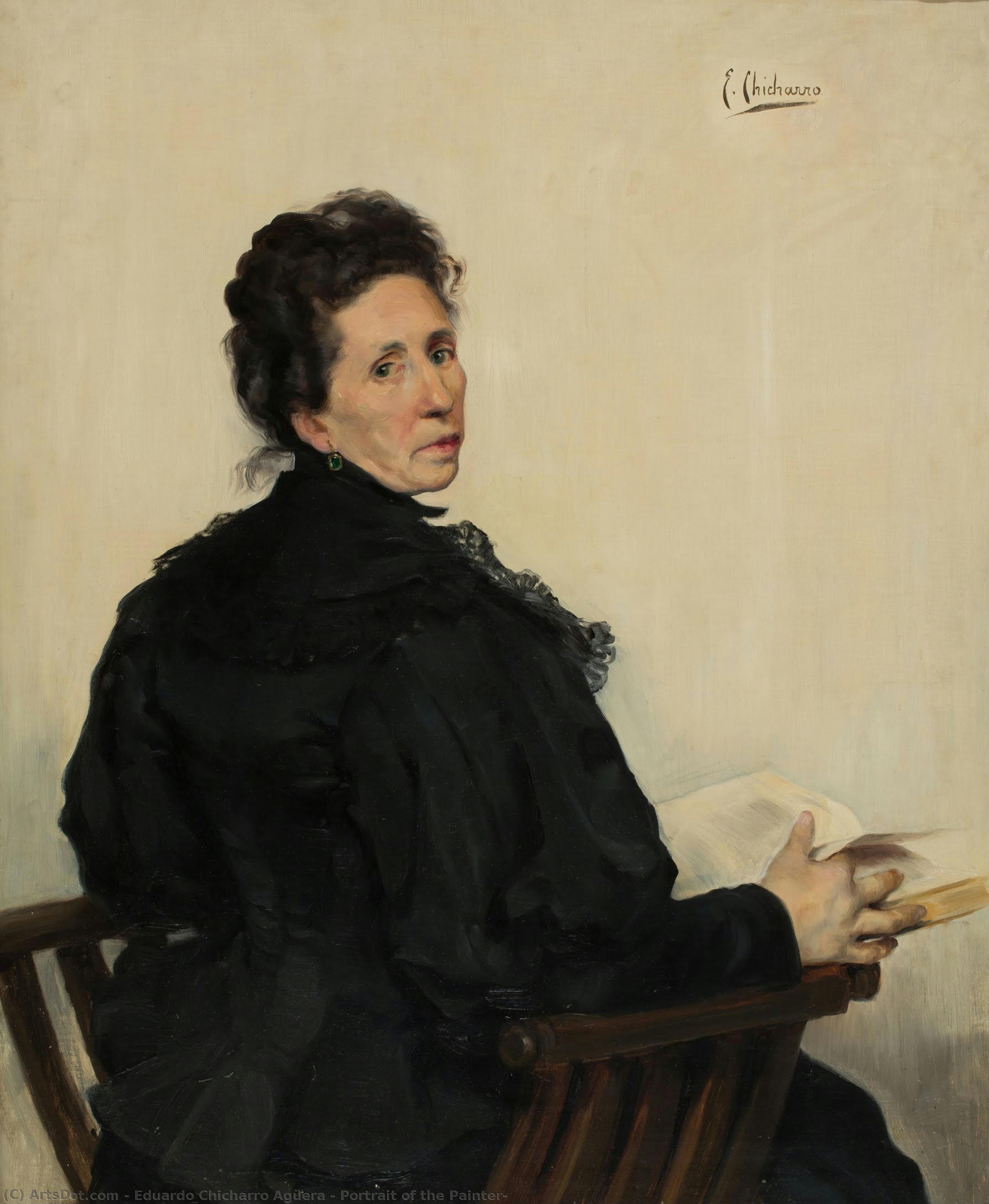
Portrait of the Painter
 5.0 x 99.0 cm
 Zaragoza Museum
 詳細を見る
詳細を見る




































作品のオリジナル比率に合わせた、当店の規定サイズからお選びください。

特定のフレームやスペースに合わせて、ご希望のサイズをご入力いただけます。選択されたサイズが元の画像の比率と異なる場合、アートワークをトリミングするか、手描きで要素を追加して絵画を拡張いたします。デジタルモックアップ を制作し、制作開始前にご確認(承認)をいただきます。
画面上のプレビューは、実際のトリミングや拡張を正確に反映しているものではありません。最終的な構図は、モックアップによってのみ正確にご確認いただけます。
カスタムサイズもご利用いただけますが、元の比率を維持するためには、あらかじめ用意されたリストからサイズを選択することをお勧めいたします。
ご注文後、ArtsDot.com チームより詳細な指示をお送りするとともに、仕上がりイメージ(モックアップ)をご提供いたします。


 ガラスオプションは、110cm未満のサイズでのみご利用いただけます。

Portrait of the Painter
複製技法
複製画のサイズ
-


合計金額
$ 263
関連作品








アーティストの略歴
Eduardo Chicharro y Agüera: A Master of Spanish Portraiture and Roman Echoes
Eduardo Chicharro y Agüera (18 June 1873, Madrid – 24 May 1949, Madrid) stands as a significant figure in late 19th and early 20th-century Spanish art. More than simply a painter, he was a meticulous observer of the human form and spirit, deeply influenced by both the classical traditions of Rome and the burgeoning Symbolist movement. His work, characterized by rich color palettes, dramatic chiaroscuro, and an underlying sense of melancholy, continues to resonate with viewers today, offering glimpses into a world where beauty and introspection intertwine.
Born into a family connected to the craft of glassmaking in Madrid, Chicharro’s early life was marked by exposure to artistic techniques. Though his father's untimely death at a young age instilled a sense of loss, it simultaneously ignited within him a profound passion for art – a passion nurtured and encouraged by his mother. His initial training began with basic classes at the School of Arts and Crafts, but it was his enrollment in the Real Academia de Bellas Artes de San Fernando at fifteen that truly set him on his artistic trajectory. There, under the tutelage of masters like Joaquín Sorolla, Manuel Domínguez Sánchez, and Carlos de Haes, he honed his skills and developed a distinctive style – one deeply rooted in academic training yet infused with a personal vision.
The Roman Influence and Early Development
Chicharro’s time in Rome as a pensioner between 1900 and 1904 proved transformative. This immersion in the heart of classical art profoundly shaped his aesthetic sensibilities. He studied the ruins, absorbed the atmosphere, and engaged with the artistic currents circulating within the city's academies. It was during this period that he produced some of his most celebrated works, including “The Temptation of Buddha,” a powerful depiction of spiritual struggle rendered in vibrant colors and evocative lighting. This painting, reflecting an interest in Eastern philosophies and spirituality – particularly influenced by the writings of Rabindranath Tagore – stands as a testament to Chicharro’s intellectual curiosity and artistic ambition.
Returning to Spain, he established himself in Ávila, marrying María Briones and continuing his artistic pursuits. He gained recognition for works like “The Three Wives,” further solidifying his reputation as a master of portraiture and landscape. His international exposure grew steadily, with exhibitions in Munich and Liège showcasing his talent to a wider European audience.
A Portraitist of Women and Symbolist Sensibilities
Chicharro’s most enduring legacy lies in his portraits, particularly those depicting women. These are not merely representations of physical appearance; they delve into the inner lives of his subjects, capturing their emotions, vulnerabilities, and quiet dignity. He employed a masterful use of light and shadow – a technique heavily influenced by the Spanish Baroque tradition – to create dramatic effects and heighten the emotional impact of each portrait. His brushwork is often loose and expressive, conveying a sense of movement and immediacy.
Beyond portraits, Chicharro explored landscapes imbued with symbolic meaning. His works frequently evoke a mood of melancholy and introspection, reflecting the broader currents of Symbolism in art. He skillfully blended classical elements – particularly Roman influences evident in his compositions and color palettes – with contemporary sensibilities, creating a unique artistic language that is both timeless and deeply rooted in Spanish culture.
Later Years and Legacy
Following his years in Rome, Chicharro returned to Madrid, where he served as a professor at the Escuela Superior de Bellas Artes. During the turbulent period of the Spanish Civil War, he found solace and inspiration in the company of his friend, the painter Luis Gallardo Pérez. He was awarded the Order of Alfonso X, the Wise, recognizing his contributions to Spanish art.
The rediscovery of “Pygmalion” in 2007 brought renewed attention to Chicharro’s oeuvre and cemented his place as a significant figure in Spanish art history. His work continues to be exhibited and studied, offering viewers a captivating glimpse into the world of a master portraitist and a sensitive observer of the human condition. His legacy resides not only in his stunning paintings but also in their ability to evoke profound emotions and invite contemplation on themes of beauty, spirituality, and the complexities of the human experience.
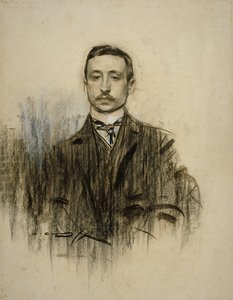
eduardo chicharro agüera
1873 - 1949 , Spain
基本情報
- Artistic Movement Or Style: Romanesque, Symbolism
- Artists Or Movements Influenced By This Artist: ['Rabindranath Tagore']
- Artists Who Influenced This Artist:
- Joaquin Sorolla
- Carlos de Haes
- Date Of Birth: June 18, 1873
- Date Of Death: May 24, 1949
- Full Name: Eduardo Chicharro y Agüera
- Nationality: Spanish
- Notable Artworks:
- Desnudos
- Hombre
- En El Bosque
- Place Of Birth: Madrid, Spain

