

 プレビュー
プレビュー
 プリントを購入
 シェアする
シェアする シェアする
シェアする
 詳細を見る
詳細を見る

 ダウンロード
 似ている作品
 X線調査
X線調査 スライドショー
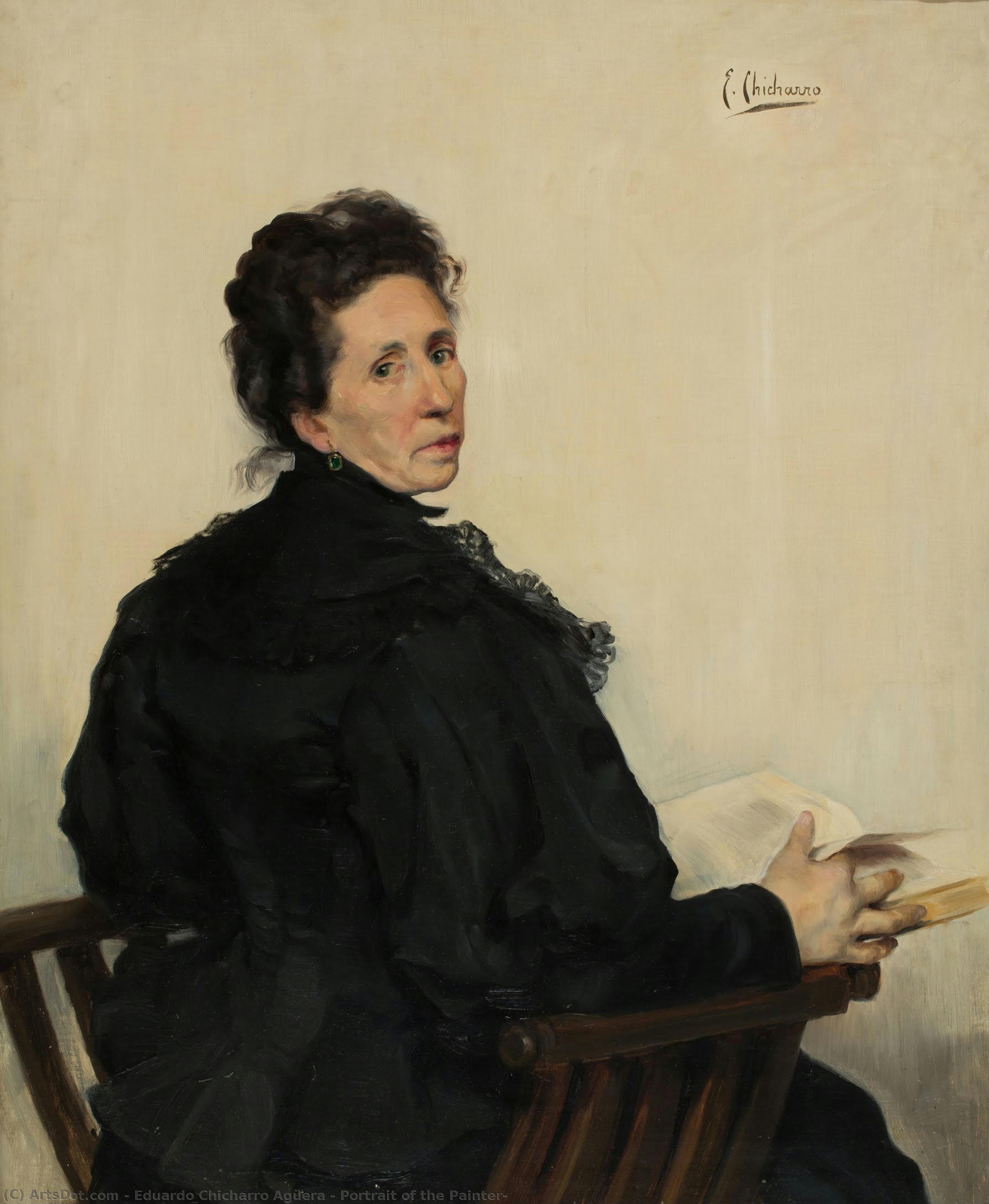
Portrait of the Painter
 5.0 x 99.0 cm
 Zaragoza Museum
 詳細を見る
詳細を見る
オンラインプレビューをはるかに凌ぐ、高解像度で鮮明なデジタル画像をご購入いただけます。
各ファイルは、社内の専門家が高度なツールと熟練した手作業によるレタッチを用いて、細心の注意を払って準備されています。すべての画像において、卓越した鮮明度、正確な色彩再現性、そして繊細なディテールを保証いたします。
最終ファイルは、プロフェッショナルな編集・印刷環境ですぐにご利用いただけるよう最適化された状態で、72時間以内にメールにてお届けいたします。これは、一流のデザインスタジオ、出版社、ギャラリーから信頼されているものと同等の品質です。
デジタル画像のご注文に付随する特典
高品質なデジタル画像配信を、確かな品質で。
ArtsDot.com を選ぶことは、単に画像を手に入れることではありません。それは、プロの手によって精密に仕上げられ、満足保証が付いた高品質なデジタルアートワークを受け取ることを意味します。ご注文いただいた際に自動的に付随する内容は、以下の通りです:

メールですぐにお届け
ご注文から72時間以内に、高解像度のデジタル画像ファイルがメールでお手元に届きます。すぐにそのままご利用いただけます。

AI技術で最適化されたデジタルファイル
お客様の作品は、高度なAIツールと専門家による手作業の編集を組み合わせてプロフェッショナルに最適化されており、細部のディテール、鮮明さ、そして正確な色再現性を最大限に引き出しています。

一生涯無料の再送サービス
ファイルを誤って削除したり、紛失してしまったりしましたか?ご安心ください。いつでも無料で再送いたします。

輸入手数料は一切かかりません
関税や手数料、配送料を気にすることなく、お気に入りのアートワークをすぐにお楽しみいただけます。デジタルダウンロードは常に免税です。

色彩再現の保証
プロ仕様のツールとカラーマネジメント技術を用いることで、デジタル画像が元の色を最大限に忠実に再現することを保証いたします。

60日間満足保証
ご購入いただいたデジタル画像にご満足いただけない場合は、60日以内であれば、修正または100%の返金(理由を問う必要はありません)をさせていただきます。

100% 返金保証
ご満足いただけない場合は、デジタルファイルを受け取ってから60日以内であれば、理由を問わず全額返金いたします。

まとめ買い割引
3枚購入で10%OFF - 5枚購入で15%OFF - 10枚以上購入で20%OFF。クリエイティブなプロジェクト、ギャラリー、エージェンシーに最適です。
関連作品








作家の略歴
Eduardo Chicharro y Agüera: A Master of Spanish Portraiture and Roman Echoes
Eduardo Chicharro y Agüera (18 June 1873, Madrid – 24 May 1949, Madrid) stands as a significant figure in late 19th and early 20th-century Spanish art. More than simply a painter, he was a meticulous observer of the human form and spirit, deeply influenced by both the classical traditions of Rome and the burgeoning Symbolist movement. His work, characterized by rich color palettes, dramatic chiaroscuro, and an underlying sense of melancholy, continues to resonate with viewers today, offering glimpses into a world where beauty and introspection intertwine.
Born into a family connected to the craft of glassmaking in Madrid, Chicharro’s early life was marked by exposure to artistic techniques. Though his father's untimely death at a young age instilled a sense of loss, it simultaneously ignited within him a profound passion for art – a passion nurtured and encouraged by his mother. His initial training began with basic classes at the School of Arts and Crafts, but it was his enrollment in the Real Academia de Bellas Artes de San Fernando at fifteen that truly set him on his artistic trajectory. There, under the tutelage of masters like Joaquín Sorolla, Manuel Domínguez Sánchez, and Carlos de Haes, he honed his skills and developed a distinctive style – one deeply rooted in academic training yet infused with a personal vision.
The Roman Influence and Early Development
Chicharro’s time in Rome as a pensioner between 1900 and 1904 proved transformative. This immersion in the heart of classical art profoundly shaped his aesthetic sensibilities. He studied the ruins, absorbed the atmosphere, and engaged with the artistic currents circulating within the city's academies. It was during this period that he produced some of his most celebrated works, including “The Temptation of Buddha,” a powerful depiction of spiritual struggle rendered in vibrant colors and evocative lighting. This painting, reflecting an interest in Eastern philosophies and spirituality – particularly influenced by the writings of Rabindranath Tagore – stands as a testament to Chicharro’s intellectual curiosity and artistic ambition.
Returning to Spain, he established himself in Ávila, marrying María Briones and continuing his artistic pursuits. He gained recognition for works like “The Three Wives,” further solidifying his reputation as a master of portraiture and landscape. His international exposure grew steadily, with exhibitions in Munich and Liège showcasing his talent to a wider European audience.
A Portraitist of Women and Symbolist Sensibilities
Chicharro’s most enduring legacy lies in his portraits, particularly those depicting women. These are not merely representations of physical appearance; they delve into the inner lives of his subjects, capturing their emotions, vulnerabilities, and quiet dignity. He employed a masterful use of light and shadow – a technique heavily influenced by the Spanish Baroque tradition – to create dramatic effects and heighten the emotional impact of each portrait. His brushwork is often loose and expressive, conveying a sense of movement and immediacy.
Beyond portraits, Chicharro explored landscapes imbued with symbolic meaning. His works frequently evoke a mood of melancholy and introspection, reflecting the broader currents of Symbolism in art. He skillfully blended classical elements – particularly Roman influences evident in his compositions and color palettes – with contemporary sensibilities, creating a unique artistic language that is both timeless and deeply rooted in Spanish culture.
Later Years and Legacy
Following his years in Rome, Chicharro returned to Madrid, where he served as a professor at the Escuela Superior de Bellas Artes. During the turbulent period of the Spanish Civil War, he found solace and inspiration in the company of his friend, the painter Luis Gallardo Pérez. He was awarded the Order of Alfonso X, the Wise, recognizing his contributions to Spanish art.
The rediscovery of “Pygmalion” in 2007 brought renewed attention to Chicharro’s oeuvre and cemented his place as a significant figure in Spanish art history. His work continues to be exhibited and studied, offering viewers a captivating glimpse into the world of a master portraitist and a sensitive observer of the human condition. His legacy resides not only in his stunning paintings but also in their ability to evoke profound emotions and invite contemplation on themes of beauty, spirituality, and the complexities of the human experience.
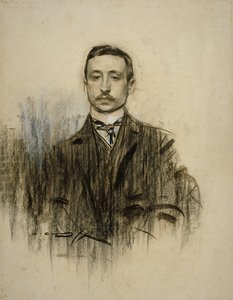
eduardo chicharro agüera
1873 - 1949 , Spain
プロフィール概要
- Artistic Movement Or Style: Romanesque, Symbolism
- Artists Or Movements Influenced By This Artist: ['Rabindranath Tagore']
- Artists Who Influenced This Artist:
- Joaquin Sorolla
- Carlos de Haes
- Date Of Birth: June 18, 1873
- Date Of Death: May 24, 1949
- Full Name: Eduardo Chicharro y Agüera
- Nationality: Spanish
- Notable Artworks:
- Desnudos
- Hombre
- En El Bosque
- Place Of Birth: Madrid, Spain

