

 プレビュー
プレビュー
 プリントを購入
 シェアする
シェアする シェアする
シェアする
 詳細を見る
詳細を見る

 ダウンロード
 似ている作品
 X線調査
X線調査 スライドショー
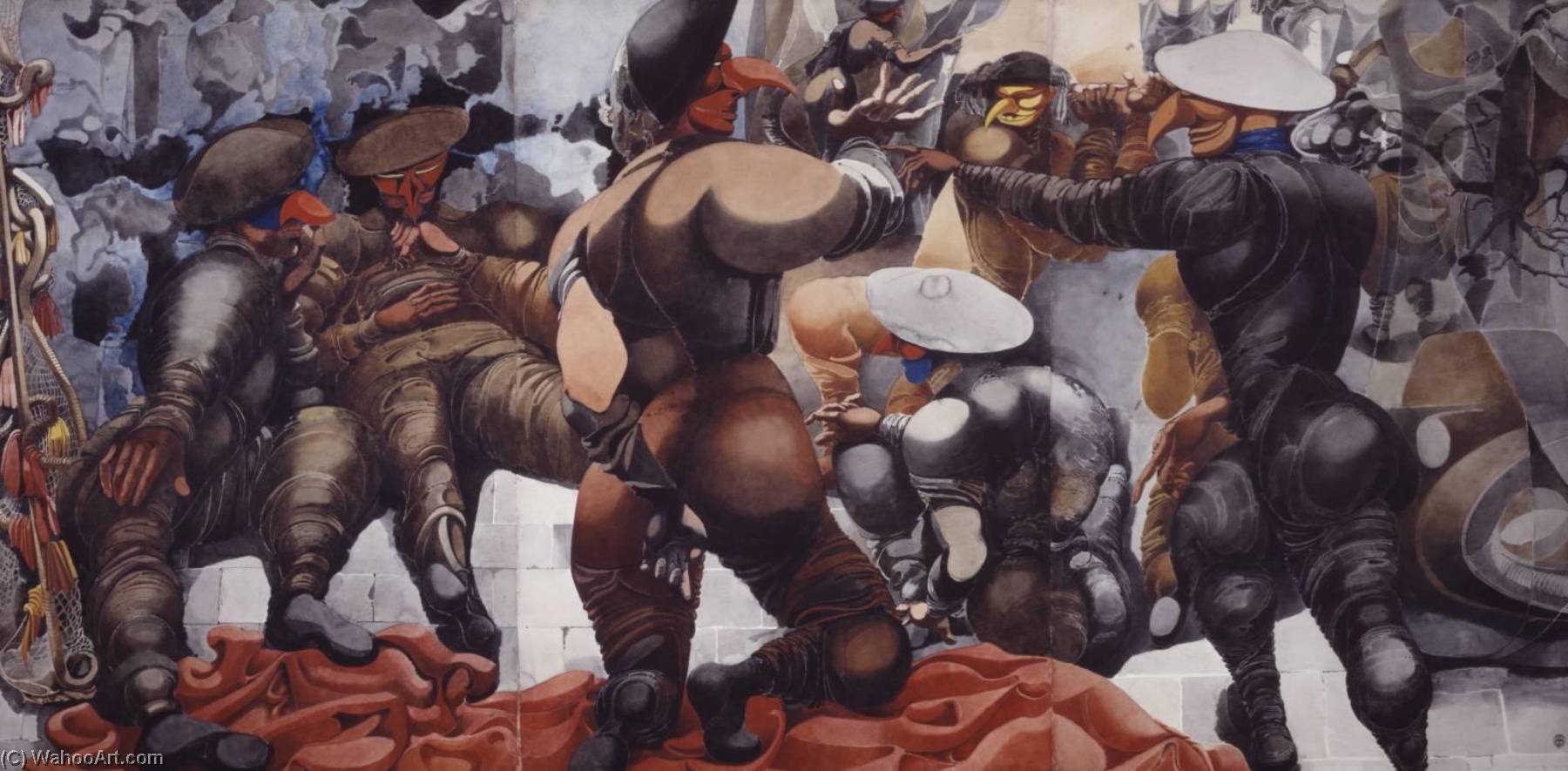
Soldiers at Rye


 詳細を見る
詳細を見る
オンラインプレビューをはるかに凌ぐ、高解像度で鮮明なデジタル画像をご購入いただけます。
各ファイルは、社内の専門家が高度なツールと熟練した手作業によるレタッチを用いて、細心の注意を払って準備されています。すべての画像において、卓越した鮮明度、正確な色彩再現性、そして繊細なディテールを保証いたします。
最終ファイルは、プロフェッショナルな編集・印刷環境ですぐにご利用いただけるよう最適化された状態で、72時間以内にメールにてお届けいたします。これは、一流のデザインスタジオ、出版社、ギャラリーから信頼されているものと同等の品質です。
デジタル画像のご注文に付随する特典
高品質なデジタル画像配信を、確かな品質で。
ArtsDot.com を選ぶことは、単に画像を手に入れることではありません。それは、プロの手によって精密に仕上げられ、満足保証が付いた高品質なデジタルアートワークを受け取ることを意味します。ご注文いただいた際に自動的に付随する内容は、以下の通りです:

メールですぐにお届け
ご注文から72時間以内に、高解像度のデジタル画像ファイルがメールでお手元に届きます。すぐにそのままご利用いただけます。

AI技術で最適化されたデジタルファイル
お客様の作品は、高度なAIツールと専門家による手作業の編集を組み合わせてプロフェッショナルに最適化されており、細部のディテール、鮮明さ、そして正確な色再現性を最大限に引き出しています。

一生涯無料の再送サービス
ファイルを誤って削除したり、紛失してしまったりしましたか?ご安心ください。いつでも無料で再送いたします。

輸入手数料は一切かかりません
関税や手数料、配送料を気にすることなく、お気に入りのアートワークをすぐにお楽しみいただけます。デジタルダウンロードは常に免税です。

色彩再現の保証
プロ仕様のツールとカラーマネジメント技術を用いることで、デジタル画像が元の色を最大限に忠実に再現することを保証いたします。

60日間満足保証
ご購入いただいたデジタル画像にご満足いただけない場合は、60日以内であれば、修正または100%の返金(理由を問う必要はありません)をさせていただきます。

100% 返金保証
ご満足いただけない場合は、デジタルファイルを受け取ってから60日以内であれば、理由を問わず全額返金いたします。

まとめ買い割引
3枚購入で10%OFF - 5枚購入で15%OFF - 10枚以上購入で20%OFF。クリエイティブなプロジェクト、ギャラリー、エージェンシーに最適です。
A Stage of War: Edward Burra’s ‘Soldiers at Rye’
Edward Burra's 1941 painting, *Soldiers at Rye*, is a powerfully unsettling depiction of military life during wartime. The scene presents thirteen figures – soldiers in varying states of readiness – positioned within a bleak and indeterminate landscape. Rather than glorifying combat, Burra offers a starkly realistic portrayal, devoid of heroism, focusing instead on the psychological weight and inherent tension of waiting for action. The composition is deliberately claustrophobic; the tightly packed figures create a sense of unease and shared anxiety. This isn’t a triumphant march or a dramatic battle scene, but a moment suspended in time – a breath held before an uncertain future.Style & Technique: A Surrealist Glimpse into Reality
Burra's style is uniquely his own, blending elements of Surrealism with a distinctly British sensibility for realism and social commentary. While not strictly adhering to any single movement, the influence of artists like George Grosz – whom Burra discovered through Paul Nash – is evident in the angularity of the figures and the gritty depiction of their surroundings. He employs a meticulous technique, building up layers of watercolor and gouache to achieve remarkable detail, particularly in the rendering of uniforms and facial expressions. The color palette is muted and earthy, dominated by browns, greys, and ochres, reinforcing the somber mood. This deliberate restraint contributes to the painting’s overall sense of foreboding. Burra's masterful draughtsmanship, honed during his training at the Royal College of Art, shines through in the precise linework that defines each figure.Historical Context & The Spirit of 1941
Created in 1941, *Soldiers at Rye* is deeply rooted in the anxieties of World War II. Though painted relatively early in Britain’s involvement, the shadow of conflict looms large over the canvas. The location, Rye – a historic town on the south coast of England – was strategically important during the war, vulnerable to invasion and serving as a staging ground for troops. Burra himself did not serve in the military, but his work reflects a profound awareness of the national mood and the psychological toll of wartime. The painting can be seen as a response to official war art that often romanticized conflict; instead, Burra presents an unvarnished view of the human cost of war, focusing on the quiet desperation and uncertainty experienced by those who fought.Emotional Resonance & Lasting Impact
*Soldiers at Rye* is not a painting that offers easy answers or comforting narratives. It’s a work that demands contemplation, prompting viewers to confront the complexities of war and its impact on the human psyche. The soldiers' expressions – ranging from stoicism to apprehension – invite empathy and understanding. The lack of a clear narrative allows for multiple interpretations, making it a timeless piece that continues to resonate with audiences today. Its enduring power lies in its ability to capture not just the physical realities of war, but also the emotional weight carried by those who serve. The painting serves as a potent reminder of the human cost of conflict and the importance of remembering the sacrifices made by generations past.関連作品
作家の略歴
Edward Burra: A Life in Surreal Visions
Early Life and Education
- Born: South Kensington, United Kingdom, 1905.
- Edward Burra demonstrated artistic talent early on, particularly as a draughtsman.
- He received his formal training at the Royal College of Art from 1923 to 1925, honing his skills in drawing and painting.
Early Travels and Influences (1920s)
- During the latter half of the 1920s, Burra travelled extensively throughout France.
- He focused on depicting detailed urban scenes, often portraying the harsh realities of life in cities like Toulon and Marseille.
- These early works reveal a keen observational eye and a sensitivity to social conditions.
- A pivotal moment came in 1927 when he met Paul Nash, who introduced him to avant-garde periodicals.
- Exposure to artists like George Grosz through these publications profoundly influenced Burra, inspiring him to experiment with collage and drawing within a Dadaist spirit.
Artistic Development & Key Themes (1930s-1940s)
- The Jungle (1931) exemplifies Burra’s fascination with the exotic and forbidden. The painting depicts a lavish dinner party set in a fantastical tropical world, blending sensuality with premonitions of death.
- Burra was among the first British artists to embrace Surrealism, creating a distinctive universe populated by extravagantly dressed women, workers, sailors, and soldiers—often situated in imaginary locales.
- His physical health, compromised from childhood, led him to favor watercolor as his primary medium due to its relative ease of use compared to oil paints.
- He held his first solo exhibition at the Leicester Galleries in 1930.
- The impact of Picasso’s Guernica was significant, prompting a shift in Burra's artistic style.
World War II and Later Life (1940s-1976)
- During World War II, travel restrictions led Burra to work as a stage designer for theatrical productions and ballets, achieving some recognition in this field.
- He declined an invitation to become a Royal Academician in 1963 but accepted the Order of the British Empire in 1971.
- A major retrospective of his work was organized by the Tate Gallery in 1973, solidifying his place within British art history.
- He died in Hastings on March 22, 1976, as a result of complications from a fractured iliac bone.
Artistic Style and Historical Significance
- Burra’s style is characterized by its unsettling atmosphere, vivid colors, and distorted figures.
- He masterfully blended elements of Dadaism and Surrealism with a uniquely British sensibility.
- His work offers a critical commentary on social issues, exploring themes of alienation, decadence, and the darker aspects of human nature.
- Though not always widely recognized during his lifetime, Edward Burra is now considered a pioneering figure in 20th-century British art, influencing subsequent generations of artists with his distinctive vision.
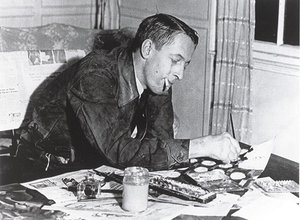
Edward Burra
1905 - 1976 , United Kingdom
プロフィール概要
- Birth Date: 1905
- Birth Place: South Kensington, United Kingdom
- Death Date: 1976
- Influenced By: Paul Nash, George Grosz
- Movement:
- Surrealism
- Dadaism
- Name: Edward Burra
- Nationality: British
- Notable Works:
- The Jungle
- Dancing Skeletons
- The Snack Bar
- Soldiers at Rye

