

 プレビュー
プレビュー
 プリントを購入
 シェアする
シェアする シェアする
シェアする
 詳細を見る
詳細を見る

 ダウンロード
 似ている作品
 X線調査
X線調査 スライドショー
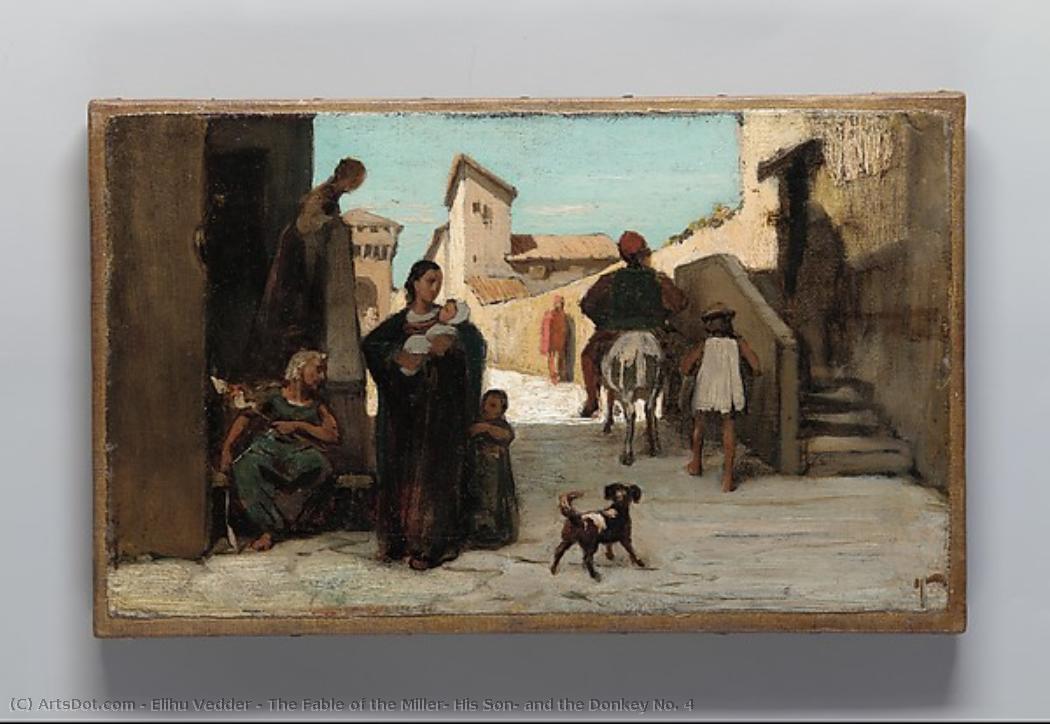
The Fable of the Miller, His Son, and the Donkey No. 4
 Oil On Canvas
- WallArt
- Symbolism
 1867
1867- 19th Century
 17.0 x 27.0 cm
 メトロポリタン美術館
 詳細を見る
詳細を見る




P118B $10

P118H $10

P118W $10

P438Z $10

P508JH $12

P508YH $12

P805H $10

P805Z $10

P919BZ $10

P919G $10

P919XJ $10

P959ZH $10

P968JZ $12

W106C $8

W218G $10

W218JH $8

W218Y $10

W307PJ $10

W316G $10

W316PJ $8

W316Y $10

W398PJ $8

W4111J $10

W500HY $15

W500JH $15

W692G $12

W849H $8

W940BG $15

W953PJ $8




作品のオリジナル比率に合わせた、当店の規定サイズからお選びください。

特定のフレームやスペースに合わせて、ご希望のサイズをご入力いただけます。選択されたサイズが元の画像の比率と異なる場合、アートワークをトリミングするか、手描きで要素を追加して絵画を拡張いたします。デジタルモックアップ を制作し、制作開始前にご確認(承認)をいただきます。
画面上のプレビューは、実際のトリミングや拡張を正確に反映しているものではありません。最終的な構図は、モックアップによってのみ正確にご確認いただけます。
カスタムサイズもご利用いただけますが、元の比率を維持するためには、あらかじめ用意されたリストからサイズを選択することをお勧めいたします。
ご注文後、ArtsDot.com チームより詳細な指示をお送りするとともに、仕上がりイメージ(モックアップ)をご提供いたします。


 ガラスオプションは、110cm未満のサイズでのみご利用いただけます。

The Fable of the Miller, His Son, and the Donkey No. 4
複製技法
複製画のサイズ
-


合計金額
$ 388
A Testament to Human Fallibility: Elihu Vedder's Masterpiece
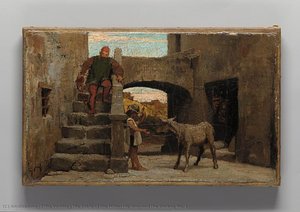
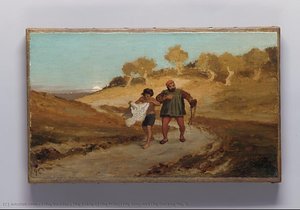
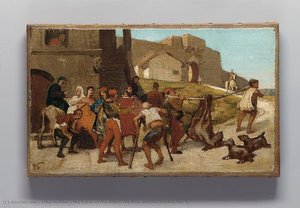
Elihu Vedder’s “The Fable of the Miller, His Son, and the Donkey No. 4,” painted in 1867, is more than just a depiction of Aesop’s timeless tale; it’s a profound meditation on human nature, societal judgment, and the inescapable consequences of our actions. Born amidst a complex family history – his parents cousins, his early years shaped by time spent in Cuba and between Schenectady and boarding school – Vedder’s artistic journey was fueled by an unwavering commitment to exploring the depths of the human psyche, often drawing inspiration from classical mythology and biblical narratives. This particular work, part of a series interpreting classic fables, stands as a poignant example of his signature style: a blend of realism tempered with Symbolist sensibilities, imbued with a melancholic beauty that lingers long after viewing.

A Scene from Rustic Italy: Composition and Technique
The painting unfolds within a meticulously rendered Italian landscape – a cobblestone street leading to modest buildings bathed in soft, diffused light. Vedder’s approach is distinctly realistic, yet subtly elevated; figures are presented with a flattened perspective, reminiscent of 19th-century Academic painting, but imbued with an emotional intensity that transcends mere representation. The composition is carefully structured, dividing the scene into distinct groups engaged in various activities: a central family group dominates the foreground, while other individuals – travelers, merchants, and onlookers – populate the background, creating a sense of bustling everyday life. Linear perspective guides the eye through the scene, defining architectural elements and outlining figures with precise detail. The artist’s impasto technique—the visible application of thick paint—adds texture and depth to the canvas, particularly evident in the rough surfaces of the buildings and the clothing worn by the characters. The muted color palette – earthy browns, ochres, and subtle blues – contributes to a sense of quiet contemplation and historical resonance.
Symbolism and Narrative Depth
Beyond its surface depiction of Aesop’s fable, “The Fable of the Miller, His Son, and the Donkey No. 4” carries profound symbolic weight. The story itself—a cautionary tale about the dangers of seeking approval and the futility of pleasing everyone—resonates deeply with human experience. The figures' attire – a blend of peasant garb and formal clothing – suggests a commentary on social hierarchies and the pressures of conformity. The donkey, central to the narrative, represents vulnerability and innocence, tragically sacrificed in the pursuit of external validation. Interestingly, Vedder’s choice to set the fable in Italy—a region steeped in artistic tradition and historical significance—adds another layer of meaning, evoking a sense of timelessness and universal themes. Furthermore, scholars have linked the painting's emotional core to Ivan the Terrible and His Son Ivan, a powerful depiction of paternal grief and regret that mirrors the tragic circumstances surrounding the Tsar’s death.
A Legacy of Visionary Art
Elihu Vedder (1836-1923) remains a pivotal figure in American art history, celebrated for his evocative Rubaiyat illustrations and dreamlike landscapes. His work reflects a deep engagement with Symbolism, Pre-Raphaelite influences, and the artistic legacy of the Italian Renaissance. “The Fable of the Miller, His Son, and the Donkey No. 4” exemplifies Vedder’s ability to seamlessly blend narrative storytelling with profound psychological insight. Today, reproductions of this captivating painting continue to inspire appreciation for its timeless themes and masterful execution, offering a window into the soul of one of America's most visionary artists.
関連作品
アーティストの略歴
初期の生活と芸術的訓練
- 生年: 1836年2月26日、アメリカ合衆国ニューヨーク市
- 没年: 1923年1月29日、イタリアローマ
エリヤ・ヴェダーは、両親が従兄弟という特異な家庭環境に生まれました。彼の幼少期は、父親の転居に伴うキューバでの滞在や、母方の祖父の家であるスケネクチディと寄宿学校の間を渡り歩くなど、多様な経験によって形作られていきました。当初は父親から懸念の声が上がったものの、ヴェダーの芸術への情熱は母親からの支援を得て育まれていきました。
- 初期の訓練: ヴェダーはニューヨーク市でトムpkins・H・マティソンのもと、正式な訓練を始めました。
- ヨーロッパでの学修: その後、パリでフランソワ=エドゥアール・ピコによって学びを深め、さらにイタリアへと渡ります。そこで彼は、イタリア・ルネサンスやマッキアリオリ派の画家たちから深い影響を受けました。
- イタリアの影響: イタリアでの日々は、同僚の画家ジョヴァンニ・コスタとの間に深い感情的な絆を育み、旅路へと駆り立てられました。しかし、経済的な制約が彼をアメリカへ帰還させることとなりました。
キャリアのハイライトと著名な作品
ヴェダーのキャリアは、絵画や版画といった視覚芸術から、壁画デザインや詩作に至るまで、多岐にわたる分野に及びました。彼はウォルト・ウィットマンやハーマン・メルヴィルといった著名な人物たちと友情を育みました。
- 『ルバイヤート』の挿絵: ヴェダーが最もよく知られているのは、エドワード・フィッツジェラルドによるオマール・ハイヤームの『ルバイヤート』(豪華版)に添えられた55点の挿絵です。これらは象徴主義芸術の傑作と見なされています。
- 幻想的な絵画: 「ロクの卵」、「漁師と精霊」、そして「海の蛇の棲み処」といった作品群は、彼の持つ先見的なスタイルと想像力豊かなテーマを見事に示しています。
- 壁画制作: 彼はワシントン図書館の閲覧室の廊下を、壮大な壁画で飾りました。
- ティファニーとの協働: ヴェダーはルイ・コンフォート・ティファニーと協力し、ティファニー社のためにガラス工芸品、モザイク、そして彫像などをデザインしました。
芸術様式と影響
ヴェダーの芸術様式を特徴づけているのは、その先見的な性質、ロマンチックなイメージ、そして東洋的な要素が頻繁に取り入れられている点です。
- 象徴主義: 彼は象徴主義運動における重要な人物であり、厳密な写実性よりも感情や個人の内面性を重視しました。
- プリラファエル派: イングランドでの経験は彼をプリラファエル兄弟団に触れさせ、その芸術様式をより明晰で緻密なものへと導きました。
- 英国およびアイルランドの神秘主義者たち: ウィリアム・ブレイクやウィリアム・バトラー・イーツらの作品から影響を受け、神秘主義や精神性への深い魅了を表現しています。
- イタリア・ルネサンスとマッキアリオリ派: イタリアでの学修は、彼が形、色彩、そして構図に対する理解を深める上で決定的な役割を果たしました。
遺産と晩年
ヴェダーの貢献は絵画という枠を超えてアメリカ美術に及んでいます。彼はイタリアで「イン・アルテ・リベルタス」グループの設立に尽力し、自伝的な考察や詩を含む多くの著作を残しました。
- 所属: ヴェダーはアメリカ芸術文学アカデミーの会員でした。
- 文芸活動: 彼は『Vの逸脱』(1910年)、『詩の中の雑多な気分』(1914年)、そして『疑念とその他のもの』(1922年)といった著作を発表しました。
- 晩年: ヴェダーは晩年を主にイタリアで過ごし、1923年にローマで亡くなるまで芸術の創造と執筆を続けました。彼の遺産は、今日なお観る者を魅了し続ける、あの情緒豊かな絵画や挿絵の中に生き続けています。
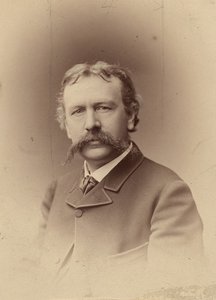
エリフ・ヴェダー
1836 - 1923 , アメリカ合衆国
基本情報
- Artistic Movement Or Style: 象徴主義、ロマン主義
- Artists Who Influenced This Artist:
- フランソワ=エドゥアール・ピコ
- ジョヴァンニ・コスタ
- ウィリアム・ブレイク
- ウィリアム・バトラー・イェイツ
- Date Of Birth: 1836年2月26日
- Date Of Death: 1923年1月29日
- Full Name: エリフ・ヴェダー
- Nationality: アメリカ人
- Notable Artworks:
- ロクの卵
- 漁師と精霊たち
- 海の蛇の棲み処
- ルバイヤート挿絵
- Place Of Birth: ニューヨーク市、米国
関連記事
Beyond Reality: Exploring the Mystical Depths of Symbolist Painting (1880-1910)
Explore the captivating world of Symbolist painting (1880-1910). Discover key artists like Moreau & Klimt, decode iconic motifs, and understand its lasting impact on modern art. Expert analysis for collectors.
Eugène Carrière: The 'Peintre d'Âme' & Symbolist Portraiture’s Intimate Vision
Explore the haunting world of Eugène Carrière, a pivotal French Symbolist artist known for his deeply intimate portraits & 'peinture d'âme'. Discover his life, style, and lasting influence on modern masters like Picasso. Shop high-quality reproductions at ArtsDot.
Giovanni Segantini: Capturing Alpine Light & Symbolist Visions
Explore the captivating world of Giovanni Segantini, master of Alpine landscapes & Symbolist art. Discover his innovative techniques, allegorical masterpieces like 'La Vita,' and enduring legacy. Learn about this pivotal 19th-century Italian painter.
The Evocative Realm of Symbolism: Exploring Meaning & Mysticism in Late 19th-Century Art
Explore the captivating world of Symbolism art! Discover key artists, defining themes & its lasting influence on modern movements. A deep dive into late 19th-century masterpieces.
Symbolism & the Subconscious: How 19th-Century Artists Painted Dreams and Emotion
Explore the evocative world of 19th-century Symbolism. Discover how masters like Gustave Moreau used dreams, myth, and metaphor to paint the subconscious, moving beyond realism to capture profound human emotion and spiritual truth.

