

 プレビュー
プレビュー
 シェアする
シェアする シェアする
シェアする
 詳細を見る
詳細を見る

 ダウンロード
 似ている作品
 X線調査
X線調査 スライドショー
 Stats
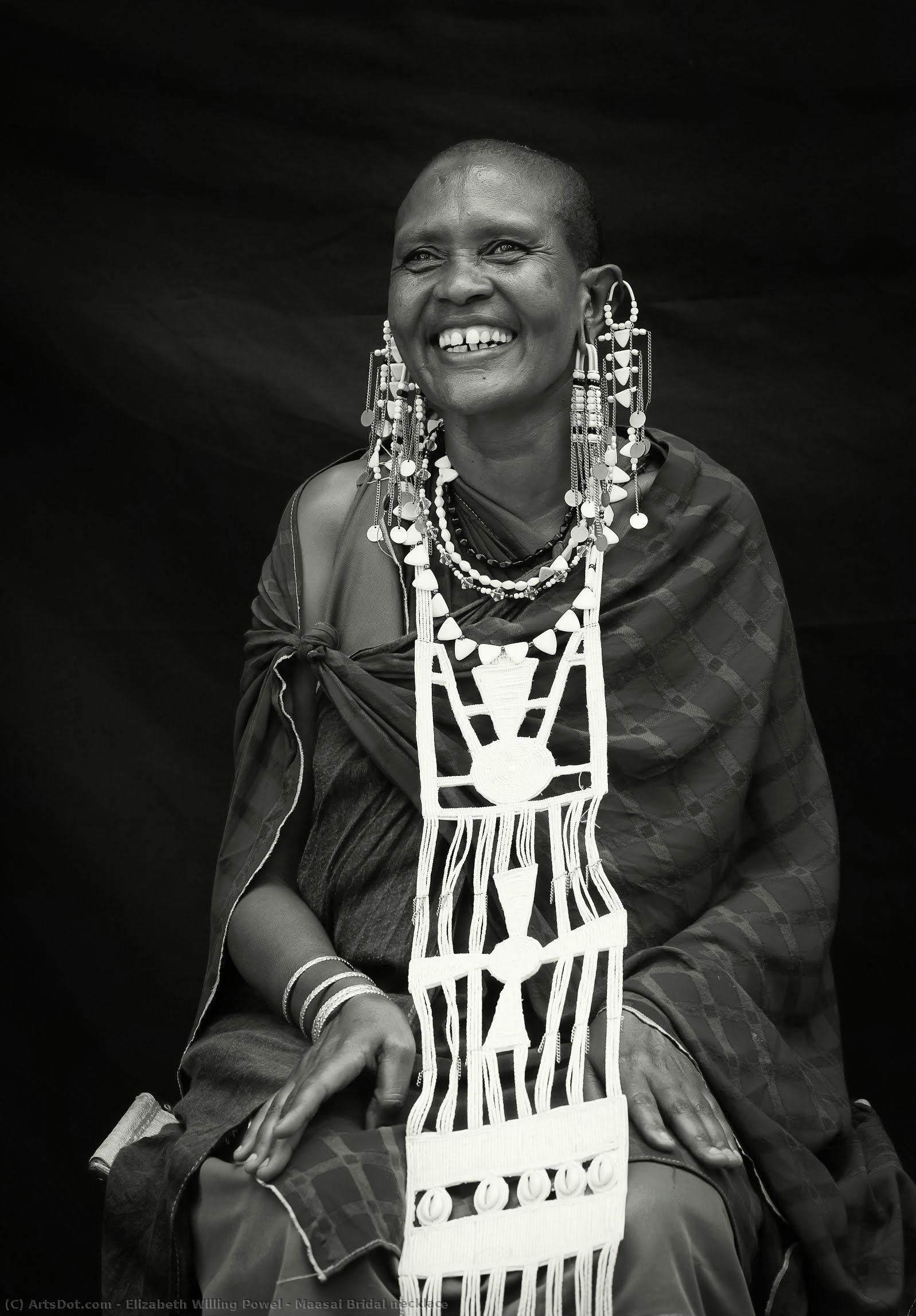
StatsMaasai Bridal necklace


 詳細を見る
詳細を見る
オンラインプレビューをはるかに凌ぐ、高解像度で鮮明なデジタル画像をご購入いただけます。
各ファイルは、社内の専門家が高度なツールと熟練した手作業によるレタッチを用いて、細心の注意を払って準備されています。すべての画像において、卓越した鮮明度、正確な色彩再現性、そして繊細なディテールを保証いたします。
最終ファイルは、プロフェッショナルな編集・印刷環境ですぐにご利用いただけるよう最適化された状態で、72時間以内にメールにてお届けいたします。これは、一流のデザインスタジオ、出版社、ギャラリーから信頼されているものと同等の品質です。
デジタルアート
個人での鑑賞、印刷、クリエイティブなプロジェクト用に、高解像度ファイルをダウンロードできます。 ( Switch to Print 手描きの絵画を購入)
デジタル画像のご注文に付随する特典
高品質なデジタル画像配信を、確かな品質で。
ArtsDot.com を選ぶことは、単に画像を手に入れることではありません。それは、プロの手によって精密に仕上げられ、満足保証が付いた高品質なデジタルアートワークを受け取ることを意味します。ご注文いただいた際に自動的に付随する内容は、以下の通りです:

メールですぐにお届け
ご注文から72時間以内に、高解像度のデジタル画像ファイルがメールでお手元に届きます。すぐにそのままご利用いただけます。

AI技術で最適化されたデジタルファイル
お客様の作品は、高度なAIツールと専門家による手作業の編集を組み合わせてプロフェッショナルに最適化されており、細部のディテール、鮮明さ、そして正確な色再現性を最大限に引き出しています。

一生涯無料の再送サービス
ファイルを誤って削除したり、紛失してしまったりしましたか?ご安心ください。いつでも無料で再送いたします。

輸入手数料は一切かかりません
関税や手数料、配送料を気にすることなく、お気に入りのアートワークをすぐにお楽しみいただけます。デジタルダウンロードは常に免税です。

色彩再現の保証
プロ仕様のツールとカラーマネジメント技術を用いることで、デジタル画像が元の色を最大限に忠実に再現することを保証いたします。

100日間満足保証
ご購入いただいたデジタル画像にご満足いただけない場合は、100日以内であれば、理由を問わず修正または100%の返金対応をさせていただきます。

100% 返金保証
ご満足いただけない場合は、デジタルファイルを受け取ってから100日以内であれば、理由を問わず全額返金いたします。

まとめ買い割引
3枚購入で10%OFF - 5枚購入で15%OFF - 10枚以上購入で20%OFF。クリエイティブなプロジェクト、ギャラリー、エージェンシーに最適です。
関連作品










作家の略歴
Elizabeth Willing Powel: A Philadelphia Patroness and Pioneer of Feminist Thought
Elizabeth Willing Powel (1743-1830) stands as a remarkable figure in the annals of American history—not merely for her social standing within Philadelphia’s elite, but for her unwavering advocacy of women's rights and education during a pivotal era. Born into a wealthy merchant family on February 21st, 1743, Elizabeth’s life unfolded against the backdrop of colonial America’s burgeoning independence movement, shaping her legacy as one of its most influential voices.- Early Life & Family: Elizabeth descended from prominent Quaker families known for their mercantile success. Her father, Charles Willing, served as mayor twice, demonstrating his family's influence in civic affairs. She had five elder siblings and five younger ones, fostering a familial environment that prioritized education and intellectual pursuits. Notably, her brother Thomas would later become Philadelphia’s mayor—a testament to the Willing family’s commitment to leadership and social responsibility.
- Marriage & Domestic Life: Elizabeth married Samuel Powel in 1769, uniting two of Philadelphia's wealthiest families. Their union solidified their position within society and provided Samuel with considerable resources for business ventures. Together they raised a nephew, John Hare Powel, establishing a home on Chestnut Street near Independence Hall—a location that would become synonymous with the intellectual ferment of the time.
The Salonnière & Intellectual Engagement
Elizabeth Willing Powel’s true significance resided in her role as a salonnière – a hostess who cultivated gatherings frequented by prominent thinkers and politicians. Her home became a crucible for debate concerning matters of state, philosophy, and the burgeoning movement for women's emancipation. Unlike many women of her era confined to domestic roles, Elizabeth actively participated in public discourse, challenging conventional notions of femininity and advocating for greater access to education—a stance that foreshadowed the feminist ideals of later generations. Her correspondence with luminaries like George Washington and Benjamin Franklin exemplifies this engagement, demonstrating her ability to persuade influential figures on matters of importance.- Correspondence & Influence: Elizabeth’s letters reveal a keen intellect and a desire for reasoned discussion. Perhaps most famously, she posed a provocative question to Franklin— “What have we got, a republic or a monarchy?”—a query that encapsulated the anxieties surrounding the Constitution's ratification process and underscored her commitment to republican principles.
- The Powel House & Intellectual Hub: The Powel House served as a focal point for Philadelphia’s intellectual life during the Republican Court era. It hosted gatherings attended by writers, artists, and statesmen—creating an environment conducive to fostering new ideas and challenging established orthodoxies.
Artistic Patronage & Ethnographic Studies
Elizabeth Willing Powel wasn't simply a social figure; she was also an artistically inclined woman who actively supported the arts and championed cultural understanding. Her fascination with ethnographic studies—particularly her interest in Maasai culture—manifested in her commissioning of artwork depicting scenes from Africa, reflecting a broader humanist impulse prevalent during the Enlightenment. She recognized the importance of documenting diverse cultures and promoting empathy across geographical boundaries. The resulting paintings offer valuable insights into the artistic tastes and intellectual curiosity of her time.- Maasai Art Collection: Powel’s dedication to Maasai culture resulted in a significant art collection—a testament to her appreciation for visual representation and cultural diversity.
- Symbolism & Representation: Her choice of subjects and artistic style speaks volumes about the values she held dear—values rooted in reason, observation, and an openness to unfamiliar perspectives.
Legacy & Historical Significance
Elizabeth Willing Powel’s influence extended far beyond her immediate social circle. She served as a catalyst for intellectual debate and championed the cause of women's rights—laying groundwork for future generations of feminists. Her unwavering conviction in republican ideals, embodied in her memorable exchange with Franklin, continues to resonate today. Furthermore, the Powel House itself stands as a tangible reminder of Philadelphia’s vibrant cultural landscape during the founding era—a museum dedicated to preserving its architectural heritage and showcasing its artistic treasures. Elizabeth Willing Powel remains an enduring symbol of intellectual curiosity, social activism, and the pursuit of knowledge—a woman who dared to challenge convention and shape the course of American history.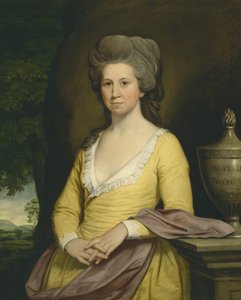
elizabeth willing powel
1743 - 1830 , United States of America
プロフィール概要
- Artistic Movement Or Style: Portraiture
- Artists Or Movements Influenced By This Artist: ['Republican Court']
- Artists Who Influenced This Artist:
- George Washington
- Benjamin Franklin
- Date Of Birth: February 21, 1743
- Date Of Death: January 17, 1830
- Full Name: Elizabeth Willing Powel
- Nationality: American
- Notable Artworks:
- Maasai Bridal necklace
- White, a favourite of Tanzanian Maasai
- Place Of Birth: Philadelphia, United States