

 プレビュー
プレビュー
 シェアする
シェアする シェアする
シェアする
 詳細を見る
詳細を見る

 ダウンロード
 似ている作品
 X線調査
X線調査 スライドショー
 Stats
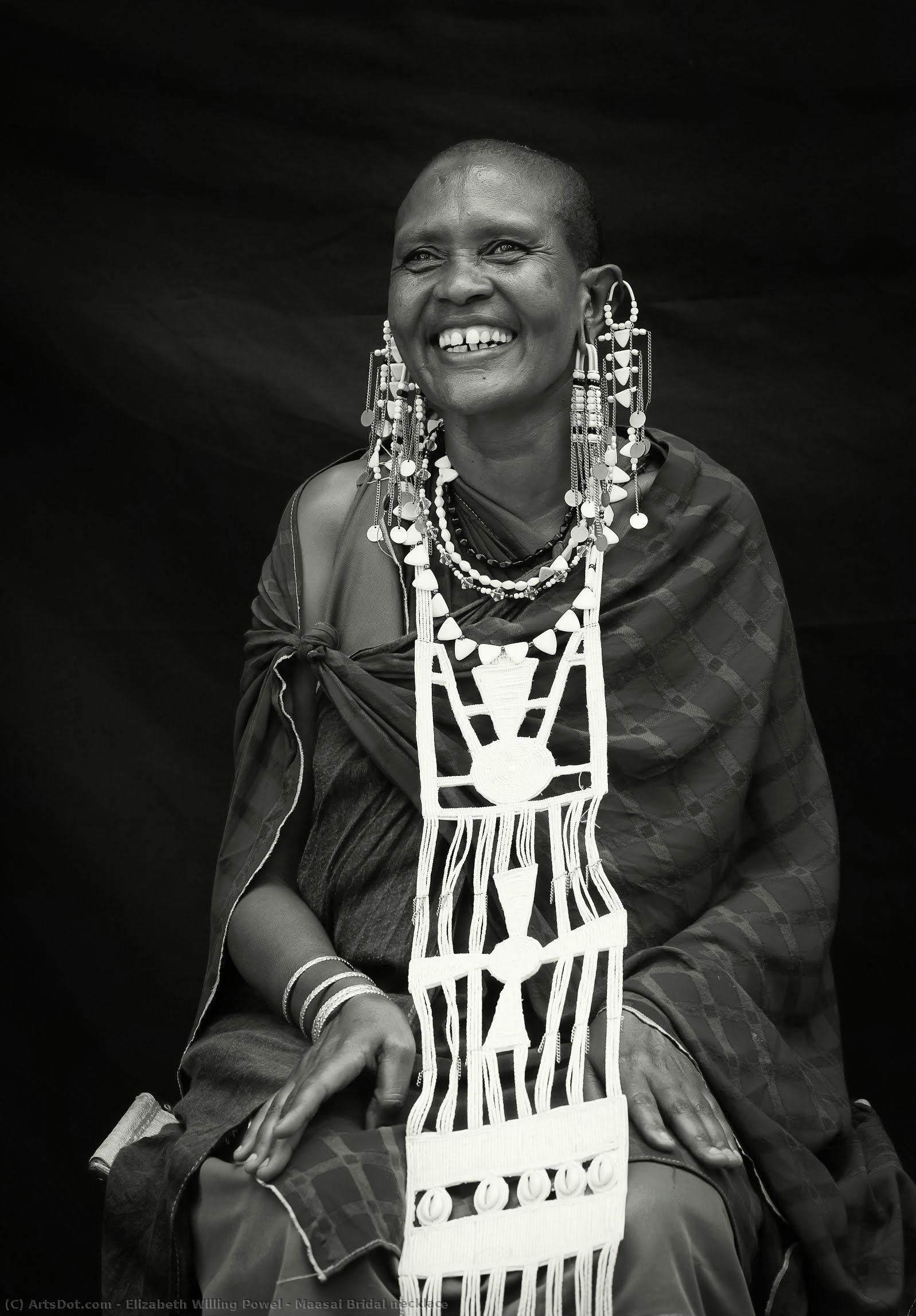
StatsMaasai Bridal necklace


 詳細を見る
詳細を見る
ジークレー/アートプリント
迅速な制作と多彩な仕上げオプションを備えた、ミュージアムクオリティのジークレーまたはキャンバスプリント。 ( 手描きの絵画を購入 Switch to Digital Image)




































作品のオリジナル比率に合わせた、当店の規定サイズからお選びください。

特定のフレームやスペースに合わせて、ご自身でサイズを指定することも可能です。選択されたサイズが元の画像の比率と一致しない場合、作品をトリミングするか、鏡面反射または単色での塗りつぶしによって画像を拡張いたします。制作を開始する前に、ご確認用のデジタルモックアップをお送りいたします。
画面上のプレビューには、実際のトリミングや拡張は反映されませんのでご注意ください。最終的な構図を正確に確認できるのは、モックアップのみとなります。
カスタムサイズも承っておりますが、元の比率を維持するためには、あらかじめ用意されたリストからサイズを選択することをお勧めいたします。


 ガラスオプションは、110cm未満のサイズでのみご利用いただけます。

Maasai Bridal necklace
ジークレー/アートプリント
複製画のサイズ
-


合計金額
$ 62
関連作品










アーティストの略歴
Elizabeth Willing Powel: A Philadelphia Patroness and Pioneer of Feminist Thought
Elizabeth Willing Powel (1743-1830) stands as a remarkable figure in the annals of American history—not merely for her social standing within Philadelphia’s elite, but for her unwavering advocacy of women's rights and education during a pivotal era. Born into a wealthy merchant family on February 21st, 1743, Elizabeth’s life unfolded against the backdrop of colonial America’s burgeoning independence movement, shaping her legacy as one of its most influential voices.- Early Life & Family: Elizabeth descended from prominent Quaker families known for their mercantile success. Her father, Charles Willing, served as mayor twice, demonstrating his family's influence in civic affairs. She had five elder siblings and five younger ones, fostering a familial environment that prioritized education and intellectual pursuits. Notably, her brother Thomas would later become Philadelphia’s mayor—a testament to the Willing family’s commitment to leadership and social responsibility.
- Marriage & Domestic Life: Elizabeth married Samuel Powel in 1769, uniting two of Philadelphia's wealthiest families. Their union solidified their position within society and provided Samuel with considerable resources for business ventures. Together they raised a nephew, John Hare Powel, establishing a home on Chestnut Street near Independence Hall—a location that would become synonymous with the intellectual ferment of the time.
The Salonnière & Intellectual Engagement
Elizabeth Willing Powel’s true significance resided in her role as a salonnière – a hostess who cultivated gatherings frequented by prominent thinkers and politicians. Her home became a crucible for debate concerning matters of state, philosophy, and the burgeoning movement for women's emancipation. Unlike many women of her era confined to domestic roles, Elizabeth actively participated in public discourse, challenging conventional notions of femininity and advocating for greater access to education—a stance that foreshadowed the feminist ideals of later generations. Her correspondence with luminaries like George Washington and Benjamin Franklin exemplifies this engagement, demonstrating her ability to persuade influential figures on matters of importance.- Correspondence & Influence: Elizabeth’s letters reveal a keen intellect and a desire for reasoned discussion. Perhaps most famously, she posed a provocative question to Franklin— “What have we got, a republic or a monarchy?”—a query that encapsulated the anxieties surrounding the Constitution's ratification process and underscored her commitment to republican principles.
- The Powel House & Intellectual Hub: The Powel House served as a focal point for Philadelphia’s intellectual life during the Republican Court era. It hosted gatherings attended by writers, artists, and statesmen—creating an environment conducive to fostering new ideas and challenging established orthodoxies.
Artistic Patronage & Ethnographic Studies
Elizabeth Willing Powel wasn't simply a social figure; she was also an artistically inclined woman who actively supported the arts and championed cultural understanding. Her fascination with ethnographic studies—particularly her interest in Maasai culture—manifested in her commissioning of artwork depicting scenes from Africa, reflecting a broader humanist impulse prevalent during the Enlightenment. She recognized the importance of documenting diverse cultures and promoting empathy across geographical boundaries. The resulting paintings offer valuable insights into the artistic tastes and intellectual curiosity of her time.- Maasai Art Collection: Powel’s dedication to Maasai culture resulted in a significant art collection—a testament to her appreciation for visual representation and cultural diversity.
- Symbolism & Representation: Her choice of subjects and artistic style speaks volumes about the values she held dear—values rooted in reason, observation, and an openness to unfamiliar perspectives.
Legacy & Historical Significance
Elizabeth Willing Powel’s influence extended far beyond her immediate social circle. She served as a catalyst for intellectual debate and championed the cause of women's rights—laying groundwork for future generations of feminists. Her unwavering conviction in republican ideals, embodied in her memorable exchange with Franklin, continues to resonate today. Furthermore, the Powel House itself stands as a tangible reminder of Philadelphia’s vibrant cultural landscape during the founding era—a museum dedicated to preserving its architectural heritage and showcasing its artistic treasures. Elizabeth Willing Powel remains an enduring symbol of intellectual curiosity, social activism, and the pursuit of knowledge—a woman who dared to challenge convention and shape the course of American history.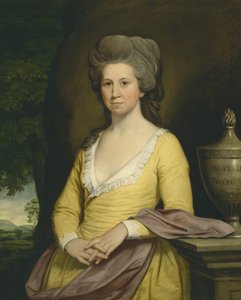
elizabeth willing powel
1743 - 1830 , United States of America
基本情報
- Artistic Movement Or Style: Portraiture
- Artists Or Movements Influenced By This Artist: ['Republican Court']
- Artists Who Influenced This Artist:
- George Washington
- Benjamin Franklin
- Date Of Birth: February 21, 1743
- Date Of Death: January 17, 1830
- Full Name: Elizabeth Willing Powel
- Nationality: American
- Notable Artworks:
- Maasai Bridal necklace
- White, a favourite of Tanzanian Maasai
- Place Of Birth: Philadelphia, United States