

 プレビュー
プレビュー
 プリントを購入
 シェアする
シェアする シェアする
シェアする
 詳細を見る
詳細を見る

 ダウンロード
 似ている作品
 X線調査
X線調査 スライドショー
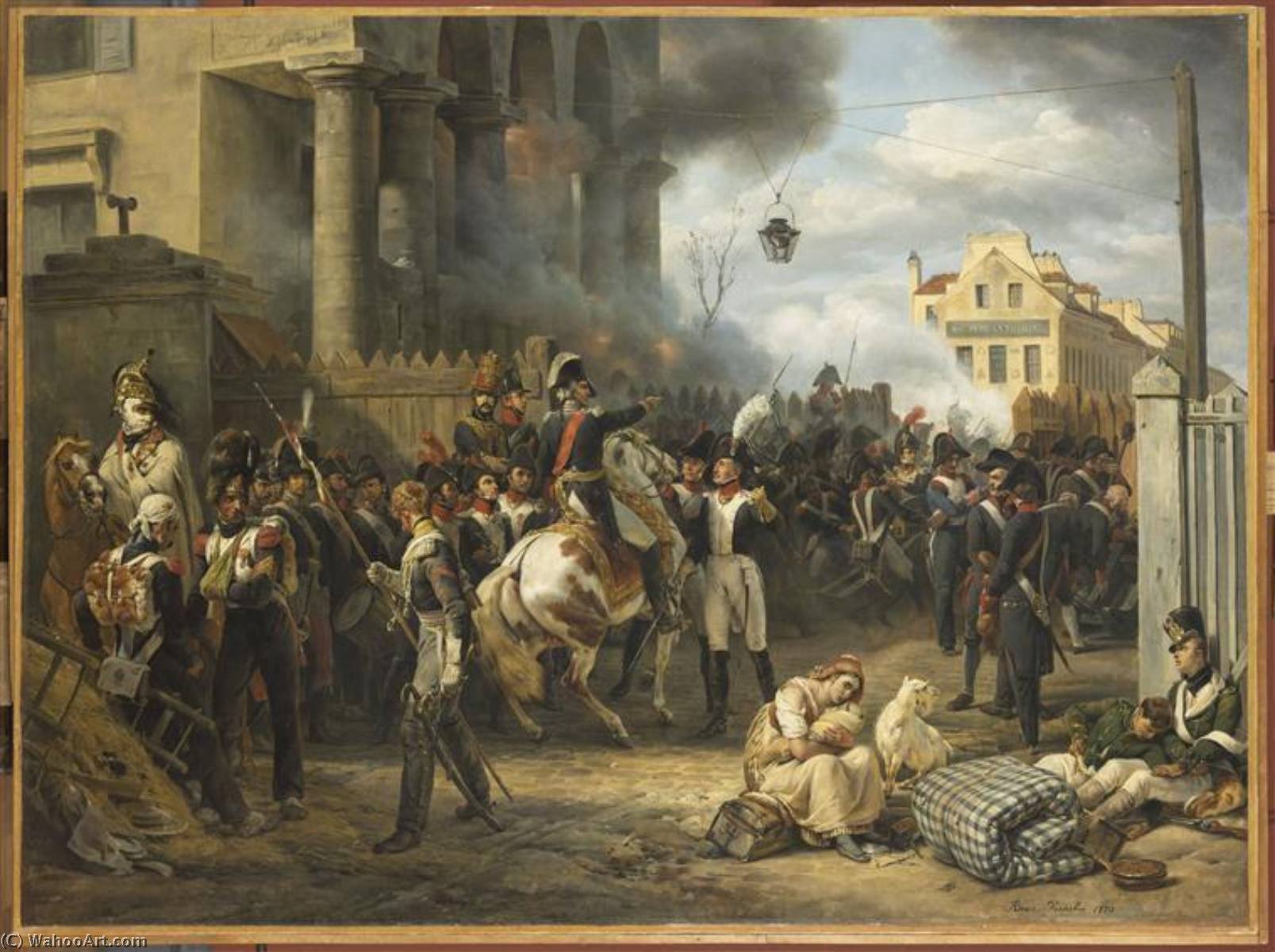
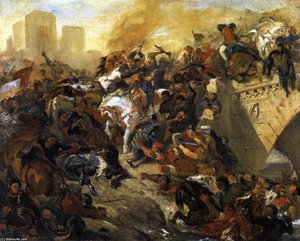
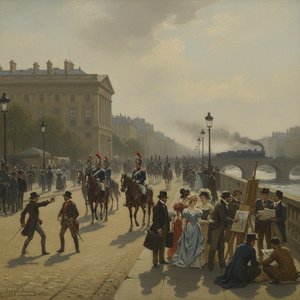
La barrière de Clichy. Défense de Paris, le 30 mars 1814


 詳細を見る
詳細を見る




P118B $10

P118H $10

P118W $10

P438Z $10

P508JH $12

P508YH $12

P805H $10

P805Z $10

P919BZ $10

P919G $10

P919XJ $10

P959ZH $10

P968JZ $12

W106C $8

W218G $10

W218JH $8

W218Y $10

W307PJ $10

W316G $10

W316PJ $8

W316Y $10

W398PJ $8

W4111J $10

W500HY $15

W500JH $15

W692G $12

W849H $8

W940BG $15

W953PJ $8




作品のオリジナル比率に合わせた、当店の規定サイズからお選びください。

特定のフレームやスペースに合わせて、ご希望のサイズをご入力いただけます。選択されたサイズが元の画像の比率と異なる場合、アートワークをトリミングするか、手描きで要素を追加して絵画を拡張いたします。デジタルモックアップ を制作し、制作開始前にご確認(承認)をいただきます。
画面上のプレビューは、実際のトリミングや拡張を正確に反映しているものではありません。最終的な構図は、モックアップによってのみ正確にご確認いただけます。
カスタムサイズもご利用いただけますが、元の比率を維持するためには、あらかじめ用意されたリストからサイズを選択することをお勧めいたします。
ご注文後、ArtsDot.com チームより詳細な指示をお送りするとともに、仕上がりイメージ(モックアップ)をご提供いたします。


 ガラスオプションは、110cm未満のサイズでのみご利用いただけます。

La barrière de Clichy. Défense de Paris, le 30 mars 1814
複製技法
複製画のサイズ
-


合計金額
$ 488
A Chronicle of Courage: Vernet’s “La Barrière de Clichy”
Horace Vernet's "La Barrière de Clichy. Défense de Paris, le 30 mars 1814" isn’t merely a painting; it’s a visceral snapshot of a pivotal moment in French history – the desperate defense of Paris against the encroaching forces of Napoleon’s Russian army. Completed in 1820, this monumental canvas transports us directly to the heart of the battle, capturing not just the physical chaos but also the palpable tension and unwavering resolve of the besieged city's defenders. Vernet, a master of depicting military scenes, elevates this particular event into a timeless allegory of resistance and national pride, forever etching itself within the French artistic canon.
The painting’s genesis is deeply intertwined with personal experience. Vernet himself participated in the defense of Paris as a member of the National Guard, an event that profoundly shaped his artistic vision. This firsthand involvement imbues the work with an authenticity rarely found in historical paintings—a sense of immediacy and emotional weight. The commission came from Jean-Baptiste-Claude Odiot, a goldsmith who, like Vernet, had bravely fought alongside the soldiers at the Clichy barricade. This connection adds another layer of narrative richness, transforming the painting into a testament to shared sacrifice and camaraderie.
A Symphony of Gray: Composition and Technique
Vernet’s masterful composition immediately draws the viewer into the maelstrom of battle. The scene unfolds across a dynamic diagonal, leading our eye from the foreground – littered with fallen soldiers and the debris of war – towards the central figure of Marshal Michel Ney, commanding the defense atop a rearing horse. This strategic arrangement creates a powerful sense of movement and urgency, mirroring the frenetic energy of the conflict itself. The artist employs a technique characteristic of his later work: a dramatic realism tempered by Romantic intensity. Thick, visible brushstrokes build texture onto the canvas, conveying the roughness of uniforms, the grit of the barricade, and the smoke-filled sky.
Color plays a crucial role in establishing the painting’s mood. Vernet predominantly utilizes a muted palette dominated by grays, browns, blues, and whites—a deliberate choice that reflects the grim reality of war. Strategic splashes of red – from bloodstains and uniforms – punctuate the scene, adding dramatic contrast and emphasizing the violence of the conflict. The diffused lighting, reminiscent of an overcast day, further contributes to the painting’s somber atmosphere, underscoring the sense of impending doom.
Symbolism Woven into the Battlefield
Beyond its immediate depiction of a historical event, “La Barrière de Clichy” is rich in symbolic meaning. The barricade itself represents the last bastion of resistance against an overwhelming enemy—a symbol of French tenacity and determination. The fallen soldiers in the foreground serve as poignant reminders of the human cost of war, their bodies embodying sacrifice and courage. Marshal Ney’s commanding presence embodies leadership and strategic thinking, while his horse symbolizes power and authority.
Furthermore, the painting subtly references the broader historical context. The battle at Clichy was a key engagement in the larger Battle of Paris, which ultimately led to Napoleon's defeat and the restoration of the Bourbon monarchy. By depicting this pivotal moment with such dramatic intensity, Vernet elevates it into a national myth—a celebration of French heroism and resilience.
A Legacy of Realism and Romanticism
“La Barrière de Clichy” stands as a testament to Horace Vernet’s artistic genius – a masterful synthesis of realism and Romanticism. His ability to capture the raw emotion and visceral impact of battle, combined with his technical skill and dramatic composition, cemented his reputation as one of France's most celebrated military painters. The painting’s enduring appeal lies not only in its historical significance but also in its timeless depiction of courage, sacrifice, and the indomitable spirit of a nation defending its freedom.
Reproductions of this powerful artwork offer an exceptional opportunity to bring this dramatic scene into any interior space, serving as a poignant reminder of France’s rich history and artistic heritage. Its commanding presence and evocative imagery will undoubtedly captivate viewers and spark conversation for generations to come.
関連作品
アーティストの略歴
エミール・ジャン=オラス・ヴェルネ:色彩に刻まれた生涯
幼少期と芸術的血統
エミール・ジャン=オラス・ヴェルネは、1789年6月30日、フランスのパリに生を受けました。驚くべきことに、その誕生の地はフランス革命の渦中にあったルーヴル宮殿でした。両親がそこに居住していたためです。彼は極めて高貴な芸術的血統を継承していました。父は名高い画家カール・ヴェルネであり、祖父は海洋風景画で名を馳せたクロード=ジョゼフ・ヴェルネでした。この家族の背景は、彼の幼少期における芸術への接触を決定づけ、その後の輝かしいキャリアの揺るぎない礎となったのです。芸術的発展と初期のインスピレーション
ヴェルネは、アカデミックな古典主義が重んじる高潔で厳格な精神に従うよりも、むしろ同時代の生きた営みを描くことに情熱を見出していきました。彼は理想化された表現を拒絶し、より写実的で、人々の日常に根ざしたスタイルを好みました。ナポレオン・ボナパルトの統治下において、彼はフランス兵たちを、かつてのダヴィッド的な壮大なアプローチとは一線を画す、親しみやすさを湛えた眼差しで描き始めました。「塹壕陣地の陥落」といった初期の作品には、彼の発展しつつあった個性と、物事をありのままに捉える直截な姿勢が鮮やかに示されています。また、戦争の現実や軍隊生活を間近で観察した経験も、彼の芸術的進化に深い影響を与えました。王政復古期における躍進
ブルボン復古王政は、ヴェルネに大きな名声をもたらしました。彼はオルレアン公(後の国王ルイ・フィリップ)から、戦役を描いた一連の依頼を受けました。批評家たちは、彼の筆致の速さと正確さに感銘を受け、その作品が歴史的な細部と魅力的な風景画を融合させている点を高く評価しました。「ジェマップの戦い」、「モンミライの戦い」、「ハノーの戦い」、「ヴァルミーの戦い」を含む「四つの戦役」シリーズは、彼をこの時代の筆頭的な戦闘画家としての地位に押し上げたのです。ローマ・フランス・アカデミーの館長として
ヴェルネの才能と名声は、1829年から1835年までの間、彼をローマ・フランス・アカデズムの館長へと導きました。この期間、彼は古典的な芸術や建築を深く研究することができ、その技術をさらに洗練させ、芸術的視野を広げました。しかし、フランスへ帰国した後も、彼は一貫して現代的な主題を描き続けるという信念を持ち続けていました。ルイ・フィリップと第二帝政期における庇護
国王ルイ・フィリップはヴェルネの熱心なパトロンとなり、わずか3年のうちにヴェルサイユ宮殿のコンスタンタンの間全体を装飾するよう彼に依頼しました。これらの絵画には、アルジェリアにおけるフランスの植民地化が描かれ、軍事征服や「文明化」の試みの場面が表現されました。1848年の革命後、ナポレオン3世もまた彼の支持者となり、第二帝政期においてもヴェルネへの依頼は続きました。彼は写実主義への献身を維持しながら、フランス軍の英雄的な姿を描き続けました。クリミア戦争と晩年
ヴェルネはクリミア戦争においてフランス軍に同行し、「アルマの戦い」などの作品を残しました。これらの作品は初期の傑作ほどには評価されなかったものの、現代の出来事を記録しようとする彼の献身的な姿勢を物語っています。彼は、ある絵画の中に不人気な将軍を描かないでほしいという要求に対し、歴史的真実への忠誠を理由に拒絶したという有名な逸話も残しています。主要な業績と歴史的重要路
- ヴェルネによる兵士や戦闘シーンの写実的な描写は、フランスにおける軍事画に革命をもたらしました。
- 彼の作品は、19世紀フランスの社会、政治、そして植民地拡大の歩みを理解するための貴重な洞察を与えてくれます。
- 彼は歴史的な正確さと芸術的な華やかさを巧みに融合させ、見る者を惹きつける視覚的に強烈な構図を作り上げました。
- 彼の絵画は強力なプロパガンダの道具としても機能し、フランス軍とその遠征に対する大衆の認識を形作りました。
遺産
エミール・ジャン=オラス・ヴェルネは、1863年1月17日、パリでその生涯を閉じました。彼の作品は、その歴史的価値と芸術的功績ゆえに、今なお研究され、称賛され続けています。また、大衆文化においては、シャーロック・ホームズの親族であるという興味深い伝承(アーサー・コナン・ドイルの短編「ギリシャ語通訳人の冒険」による)としても知られています。ヴェルネが遺した真のレガシーは、戦争、植民地主義、そして日々の営みを、鮮烈かつ写実的、そして時にドラマチックに描き出すことで、19世紀フランスの精神を捉えきったその力にあります。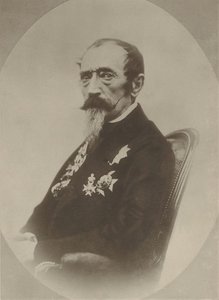
エミール・ジャン=オラス・ヴェルネ
1789 - 1863 , フランス
基本情報
- Birth Date: 1789年
- Death Date: 1863年
- Influenced By:
- カール・ヴェルネ
- クロード=ジョゼフ・ヴェルネ
- Movement:
- ロマン主義
- オリエンタリズム
- Name: エミール・ジャン=オラス・ヴェルネ
- Nationality: フランス
- Notable Works:
- ヴァルミーの戦い
- ポーランドのプロメテウス
- 画家の工房
- 死の天使
関連記事
Émile Jean Horace Vernet: Romantic Realism & Depicting 19th-Century Life
Explore the life & art of Émile Jean Horace Vernet, a master of Romantic Realism. Discover his captivating battle scenes, portraits, and Orientalist works – a window into 19th-century France. Learn about his techniques & enduring legacy.

The Enduring Legacy of Oil on Canvas: Technique, History & Aesthetic Impact
Explore the rich history & techniques of oil painting – from Renaissance masters to Impressionism. Discover pigments, layering methods, and why this timeless medium endures. Expert insights for artists & art enthusiasts.

Oil on Canvas: A Historical & Technical Exploration of a Timeless Artistic Medium
Explore the rich history & enduring techniques of oil painting on canvas. Discover the science behind its longevity, conservation practices, and contemporary relevance. Expert insights for art enthusiasts.

The Enduring Power of Painting: A Historical & Contemporary Exploration of Form and Emotion
Explore the rich history & enduring techniques of oil painting with ArtsDot. Discover masterpieces, learn about art collecting, and find authentic handmade reproductions crafted by skilled artists.

油彩のキャンバス:技法、歴史、そして現代の実践 - 古典美術愛好家へ
油彩の技法、歴史、巨匠たちの秘密を徹底解説。古典美術愛好家向けに、初期フランドル絵画から現代の実践まで深く掘り下げます。ArtsDotで高品質な複製画やカスタムオーダーも承ります。

