

 プレビュー
プレビュー
 シェアする
シェアする シェアする
シェアする
 詳細を見る
詳細を見る

 ダウンロード
 似ている作品
 X線調査
X線調査 スライドショー
 Stats
StatsCasita al Mar


 詳細を見る
詳細を見る
ジークレー/アートプリント
迅速な制作と多彩な仕上げオプションを備えた、ミュージアムクオリティのジークレーまたはキャンバスプリント。 ( 手描きの絵画を購入 Switch to Digital Image)




P118B $10

P118H $10

P118W $10

P438Z $10

P508JH $12

P508YH $12

P805H $10

P805Z $10

P919BZ $10

P919G $10

P919XJ $10

P959ZH $10

P968JZ $12

W106C $8

W218G $10

W218JH $8

W218Y $10

W307PJ $10

W316G $10

W316PJ $8

W316Y $10

W398PJ $8

W4111J $10

W500HY $15

W500JH $15

W692G $12

W849H $8

W940BG $15

W953PJ $8




作品のオリジナル比率に合わせた、当店の規定サイズからお選びください。

特定のフレームやスペースに合わせて、ご自身でサイズを指定することも可能です。選択されたサイズが元の画像の比率と一致しない場合、作品をトリミングするか、鏡面反射または単色での塗りつぶしによって画像を拡張いたします。制作を開始する前に、ご確認用のデジタルモックアップをお送りいたします。
画面上のプレビューには、実際のトリミングや拡張は反映されませんのでご注意ください。最終的な構図を正確に確認できるのは、モックアップのみとなります。
カスタムサイズも承っておりますが、元の比率を維持するためには、あらかじめ用意されたリストからサイズを選択することをお勧めいたします。


 ガラスオプションは、110cm未満のサイズでのみご利用いただけます。

Casita al Mar
ジークレー/アートプリント
複製画のサイズ
-


合計金額
$ 62
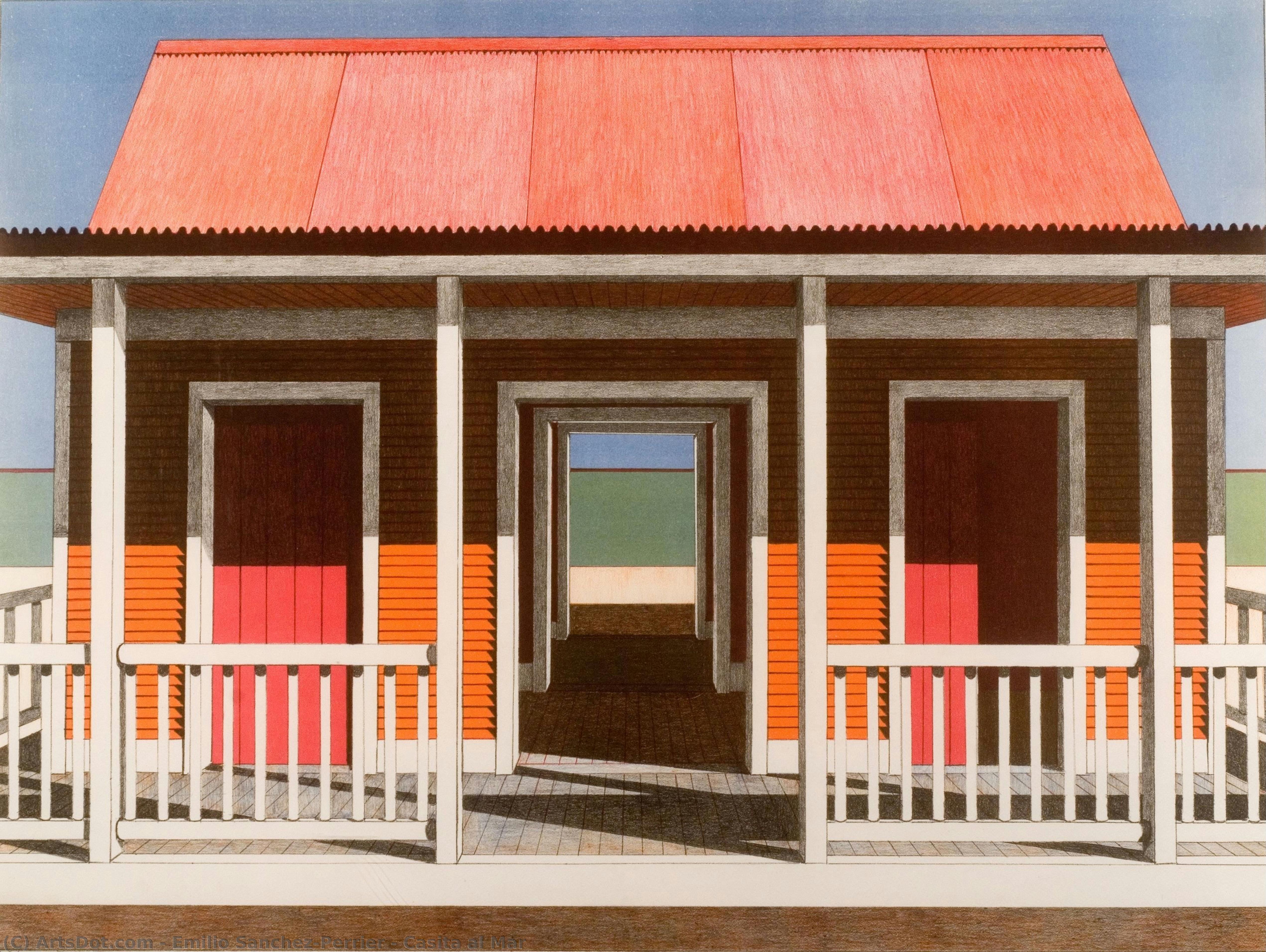
A Reverie in Red and Ochre: Exploring Emilio Sánchez Perrier’s “Casita al Mar”
Emilio Sánchez Perrier's "Casita al Mar" isn't merely a depiction of a coastal dwelling; it’s an immersion into memory, a carefully constructed echo of the architectural soul of Cuba. Painted in 1974, this artwork embodies the artist’s signature style – a deliberate reduction to essential forms, prioritizing the interplay of verticals and horizontals that create a powerfully linear composition. The painting's vibrant palette, dominated by rich reds and oranges punctuated with crisp white trim, immediately draws the eye, inviting contemplation of its geometric precision.
- Architectural Roots: Sánchez’s “casitas,” as he termed them, are deeply rooted in the nostalgic recollection of Cuban vernacular architecture. Carol Damian notes that these structures "are formed from memory of Cuban architecture," suggesting a profound connection to his homeland and its distinctive aesthetic.
- Geometric Harmony: The artist's training at the Art Students League in New York City, coupled with his fascination for color and shadow manipulation, resulted in compositions that are strikingly geometric and almost abstract. This deliberate approach elevates the humble house into a study of form and light.
- A Touch of Fortuny: Sánchez’s early mentorship with Mariano Fortuny proved pivotal. Fortuny's influence – characterized by a vibrant palette and meticulous attention to detail – is undeniably present in "Casita al Mar," contributing to the painting’s luminous quality and sophisticated technique.
Decoding the Symbolism of Space
"Casita al Mar" transcends a simple representation of a building; it's an exploration of domesticity, tranquility, and perhaps even a yearning for simpler times. The large open doorway acts as a portal, inviting the viewer into a space that feels both welcoming and slightly removed. The bench within the interior suggests a place for quiet reflection, while the chair near the entrance hints at moments of social connection. This carefully arranged composition speaks to the fundamental human need for shelter, comfort, and community.
- The Open Doorway: Symbolically, the open doorway represents opportunity, invitation, and a connection between the interior world and the expansive sea beyond.
- The Bench & Chair: These elements reinforce the theme of domesticity and relaxation, suggesting a space designed for respite and contemplation.
Technique and Artistic Vision
Sánchez Perrier’s mastery is evident in his precise rendering of form and light. The use of color is not haphazard; it's deliberately employed to create depth, volume, and a sense of atmosphere. The sharp contrasts between the warm reds and oranges and the cool white trim heighten the visual impact, drawing attention to the building’s architectural details. His technique reflects a meticulous approach honed through years of training and a deep understanding of artistic principles.
- Linear Emphasis: The dominant use of straight lines creates a sense of order and stability, reflecting the artist's deliberate control over composition.
- Color as Form: Sánchez Perrier skillfully uses color not just for decorative effect but as an integral element in defining form and creating spatial illusion.
A Legacy of Light and Memory
"Casita al Mar" stands as a testament to Emilio Sánchez Perrier’s artistic vision – a fusion of technical skill, architectural sensibility, and deeply personal nostalgia. Created during a period of significant change in his life, the painting offers a poignant glimpse into his enduring connection to Cuba and his ability to translate memory into a powerfully evocative work of art. This piece is more than just a beautiful image; it’s an invitation to step into a world of light, color, and timeless beauty.
関連作品
アーティストの略歴
A Life Painted in Light: The World of Emilio Sánchez Perrier
Emilio Sánchez Perrier, born in the vibrant heart of Seville in 1855, was an artist destined to capture the ephemeral beauty of light and atmosphere. His journey began not with a brush in hand, but amidst the precise workings of his father’s clockmaking shop. Yet, even within the meticulous world of gears and springs, a creative spirit stirred, leading him toward formal training at the School of Fine Arts in Seville and later, Madrid. These formative years laid a solid foundation, instilling in him a dedication to technique that would become a hallmark of his style. However, it was a pivotal encounter with Mariano Fortuny in Granada in 1871 that truly ignited his artistic vision. Fortuny’s influence – a vibrant palette and an acute attention to detail – became deeply embedded within Perrier's evolving aesthetic. This early mentorship proved crucial, shaping the direction of his career as he embraced landscape painting and watercolor with increasing passion.Parisian Horizons and Artistic Refinement
The allure of Paris beckoned in 1879, offering Sánchez Perrier a gateway to new artistic horizons. He immersed himself in the studios of Auguste Bolard, Jean-Léon Gérôme, and Félix Ziem, each master contributing uniquely to his development. Studying under these diverse influences broadened his perspective, solidifying his commitment to landscape painting while exposing him to varied approaches to composition and technique. The Barbizon school’s emphasis on direct observation of nature resonated deeply, as did the luminous quality found in Ziem's work. These Parisian experiences weren’t merely about acquiring skills; they were about absorbing a spirit – a dedication to capturing the fleeting moments of light and atmosphere that define a place. He painted *en plein air* around Fontainebleau and Barbizon, honing his ability to translate the natural world onto canvas with remarkable fidelity.Venice, Andalusia, and the Essence of Place
Sánchez Perrier’s artistic voice truly blossomed as he began to focus on specific locales – Venice and Andalusia. He became particularly celebrated for his evocative depictions of Venice, capturing not just its architectural grandeur but also its unique charm and romantic ambiance. His paintings transport viewers to the canals and palazzi, bathed in a soft, ethereal light. Simultaneously, he remained deeply connected to his Andalusian roots, portraying the landscapes and everyday life of southern Spain with equal skill and sensitivity. Works like *Triana* (1889) offer captivating glimpses into Seville’s neighborhoods, while *Bank of the Guadaira with boat* (c. 1890) exemplifies the serene beauty of the Andalusian countryside. His style is a compelling blend of realism and impressionistic sensibility; he doesn't merely record what he sees but evokes a feeling, an atmosphere that lingers in the mind long after viewing his work. He masterfully balanced detailed observation with a poetic interpretation of light and color.Legacy and Lasting Influence
Emilio Sánchez Perrier’s contributions to Spanish landscape painting are significant, though perhaps not as widely recognized as some of his contemporaries. His work reflects the artistic currents of the late 19th century – the influence of the Barbizon School, a touch of Orientalism gleaned from his Parisian studies, and a uniquely Spanish sensibility rooted in his Andalusian heritage. He successfully captured the essence of both Andalusian life and the allure of Venice, creating a body of work that continues to resonate with audiences today. His paintings offer a glimpse into a bygone era, demonstrating a remarkable talent for capturing not only physical beauty but also the spirit of a place. Even now, his works – like *Winter in Andalusia (poplars and sheep at Alcalá de Guadaira)* housed in the Museo Carmen Thyssen, Málaga – stand as testaments to his skill and vision. Sánchez Perrier passed away in 1907, leaving behind a legacy of evocative landscapes that continue to inspire and captivate art lovers worldwide. His paintings are not simply representations of places; they are invitations to experience them anew, through the eyes of an artist who understood the power of light, color, and atmosphere.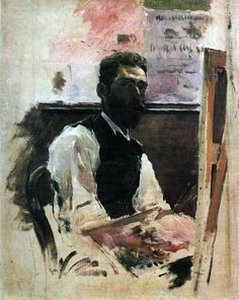
emilio sanchez-perrier
1855 - 1907 , Spain
基本情報
- Artistic Movement Or Style: Realism, Impressionism
- Artists Or Movements Influenced By This Artist:
- Barbizon School
- Orientalism
- Artists Who Influenced This Artist:
- Mariano Fortuny
- Auguste Bolard
- Jean-Léon Gérôme
- Félix Ziem
- Date Of Birth: 1855
- Date Of Death: 1907
- Full Name: Emilio Sánchez Perrier
- Nationality: Spanish
- Notable Artworks:
- Triana (1889)
- Fisher and son in boat (1907)
- Bank of the Guadaira
- Winter in Andalusia
- Place Of Birth: Seville, Spain
関連記事
高級デザインにおけるフレスコ画の隆盛:壁画芸術の再興と新たな表現
ホテルデザインを格上げするフレスコ画の魅力とは?古代から現代までの歴史、技法、デザインプロセスを解説。ArtsDot.comでカスタムオーダーも可能です。空間を彩る壁画芸術の世界をご体験ください。

Giclée Prints: Archival Quality & Aesthetic Nuances for the Discerning Collector
Explore the world of giclée prints with ArtsDot. Learn about archival quality, aesthetic nuances & investment potential. Expert guidance for discerning art collectors seeking museum-quality reproductions and lasting value.
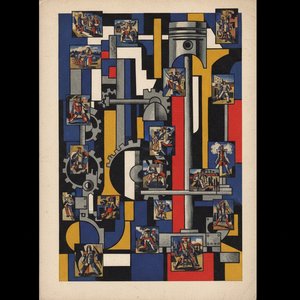
フェルナン・レジェ傑作25選:機械美と色彩の革新 | ArtsDot
フェルナン・レジェの傑作25選。機械美と色彩が織りなすキュビズムの世界を紐解きます。ArtsDotで、フランス絵画の巨匠レジェの作品を高精細プリントで。インテリアアートやギフトにも最適です。全コレクションはこちら: ArtsDot.com
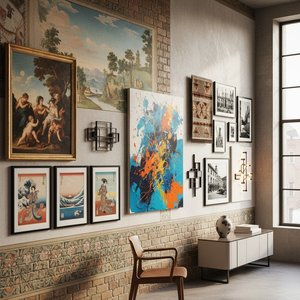
Transforming Spaces: A Comprehensive Exploration of Wall Decor Through Art History & Contemporary Practice
Explore the art of transforming spaces with our comprehensive guide to wall decor. From historical movements to contemporary trends, discover how to curate impactful interiors and commission bespoke artwork for a truly personalized aesthetic.

Echoes of Time: Exploring the Enduring Appeal & Historical Context of Vintage Art Prints
Explore the captivating world of vintage art prints! Discover their history, collecting tips & enduring appeal. Expert insights on chromolithography and building a legacy collection with ArtsDot.