 プリントを購入
 シェアする
シェアする シェアする
シェアする
 詳細を見る
詳細を見る

 ダウンロード
 似ている作品
 スライドショー
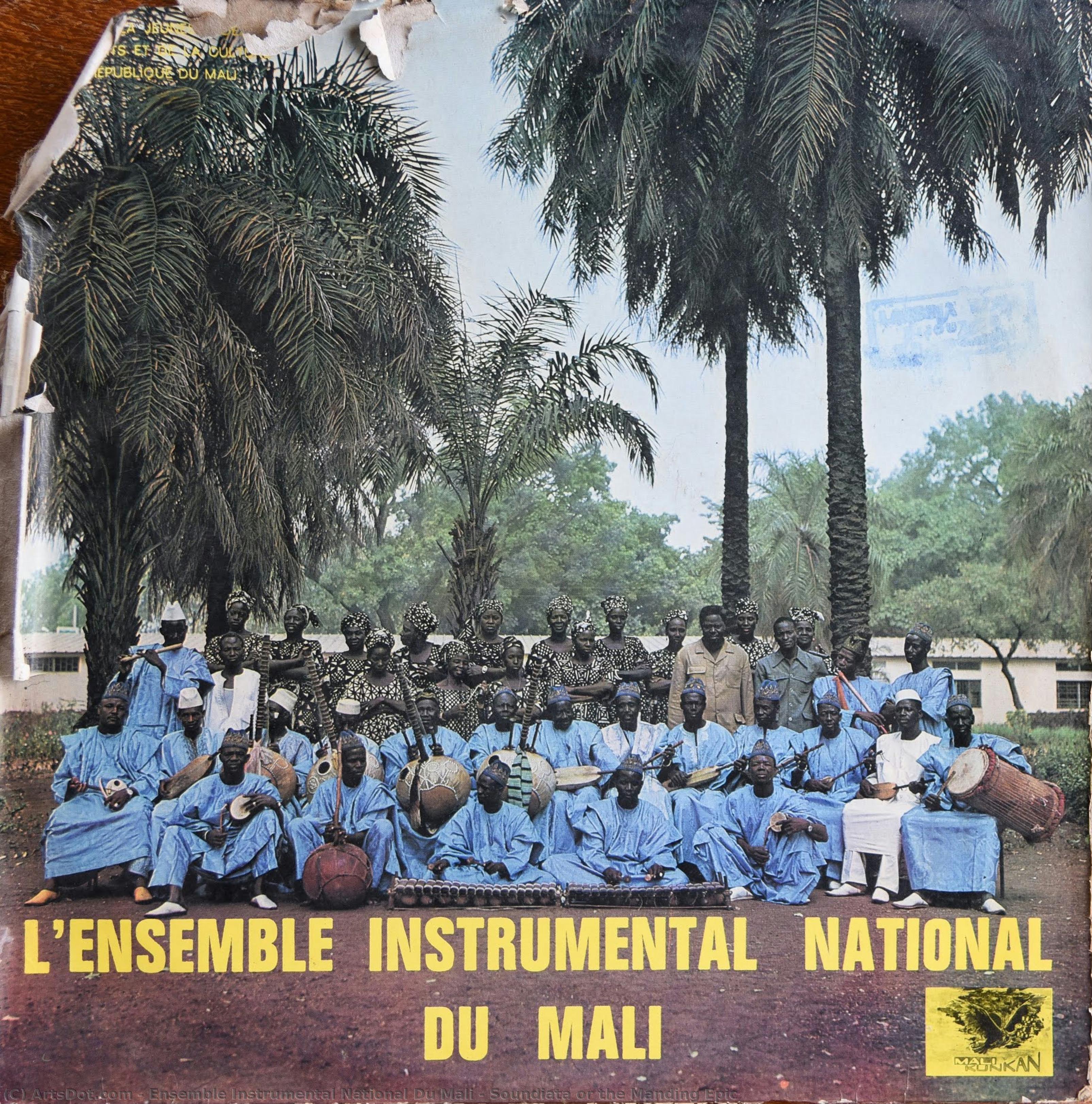
Soundiata or the Manding Epic


 詳細を見る
詳細を見る
オンラインプレビューをはるかに凌ぐ、高解像度で鮮明なデジタル画像をご購入いただけます。
各ファイルは、社内の専門家が高度なツールと熟練した手作業によるレタッチを用いて、細心の注意を払って準備されています。すべての画像において、卓越した鮮明度、正確な色彩再現性、そして繊細なディテールを保証いたします。
最終ファイルは、プロフェッショナルな編集・印刷環境ですぐにご利用いただけるよう最適化された状態で、72時間以内にメールにてお届けいたします。これは、一流のデザインスタジオ、出版社、ギャラリーから信頼されているものと同等の品質です。
デジタル画像のご注文に付随する特典
高品質なデジタル画像配信を、確かな品質で。
ArtsDot.com を選ぶことは、単に画像を手に入れることではありません。それは、プロの手によって精密に仕上げられ、満足保証が付いた高品質なデジタルアートワークを受け取ることを意味します。ご注文いただいた際に自動的に付随する内容は、以下の通りです:

メールですぐにお届け
ご注文から72時間以内に、高解像度のデジタル画像ファイルがメールでお手元に届きます。すぐにそのままご利用いただけます。

AI技術で最適化されたデジタルファイル
お客様の作品は、高度なAIツールと専門家による手作業の編集を組み合わせてプロフェッショナルに最適化されており、細部のディテール、鮮明さ、そして正確な色再現性を最大限に引き出しています。

一生涯無料の再送サービス
ファイルを誤って削除したり、紛失してしまったりしましたか?ご安心ください。いつでも無料で再送いたします。

輸入手数料は一切かかりません
関税や手数料、配送料を気にすることなく、お気に入りのアートワークをすぐにお楽しみいただけます。デジタルダウンロードは常に免税です。

色彩再現の保証
プロ仕様のツールとカラーマネジメント技術を用いることで、デジタル画像が元の色を最大限に忠実に再現することを保証いたします。

60日間満足保証
ご購入いただいたデジタル画像にご満足いただけない場合は、60日以内であれば、修正または100%の返金(理由を問う必要はありません)をさせていただきます。

100% 返金保証
ご満足いただけない場合は、デジタルファイルを受け取ってから60日以内であれば、理由を問わず全額返金いたします。

まとめ買い割引
3枚購入で10%OFF - 5枚購入で15%OFF - 10枚以上購入で20%OFF。クリエイティブなプロジェクト、ギャラリー、エージェンシーに最適です。
関連作品
![Les Apprentis Mécanicians Au Garage Dramane [trainees At The Garage Dramane - Car Repair Shop] — マリク・シディベ, Contemporary Realism](/media/artworks/images-thumb/46/ad/46ad88f7fa24ecc51ecb44b49a2a6c55.jpg)
作家の略歴
The Voices of a Nation: Ensemble Instrumental National Du Mali
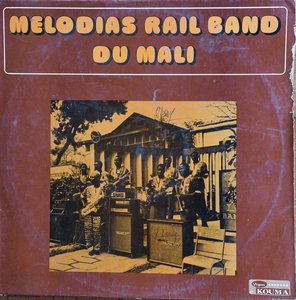
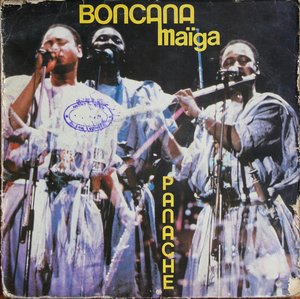
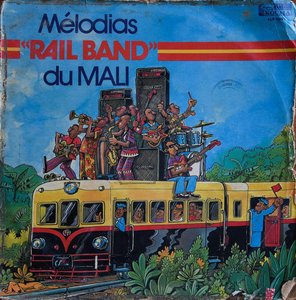
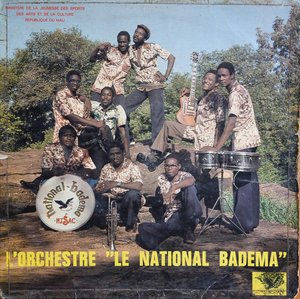
The Ensemble Instrumental National du Mali, often simply known as the Malian National Instrument Ensemble, represents far more than just a musical group; it is a living embodiment of West African cultural heritage. Founded in 1961 following independence from France, the ensemble was conceived as a deliberate act of nation-building, a project to collect, preserve, and promote the diverse musical traditions that constituted Mali’s identity. In a newly independent nation striving to forge its own path, music became a powerful tool for unity and self-expression. The initial impetus came from the Ministry of Culture, recognizing the urgent need to document oral traditions before they were lost amidst modernization and globalization. The ensemble wasn't created as a homogenous unit but rather as a collective of master musicians representing different ethnic groups – Bambara, Mandinka, Soninke, Dogon, Peulh (Fulani), and others – each bringing their unique instruments, vocal styles, and repertoire to the table. This deliberate inclusivity was crucial; it wasn’t about creating a single “Malian” sound but celebrating the rich tapestry of sounds *within* Mali. Early expeditions across the country were undertaken, recording performances, transcribing melodies, and learning directly from griots – the traditional storytellers, musicians, and keepers of history.A Synthesis of Tradition and Innovation
The early years of the Ensemble Instrumental National du Mali were dedicated to this intensive process of documentation and arrangement. Rather than simply replicating existing performances, the ensemble began a fascinating experiment in synthesis. Traditional instruments like the *ngoni* (a lute-like instrument), the *kora* (a 21-string harp-lute), the *balafon* (a wooden xylophone), various drums (*djembe*, *dunun*, etc.), and flutes were combined with Western orchestral instruments – violins, cellos, trumpets – creating a unique sonic landscape. This wasn’t about imposing Western aesthetics onto Malian music; instead, it was an attempt to find common ground, to explore the possibilities of dialogue between different musical worlds. Arrangements often involved layering complex polyrhythms with melodic lines played on both traditional and Western instruments, resulting in pieces that were simultaneously deeply rooted in African tradition and strikingly modern. This innovative approach quickly gained international recognition. The ensemble’s performances weren't merely concerts; they were immersive experiences, often accompanied by dance, storytelling, and elaborate costumes, offering audiences a glimpse into the vibrant cultural life of Mali. Key figures during this period included Djelimady Tounkara, a master *ngoni* player who became a central figure in shaping the ensemble’s sound, and Lamine Soumano, renowned for his virtuosity on the *kora*.Global Ambassadors of Malian Culture
Throughout the 1970s and 80s, the Ensemble Instrumental National du Mali embarked on numerous international tours, becoming de facto ambassadors of Malian culture. They performed at prestigious venues around the world – Carnegie Hall in New York, the Olympia in Paris, festivals across Europe and Asia – captivating audiences with their energetic performances and unique sound. These tours weren’t just about showcasing Malian music; they were also opportunities for cultural exchange, fostering understanding and appreciation between different cultures. The ensemble collaborated with musicians from various backgrounds, further expanding its musical horizons. Recordings during this period helped to solidify the ensemble's reputation. Albums like “Mali Koura” (1978) and “N’Goni Ba” (1982) became seminal works in world music, introducing audiences to the beauty and complexity of Malian musical traditions. The ensemble also played a crucial role in inspiring a new generation of Malian musicians, paving the way for artists like Salif Keita, Toumani Diabaté, and Ali Farka Touré who would later achieve international stardom.Challenges and Continued Legacy
Despite its success, the Ensemble Instrumental National du Mali faced numerous challenges over the years. Political instability in Mali, coupled with economic difficulties, led to funding cuts and a decline in support for cultural institutions. The ensemble experienced periods of inactivity and internal strife, as musicians struggled to maintain their artistic vision amidst changing circumstances. However, despite these setbacks, the spirit of the ensemble endured. In recent decades, there have been renewed efforts to revitalize the group, with younger generations of musicians joining forces with veteran members to continue its mission.- The ensemble continues to perform and record, albeit on a smaller scale.
- Workshops and educational programs are organized to transmit traditional musical knowledge to future generations.
- Collaborations with contemporary artists help to keep the music relevant and accessible to new audiences.