

 プレビュー
プレビュー
 シェアする
シェアする シェアする
シェアする
 詳細を見る
詳細を見る

 ダウンロード
 似ている作品
 X線調査
X線調査 スライドショー
 統計情報
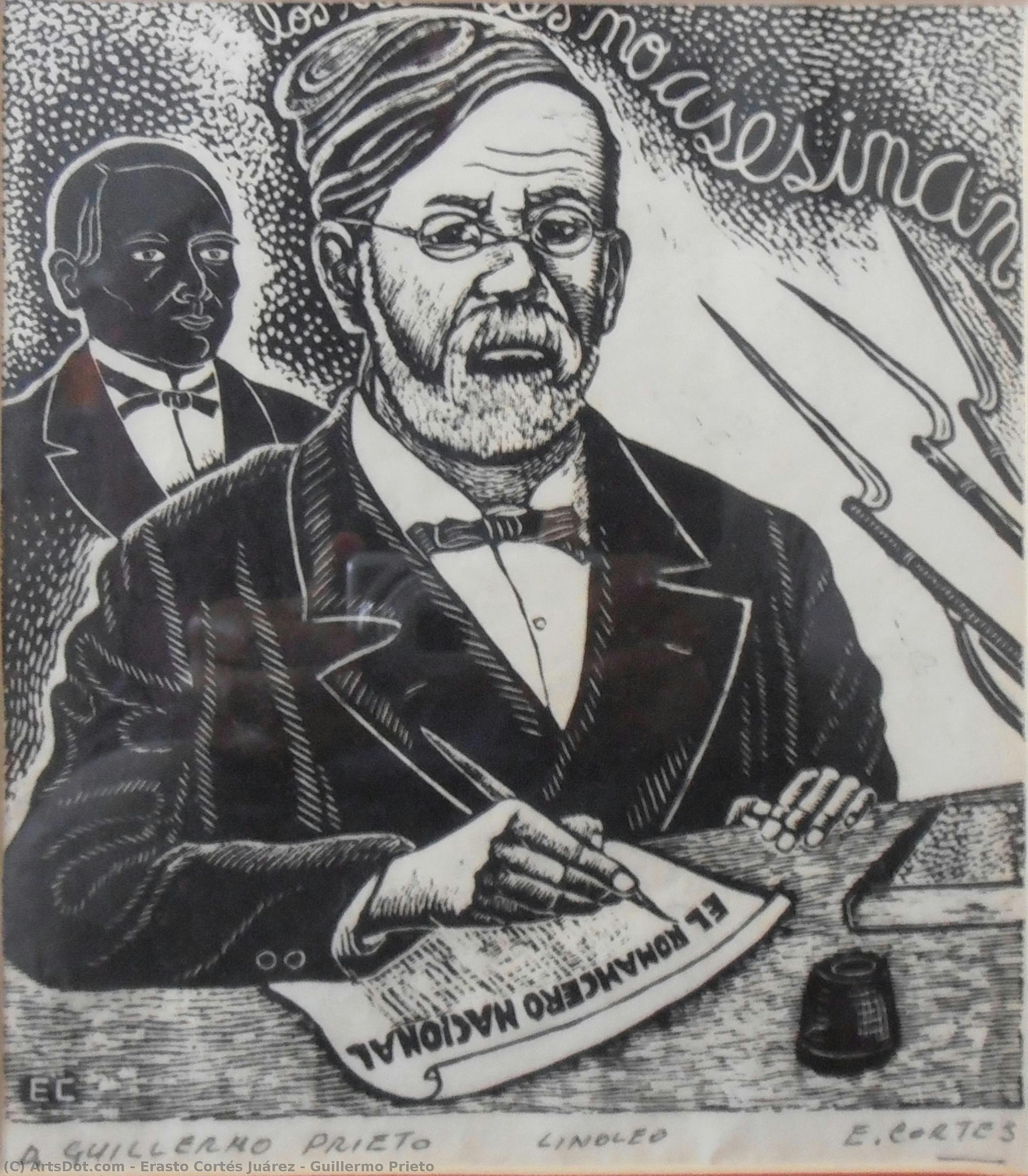
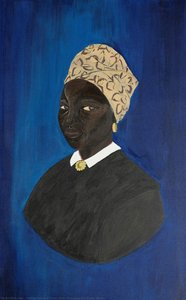
統計情報Guillermo Prieto
 1930
1930 21.0 x 19.0 cm
 Fundación Universidad de las Américas Puebla
 詳細を見る
詳細を見る
オンラインプレビューをはるかに凌ぐ、高解像度で鮮明なデジタル画像をご購入いただけます。
各ファイルは、社内の専門家が高度なツールと熟練した手作業によるレタッチを用いて、細心の注意を払って準備されています。すべての画像において、卓越した鮮明度、正確な色彩再現性、そして繊細なディテールを保証いたします。
最終ファイルは、プロフェッショナルな編集・印刷環境ですぐにご利用いただけるよう最適化された状態で、72時間以内にメールにてお届けいたします。これは、一流のデザインスタジオ、出版社、ギャラリーから信頼されているものと同等の品質です。
デジタルアート
個人での鑑賞、印刷、クリエイティブなプロジェクト用に、高解像度ファイルをダウンロードできます。 ( プリント版に切り替え 手描きの絵画を購入)
デジタル画像のご注文に付随する特典
高品質なデジタル画像配信を、確かな品質で。
ArtsDot.com を選ぶことは、単に画像を手に入れることではありません。それは、プロの手によって精密に仕上げられ、満足保証が付いた高品質なデジタルアートワークを受け取ることを意味します。ご注文いただいた際に自動的に付随する内容は、以下の通りです:

メールですぐにお届け
ご注文から72時間以内に、高解像度のデジタル画像ファイルがメールでお手元に届きます。すぐにそのままご利用いただけます。

AI技術で最適化されたデジタルファイル
お客様の作品は、高度なAIツールと専門家による手作業の編集を組み合わせてプロフェッショナルに最適化されており、細部のディテール、鮮明さ、そして正確な色再現性を最大限に引き出しています。

一生涯無料の再送サービス
ファイルを誤って削除したり、紛失してしまったりしましたか?ご安心ください。いつでも無料で再送いたします。

輸入手数料は一切かかりません
関税や手数料、配送料を気にすることなく、お気に入りのアートワークをすぐにお楽しみいただけます。デジタルダウンロードは常に免税です。

色彩再現の保証
プロ仕様のツールとカラーマネジメント技術を用いることで、デジタル画像が元の色を最大限に忠実に再現することを保証いたします。

100日間満足保証
ご購入いただいたデジタル画像にご満足いただけない場合は、100日以内であれば、理由を問わず修正または100%の返金対応をさせていただきます。

100% 返金保証
ご満足いただけない場合は、デジタルファイルを受け取ってから100日以内であれば、理由を問わず全額返金いたします。

まとめ買い割引
3枚購入で10%OFF - 5枚購入で15%OFF - 10枚以上購入で20%OFF。クリエイティブなプロジェクト、ギャラリー、エージェンシーに最適です。
関連作品






作家の略歴
Erasto Cortés Juárez: A Pioneer of Mexican Printmaking
Born in Tepeac, Puebla, in 1900, Erasto Cortés Juárez emerged as a pivotal figure in the development of Mexican art during the 20th century. His life and career were inextricably linked to the burgeoning Salón de la Plástica Mexicana, a movement that sought to establish a distinctly national artistic identity following the Mexican Revolution. More than simply an artist, Cortés Juárez was a dedicated educator, a passionate collector, and a tireless advocate for the revival of printmaking within Mexico – earning him the moniker “the missionary of engraving.” His work, often imbued with social commentary and a deep connection to Mexican culture and history, continues to resonate today.
Early Life and Artistic Training
Erasto Cortés Juárez’s early life unfolded in Tepeac, a region renowned for its vibrant artistic traditions. He began his formal training at the Academia de San Carlos in Mexico City in 1917, immersing himself in the classical foundations of art education. However, recognizing a desire for greater freedom and experimentation, he later enrolled in the Escuela de Pintura al Aire Libre in Coyoacán in 1922, where he embraced the principles of *plein air* painting – working directly from nature. This period proved crucial in shaping his observational skills and understanding of light and color. His classmates included notable figures like Federico Cantú and Gabriel Fernández Ledesma, creating a fertile ground for artistic exchange and mutual influence.
The Salón de la Plástica Mexicana and Political Engagement
Cortés Juárez’s career truly took flight with his membership in the Salón de la Plástica Mexicana, founded in 1937. This influential group of artists aimed to establish a national style that moved beyond European influences and embraced Mexican themes, history, and social realities. He became deeply involved in various intellectual and artistic circles, including Grupo 30-30, Lucha Intellectual Proletaria, and the Liga de Escritores y Aritistas Revolucionarios (LEAR). His political and artistic convictions led him to participate in the Taller de Gráfica Popular, a collective dedicated to producing politically charged graphic art for the working class. This engagement with social justice fueled much of his work, often depicting scenes of Mexican life and history with a critical eye.
Mastering the Art of Engraving
While initially trained in painting, Cortés Juárez’s true genius lay in his mastery of engraving. He began to seriously pursue this medium around 1948, dedicating himself to its revival within Mexico after a period of relative neglect. He experimented with various techniques – woodcuts, linoleum prints, and stone engravings – meticulously crafting each image with remarkable detail and precision. His work frequently featured scenes from Mexican history, folklore, and daily life, often imbued with symbolic meaning. He wasn’t merely replicating images; he was actively shaping a visual language that reflected his understanding of Mexican identity.
Legacy and Recognition
Erasto Cortés Juárez's contribution to Mexican art is profound and multifaceted. He played a crucial role in revitalizing printmaking as a respected artistic form, inspiring generations of artists. His dedication to teaching at the Escuela Nacional de Artes Plásticas and the Escuela Nacional de Pintura, Escultura y Grabado “La Esmeralda” ensured that his techniques and knowledge were passed on. He was recognized for his efforts with membership in the Academia de Artes in 1968, and a retrospective of his work was held at the Palacio de Bellas Artes in 1970. His legacy lives on through his extensive collection of engravings housed in institutions such as the Museo Nacional de la Estampa, the Museum of Modern Art in New York, and the Library of Congress, ensuring that his artistic vision continues to be appreciated and studied for years to come. The Puebla state government established the Museo Taller Erasto Cortés in 1986, preserving his work and celebrating his life’s dedication to art.
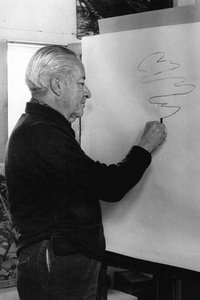
erasto cortés juárez
1900 - 1972 , Mexico
プロフィール概要
- Artistic Movement Or Style: Plástica Mexicana
- Date Of Birth: August 26, 1900
- Date Of Death: December 8, 1972
- Full Name: Erasto Cortés Juárez
- Nationality: Mexican
- Notable Artworks:
- En el balcón
- Tehuanas
- Place Of Birth: Tepeac, Mexico