

 プレビュー
プレビュー
 プリントを購入
 シェアする
シェアする シェアする
シェアする
 詳細を見る
詳細を見る

 ダウンロード
 似ている作品
 X線調査
X線調査 スライドショー
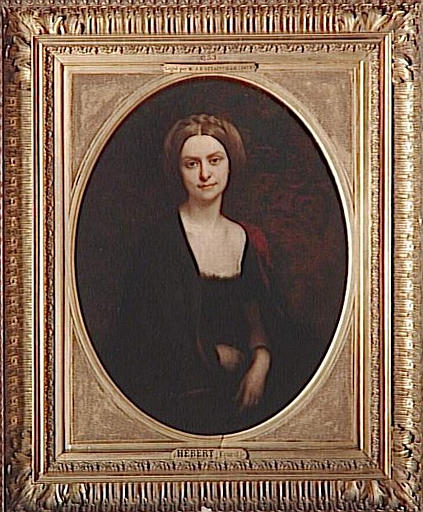
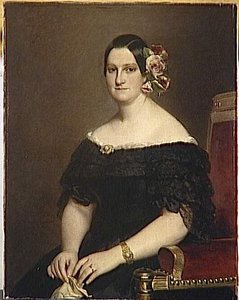
PORTRAIT DE MADAME JANVIER D'ATTAINVILLE


 詳細を見る
詳細を見る




P118B $10

P118H $10

P118W $10

P438Z $10

P508JH $12

P508YH $12

P805H $10

P805Z $10

P919BZ $10

P919G $10

P919XJ $10

P959ZH $10

P968JZ $12

W106C $8

W218G $10

W218JH $8

W218Y $10

W307PJ $10

W316G $10

W316PJ $8

W316Y $10

W398PJ $8

W4111J $10

W500HY $15

W500JH $15

W692G $12

W849H $8

W940BG $15

W953PJ $8




作品のオリジナル比率に合わせた、当店の規定サイズからお選びください。

特定のフレームやスペースに合わせて、ご希望のサイズをご入力いただけます。選択されたサイズが元の画像の比率と異なる場合、アートワークをトリミングするか、手描きで要素を追加して絵画を拡張いたします。デジタルモックアップ を制作し、制作開始前にご確認(承認)をいただきます。
画面上のプレビューは、実際のトリミングや拡張を正確に反映しているものではありません。最終的な構図は、モックアップによってのみ正確にご確認いただけます。
カスタムサイズもご利用いただけますが、元の比率を維持するためには、あらかじめ用意されたリストからサイズを選択することをお勧めいたします。
ご注文後、ArtsDot.com チームより詳細な指示をお送りするとともに、仕上がりイメージ(モックアップ)をご提供いたします。


 ガラスオプションは、110cm未満のサイズでのみご利用いただけます。

PORTRAIT DE MADAME JANVIER D'ATTAINVILLE
複製技法
複製画のサイズ
-


合計金額
$ 263
作品解説
Portrait of Madame Janvier d'Attainville: A Glimpse into 19th-Century Elegance
Ernest Hébert’s “Portrait de Madame Janvier d’Attainville” is more than a simple likeness; it’s a meticulously crafted window into the refined world of 19th-century French society. Painted in 1850, this portrait captures the dignified presence of Madame Janvier d'Attainville, a woman whose name echoes through history as a prominent figure in Parisian social circles. Hébert, deeply rooted in the academic tradition yet possessing a distinctly romantic sensibility, masterfully employs light, color, and composition to convey both her status and an underlying sense of quiet strength.
The painting’s formal structure immediately establishes its historical context. Following the conventions of the era, the subject is presented within an oval frame – a deliberate choice that elevates her image, imbuing it with a timeless quality. The composition is strikingly symmetrical, placing Madame Janvier centrally and directing the viewer's gaze directly upon her face. This direct engagement fosters a sense of intimacy despite the formality of the portraiture. The muted color palette—a symphony of browns, creams, and subtle reds—reflects the restrained elegance favored in academic painting of the period. The background is deliberately dark and indistinct, serving not to distract but rather to further emphasize the luminous figure before us.
A Study in Light and Texture
Hébert’s technical skill is evident in every brushstroke. He demonstrates a remarkable control over light, utilizing soft, diffused illumination that gently sculpts Madame Janvier's features without resorting to harsh shadows. This technique creates an atmosphere of serenity and grace, highlighting the delicate contours of her face and the subtle textures of her dress. Close examination reveals a careful layering of colors—a hallmark of academic painting—that produces a smooth, almost velvety surface. The artist’s attention to detail is particularly noticeable in the rendering of the fabric, where he skillfully captures the folds and drapes with an impressive level of realism.
The use of lines and shapes further contributes to the portrait's overall effect. Rounded forms define the oval frame and the gentle curves of her face, while subtle variations in tone create a sense of depth and volume. The painting’s surfaces are smooth, suggesting a meticulous blending of colors—a testament to Hébert’s mastery of oil paint. The brushstrokes themselves, though largely concealed beneath layers of glaze, offer glimpses of the artist's hand, adding a layer of tactile richness to the work.
Symbolism and Social Significance
Beyond its technical merits, “Portrait de Madame Janvier d’Attainville” offers insights into the social dynamics of 19th-century France. Madame Janvier’s attire—a modest yet elegant dress with a low neckline—reflects her position within Parisian society, signaling both wealth and refinement. The portrait itself served as a powerful tool for establishing and reinforcing social hierarchies – a common function of aristocratic portraits at the time. It's important to note that Madame Janvier d'Attainville was known for her role in the French Revolution, adding another layer of historical significance to this artwork.
Furthermore, the painting’s romantic style—characterized by an emphasis on emotion and beauty—suggests a deeper appreciation for the subject beyond mere social status. Hébert captures not just Madame Janvier's appearance but also her inner dignity and composure. The portrait invites us to contemplate her life and legacy, transforming it into a timeless representation of female grace and resilience.
A Legacy Preserved
Today, “Portrait de Madame Janvier d’Attainville” stands as a testament to Ernest Hébert's artistic talent and his deep understanding of the conventions—and subtleties—of academic painting. Its meticulous detail, harmonious color palette, and evocative composition continue to captivate viewers, offering a glimpse into a bygone era and a profound appreciation for the enduring power of portraiture. Reproductions of this remarkable artwork offer an accessible way to experience its beauty and historical significance, bringing a touch of 19th-century elegance to any space.
関連作品
アーティストの略歴
エルネスト・エベール:イタリアの真髄を捉えたパリのロマン主義者
アントワーヌ・オーギュスト・エルネスト・エベール(1817-1908)という名は、19世紀の他の多くの同時代人たちに比べれば、おそらくそれほど広く知られているわけではありません。しかし、彼はフランスのアカデミック絵画における極めて重要な人物の一人です。グルノーブルに生まれ、法曹界の伝統が根付いた家庭で育ったエベールの芸術への道のりは、単なる正規の訓練のみによって始まったのではありません。彫刻家や歴史画家の指導によって火を灯された、自発的な情熱から始まったのです。この型にとらわれない出発が、緻密なディテール、光と影に対する深い洞察、そして抗いがたいロマン主義的な感性を特徴とする、彼の独特なスタイルを形作ることとなりました。
グルノーブルでの幼少期は、彼に自然界への深い愛着を植え付けました。このテーマは、後に彼の芸術作品の核心となっていくものです。18歳でパリへと移り住んだ彼は、活気あふれる芸術界に身を投じ、ダヴィド・ダンジェールやポール・ドラロッシュといった巨匠のもとで学びました。彼らとの出会いによって、古典的な技法や歴史的な物語性がエベールの血肉となっていったのです。しかし、彼の芸術的ビジョンを真に結晶化させたのは、1839年に権威あるローマ賞(プリ・ド・ローム)を受賞して過ごしたローマでの日々でした。この奨学金によって得られたメディチ家別荘での長期的な研究期間は、イタリアの壮大な風景と文化を吸収することを可能にし、その経験は後の作品に深い影響を与えることとなりました。
イタリアの影響とアカデミックな伝統
現在オルセー美術館に収蔵されているエベールの最も名高い傑作「マラリア(La Mal'aria)」(1848-49年)は、まさにこのイタリアの影響を象徴しています。この絵画は、ヴェネツィアの運河沿いでマラリアの流行から逃れる農民一家の痛切な場面を描いています。それは、苦しみと崇高美への魅惑を抱いていたロマン主義運動の精神と深く共鳴する主題でした。しかし、エベールは単に劇的な出来事を描写しただけではありません。使い古された衣服、風雨にさらされた顔、きらめく水面――あらゆる細部を驚くべき写実性をもって緻密に描き出しているのです。ローマでの研鑽によって磨かれたこのアカデミックな精密さへの献身は、彼の全作品を通じて明白に見て取ることができます。
しかし、彼のイタリア・シリーズは、単なる絵画的な風景描写にとどまりませんでした。エベールは、イタリアの生活の本質、すなわち人々の営み、習俗、そしてその空気感そのものを捉えようと試みたのです。羊の群れを追う羊飼い、網を投じる漁師、そして陽光降り注ぐ広場(ピアッツァ)に集う家族の姿。これらの作品は単なる風景画ではなく、消えゆくイタリア農村の伝統に対するエベール自身の観察眼が反映された、哀愁とノスタルジーに満ちたものとなっています。
パリ・サロンの寵児
海外での経験を経た後も、エベールはパリにしっかりと根を下ろし、権威あるサロン展における著名な人物となりました。彼の作品は常に批評家たちの称賛を浴び、数多くの依頼を獲得し、当時のアカデミック絵画を代表する画家の一人としての地位を確立しました。彼はフランス・アカデミーのローマ校長に二度も任命されており、これは芸術界における彼の地位の高さを物語っています。
風景画のみならず、エベールは肖像画においても卓越した才能を発揮し、パリ社交界の著名人たちの面影を捉えました。彼の肖像画は、その優雅さと心理的な深みにおいて特筆すべきものがあり、対象の外見だけでなく、その内面的な性格までも描き出しています。これらの作品は、繊細な仕草や表情を通じて人物の個性を伝える、驚くべき能力を示しています。
遺産とエベール美術館
エルネスト・エベールの遺産は、彼の一枚一枚の絵画を超えて広がっています。彼はパリにエベール美術館(現在は国立エベール美術館として知られる)を設立しました。そこには彼の膨大な作品群とともに、19世紀のパリの生活を垣間見ることができる見事な歴史的部屋のアンサンブルが収蔵されています。この美術館は、研究者や芸術愛好家にとって極めて重要な拠点であり、エベールの芸術的貢献が保存され、称えられ続けることを確かなものにしています。
彼の作品は、その技術的な習熟、喚起力のあるイメージ、そして人間存在の痛切な描写ゆえに、今なお研究され、高く評価され続けています。エルネスト・エベールは、アカデミックな厳格さとロマン主義的な感性を見事に融合させた芸術家の、説得力ある模範であり続けています。彼は、19世紀フランスの美しさと哀愁の両方を反映した、豊かで不朽の芸術的遺産を私たちに残してくれたのです。
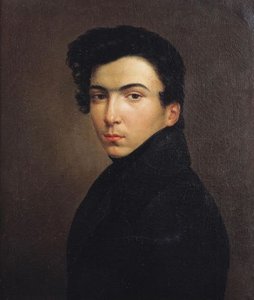
エルネスト・エベール
1817 - 1908 , フランス
基本情報
- Artistic Movement Or Style: アカデミック・リアリズム、ロマン主義
- Artists Or Movements Influenced By This Artist: ['ポール・トルイベール']
- Artists Who Influenced This Artist:
- ダヴィッド・ダンジェール
- ポール・ドラロシュ
- Date Of Birth: 1817年11月3日
- Date Of Death: 1908年12月5日
- Full Name: アントワーヌ・オーギュスト・エルネスト・エベール
- Nationality: フランス
- Notable Artworks:
- ジャンヴィエ・ダタンヴィル夫人の肖像
- イスキアの少女たち
- アルヴィートの娘たちの習作
- ラ・パイヴァ
- Place Of Birth: フランス、グルノーブル
関連記事
Ernest Hébert: A Master of Academic Realism & Parisian Salon Success
Explore the captivating world of Ernest Hébert, a master of 19th-century academic realism. Discover his Salon successes, stunning portraits & Italian landscapes. Learn about his legacy and find high-quality reproductions at ArtsDot.
Academic Art: Tradition, Technique & the Pursuit of Ideal Form in the 19th Century
Explore the world of Academic Art! Discover its history, key artists like Ingres & Bouguereau, defining techniques, and lasting influence on 19th-century painting. Learn about the Salon system and its legacy.

19th Century Masterpieces: 10 Paintings That Defined an Era | ArtsDot
Journey through 19th century art with ArtsDot! Explore 10 iconic paintings – from Monet & Renoir to Courbet – and discover the stories behind Romanticism, Realism & Impressionism. Find museum-quality reproductions for your home decor. Explore the full collection online!
Academic Realism's Finest: 10 Masterpieces for Art Lovers & Home Decor
Explore 10 defining Academic Realism masterpieces by Bouguereau, Gérôme & Cabanel. Discover the stories behind these iconic paintings and bring timeless art into your home with museum-quality reproductions from ArtsDot.com. Explore the full collection online!
Academic Art: Tradition, Technique & the Rise of Modernism
Explore the rich history of Academic Art – its techniques, key masters like Bouguereau & Ingres, and influence on 19th-century painting. Discover this enduring tradition.

