

 プレビュー
プレビュー
 プリントを購入
 シェアする
シェアする シェアする
シェアする
 詳細を見る
詳細を見る

 ダウンロード
 似ている作品
 X線調査
X線調査 スライドショー
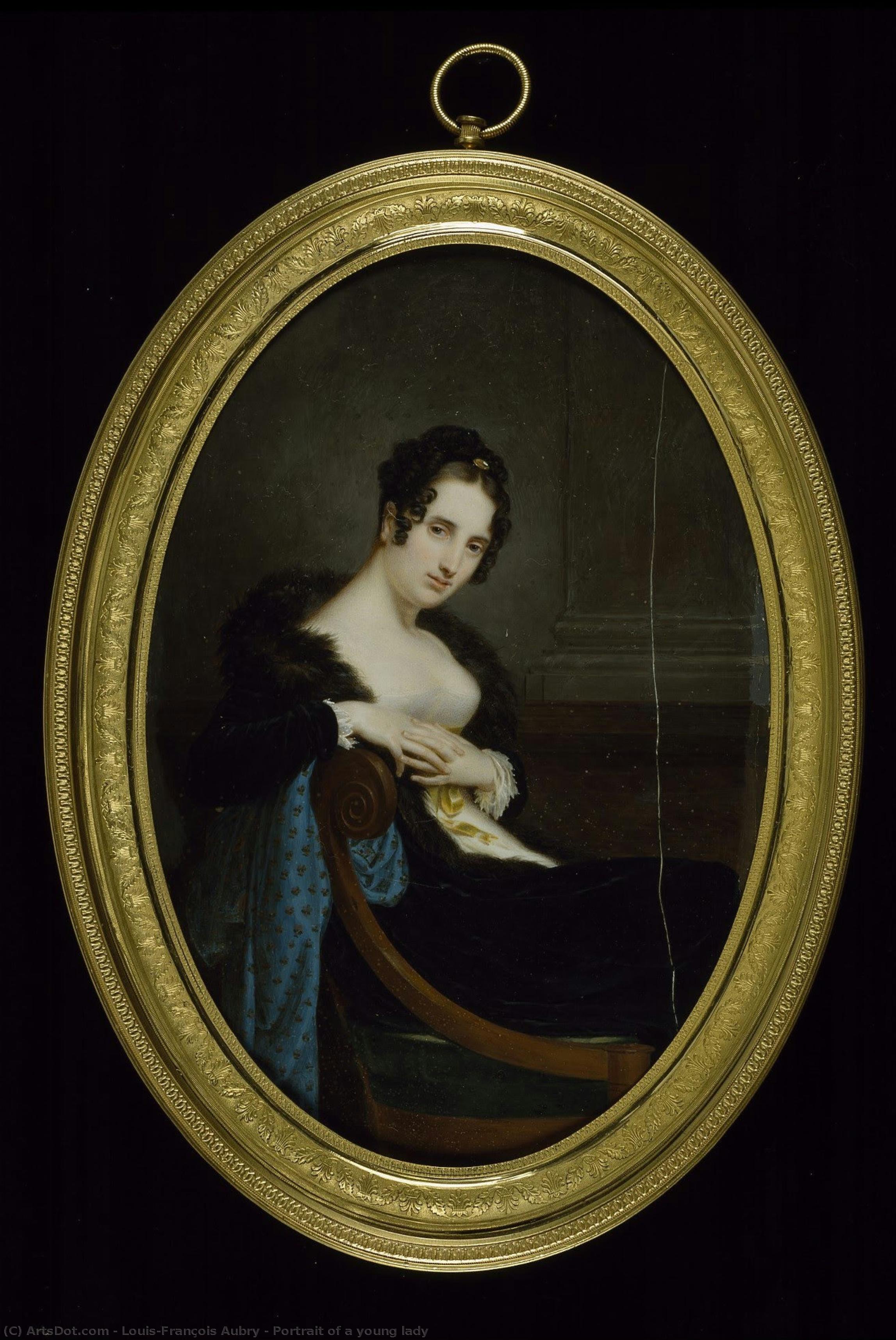
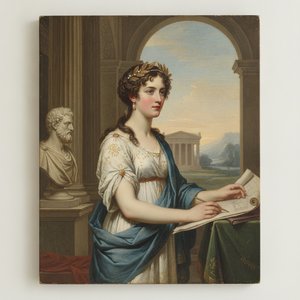
Portrait of a young lady
 Oil On Panel
- Neoclassicism
 19th Century
 15.0 x 22.0 cm
 Palazzo Madama
 詳細を見る
詳細を見る




P118B $10

P118H $10

P118W $10

P438Z $10

P508JH $12

P508YH $12

P805H $10

P805Z $10

P919BZ $10

P919G $10

P919XJ $10

P959ZH $10

P968JZ $12

W106C $8

W218G $10

W218JH $8

W218Y $10

W307PJ $10

W316G $10

W316PJ $8

W316Y $10

W398PJ $8

W4111J $10

W500HY $15

W500JH $15

W692G $12

W849H $8

W940BG $15

W953PJ $8




作品のオリジナル比率に合わせた、当店の規定サイズからお選びください。

特定のフレームやスペースに合わせて、ご希望のサイズをご入力いただけます。選択されたサイズが元の画像の比率と異なる場合、アートワークをトリミングするか、手描きで要素を追加して絵画を拡張いたします。デジタルモックアップ を制作し、制作開始前にご確認(承認)をいただきます。
画面上のプレビューは、実際のトリミングや拡張を正確に反映しているものではありません。最終的な構図は、モックアップによってのみ正確にご確認いただけます。
カスタムサイズもご利用いただけますが、元の比率を維持するためには、あらかじめ用意されたリストからサイズを選択することをお勧めいたします。
ご注文後、ArtsDot.com チームより詳細な指示をお送りするとともに、仕上がりイメージ(モックアップ)をご提供いたします。


 ガラスオプションは、110cm未満のサイズでのみご利用いただけます。

Portrait of a young lady
複製技法
複製画のサイズ
-


合計金額
$ 263
A Glimpse into Neoclassical Elegance
In the delicate confines of this exquisite miniature portrait, we encounter a moment of profound stillness captured by the master miniaturist Louis-François Aubry. The subject, a young lady presented within a graceful oval composition, serves as a window into the refined sensibilities of the late 18th and early 19th centuries. There is an immediate, intimate connection established between the viewer and the sitter; her seated pose and steady, quiet gaze suggest a state of deep contemplation or perhaps a gentle, lingering melancholy. This sense of introspection is not merely a personal trait of the subject but a hallmark of the Neoclassical era, where restraint, elegance, and idealized beauty were held in the highest regard.
The painting functions as more than just a likeness; it is a masterclass in the art of subtle suggestion. The dark, indistinct background acts as a void that pushes the figure forward, ensuring that every soft contour of her face and every intricate fold of her attire commands our undivided attention. In an age before the ubiquity of photography, such portraits were precious keepsakes, intended to preserve the essence of a loved one with a level of detail that felt almost magical to the contemporary eye.
Mastery of Light and Texture
To observe this work is to appreciate the incredible technical virtuosity required for miniature painting on such a small scale. Aubry employs a technique involving the meticulous layering of thin, translucent glazes, a process that allows light to penetrate the paint layers and reflect back, creating a luminous, inner glow. This method is particularly evident in the rendering of the subject's skin, which possesses a porcelain-like smoothness, and in the way the soft, diffused lighting dances across the fabric of her clothing.
The artist’s ability to manipulate texture through delicate brushstrokes is nothing short of extraordinary. One can almost feel the tactile contrast between the heavy, luxurious weight of velvet and the shimmering, ethereal lightness of silk. These organic shapes—the flowing lines of her hair and the soft curves of her features—are balanced by the structured, ornate frame that encapsulates the scene. For the collector or interior designer, this piece offers a sophisticated interplay of textures that can serve as a focal point in any curated space, bringing a sense of historical depth and tactile richness to a room.
A Timeless Addition to the Collector's Gallery
Beyond its technical brilliance, the portrait carries a profound emotional weight. It evokes a sense of nostalgia for a bygone era of grace and formal beauty. The subtle symbolism found within the composition—the quietude of the subject and the careful preservation of her likeness—speaks to the human desire to capture fleeting moments of existence. It is a piece that invites long periods of study, revealing new nuances in color and shadow upon every encounter.
For those seeking to adorn their homes with art that tells a story, this reproduction offers an unparalleled opportunity. Whether placed within a classical gallery wall or used as a delicate accent in a modern, minimalist setting, the portrait brings with it the prestige of French Neoclassicism. It is an investment in atmosphere, providing a touch of historical significance and a serene, contemplative energy that can transform the mood of any interior environment.
関連作品
アーティストの略歴
John Glover: The Painter of English Light
Born in Houghton-on-the-Hill, Leicestershire, in 1767, John Glover’s life and career unfolded across two distinct periods – a formative early years steeped in the traditions of British watercolour, followed by a remarkable transformation into one of the foremost landscape painters of his time. Initially trained as an art instructor, Glover’s talent quickly shone through, leading him to establish himself as a respected artist within London's vibrant art scene. However, it was his move to Van Diemen’s Land (present-day Tasmania) in 1830 that cemented his legacy, transforming him into “the father of Australian landscape painting,” a title he richly deserved.
Glover’s early artistic development reveals a deep appreciation for the classical tradition. He was heavily influenced by Claude Lorrain and other artists who championed the ‘picturesque,’ a style emphasizing natural beauty and atmospheric effects. This influence is evident in his meticulously rendered landscapes, characterized by carefully composed scenes of rolling hills, woodlands, and waterways – often imbued with a sense of romanticism and tranquility. His early works demonstrate a mastery of watercolour techniques, utilizing delicate washes and subtle gradations to capture the nuances of light and shadow. He was known for his ability to evoke a specific mood or atmosphere through color and composition, creating paintings that were both visually appealing and emotionally resonant.
The Transition to Colonial Australia
Glover’s decision to migrate to Van Diemen's Land in 1830 marked a pivotal moment in his artistic journey. He arrived during the early colonial period, a time of significant social and cultural change. Initially struggling to find work, he quickly adapted to the new environment, establishing himself as a respected artist amongst the burgeoning settler community. Unlike many of his contemporaries who focused on grand historical or mythological subjects, Glover embraced the unique landscape of Tasmania, producing a prolific body of work that captured its rugged beauty and dramatic light.
This shift wasn’t merely a change of scenery; it represented a fundamental evolution in Glover's artistic approach. He began to incorporate elements of the local Aboriginal culture into his paintings, depicting native flora and fauna alongside European settlers. His depictions of Tasmanian life – including scenes of pastoral farming, Indigenous gatherings, and interactions between Europeans and Aborigines – offered valuable insights into the complexities of colonial society. Notably, Glover’s work served as a visual record of a rapidly changing landscape and culture.
Technique and Style: “The English Claude”
Glover's distinctive style is often described as "English Claude," a testament to his profound admiration for the works of Claude Lorrain. Like Lorrain, Glover sought to capture the sublime beauty of nature through carefully composed landscapes bathed in atmospheric light. However, Glover’s approach was characterized by a greater emphasis on realism and detail, reflecting the changing artistic sensibilities of the early 19th century.
He employed loose, expressive brushstrokes – particularly in his later works – that created a sense of movement and immediacy. His use of color was equally notable, employing subtle gradations and vibrant hues to evoke the warmth of sunlight and the coolness of shadow. Glover’s compositions often featured dramatic diagonals, drawing the viewer's eye through the scene and creating a dynamic sense of space. He skillfully utilized atmospheric perspective – blurring distant elements to create a sense of depth – further enhancing the realism of his landscapes.
Legacy and Significance
John Glover’s contribution to Australian art is undeniable. He established a tradition of landscape painting that would inspire generations of artists, shaping the visual identity of the nation. His paintings offer a valuable record of Tasmania's early colonial history, capturing both its natural beauty and its social complexities. Furthermore, Glover’s artistic journey – from a classically trained watercolourist to a pioneering colonial painter – exemplifies the dynamic evolution of art in response to changing cultural contexts.
Today, Glover’s works are celebrated for their technical skill, atmospheric effects, and insightful portrayal of Australian life. He remains a pivotal figure in the history of Australian art, recognized as “the father of Australian landscape painting” – a title earned through his dedication, innovation, and profound appreciation for the beauty of the land.
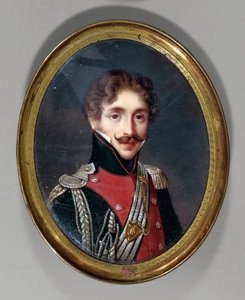
louis-françois aubry
1767 - 1851 , France
基本情報
- Artistic Movement Or Style: Claudean landscape
- Artists Or Movements Influenced By This Artist: ['Impressionists']
- Artists Who Influenced This Artist: ['Claude Lorrain']
- Date Of Birth: 18 February 1767
- Date Of Death: 9 December 1849
- Full Name: John Glover
- Nationality: British
- Notable Artworks:
- Mount Wellington...
- Natives on Ouse...
- A view of house...
- Place Of Birth: Houghton-on-the-Hill, Leicestershire
関連記事
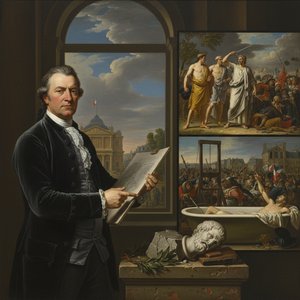
Jacques-Louis David: Neoclassical Ideals & Revolutionary Witness
Explore the life & art of Jacques-Louis David, leading Neoclassical painter of the French Revolution. Discover iconic works like 'The Death of Marat' and his lasting impact on art history. Expert analysis & high-quality reproductions at ArtsDot.
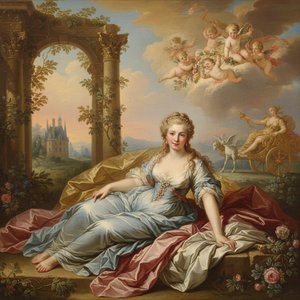
François Boucher: Rococo Master of Myth, Sensuality, and the French Court
Explore the captivating world of François Boucher, master of Rococo painting! Discover his iconic works, aristocratic patronage, and lasting influence on French art history. Learn more at ArtsDot.
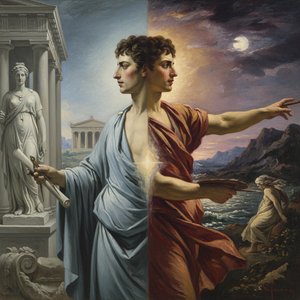
Anne-Louis Girodet: Bridging Neoclassicism & Romanticism with Emotional Truth
Explore the captivating world of Anne-Louis Girodet, a pivotal figure bridging Neoclassicism & Romanticism. Discover his masterpieces and unique artistic vision with ArtsDot.
18th Century Masters: 10 Artworks That Define an Era | ArtsDot
Journey through 18th century art! Explore 10 iconic paintings – from Rococo elegance to Neoclassical grandeur. Discover Fragonard, David & more. Find museum-quality reproductions and elevate your home decor on ArtsDot.com.
The Revival of Antiquity: Exploring Ideals of Beauty & Power in Neoclassical Portraiture
Explore the captivating world of Neoclassical portraiture! Discover the power & ideals behind masterpieces by David, Girodet & more. Expert analysis, custom reproductions & art appraisal at ArtsDot.

