

 プレビュー
プレビュー
 プリントを購入
 シェアする
シェアする シェアする
シェアする
 詳細を見る
詳細を見る

 ダウンロード
 似ている作品
 X線調査
X線調査 スライドショー
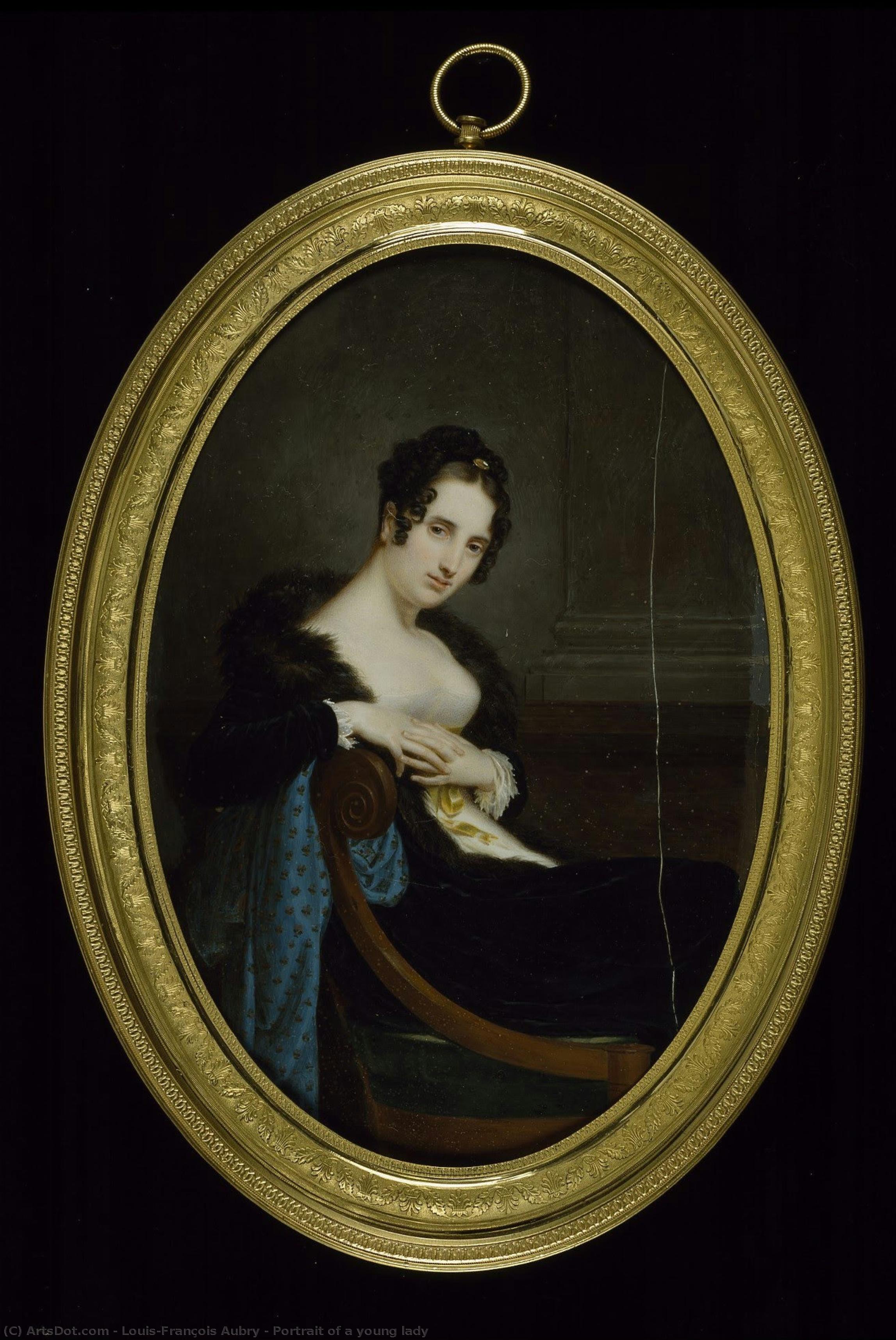
Portrait of a young lady
 Oil On Panel
- Neoclassicism
 19th Century
 15.0 x 22.0 cm
 Palazzo Madama
 詳細を見る
詳細を見る
オンラインプレビューをはるかに凌ぐ、高解像度で鮮明なデジタル画像をご購入いただけます。
各ファイルは、社内の専門家が高度なツールと熟練した手作業によるレタッチを用いて、細心の注意を払って準備されています。すべての画像において、卓越した鮮明度、正確な色彩再現性、そして繊細なディテールを保証いたします。
最終ファイルは、プロフェッショナルな編集・印刷環境ですぐにご利用いただけるよう最適化された状態で、72時間以内にメールにてお届けいたします。これは、一流のデザインスタジオ、出版社、ギャラリーから信頼されているものと同等の品質です。
デジタル画像のご注文に付随する特典
高品質なデジタル画像配信を、確かな品質で。
ArtsDot.com を選ぶことは、単に画像を手に入れることではありません。それは、プロの手によって精密に仕上げられ、満足保証が付いた高品質なデジタルアートワークを受け取ることを意味します。ご注文いただいた際に自動的に付随する内容は、以下の通りです:

メールですぐにお届け
ご注文から72時間以内に、高解像度のデジタル画像ファイルがメールでお手元に届きます。すぐにそのままご利用いただけます。

AI技術で最適化されたデジタルファイル
お客様の作品は、高度なAIツールと専門家による手作業の編集を組み合わせてプロフェッショナルに最適化されており、細部のディテール、鮮明さ、そして正確な色再現性を最大限に引き出しています。

一生涯無料の再送サービス
ファイルを誤って削除したり、紛失してしまったりしましたか?ご安心ください。いつでも無料で再送いたします。

輸入手数料は一切かかりません
関税や手数料、配送料を気にすることなく、お気に入りのアートワークをすぐにお楽しみいただけます。デジタルダウンロードは常に免税です。

色彩再現の保証
プロ仕様のツールとカラーマネジメント技術を用いることで、デジタル画像が元の色を最大限に忠実に再現することを保証いたします。

60日間満足保証
ご購入いただいたデジタル画像にご満足いただけない場合は、60日以内であれば、修正または100%の返金(理由を問う必要はありません)をさせていただきます。

100% 返金保証
ご満足いただけない場合は、デジタルファイルを受け取ってから60日以内であれば、理由を問わず全額返金いたします。

まとめ買い割引
3枚購入で10%OFF - 5枚購入で15%OFF - 10枚以上購入で20%OFF。クリエイティブなプロジェクト、ギャラリー、エージェンシーに最適です。
A Glimpse into Neoclassical Elegance
In the delicate confines of this exquisite miniature portrait, we encounter a moment of profound stillness captured by the master miniaturist Louis-François Aubry. The subject, a young lady presented within a graceful oval composition, serves as a window into the refined sensibilities of the late 18th and early 19th centuries. There is an immediate, intimate connection established between the viewer and the sitter; her seated pose and steady, quiet gaze suggest a state of deep contemplation or perhaps a gentle, lingering melancholy. This sense of introspection is not merely a personal trait of the subject but a hallmark of the Neoclassical era, where restraint, elegance, and idealized beauty were held in the highest regard.
The painting functions as more than just a likeness; it is a masterclass in the art of subtle suggestion. The dark, indistinct background acts as a void that pushes the figure forward, ensuring that every soft contour of her face and every intricate fold of her attire commands our undivided attention. In an age before the ubiquity of photography, such portraits were precious keepsakes, intended to preserve the essence of a loved one with a level of detail that felt almost magical to the contemporary eye.
Mastery of Light and Texture
To observe this work is to appreciate the incredible technical virtuosity required for miniature painting on such a small scale. Aubry employs a technique involving the meticulous layering of thin, translucent glazes, a process that allows light to penetrate the paint layers and reflect back, creating a luminous, inner glow. This method is particularly evident in the rendering of the subject's skin, which possesses a porcelain-like smoothness, and in the way the soft, diffused lighting dances across the fabric of her clothing.
The artist’s ability to manipulate texture through delicate brushstrokes is nothing short of extraordinary. One can almost feel the tactile contrast between the heavy, luxurious weight of velvet and the shimmering, ethereal lightness of silk. These organic shapes—the flowing lines of her hair and the soft curves of her features—are balanced by the structured, ornate frame that encapsulates the scene. For the collector or interior designer, this piece offers a sophisticated interplay of textures that can serve as a focal point in any curated space, bringing a sense of historical depth and tactile richness to a room.
A Timeless Addition to the Collector's Gallery
Beyond its technical brilliance, the portrait carries a profound emotional weight. It evokes a sense of nostalgia for a bygone era of grace and formal beauty. The subtle symbolism found within the composition—the quietude of the subject and the careful preservation of her likeness—speaks to the human desire to capture fleeting moments of existence. It is a piece that invites long periods of study, revealing new nuances in color and shadow upon every encounter.
For those seeking to adorn their homes with art that tells a story, this reproduction offers an unparalleled opportunity. Whether placed within a classical gallery wall or used as a delicate accent in a modern, minimalist setting, the portrait brings with it the prestige of French Neoclassicism. It is an investment in atmosphere, providing a touch of historical significance and a serene, contemplative energy that can transform the mood of any interior environment.
関連作品
作家の略歴
John Glover: The Painter of English Light
Born in Houghton-on-the-Hill, Leicestershire, in 1767, John Glover’s life and career unfolded across two distinct periods – a formative early years steeped in the traditions of British watercolour, followed by a remarkable transformation into one of the foremost landscape painters of his time. Initially trained as an art instructor, Glover’s talent quickly shone through, leading him to establish himself as a respected artist within London's vibrant art scene. However, it was his move to Van Diemen’s Land (present-day Tasmania) in 1830 that cemented his legacy, transforming him into “the father of Australian landscape painting,” a title he richly deserved.
Glover’s early artistic development reveals a deep appreciation for the classical tradition. He was heavily influenced by Claude Lorrain and other artists who championed the ‘picturesque,’ a style emphasizing natural beauty and atmospheric effects. This influence is evident in his meticulously rendered landscapes, characterized by carefully composed scenes of rolling hills, woodlands, and waterways – often imbued with a sense of romanticism and tranquility. His early works demonstrate a mastery of watercolour techniques, utilizing delicate washes and subtle gradations to capture the nuances of light and shadow. He was known for his ability to evoke a specific mood or atmosphere through color and composition, creating paintings that were both visually appealing and emotionally resonant.
The Transition to Colonial Australia
Glover’s decision to migrate to Van Diemen's Land in 1830 marked a pivotal moment in his artistic journey. He arrived during the early colonial period, a time of significant social and cultural change. Initially struggling to find work, he quickly adapted to the new environment, establishing himself as a respected artist amongst the burgeoning settler community. Unlike many of his contemporaries who focused on grand historical or mythological subjects, Glover embraced the unique landscape of Tasmania, producing a prolific body of work that captured its rugged beauty and dramatic light.
This shift wasn’t merely a change of scenery; it represented a fundamental evolution in Glover's artistic approach. He began to incorporate elements of the local Aboriginal culture into his paintings, depicting native flora and fauna alongside European settlers. His depictions of Tasmanian life – including scenes of pastoral farming, Indigenous gatherings, and interactions between Europeans and Aborigines – offered valuable insights into the complexities of colonial society. Notably, Glover’s work served as a visual record of a rapidly changing landscape and culture.
Technique and Style: “The English Claude”
Glover's distinctive style is often described as "English Claude," a testament to his profound admiration for the works of Claude Lorrain. Like Lorrain, Glover sought to capture the sublime beauty of nature through carefully composed landscapes bathed in atmospheric light. However, Glover’s approach was characterized by a greater emphasis on realism and detail, reflecting the changing artistic sensibilities of the early 19th century.
He employed loose, expressive brushstrokes – particularly in his later works – that created a sense of movement and immediacy. His use of color was equally notable, employing subtle gradations and vibrant hues to evoke the warmth of sunlight and the coolness of shadow. Glover’s compositions often featured dramatic diagonals, drawing the viewer's eye through the scene and creating a dynamic sense of space. He skillfully utilized atmospheric perspective – blurring distant elements to create a sense of depth – further enhancing the realism of his landscapes.
Legacy and Significance
John Glover’s contribution to Australian art is undeniable. He established a tradition of landscape painting that would inspire generations of artists, shaping the visual identity of the nation. His paintings offer a valuable record of Tasmania's early colonial history, capturing both its natural beauty and its social complexities. Furthermore, Glover’s artistic journey – from a classically trained watercolourist to a pioneering colonial painter – exemplifies the dynamic evolution of art in response to changing cultural contexts.
Today, Glover’s works are celebrated for their technical skill, atmospheric effects, and insightful portrayal of Australian life. He remains a pivotal figure in the history of Australian art, recognized as “the father of Australian landscape painting” – a title earned through his dedication, innovation, and profound appreciation for the beauty of the land.
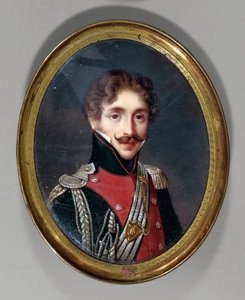
louis-françois aubry
1767 - 1851 , France
プロフィール概要
- Artistic Movement Or Style: Claudean landscape
- Artists Or Movements Influenced By This Artist: ['Impressionists']
- Artists Who Influenced This Artist: ['Claude Lorrain']
- Date Of Birth: 18 February 1767
- Date Of Death: 9 December 1849
- Full Name: John Glover
- Nationality: British
- Notable Artworks:
- Mount Wellington...
- Natives on Ouse...
- A view of house...
- Place Of Birth: Houghton-on-the-Hill, Leicestershire

