

 プレビュー
プレビュー
 シェアする
シェアする シェアする
シェアする
 詳細を見る
詳細を見る

 ダウンロード
 似ている作品
 X線調査
X線調査 スライドショー
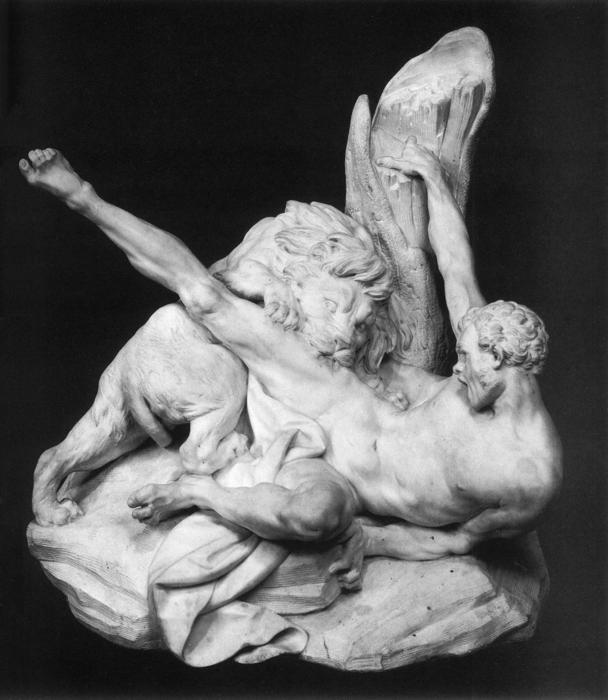
Milo of Croton


 詳細を見る
詳細を見る
ジークレー/アートプリント
迅速な制作と多彩な仕上げオプションを備えた、ミュージアムクオリティのジークレーまたはキャンバスプリント。 ( 手描きの絵画を購入 画像を購入)




P118B $10

P118H $10

P118W $10

P438Z $10

P508JH $12

P508YH $12

P805H $10

P805Z $10

P919BZ $10

P919G $10

P919XJ $10

P959ZH $10

P968JZ $12

W106C $8

W218G $10

W218JH $8

W218Y $10

W307PJ $10

W316G $10

W316PJ $8

W316Y $10

W398PJ $8

W4111J $10

W500HY $15

W500JH $15

W692G $12

W849H $8

W940BG $15

W953PJ $8




作品のオリジナル比率に合わせた、当店の規定サイズからお選びください。

特定のフレームやスペースに合わせて、ご自身でサイズを指定することも可能です。選択されたサイズが元の画像の比率と一致しない場合、作品をトリミングするか、鏡面反射または単色での塗りつぶしによって画像を拡張いたします。制作を開始する前に、ご確認用のデジタルモックアップをお送りいたします。
画面上のプレビューには、実際のトリミングや拡張は反映されませんのでご注意ください。最終的な構図を正確に確認できるのは、モックアップのみとなります。
カスタムサイズも承っておりますが、元の比率を維持するためには、あらかじめ用意されたリストからサイズを選択することをお勧めいたします。


 ガラスオプションは、110cm未満のサイズでのみご利用いただけます。

Milo of Croton
ジークレー/アートプリント
複製画のサイズ
-


合計金額
$ 62
作品詳細説明
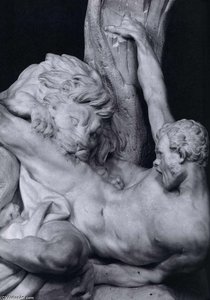
The Sculptor's Echo: Étienne Maurice Falconet’s “Milo of Croton”
Étienne Maurice Falconet’s “Milo of Croton,” a masterpiece sculpted from Carrara marble around 1754, isn’t merely a representation of an athlete; it’s a profound meditation on power, vulnerability, and the poignant beauty of human struggle. This iconic work, currently housed within the Louvre Museum in Paris, captures a pivotal moment – the aftermath of a legendary wrestling match that cemented Milo's place as one of ancient Greece’s most formidable figures. More than just a depiction of physical prowess, Falconet masterfully conveys an underlying sense of drama and emotional weight, inviting viewers to contemplate the cost of victory and the enduring nature of human spirit.
- The Narrative Frozen in Stone: The sculpture depicts Milo, draped in a lion’s skin – a deliberate reference to his legendary defeat of a lion as a young man – pinned to the ground by the beast. His body is contorted in a dynamic pose of desperate resistance, one arm raised in a futile attempt to break free, while his forearm rests heavily on his thigh, suggesting both exhaustion and unwavering determination.
- Neoclassical Elegance: Falconet’s work exemplifies the Neoclassical style, characterized by its emphasis on idealized forms, balanced composition, and a return to classical themes. The musculature of Milo's body is rendered with meticulous detail, showcasing his immense strength while simultaneously revealing the vulnerability beneath.
A Legacy Forged in Bronze and Porcelain
Falconet’s artistic journey was remarkably diverse, extending far beyond this celebrated marble sculpture. He rose to international prominence through his monumental bronze statue of Peter the Great for St. Petersburg, a project that solidified his reputation as a master sculptor. However, his legacy is equally significant in the realm of porcelain. Falconet served as a principal modeler for the Sèvres manufactory, elevating small-scale sculpture to an art form, creating exquisite figurines and decorative elements that adorned royal palaces across Europe. This dual career highlights his versatility and profound understanding of both monumental and miniature forms.
- The Peter the Great Commission: Falconet’s colossal bronze statue of Peter the Great in St. Petersburg remains a testament to his ambition and technical skill, showcasing his ability to capture grandeur and historical significance on an immense scale.
- Sèvres Porcelain Innovation: Falconet's work for Sèvres demonstrated his mastery of detail and technique, transforming small porcelain figures into miniature works of art that rivaled the quality of marble sculpture.
Symbolism Woven into Marble
Beyond its technical brilliance, “Milo of Croton” is rich in symbolic meaning. The lion represents not just a formidable opponent but also the forces of fate and adversity. Milo’s posture – pinned to the ground, struggling against an overwhelming power – speaks to the universal experience of confronting challenges and striving for freedom. The broken chains around his wrists, often overlooked, are a potent symbol of his triumph over restraint and limitations. The choice of marble itself—a material known for its durability and timelessness—underscores the enduring nature of Milo’s legend and Falconet's artistic vision.
- The Lion as Fate: The lion embodies the inevitable challenges and obstacles that life throws our way.
- Broken Chains, Unbound Spirit: Milo’s freed wrists symbolize his victory over adversity and his unwavering spirit.
A Timeless Resonance
“Milo of Croton” continues to resonate with viewers centuries after its creation. Its dramatic composition, masterful execution, and profound symbolism combine to create a work that transcends its historical context. Whether admired for its technical brilliance or appreciated for its evocative portrayal of human struggle, this sculpture remains a powerful reminder of the enduring allure of classical mythology and the timeless beauty of art’s ability to capture both strength and vulnerability.
関連作品


アーティストの略歴
The Sculptor of Grandeur and Delicate Beauty
Étienne Maurice Falconet stands as a pivotal figure in the late Baroque, Rococo, and early Neoclassical periods of French sculpture. Born in Paris in 1716, his journey from a humble apprenticeship to becoming one of the most celebrated artists of his time is a testament to talent, ambition, and an extraordinary ability to capture both power and grace. Falconet’s early life was marked by practical labor; he began as a marble cutter’s assistant, a far cry from the prestigious artistic circles he would eventually command. However, his innate talent for sculpting quickly shone through, producing clay and wood figures during his leisure hours that attracted the attention of Jean-Baptiste Lemoyne the Younger. This mentorship proved crucial, providing the formal training and guidance necessary to transform a skilled craftsman into a master of fine art.
As Falconet’s reputation grew, so did his ability to navigate the shifting aesthetic tides of the 18th century. His work seamlessly bridged the gap between the ornate, playful energy of the Rococo and the disciplined, heroic ideals of Neoclassicism. Early masterpieces like Milo of Croton (1754) secured his admission to the Académie des Beaux-Arts, marking a significant milestone in his career. In this work, Falconet demonstrated a remarkable capacity for realism and emotional depth, imbuing cold stone with the visceral struggle and legendary strength of the Greek athlete. His talent for capturing human feeling through anatomical precision established him as a rising star within the Parisian art world.
A Legacy in Bronze and Porcelain
While many sculptors are remembered for a single medium, Falconet’s versatility allowed him to leave an indelible mark on both monumental bronze and delicate porcelain. Perhaps his most enduring achievement is the colossal bronze statue of Peter the Great, known as "The Bronze Horseman," located in St. Petersburg, Russia. This monumental work serves as a triumph of scale and symbolism, capturing the imperial spirit of the Russian Tsar through dynamic movement and commanding presence. It remains one of the most iconic sculptural landmarks in Europe, representing the pinnacle of his ability to execute large-scale, historical narratives.
Parallel to his monumental bronze works, Falconet played a transformative role in the Royal Sèvres porcelain manufactory. Here, he elevated small-scale sculpture to an art form in its own right, infusing delicate porcelain figures with the same grace and sophistication found in his marble works. His contributions to Sèvres helped define the aesthetic of the era, blending elegance with intricate detail. His ability to master both the massive and the miniature is reflected in a diverse body of work that includes:
- Pygmalion and Galatea: A stunning marble sculpture capturing the mythical moment Aphrodite breathes life into stone, embodying the essence of artistic creation.
- Flora: A 1751 marble masterpiece that showcases his Neoclassical mastery through serene beauty and elegant form.
- Milo of Croton: A dynamic depiction of strength and struggle that highlights his skill in capturing intense physical emotion.
Through his mastery of various scales and styles, Étienne Maurice Falconet shaped the visual language of his century. Whether through the sweeping drama of a public monument or the intimate charm of a porcelain figurine, his work continues to resonate as a profound exploration of human emotion, myth, and the enduring beauty of form.
étienne maurice falconet
1716 - 1791 , France
基本情報
- Artistic Movement Or Style: Baroque, Rococo, Neoclassical
- Artists Or Movements Influenced By This Artist: ['Boucher']
- Artists Who Influenced This Artist: ['Jean-Baptiste Lemoyne']
- Date Of Birth: December 1, 1716
- Date Of Death: January 24, 1791
- Full Name: Étienne Maurice Falconet
- Nationality: French
- Notable Artworks:
- Bronze Horseman Statue
- Flora
- Milo of Croton
- Place Of Birth: Paris, France
関連記事
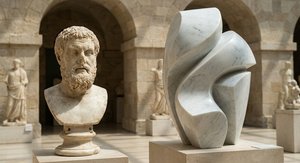
The Enduring Allure of Marble in Art History: From Classical Sculpture to Modern Abstraction
Explore the captivating history of marble sculpture from ancient Greece to modern art. Discover renowned artists like Canova & Michelangelo, carving techniques, and investment insights at ArtsDot.

Bronze Sculptures That Defined Art History | ArtsDot
Journey through art history with our Top 10 bronze sculptures! Explore masterpieces by Rodin, Michelangelo & more. Discover stories behind iconic statues and find museum-quality reproductions for your home decor at ArtsDot.com.

The Enduring Form: Exploring Themes & Techniques in Sculpture Across Historical Periods
Explore the rich history of sculpture from ancient masterpieces to contemporary innovations. Discover key techniques, influential artists & investment potential for discerning art collectors.

The Enduring Form: Sculpture Across History, Technique & Emotional Resonance
Explore the rich history of sculpture with ArtsDot. Discover key techniques, influential artists & investment potential for discerning collectors. Expert insights into valuing and collecting timeless masterpieces.

Bronze Age to Modern Masters: 10 Sculptures That Redefined Art | ArtsDot
Journey through art history with 10 legendary bronze sculptures – from Michelangelo's David to Rodin’s Thinker. Explore the stories, techniques & timeless beauty of these masterpieces. Find museum-quality reproductions & elevate your home decor on ArtsDot.com.

