

 プレビュー
プレビュー
 プリントを購入
 シェアする
シェアする シェアする
シェアする
 詳細を見る
詳細を見る

 ダウンロード
 似ている作品
 X線調査
X線調査 スライドショー
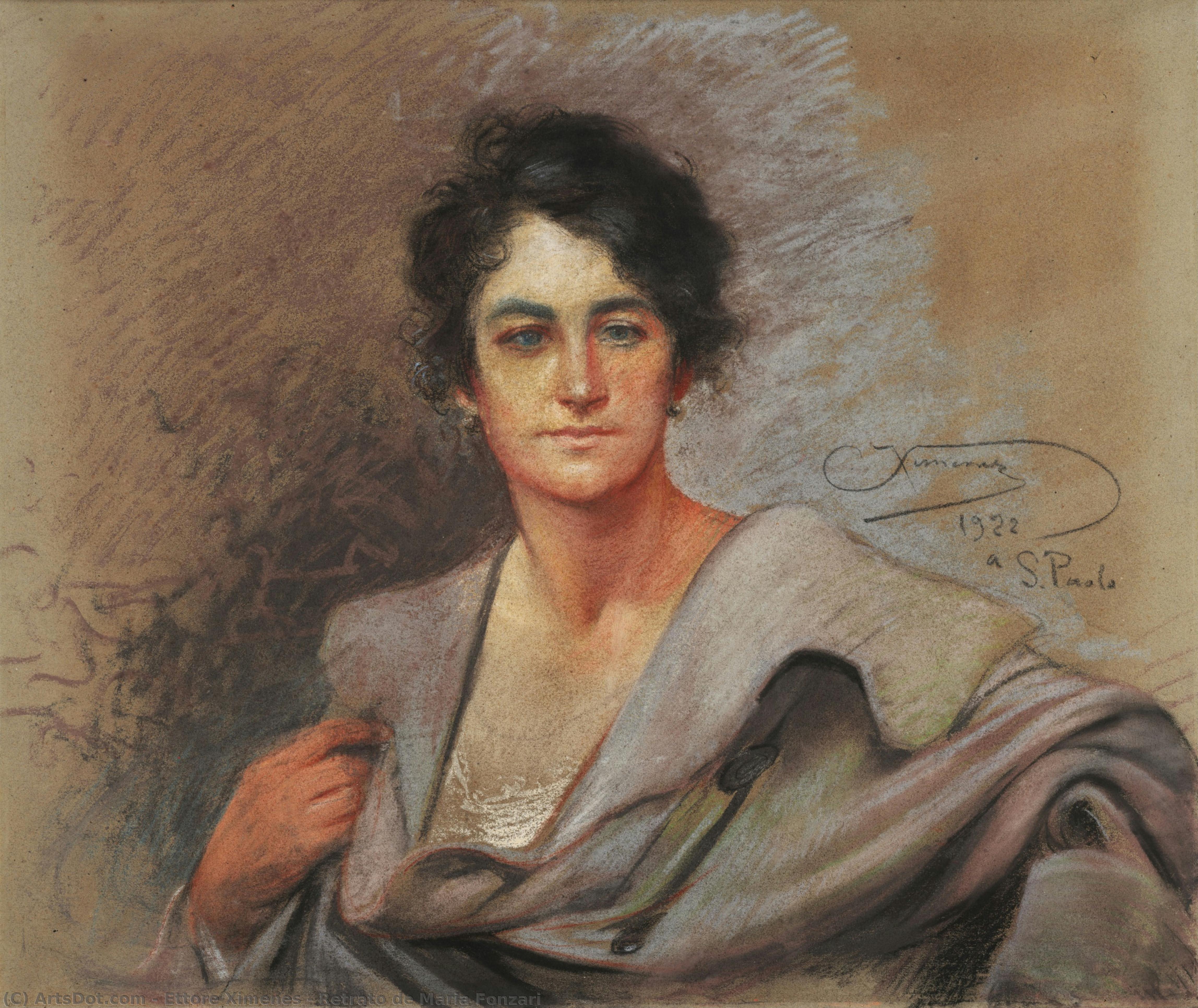
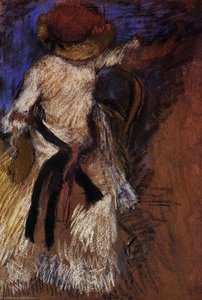
Retrato de Maria Fonzari
 Pastel
- Realism
 1922
1922- 19th Century
 53.0 x 65.0 cm
 Pinacoteca do Estado de São Paulo
 詳細を見る
詳細を見る
オンラインプレビューをはるかに凌ぐ、高解像度で鮮明なデジタル画像をご購入いただけます。
各ファイルは、社内の専門家が高度なツールと熟練した手作業によるレタッチを用いて、細心の注意を払って準備されています。すべての画像において、卓越した鮮明度、正確な色彩再現性、そして繊細なディテールを保証いたします。
最終ファイルは、プロフェッショナルな編集・印刷環境ですぐにご利用いただけるよう最適化された状態で、72時間以内にメールにてお届けいたします。これは、一流のデザインスタジオ、出版社、ギャラリーから信頼されているものと同等の品質です。
デジタル画像のご注文に付随する特典
高品質なデジタル画像配信を、確かな品質で。
ArtsDot.com を選ぶことは、単に画像を手に入れることではありません。それは、プロの手によって精密に仕上げられ、満足保証が付いた高品質なデジタルアートワークを受け取ることを意味します。ご注文いただいた際に自動的に付随する内容は、以下の通りです:

メールですぐにお届け
ご注文から72時間以内に、高解像度のデジタル画像ファイルがメールでお手元に届きます。すぐにそのままご利用いただけます。

AI技術で最適化されたデジタルファイル
お客様の作品は、高度なAIツールと専門家による手作業の編集を組み合わせてプロフェッショナルに最適化されており、細部のディテール、鮮明さ、そして正確な色再現性を最大限に引き出しています。

一生涯無料の再送サービス
ファイルを誤って削除したり、紛失してしまったりしましたか?ご安心ください。いつでも無料で再送いたします。

輸入手数料は一切かかりません
関税や手数料、配送料を気にすることなく、お気に入りのアートワークをすぐにお楽しみいただけます。デジタルダウンロードは常に免税です。

色彩再現の保証
プロ仕様のツールとカラーマネジメント技術を用いることで、デジタル画像が元の色を最大限に忠実に再現することを保証いたします。

100日間満足保証
ご購入いただいたデジタル画像にご満足いただけない場合は、100日以内であれば、理由を問わず修正または100%の返金対応をさせていただきます。

100% 返金保証
ご満足いただけない場合は、デジタルファイルを受け取ってから100日以内であれば、理由を問わず全額返金いたします。

まとめ買い割引
3枚購入で10%OFF - 5枚購入で15%OFF - 10枚以上購入で20%OFF。クリエイティブなプロジェクト、ギャラリー、エージェンシーに最適です。
A Glimpse into Intimacy: The Soul of Maria Fonzari
In the vast repertoire of Ettore Ximenes, a name synonymous with the monumental and the heroic, there exists a profound, quiet moment captured in Retrato de Maria Fonzari. While the world remembers Ximenes for his towering bronze monuments and grand allegories that define the skylines of Brazil and Italy, this particular work offers a rare, tender departure from the public sphere. Created in 1922, the portrait presents a woman of striking presence, her gaze meeting the viewer with an unwavering tranquility that suggests a deep, internal strength. There is no grand architectural backdrop here, only the soft, luminous presence of the subject, draped in white, which allows the viewer to focus entirely on the psychological depth of her expression.
The technique employed in this piece—a delicate application of pastel on paper—lends the work an ethereal, almost dreamlike quality that differs significantly from the heavy, tactile nature of Ximenes’ sculptures. The artist utilizes the medium to create soft transitions of light and shadow, particularly evident in the way the white fabric of her dress catches the light, creating a sense of volume and movement. This softness is contrasted by the precision of the facial features, where Ximenes demonstrates his mastery of anatomical accuracy. The result is a painting that feels both spontaneous and meticulously observed, as if we have stumbled upon a private moment of reflection during an artist's personal study.
Historical Resonance and Artistic Legacy
To understand the significance of this portrait, one must consider the era in which it was birthed. In 1922, Ximenes was living in Brazil, a period of his life marked by immense contributions to the nation's visual identity. While he was busy sculpting the very symbols of Brazilian independence, works like Retrato de Maria Fonzari served as vital creative outlets—exercises in pure aesthetic pleasure and personal interest rather than official commissions. This lack of formal obligation allowed for a level of artistic freedom that is palpable in the brushwork and the unpretentious pose of the sitter. She does not hold the stiff, ceremonial posture of a historical figure; instead, she possesses a natural dignity that feels timeless.
For the discerning collector or interior designer, this artwork represents more than just a beautiful image; it is a bridge between the monumental and the intimate. The piece carries the weight of history through Ximenes' prestigious lineage but maintains an accessibility that makes it suitable for modern, sophisticated environments. Its subtle palette of whites, creams, and warm skin tones offers a versatile elegance, capable of anchoring a room with a sense of classical grace without overwhelming the surrounding decor. It is a masterpiece of understated emotion, inviting anyone who gazes upon it to pause and engage in a silent dialogue with the past.
関連作品


作家の略歴
The Sculptor of Sicilian Dignity and Neo-Renaissance Vision
Born on April 11, 1855, in the sun-drenched city of Palermo, Ettore Ximenes emerged from a lineage that blended aristocratic grace with profound intellectual curiosity. As the son of Antonio Ximenes and the noble Giulia Tolentino, his early years were steeped in the cultural richness of Sicily. While his initial academic inclinations leaned toward the written word and literature, a transformative fascination with the tactile reality of stone and clay soon redirected his destiny. This shift led him to the prestigious Palermo Academy of Fine Arts, where he began the rigorous process of mastering anatomical precision and the delicate nuances of light and shadow through carving.
The trajectory of Ximenlyes’ artistry was further refined by his travels and the mentorship of masters in Naples. Following 1872, his studies at the Naples Academy of Fine Arts brought him into the orbit of legendary figures such as Vincenzo Gemito, Domenico Morelli, and Stanislao Lista. These encounters were pivotal, instilling in him a stylistic foundation rooted in classical ideals and the grandeur of antiquity. By synthesizing these influences, Ximenes developed a unique approach to the Neo-Renaissance style—a method that allowed him to mirror the monumental scale of the past while infusing his subjects with an unmistakable, emotive human depth.
A Mastery of Form and Symbolism
Ximenes’ work is characterized by a breathtaking command over diverse materials, from the ethereal translucency of polished marble to the enduring strength of bronze. His technique was never merely about technical perfection; it was about capturing the very soul of his subjects. Whether he was modeling clay or carving intricate stone details, his focus remained on textural nuance and anatomical truth. This dedication allowed him to explore themes ranging from civic virtue to religious devotion with equal fervor.
His repertoire included works that spoke to both the personal and the political, often utilizing subtle symbolic gestures to convey complex narratives:
- The Equilibrium: A life-size masterpiece depicting a gymnast on a sphere, showcasing his ability to capture tension and balance.
- Il cuore del re (Heart of the King): A poignant stucco work recounting a moment of royal charity, reflecting his interest in moral storytelling.
- Religious Devotion: Works such as Christ and the Adultress, which utilized classical forms to evoke spiritual reverence.
A Global Legacy of Monumental Grandeur
As his career progressed, Ximenes’ reputation transcended the borders of Italy, earning him international notoriety and a place among the great monumental sculptors of the turn of the century. His ability to weave Italian identity into the urban fabric of foreign cities became one of his most significant historical contributions. In the Americas, his hand shaped the landscape of memory; he was responsible for the Monument to the Independence of Brazil in São Paulo, a work that stands as a testament to his monumental scale and ambition.
His influence even reached the bustling streets of New York City, where he was commissioned to create sculptures honoring Italian icons such as Giovanni da Verrazzano and Dante Alighieri. These monuments served not only as artistic achievements but as cultural anchors for the Italian diaspora, celebrating a shared heritage through the permanence of stone. Through his tireless pursuit of beauty and his ability to monumentalize history, Ettore Ximenes left behind a legacy that continues to resonate, bridging the gap between the classical traditions of the Renaissance and the burgeoning realism of the modern era.
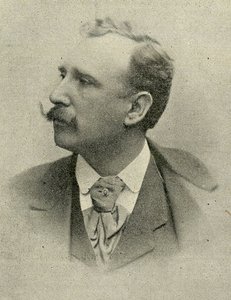
ettore ximenes
1855 - 1926 , Italy
プロフィール概要
- Artistic Movement Or Style: Realism, Symbolist & Neo-Renaissance
- Artists Or Movements Influenced By This Artist: ['AllPaintingsStore.com']
- Artists Who Influenced This Artist:
- Giotto di bondone
- Sandro botticelli
- Vincenzo marinelli
- Date Of Birth: 1855
- Date Of Death: 1926
- Full Name: ettore ximenes
- Nationality: Italian
- Notable Artworks: ['Scrovegni - [01] - expulsion of joachim from the temple']
- Place Of Birth: Palermo, Italy