

 プレビュー
プレビュー
 プリントを購入
 シェアする
シェアする シェアする
シェアする
 詳細を見る
詳細を見る

 ダウンロード
 似ている作品
 X線調査
X線調査 スライドショー
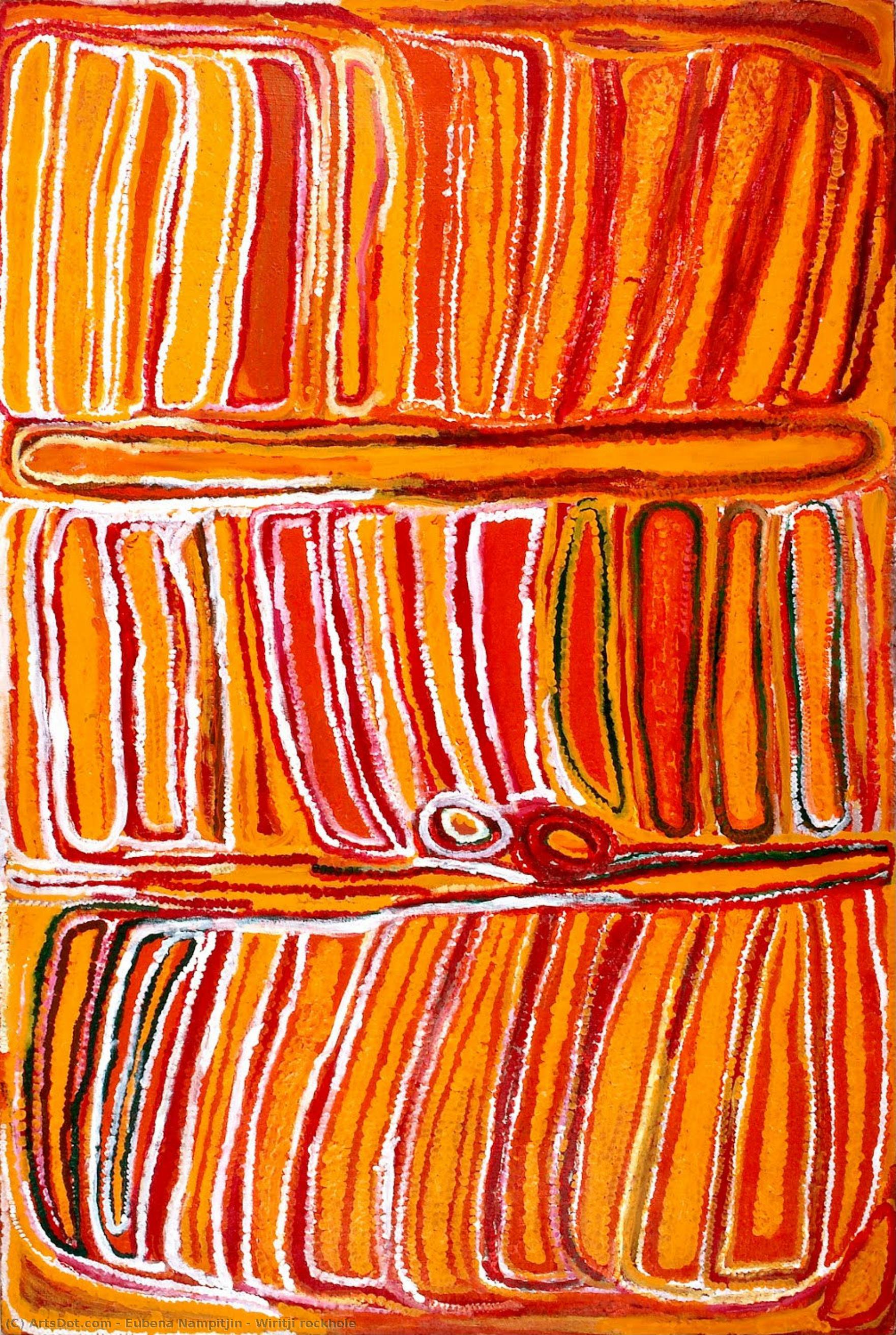
Wiritji rockhole
 詳細を見る
詳細を見る
オンラインプレビューをはるかに凌ぐ、高解像度で鮮明なデジタル画像をご購入いただけます。
各ファイルは、社内の専門家が高度なツールと熟練した手作業によるレタッチを用いて、細心の注意を払って準備されています。すべての画像において、卓越した鮮明度、正確な色彩再現性、そして繊細なディテールを保証いたします。
最終ファイルは、プロフェッショナルな編集・印刷環境ですぐにご利用いただけるよう最適化された状態で、72時間以内にメールにてお届けいたします。これは、一流のデザインスタジオ、出版社、ギャラリーから信頼されているものと同等の品質です。
デジタル画像のご注文に付随する特典
高品質なデジタル画像配信を、確かな品質で。
ArtsDot.com を選ぶことは、単に画像を手に入れることではありません。それは、プロの手によって精密に仕上げられ、満足保証が付いた高品質なデジタルアートワークを受け取ることを意味します。ご注文いただいた際に自動的に付随する内容は、以下の通りです:

メールですぐにお届け
ご注文から72時間以内に、高解像度のデジタル画像ファイルがメールでお手元に届きます。すぐにそのままご利用いただけます。

AI技術で最適化されたデジタルファイル
お客様の作品は、高度なAIツールと専門家による手作業の編集を組み合わせてプロフェッショナルに最適化されており、細部のディテール、鮮明さ、そして正確な色再現性を最大限に引き出しています。

一生涯無料の再送サービス
ファイルを誤って削除したり、紛失してしまったりしましたか?ご安心ください。いつでも無料で再送いたします。

輸入手数料は一切かかりません
関税や手数料、配送料を気にすることなく、お気に入りのアートワークをすぐにお楽しみいただけます。デジタルダウンロードは常に免税です。

色彩再現の保証
プロ仕様のツールとカラーマネジメント技術を用いることで、デジタル画像が元の色を最大限に忠実に再現することを保証いたします。

100日間満足保証
ご購入いただいたデジタル画像にご満足いただけない場合は、100日以内であれば、理由を問わず修正または100%の返金対応をさせていただきます。

100% 返金保証
ご満足いただけない場合は、デジタルファイルを受け取ってから100日以内であれば、理由を問わず全額返金いたします。

まとめ買い割引
3枚購入で10%OFF - 5枚購入で15%OFF - 10枚以上購入で20%OFF。クリエイティブなプロジェクト、ギャラリー、エージェンシーに最適です。
関連作品

作家の略歴
A Voice of the Desert: The Life and Legacy of Eubena Nampitjin
Born amidst the vast, sun-drenched expanses of the Canning Stock Route in remote Western Australia, Eubena Nampitjin emerged as a profound storyteller whose canvas served as a bridge between ancient tradition and contemporary expression. As a member of the Wangkajunga language group, her early years were defined by the rhythmic movements of nomadic life, traversing the Great Sandy Desert in pursuit of sustenance and spiritual connection. This formative period was not merely about survival; it was an immersion into a sacred landscape. Under the guidance of her mother, Nampitjin mastered the delicate art of traditional healing, a practice that deeply embedded within her a sense of responsibility toward her people and their land. This role as a healer and a primary law woman would later infuse her paintings with a spiritual weight, making every brushstroke an act of cultural preservation.
The trajectory of her life took a pivotal turn in 1963 when she relocated to Balgo, Western Australia. This move placed her at the heart of a burgeoning art movement centered around Lake Gregory, a site of immense cultural significance. It was here that Nampitjin’s intellectual and artistic pursuits began to intertwine. Beyond the canvas, she became a vital custodian of language, collaborating with linguists such as James Cowan to document the intricacies of the Kukatja language. This monumental effort, which culminated in the publication of a dictionary in 1992, ensured that the linguistic nuances of her ancestors would not be lost to time. Her deep engagement with the spoken word undoubtedly enriched her visual vocabulary, allowing her to translate the complex Dreamtime narratives into a tangible, visual medium.
The Evolution of Style and Symbolism
Nampitjin’s artistic journey is characterized by a remarkable stylistic evolution that mirrored her deepening connection to her ancestral motifs. While many of her contemporaries in the Balgo movement utilized dense fields of dots, Nampitjin’s work underwent a fascinating transition. In her earlier years, her technique was more traditional, but as she matured, she began to experiment with more fluid, expressive movements. Her 1991 masterpiece, Kinyu, stands as a testament to this period of transformation. Art historians have noted how this work moved away from the rigid structure of dotting toward a more rhythmic use of lines and vibrant color palettes, including soft yellows and pinks. This shift was not merely aesthetic; it served as a metaphor for the very surface of her country—a landscape that is both textured and ever-changing.
The themes within her work are inseparable from the geography of her homeland. Her paintings often serve as maps of memory, capturing the essence of the desert through:
- Ancestral Landscapes: The depiction of the Great Sandy Desert and the spiritual significance of specific waterholes and landmarks.
- Dreamtime Narratives: The visual translation of ancient stories that dictate the laws and customs of the Wangkajunga people.
- Cultural Resilience: The use of color and line to represent the enduring strength of her community and their connection to the earth.
Recognition and Enduring Significance
As her reputation grew, so did the international recognition of her profound talent. A defining moment in her career arrived in 1998, when she was honored with the Open Painting prize at the National Aboriginal and Torres Strait Islander Art Award. This accolade solidified her status as one of Australia’s most significant Indigenous artists. Her work, often created alongside her husband, Purungu Tjakata Tjapaltjarri, and her daughters, reflected a familial and communal approach to art-making that is central to the Warlayirti Artists organization.
In her later years, Nampitjin found her way back to the desert landscapes of her youth, using the familiar terrain as a primary motif for her final works. She continued to paint with vigor until her passing in 2013, leaving behind a legacy that transcends simple aesthetics. Her contribution to Australian art lies in her ability to weave together the roles of healer, linguist, and painter, creating a body of work that is simultaneously a personal memoir and a collective history of the Australian desert. Through her eyes, the world learned to see the profound beauty and the unbreakable spirit of the Wangkajunga people.
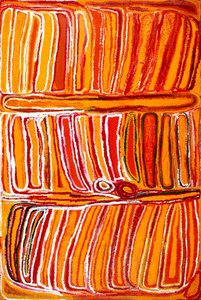
Eubena Nampitjin
1921 - 2013 , Australia
プロフィール概要
- Artistic Movement Or Style: Dot painting
- Date Of Birth: July 1, 1921
- Date Of Death: March 11, 2013
- Full Name: Eubena Nampitjin
- Nationality: Australian
- Notable Artworks: ['Kinyu']
- Place Of Birth: Tinnaroo, Australia