

 プレビュー
プレビュー
 プリントを購入
 シェアする
シェアする シェアする
シェアする
 詳細を見る
詳細を見る

 ダウンロード
 似ている作品
 X線調査
X線調査 スライドショー
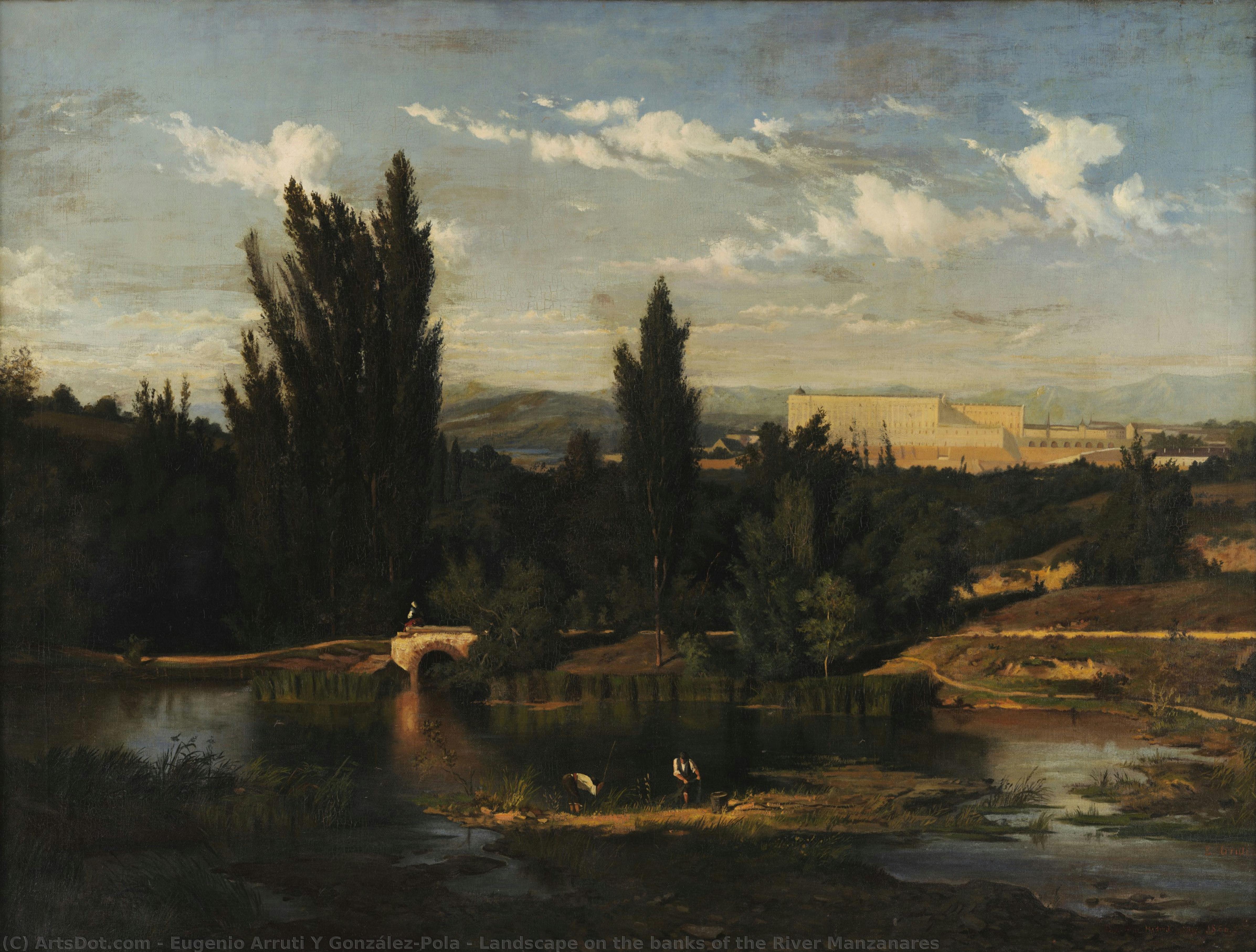
Landscape on the banks of the River Manzanares
 Realist Landscape Painting
 98.0 x 131.0 cm
 Gipuzkoa Heritage Collection Centre
 詳細を見る
詳細を見る
オンラインプレビューをはるかに凌ぐ、高解像度で鮮明なデジタル画像をご購入いただけます。
各ファイルは、社内の専門家が高度なツールと熟練した手作業によるレタッチを用いて、細心の注意を払って準備されています。すべての画像において、卓越した鮮明度、正確な色彩再現性、そして繊細なディテールを保証いたします。
最終ファイルは、プロフェッショナルな編集・印刷環境ですぐにご利用いただけるよう最適化された状態で、72時間以内にメールにてお届けいたします。これは、一流のデザインスタジオ、出版社、ギャラリーから信頼されているものと同等の品質です。
デジタル画像のご注文に付随する特典
高品質なデジタル画像配信を、確かな品質で。
ArtsDot.com を選ぶことは、単に画像を手に入れることではありません。それは、プロの手によって精密に仕上げられ、満足保証が付いた高品質なデジタルアートワークを受け取ることを意味します。ご注文いただいた際に自動的に付随する内容は、以下の通りです:

メールですぐにお届け
ご注文から72時間以内に、高解像度のデジタル画像ファイルがメールでお手元に届きます。すぐにそのままご利用いただけます。

AI技術で最適化されたデジタルファイル
お客様の作品は、高度なAIツールと専門家による手作業の編集を組み合わせてプロフェッショナルに最適化されており、細部のディテール、鮮明さ、そして正確な色再現性を最大限に引き出しています。

一生涯無料の再送サービス
ファイルを誤って削除したり、紛失してしまったりしましたか?ご安心ください。いつでも無料で再送いたします。

輸入手数料は一切かかりません
関税や手数料、配送料を気にすることなく、お気に入りのアートワークをすぐにお楽しみいただけます。デジタルダウンロードは常に免税です。

色彩再現の保証
プロ仕様のツールとカラーマネジメント技術を用いることで、デジタル画像が元の色を最大限に忠実に再現することを保証いたします。

60日間満足保証
ご購入いただいたデジタル画像にご満足いただけない場合は、60日以内であれば、修正または100%の返金(理由を問う必要はありません)をさせていただきます。

100% 返金保証
ご満足いただけない場合は、デジタルファイルを受け取ってから60日以内であれば、理由を問わず全額返金いたします。

まとめ買い割引
3枚購入で10%OFF - 5枚購入で15%OFF - 10枚以上購入で20%OFF。クリエイティブなプロジェクト、ギャラリー、エージェンシーに最適です。
関連作品
作家の略歴
Early Life and Artistic Foundations
Eugenio Arruti y González-Pola, born in the coastal town of Luanco, Spain, in 1841, emerged as a significant figure within the burgeoning Basque realist landscape movement. His early artistic journey was profoundly shaped by his studies under Carlos de Haes, a master known for his meticulous depictions of nature and atmospheric effects. This foundational training instilled in Arruti a deep appreciation for capturing the subtleties of light and shadow—a hallmark that would define his oeuvre. The Basque Country, with its dramatic coastlines, verdant hillsides, and ever-changing skies, provided an inexhaustible source of inspiration for the young artist. Unlike many of his contemporaries who sought grand historical or mythological subjects, Arruti found beauty and meaning in the everyday world around him, specifically the landscapes of Asturias and Guipúzcoa. This dedication to portraying the natural environment marked him as one of the first generation committed to Basque realism.The Development of a Distinct Style
Arruti’s artistic development was characterized by a relentless pursuit of authenticity in representing light and atmosphere. He wasn't merely documenting scenes; he was striving to convey the *feeling* of being present within them. His paintings are notable for their muted earth tones, often employing a pastel color palette that evokes a sense of tranquility and harmony. While influenced by de Haes’s precision, Arruti gradually developed his own unique voice—a style less concerned with photographic accuracy and more focused on capturing the emotional resonance of the landscape. He became adept at rendering the effects of mist, rain, and sunlight filtering through trees, creating paintings that are both visually captivating and deeply evocative. This ability to translate atmospheric conditions into tangible form quickly garnered him recognition within artistic circles.Key Works and Artistic Themes
Although a relatively small body of work survives, Arruti’s paintings offer compelling insights into his artistic vision. “Landscape on the River Manzanares” (1860), for example, exemplifies his mastery of Romantic oil painting techniques applied to Basque landscapes. The serene composition and atmospheric realism demonstrate his skill in capturing the beauty of nature. His dedication to portraying the landscapes of Asturias and Guipúzcoa is a recurring theme throughout his work, reflecting a deep connection to his homeland. He wasn’t interested in idealized or picturesque scenes; instead, he focused on representing the natural world as it was—with all its imperfections and nuances. This commitment to realism set him apart from many of his contemporaries who favored more stylized or dramatic representations.Exhibitions, Recognition, and Legacy
Arruti’s work received recognition through exhibitions at venues such as the Royal Academy of Fine Arts in San Sebastián, solidifying his position within the Spanish art world. While he may not have achieved widespread international fame during his lifetime, his contributions to Basque realist landscape painting are undeniable. He served as an important link between the earlier traditions of landscape painting and the emerging artistic movements of the late 19th century. His paintings continue to be admired for their atmospheric beauty, technical skill, and emotional depth. Eugenio Arruti y González-Pola’s legacy lies in his ability to capture the essence of the Basque Country—its light, its atmosphere, and its enduring natural beauty—and translate it onto canvas with remarkable sensitivity and artistry. His work remains a testament to the power of observation, dedication, and a deep connection to one's surroundings.Historical Significance
In the context of 19th-century Spanish art, Arruti’s focus on landscape painting represented a shift away from traditional historical and religious subjects. He was part of a growing movement that sought to celebrate the beauty of the natural world and portray the everyday lives of ordinary people. His paintings offer valuable insights into the social and cultural values of his time, reflecting a growing appreciation for regional identity and national pride. Furthermore, Arruti’s dedication to realism paved the way for future generations of Basque artists who would continue to explore the unique landscapes and artistic traditions of their homeland. His influence can be seen in the works of subsequent landscape painters who sought to capture the essence of the Basque Country with similar sensitivity and skill.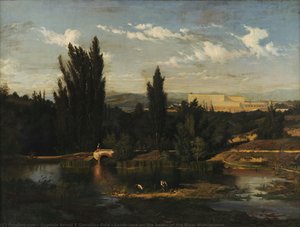
eugenio arruti y gonzález-pola
1841 - 1889 , Spain
プロフィール概要
- Artistic Movement Or Style: Basque Realism
- Artists Who Influenced This Artist: ['Carlos de Haes']
- Date Of Birth: June 4, 1841
- Date Of Death: 1889
- Full Name: Eugenio Arruti y González-Pola
- Nationality: Spanish
- Notable Artworks: ['Landscape on the River Manzanares']
- Place Of Birth: Luanco, Spain

