

 プレビュー
プレビュー
 シェアする
シェアする シェアする
シェアする
 詳細を見る
詳細を見る

 ダウンロード
 似ている作品
 X線調査
X線調査 スライドショー
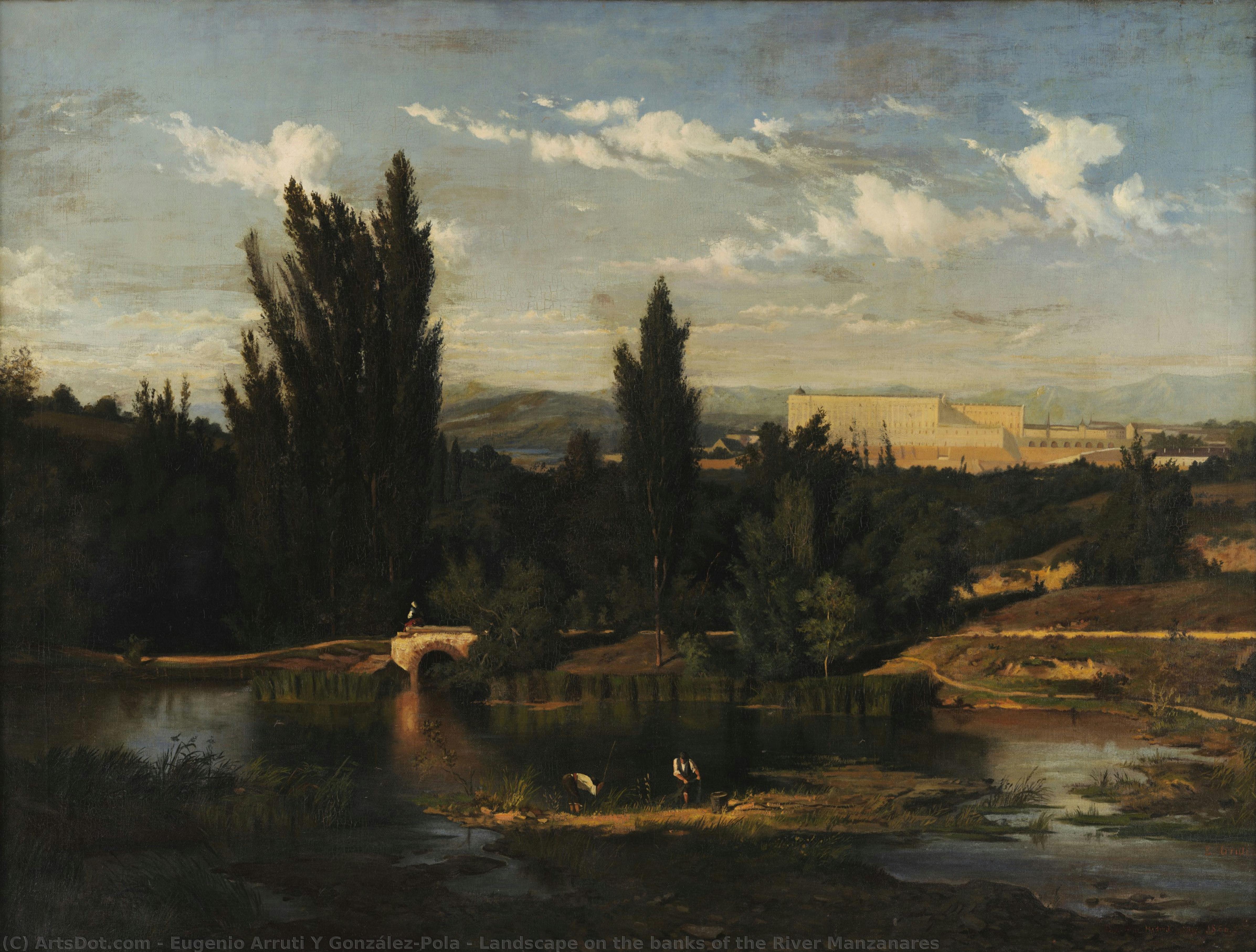
Landscape on the banks of the River Manzanares
 Realist Landscape Painting
 98.0 x 131.0 cm
 Gipuzkoa Heritage Collection Centre
 詳細を見る
詳細を見る
ジークレー/アートプリント
迅速な制作と多彩な仕上げオプションを備えた、ミュージアムクオリティのジークレーまたはキャンバスプリント。 ( 手描きの絵画を購入 画像を購入)




































作品のオリジナル比率に合わせた、当店の規定サイズからお選びください。

特定のフレームやスペースに合わせて、ご自身でサイズを指定することも可能です。選択されたサイズが元の画像の比率と一致しない場合、作品をトリミングするか、鏡面反射または単色での塗りつぶしによって画像を拡張いたします。制作を開始する前に、ご確認用のデジタルモックアップをお送りいたします。
画面上のプレビューには、実際のトリミングや拡張は反映されませんのでご注意ください。最終的な構図を正確に確認できるのは、モックアップのみとなります。
カスタムサイズも承っておりますが、元の比率を維持するためには、あらかじめ用意されたリストからサイズを選択することをお勧めいたします。


 ガラスオプションは、110cm未満のサイズでのみご利用いただけます。

Landscape on the banks of the River Manzanares
ジークレー/アートプリント
複製画のサイズ
-


合計金額
$ 62
関連作品
アーティストの略歴
Early Life and Artistic Foundations
Eugenio Arruti y González-Pola, born in the coastal town of Luanco, Spain, in 1841, emerged as a significant figure within the burgeoning Basque realist landscape movement. His early artistic journey was profoundly shaped by his studies under Carlos de Haes, a master known for his meticulous depictions of nature and atmospheric effects. This foundational training instilled in Arruti a deep appreciation for capturing the subtleties of light and shadow—a hallmark that would define his oeuvre. The Basque Country, with its dramatic coastlines, verdant hillsides, and ever-changing skies, provided an inexhaustible source of inspiration for the young artist. Unlike many of his contemporaries who sought grand historical or mythological subjects, Arruti found beauty and meaning in the everyday world around him, specifically the landscapes of Asturias and Guipúzcoa. This dedication to portraying the natural environment marked him as one of the first generation committed to Basque realism.The Development of a Distinct Style
Arruti’s artistic development was characterized by a relentless pursuit of authenticity in representing light and atmosphere. He wasn't merely documenting scenes; he was striving to convey the *feeling* of being present within them. His paintings are notable for their muted earth tones, often employing a pastel color palette that evokes a sense of tranquility and harmony. While influenced by de Haes’s precision, Arruti gradually developed his own unique voice—a style less concerned with photographic accuracy and more focused on capturing the emotional resonance of the landscape. He became adept at rendering the effects of mist, rain, and sunlight filtering through trees, creating paintings that are both visually captivating and deeply evocative. This ability to translate atmospheric conditions into tangible form quickly garnered him recognition within artistic circles.Key Works and Artistic Themes
Although a relatively small body of work survives, Arruti’s paintings offer compelling insights into his artistic vision. “Landscape on the River Manzanares” (1860), for example, exemplifies his mastery of Romantic oil painting techniques applied to Basque landscapes. The serene composition and atmospheric realism demonstrate his skill in capturing the beauty of nature. His dedication to portraying the landscapes of Asturias and Guipúzcoa is a recurring theme throughout his work, reflecting a deep connection to his homeland. He wasn’t interested in idealized or picturesque scenes; instead, he focused on representing the natural world as it was—with all its imperfections and nuances. This commitment to realism set him apart from many of his contemporaries who favored more stylized or dramatic representations.Exhibitions, Recognition, and Legacy
Arruti’s work received recognition through exhibitions at venues such as the Royal Academy of Fine Arts in San Sebastián, solidifying his position within the Spanish art world. While he may not have achieved widespread international fame during his lifetime, his contributions to Basque realist landscape painting are undeniable. He served as an important link between the earlier traditions of landscape painting and the emerging artistic movements of the late 19th century. His paintings continue to be admired for their atmospheric beauty, technical skill, and emotional depth. Eugenio Arruti y González-Pola’s legacy lies in his ability to capture the essence of the Basque Country—its light, its atmosphere, and its enduring natural beauty—and translate it onto canvas with remarkable sensitivity and artistry. His work remains a testament to the power of observation, dedication, and a deep connection to one's surroundings.Historical Significance
In the context of 19th-century Spanish art, Arruti’s focus on landscape painting represented a shift away from traditional historical and religious subjects. He was part of a growing movement that sought to celebrate the beauty of the natural world and portray the everyday lives of ordinary people. His paintings offer valuable insights into the social and cultural values of his time, reflecting a growing appreciation for regional identity and national pride. Furthermore, Arruti’s dedication to realism paved the way for future generations of Basque artists who would continue to explore the unique landscapes and artistic traditions of their homeland. His influence can be seen in the works of subsequent landscape painters who sought to capture the essence of the Basque Country with similar sensitivity and skill.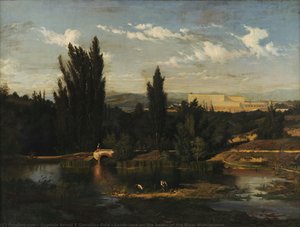
eugenio arruti y gonzález-pola
1841 - 1889 , Spain
基本情報
- Artistic Movement Or Style: Basque Realism
- Artists Who Influenced This Artist: ['Carlos de Haes']
- Date Of Birth: June 4, 1841
- Date Of Death: 1889
- Full Name: Eugenio Arruti y González-Pola
- Nationality: Spanish
- Notable Artworks: ['Landscape on the River Manzanares']
- Place Of Birth: Luanco, Spain
関連記事

ロマン派ランドスケープ:時代を彩る巨匠の10選|アートとインテリアの世界
ロマン派絵画の時代を彩る10選。巨匠たちの風景が織りなす感動の世界へ。ターナー、ルーベンスなど、名作の裏話と高精細複製でアートをお部屋に。ArtsDot.comで至福のアート体験を。
Evoking Nature's Sublime: A Comprehensive Exploration of 19th-Century Landscape Painting
Explore the captivating world of 19th-century landscape painting! Discover renowned artists like Friedrich & Monet, key movements, and find the perfect artwork to bring nature's serenity into your home. Expert insights at ArtsDot.
Evoking Emotion & Transcendence: Romantic Landscape Painting (18th-19th Century)
Explore the emotional depth of Romantic landscape painting (18th-19th century). Discover key artists like Friedrich & Cole, and the concepts of the sublime. Expert insights for art lovers & collectors.
The Sublime and the Picturesque: Exploring Emotion & Nature in Romantic Landscape Painting
Explore the emotional power of Romantic landscape painting! Discover the sublime & picturesque traditions, key artists like Friedrich & Cole, and find your perfect artwork at ArtsDot.

ジョン・コンスタブルの傑作25選:英国風景画の巨匠が描く自然と光の詩 | ArtsDot
ジョン・コンスタブルの傑作25選。英国風景画の巨匠が描く自然と光の詩の世界へ。ロマン主義を代表する絵画、デダム・ヴェールやヘイ・ウェインなど、ArtsDotで高品質なアートプリントをお楽しみください。インテリアに深みと感動を。コレクションはこちら。

