

 プレビュー
プレビュー
 シェアする
シェアする シェアする
シェアする
 詳細を見る
詳細を見る

 ダウンロード
 似ている作品
 X線調査
X線調査 スライドショー
 Stats
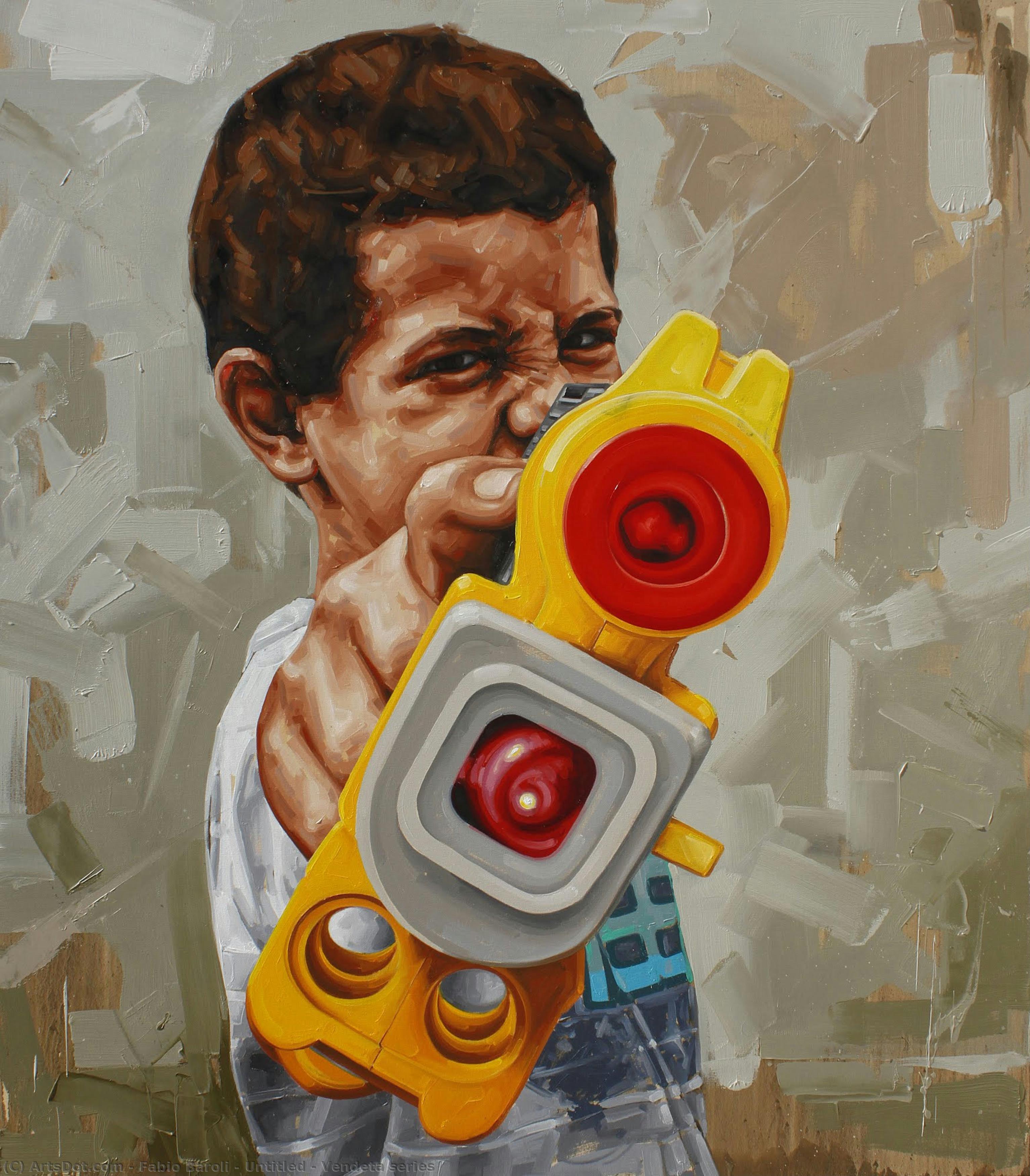
StatsUntitled | Vendeta series
 Painting
- Contemporary Realism
 2012
2012- Contemporary
 140.0 x 160.0 cm
 MAM Rio
 詳細を見る
詳細を見る
ジークレー/アートプリント
迅速な制作と多彩な仕上げオプションを備えた、ミュージアムクオリティのジークレーまたはキャンバスプリント。 ( 手描きの絵画を購入 Switch to Digital Image)




P118B $10

P118H $10

P118W $10

P438Z $10

P508JH $12

P508YH $12

P805H $10

P805Z $10

P919BZ $10

P919G $10

P919XJ $10

P959ZH $10

P968JZ $12

W106C $8

W218G $10

W218JH $8

W218Y $10

W307PJ $10

W316G $10

W316PJ $8

W316Y $10

W398PJ $8

W4111J $10

W500HY $15

W500JH $15

W692G $12

W849H $8

W940BG $15

W953PJ $8




作品のオリジナル比率に合わせた、当店の規定サイズからお選びください。

特定のフレームやスペースに合わせて、ご自身でサイズを指定することも可能です。選択されたサイズが元の画像の比率と一致しない場合、作品をトリミングするか、鏡面反射または単色での塗りつぶしによって画像を拡張いたします。制作を開始する前に、ご確認用のデジタルモックアップをお送りいたします。
画面上のプレビューには、実際のトリミングや拡張は反映されませんのでご注意ください。最終的な構図を正確に確認できるのは、モックアップのみとなります。
カスタムサイズも承っておりますが、元の比率を維持するためには、あらかじめ用意されたリストからサイズを選択することをお勧めいたします。


 ガラスオプションは、110cm未満のサイズでのみご利用いただけます。

Untitled | Vendeta series
ジークレー/アートプリント
複製画のサイズ
-


合計金額
$ 62
A Moment Frozen in Innocence and Tension
In the evocative painting Untitled from the Vendeta series, Brazilian artist Fabio Baroli invites us into a deeply cinematic and psychologically charged scene. At first glance, the viewer is met with the striking image of a young boy, whose small stature contrasts sharply with the gravity of his actions. He holds a toy gun, pointing it with a focused intensity that blurs the line between childhood play and a more somber, adult-like confrontation. Baroli masterfully captures the delicate facial expressions of the child, rendering a look that is simultaneously curious and resolute, pulling the observer into the boy's private world of imagination and perceived consequence.
The composition extends far beyond the central figure, weaving a complex narrative through the surrounding environment. A clock hangs silently on the wall behind him, acting as a subtle memento mori—a reminder of the relentless passage of time that eventually strips away the shield of childhood innocence. In the periphery, the presence of other figures in what appears to be a shared or public space adds a layer of social tension. These background characters suggest a world that is watching, yet perhaps indifferent, creating a sense of isolation for the protagonist even amidst a crowd. This interplay between the individual and the collective is a hallmark of Baroli’s ability to transform a single moment into a universal meditation on growth and vulnerability.
Masterful Technique and Visual Depth
Baroli’s technique in this piece demonstrates a sophisticated command over light, shadow, and texture. The painting possesses a remarkable level of detail that breathes life into the fabric of the scene, from the subtle contours of the boy's face to the atmospheric depth of the background. His style, which often blends elements of modernism with bold, figurative storytelling, allows for a rich layering of meaning. The use of light serves not only to illuminate the subject but to sculpt the emotional weight of the piece, casting shadows that hint at the complexities hidden within the Vendeta series.
For collectors and interior designers, this artwork offers a profound opportunity to introduce a conversation piece into any curated space. The painting’s large scale—measuring 140 x 160 cm—commands attention, making it an ideal centerpiece for a sophisticated gallery wall or a focal point in a contemporary living area. Its ability to evoke both nostalgia and introspection makes it a versatile choice for those seeking art that transcends mere decoration. A high-quality reproduction of this work allows the nuanced brushwork and the hauntingly beautiful atmosphere of Baroli's vision to be experienced intimately, bringing a touch of Brazilian contemporary mastery into the home.
関連作品

アーティストの略歴
Jenny Saville: A Body of Flesh and Questions
Jenny Saville, born in Cambridge in 1970, is a British painter whose work has irrevocably shifted the conversation around representation in contemporary art. Initially emerging as one of the Young British Artists (YBAs) alongside figures like Damien Hirst and Tracey Emin – though she ultimately charted her own distinct course – Saville’s career has been defined by an uncompromising engagement with the female form, particularly its materiality and the complex relationship between the body and societal expectations. Her canvases are not merely portraits; they are visceral explorations of flesh, volume, and the often-difficult experience of being a woman in the 21st century. Saville’s work has been exhibited at prestigious institutions worldwide, including the Museo di Palazzo Vecchio in Venice, the Scottish National Gallery in Edinburgh, and the Gagosian Gallery, solidifying her position as one of the most significant artists working today.Early Influences and the YBA Scene
Saville’s artistic journey began within the vibrant, often chaotic, environment of the Young British Artists movement in the late 1980s and early 1990s. This period was marked by a rejection of traditional art institutions and a desire to challenge established norms through provocative and often confrontational work. While Saville shared some initial connections with other YBAs – attending Goldsmiths College alongside Hirst and Emin – her approach quickly diverged. Where the YBAs frequently employed shock tactics and conceptual strategies, Saville’s focus remained firmly rooted in the direct observation and rendering of the human body. Her early works, like “People” (1992), already hinted at the monumental scale and intensely detailed depictions that would become her signature style. This piece, a sprawling image of nude figures draped across a bed, established her interest in exploring the physicality of the body and its inherent contradictions – beauty alongside decay, vulnerability alongside power.The Rubensesque Approach: Volume and Materiality
What distinguishes Saville’s work is not simply *what* she paints but *how* she paints it. Drawing inspiration from the Baroque masters like Rubens, Saville employs a technique characterized by meticulous layering of oil paint to build up incredible depth and volume. Her canvases are often enormous – frequently exceeding six feet in height – creating an immersive experience for the viewer. She meticulously renders every pore, wrinkle, and curve of her subjects’ skin, using a palette dominated by rich, saturated colors that heighten the tactile quality of the images. This deliberate attention to detail elevates the mundane—the texture of flesh, the sheen of sweat—to a level of profound beauty and significance. Critics have noted a deliberate blurring of the lines between representation and abstraction; Saville’s paintings are undeniably figurative, yet they also possess an undeniable sense of formal power and compositional complexity.Themes of Gender, Body Image, and Societal Pressure
Saville's work is deeply concerned with issues surrounding gender, body image, and the pressures exerted upon women by societal ideals of beauty. Her subjects are often depicted in states of vulnerability, confronting viewers with their own anxieties about appearance and self-perception. The sheer scale of her paintings forces a confrontation with the physicality of the female form, challenging conventional notions of modesty and demanding a critical engagement with the ways in which our bodies are constructed and interpreted. She tackles themes of obesity, the experience of being overweight, and the often-destructive impact of unrealistic beauty standards—subjects rarely explored so directly in mainstream art. Her paintings aren’t simply celebrations of the female body; they are interrogations of its representation and its relationship to power dynamics.Legacy and Critical Reception
Jenny Saville's work has garnered widespread critical acclaim and significant commercial success. She is represented by some of the world’s leading galleries, including Gagosian Gallery, and her paintings are held in prestigious collections worldwide, including The Broad in Los Angeles and the Metropolitan Museum of Art in New York. Her influence extends beyond the realm of painting, inspiring a new generation of artists to explore themes of materiality, representation, and the complexities of the human experience. Saville’s continued exploration of the female body, coupled with her masterful technique and unflinching honesty, ensures that she remains one of the most vital and compelling voices in contemporary art. Her work invites us to reconsider our own perceptions of beauty, vulnerability, and the enduring power of the image.
fabio baroli
1970 - , Brazil
基本情報
- Artistic Movement Or Style: Figurative painting
- Artists Or Movements Influenced By This Artist:
- YBA scene
- Neo-conceptual art
- Artists Who Influenced This Artist:
- Rubenes
- Cubism
- Abstract Expressionism
- Date Of Birth: 1970
- Full Name: Jenny Saville
- Nationality: British
- Notable Artworks:
- Stripped
- Morning and Evening
- The Last Supper
- Place Of Birth: Cambridge, UK
関連記事
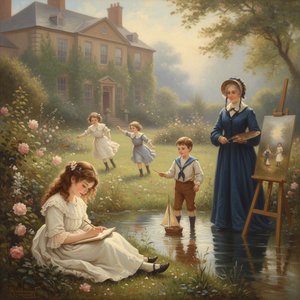
James Sant: Capturing Victorian Childhood & the Evolving Landscape of British Genre Painting
Explore the life & art of James Sant (1820-1916), renowned Victorian portraitist to Queen Victoria. Discover his captivating depictions of childhood, landscapes, and aristocratic society. Learn about his legacy & find fine art reproductions.
ヴェネツィア・ビエンナーレ厳選25作品:芸術と歴史が織りなす至高のコレクション | ArtsDot
ヴェネツィア・ビエンナーレの至宝25選。印象派から現代アートまで、名画の背景にある物語と芸術家の情熱を紐解きます。ArtsDotで、キャンバスアートや油絵複製をお楽しみください。今すぐコレクションをご覧ください。
追憶の具現化:幼年記憶を油彩で蘇らせ、世代を超えて語り継ぐ芸術的遺産
ArtsDotで、幼い頃の記憶を油絵で蘇らせませんか?熟練の職人が手作りする高品質な複製画やカスタムアート。世代を超えて語り継ぐ芸術的遺産を、安心・確実にお届けします。

幼少期の輝きを永遠に:AI技術と手彩画が織りなす、写真の物語的変容とその文化的意義
ArtsDotのAI手彩画で、大切な写真を超越した芸術作品へ。熟練画家が油絵を丁寧に描き上げ、家族の物語を永遠に刻みます。高品質・安心保証。今すぐオーダーメイドのアートを始めましょう!

Jacob Lawrence: Narratives of Struggle, Resilience & Modernist Innovation
Explore the powerful narratives of Jacob Lawrence, a pivotal African American artist of the Harlem Renaissance. Discover his iconic 'Migration Series,' dynamic cubism style, and lasting impact on American art history.