
- ホーム

- デジタル画像一覧
- family of indian painters who were active in the pahari region, mainly in the kangra valley, from around 1740 to 1830
 プレビュー
プレビュー
 シェアする
シェアする シェアする
シェアする
 詳細を見る
詳細を見る

 ダウンロード
 似ている作品
 X線調査
X線調査 スライドショー
 Stats
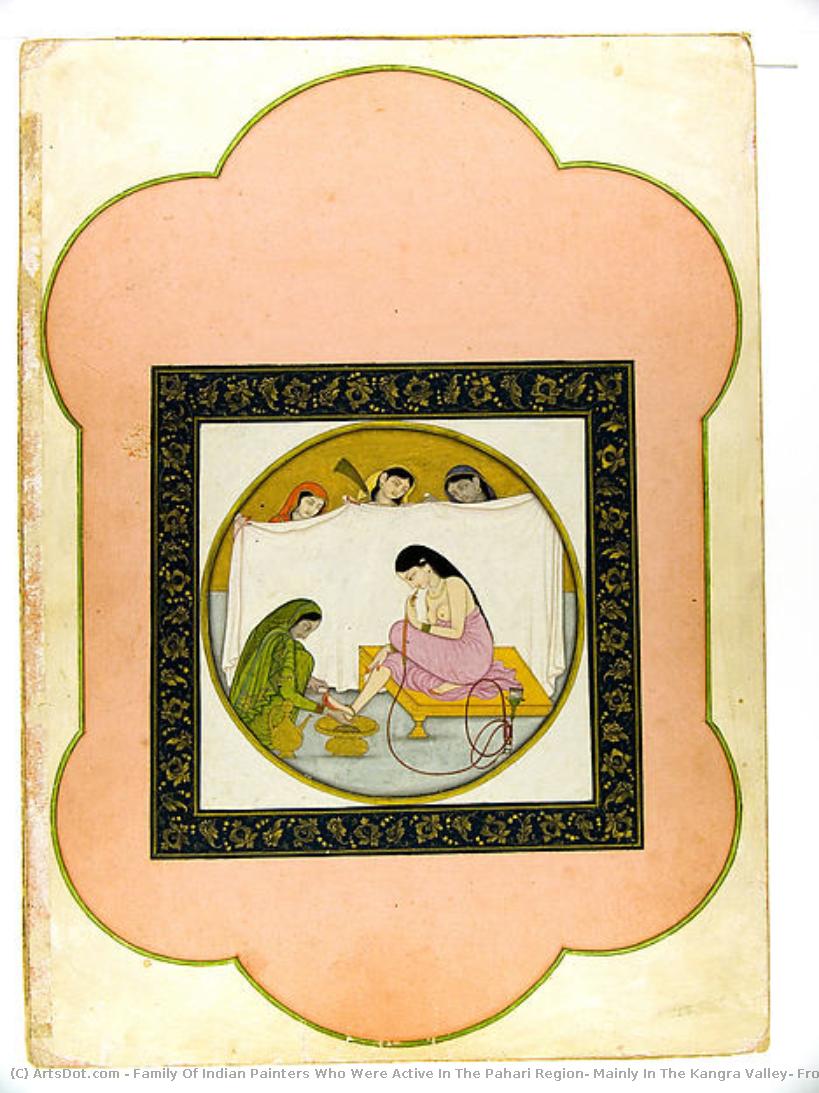
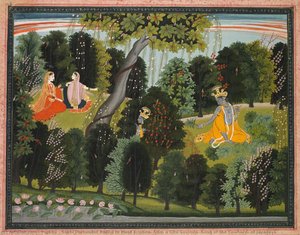
StatsRadha Prepares to Meet Her Lover
 Pahari Painting
 1780
1780 28.0 x 20.0 cm
 詳細を見る
詳細を見る
オンラインプレビューをはるかに凌ぐ、高解像度で鮮明なデジタル画像をご購入いただけます。
各ファイルは、社内の専門家が高度なツールと熟練した手作業によるレタッチを用いて、細心の注意を払って準備されています。すべての画像において、卓越した鮮明度、正確な色彩再現性、そして繊細なディテールを保証いたします。
最終ファイルは、プロフェッショナルな編集・印刷環境ですぐにご利用いただけるよう最適化された状態で、72時間以内にメールにてお届けいたします。これは、一流のデザインスタジオ、出版社、ギャラリーから信頼されているものと同等の品質です。
デジタルアート
個人での鑑賞、印刷、クリエイティブなプロジェクト用に、高解像度ファイルをダウンロードできます。 ( Switch to Print 手描きの絵画を購入)
デジタル画像のご注文に付随する特典
高品質なデジタル画像配信を、確かな品質で。
ArtsDot.com を選ぶことは、単に画像を手に入れることではありません。それは、プロの手によって精密に仕上げられ、満足保証が付いた高品質なデジタルアートワークを受け取ることを意味します。ご注文いただいた際に自動的に付随する内容は、以下の通りです:

メールですぐにお届け
ご注文から72時間以内に、高解像度のデジタル画像ファイルがメールでお手元に届きます。すぐにそのままご利用いただけます。

AI技術で最適化されたデジタルファイル
お客様の作品は、高度なAIツールと専門家による手作業の編集を組み合わせてプロフェッショナルに最適化されており、細部のディテール、鮮明さ、そして正確な色再現性を最大限に引き出しています。

一生涯無料の再送サービス
ファイルを誤って削除したり、紛失してしまったりしましたか?ご安心ください。いつでも無料で再送いたします。

輸入手数料は一切かかりません
関税や手数料、配送料を気にすることなく、お気に入りのアートワークをすぐにお楽しみいただけます。デジタルダウンロードは常に免税です。

色彩再現の保証
プロ仕様のツールとカラーマネジメント技術を用いることで、デジタル画像が元の色を最大限に忠実に再現することを保証いたします。

100日間満足保証
ご購入いただいたデジタル画像にご満足いただけない場合は、100日以内であれば、理由を問わず修正または100%の返金対応をさせていただきます。

100% 返金保証
ご満足いただけない場合は、デジタルファイルを受け取ってから100日以内であれば、理由を問わず全額返金いたします。

まとめ買い割引
3枚購入で10%OFF - 5枚購入で15%OFF - 10枚以上購入で20%OFF。クリエイティブなプロジェクト、ギャラリー、エージェンシーに最適です。
関連作品


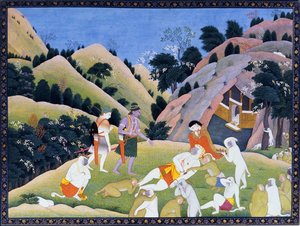
作家の略歴
The Legacy of the Kangra School: Exploring the Artistic Family Behind Pahari Miniature Painting
The Kangra School, nestled in the verdant Himalayan foothills of Himachal Pradesh, stands as a beacon of Indian miniature painting—a tradition profoundly shaped by the artistic endeavors of a remarkable family. Emerging around 1740 and flourishing until approximately 1830, this lineage represents the first generation following the legendary masters Pandit Seu and Nainsukh, establishing itself as one of the most influential forces in Himalayan art history. To understand their contribution is to delve into a world where individual talent was inextricably linked to familial heritage, creating a cohesive yet diverse aesthetic that captured the very soul of the Pahari region. The foundations of this dynasty were laid by Pandit Seu, the patriarch whose meticulous approach and dedication to portraying Hindu mythology—particularly the enchanting legends of Krishna—became the cornerstone of the Kangra style. His workshop in Guler served as a crucible for artistic excellence. This tradition was further refined by his nephew, Nainsukh, a painter of unparalleled brilliance who dared to experiment with innovative techniques. By skillfully blending the grandeur of Mughal influences with traditional Pahari sensibilities, Nainsukh expanded the stylistic repertoire available to his descendants, imbuing images with an unprecedented emotional depth and a gift for precise observation.A Collaborative Vision: The Six Younger Artists
The true breadth of this family's impact is best seen through the collective work of the six younger artists: Khushala, Kama, Gaudhu, Nikka, Ranjha, and Fattu. As the sons of Manaku and Nainsukh, these painters inherited a prestigious workshop and a shared artistic vocabulary. While they faced the inevitable challenges of limited patronage and the necessity of seeking opportunities in various small courts across the region, their prolific output remains a testament to their consistent vision. Their work demonstrates a fascinating evolution, where the more angular and monochrome tendencies seen in some early works gradually transitioned into the refined, lyrical, and emotionally resonant style that defines the peak of the Kangra School. The movement of these artists was often dictated by the political landscape of the time. As Nainsukh himself left the family workshop in Guler to find work in Jasrota and later Basohli, his kin followed similar paths, seeking new patrons among the Rajput rulers. This dispersion, while challenging for a centralized school, allowed the Kangra style to permeate different courts, leaving an indelible mark on the artistic landscape of the entire valley.Artistic Mastery and Historical Significance
The achievements of this family extend far beyond mere technical skill; they captured the essence of human emotion and divine romance. Their oeuvre includes celebrated series such as the Gita Govinda, the Bhagavata Purana, and the Ramayana, works that utilized a sophisticated language of color and line to narrate sacred stories. The mastery of their "absolutely assured hand" allowed them to convey subtle nuances of facial expression and the delicate textures of nature, making their miniatures windows into a spiritual and romantic ideal. The historical significance of this group lies in their role as bridge-builders between eras and styles. They successfully integrated the sophisticated elements of Mughal painting—such as refined portraiture and complex compositions—into the local Pahari tradition, which had previously been more focused on religious iconography. In doing so, they created a unique aesthetic that was both cosmopolitan and deeply rooted in the Himalayan landscape. Today, the legacy of these painters remains a vital chapter in the history of Indian art, representing a period of unparalleled harmony between technical innovation and spiritual devotion.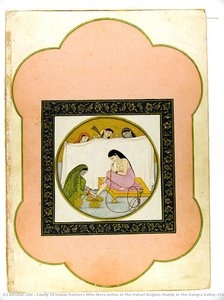
プロフィール概要
- Artistic Movement Or Style: Pahari art
- Artists Or Movements Influenced By This Artist: ['European Romanticism']
- Artists Who Influenced This Artist:
- Pandit Seu
- Nainsukh
- Date Of Death: Living
- Full Name: Family of Indian painters
- Nationality: Indian
- Notable Artworks:
- Churning of the ocean Manthan
- The Palace of the Pandava Brothers Set
- Place Of Birth: Guler, India