

 プレビュー
プレビュー
 プリントを購入
 シェアする
シェアする シェアする
シェアする
 詳細を見る
詳細を見る

 ダウンロード
 似ている作品
 X線調査
X線調査 スライドショー
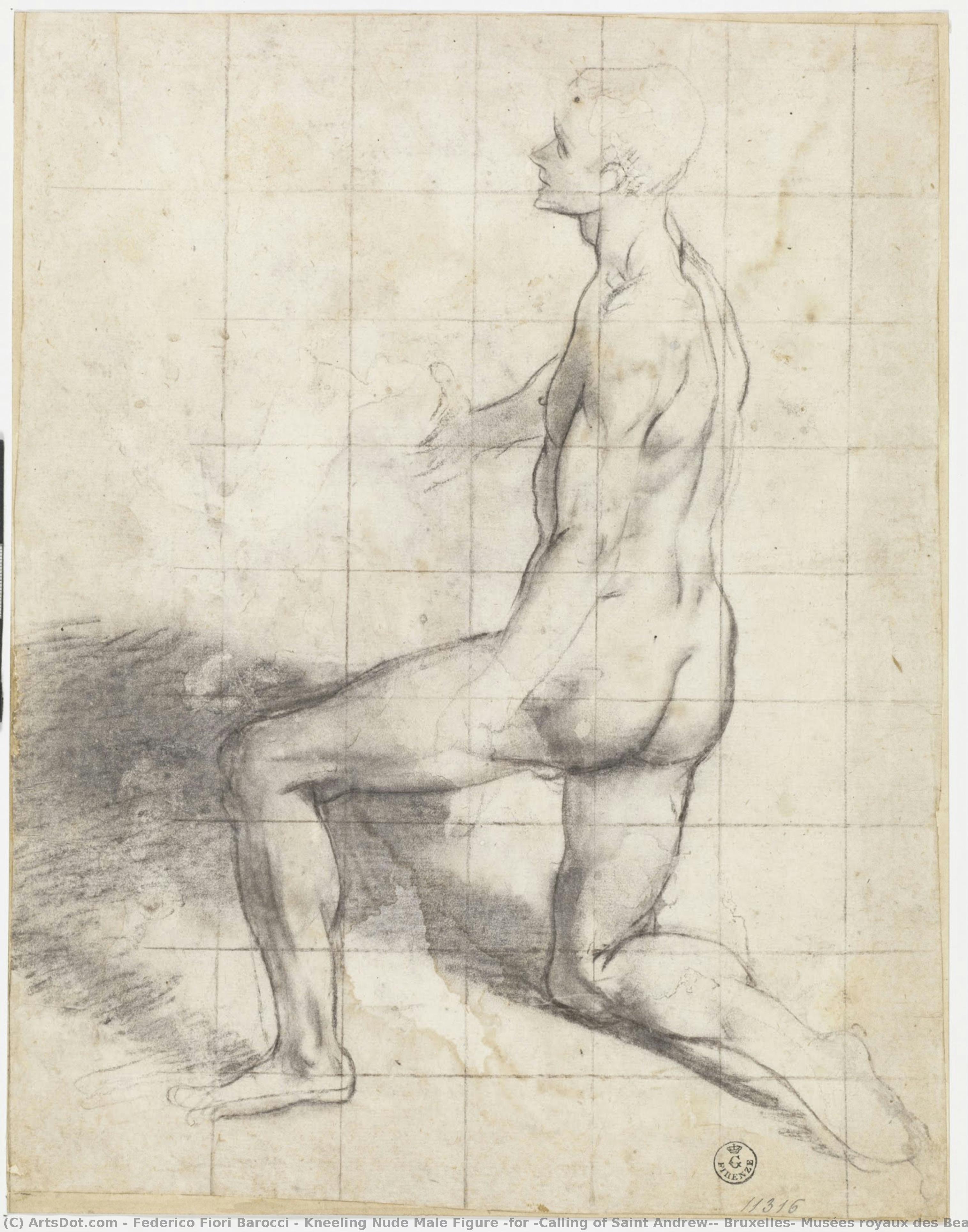
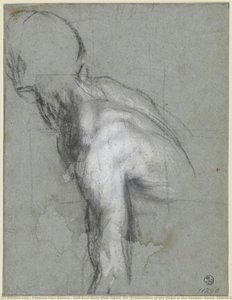
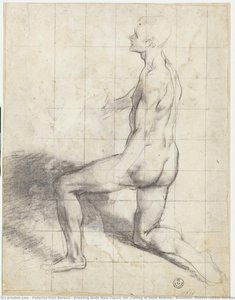
Kneeling Nude Male Figure (for “Calling of Saint Andrew”, Bruxelles, Musées royaux des Beaux-Arts de Belgique)
 Oil On Canvas
- WallArt
- Baroque
 1583
1583 34.0 x 27.0 cm
 ウフィツィ美術館
 詳細を見る
詳細を見る
オンラインプレビューをはるかに凌ぐ、高解像度で鮮明なデジタル画像をご購入いただけます。
各ファイルは、社内の専門家が高度なツールと熟練した手作業によるレタッチを用いて、細心の注意を払って準備されています。すべての画像において、卓越した鮮明度、正確な色彩再現性、そして繊細なディテールを保証いたします。
最終ファイルは、プロフェッショナルな編集・印刷環境ですぐにご利用いただけるよう最適化された状態で、72時間以内にメールにてお届けいたします。これは、一流のデザインスタジオ、出版社、ギャラリーから信頼されているものと同等の品質です。
デジタル画像のご注文に付随する特典
高品質なデジタル画像配信を、確かな品質で。
ArtsDot.com を選ぶことは、単に画像を手に入れることではありません。それは、プロの手によって精密に仕上げられ、満足保証が付いた高品質なデジタルアートワークを受け取ることを意味します。ご注文いただいた際に自動的に付随する内容は、以下の通りです:

メールですぐにお届け
ご注文から72時間以内に、高解像度のデジタル画像ファイルがメールでお手元に届きます。すぐにそのままご利用いただけます。

AI技術で最適化されたデジタルファイル
お客様の作品は、高度なAIツールと専門家による手作業の編集を組み合わせてプロフェッショナルに最適化されており、細部のディテール、鮮明さ、そして正確な色再現性を最大限に引き出しています。

一生涯無料の再送サービス
ファイルを誤って削除したり、紛失してしまったりしましたか?ご安心ください。いつでも無料で再送いたします。

輸入手数料は一切かかりません
関税や手数料、配送料を気にすることなく、お気に入りのアートワークをすぐにお楽しみいただけます。デジタルダウンロードは常に免税です。

色彩再現の保証
プロ仕様のツールとカラーマネジメント技術を用いることで、デジタル画像が元の色を最大限に忠実に再現することを保証いたします。

60日間満足保証
ご購入いただいたデジタル画像にご満足いただけない場合は、60日以内であれば、修正または100%の返金(理由を問う必要はありません)をさせていただきます。

100% 返金保証
ご満足いただけない場合は、デジタルファイルを受け取ってから60日以内であれば、理由を問わず全額返金いたします。

まとめ買い割引
3枚購入で10%OFF - 5枚購入で15%OFF - 10枚以上購入で20%OFF。クリエイティブなプロジェクト、ギャラリー、エージェンシーに最適です。
Federico Barocci’s “Calling of Saint Andrew”: A Study in Light, Form, and Renaissance Drama
Federico Fiori Barocci's "Calling of Saint Andrew," created in 1583 for the Brussels-based “Calling of Saint Andrew” altarpiece, is more than just a depiction of a biblical scene; it’s a masterclass in Renaissance composition and an intimate glimpse into the artist’s innovative approach to capturing human form and emotion. This particular study, housed within the Musées royaux des Beaux-Arts de Belgique, offers a concentrated distillation of Barocci's artistic vision – a testament to his profound understanding of light, anatomy, and the dramatic potential inherent in religious narrative.
The scene itself is deceptively simple: Saint Andrew, already chosen for martyrdom, kneels in humble supplication as Jesus Christ calls him to follow. Yet, Barocci elevates this familiar story through a meticulously orchestrated arrangement of figures. The central focus rests squarely on the kneeling Andrew, his posture radiating both vulnerability and resolute acceptance. His muscular physique, rendered with remarkable realism, is subtly contrasted against the flowing drapery that clings to his form, creating a dynamic interplay between strength and grace. Notice how Barocci doesn’t simply depict Andrew as a passive subject; he embodies a powerful sense of inner conviction.
The Language of Light and Shadow
Barocci's genius lies not just in his anatomical accuracy but also in his masterful manipulation of light and shadow. The composition is dominated by a strong directional light source, likely originating from the upper left, casting dramatic shadows that sculpt Andrew’s body and emphasize the folds of his garments. This chiaroscuro effect – a hallmark of Renaissance painting – imbues the scene with an almost theatrical quality, drawing the viewer's eye to the central figure and amplifying the emotional intensity of the moment. The subtle gradations of light and dark create a sense of depth and volume, making the figures appear remarkably tangible.
Furthermore, observe how Barocci uses reflected light – glimpsed in the faces of the other disciples – to subtly illuminate their expressions, hinting at their individual reactions to Christ’s call. This delicate interplay of direct and indirect illumination is a key element of Barocci's distinctive style, contributing significantly to the painting’s overall sense of realism and drama.
A Pioneering Approach: Pastel Studies and Artistic Process
This particular study offers a rare opportunity to witness Barocci’s innovative artistic process. Unlike many artists who relied solely on preparatory sketches, Barocci employed an extensive series of studies – primarily in pastel and charcoal – to meticulously plan his larger works. These preliminary drawings weren't merely outlines; they were explorations of light, composition, and color that informed the final painting. The detail evident in this study—the individual strands of hair, the subtle wrinkles on Andrew’s face, the texture of his clothing—demonstrates Barocci’s obsessive attention to detail.
The pastel medium itself was crucial to Barocci's method. Its soft, luminous quality allowed him to experiment with delicate gradations of tone and create a sense of atmospheric depth that would later influence generations of artists. Barocci’s use of pastel in these studies is particularly significant as it predates the widespread adoption of this technique by other major painters, establishing him as a pioneer in its application within religious art.
Symbolism and Spiritual Resonance
Beyond its technical brilliance, “Calling of Saint Andrew” resonates with profound symbolic meaning. Andrew’s kneeling posture represents humility and submission to God's will – a central theme in Christian theology. The act of calling signifies not just a summons to follow Christ but also an invitation to embrace a life of sacrifice and service. The other disciples, depicted in various states of reaction—some attentive, some hesitant, some already accepting the call—reflect the diverse human responses to faith.
Barocci’s masterful rendering of this complex narrative elevates it beyond a simple historical depiction, transforming it into a powerful meditation on faith, obedience, and the transformative power of divine grace. The study provides a valuable insight into how Barocci translated these profound ideas into a visually arresting and emotionally resonant work of art.
関連作品
作家の略歴
生い立ちと初期の修業
1535年、イタリアのウルビーノに生まれたフェデリコ・フィオリ・バロッキは、ルネサンス期の画家であり版画家の道を歩み始めました。当初の名前はフェデリコ・フィオリでしたが、「イル・バロッキョ」という愛称で知られるようになります。これは北西イタリアの方言で「牛車」を意味し、彼の出自を表しています。父親アンブロージョ・バロッキは地元の名高い彫刻家であり、幼少の頃からその才能を見せ、最初に父親のもとで絵画の基礎を学びました。その後、ウルビーノの画家バッティスタ・フランコに師事し、将来の成功へと繋がる確固たる基盤を築きました。芸術的キャリアと影響
バロッキの作品は高く評価され、ピーター・パウル・ルーベンスのようなバロック様式を先取りするものでした。ローマの名門スタジオであるタッデオとフェデリコ・ッズゥッカーリのもとで働き、様々な芸術的影響を受けました。彼の初期の重要な作品の一つに、聖サクレメント教団のために制作された「聖マルガリータ」があります。さらに、ピウス4世からバチカン・ベルヴェデーレ宮殿の装飾を依頼され、聖母子像や天使たちを描き、また、「受胎告知」というフレスコ画の天井画も手がけました。バロッキのスタイルは、マニエリスムとバロック様式の要素が混ざり合ったものでした。代表作と遺産
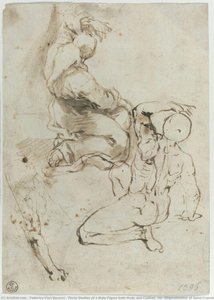
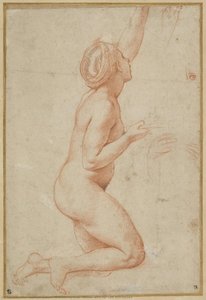
彼の才能を示す作品は数多く存在します。男性像の習作5点と右腕・手の習作2点(フィレンツェ、ウフィツィ美術館)は、バロッキが人間の形を捉える能力を証明しています。また、「割礼」のための構図研究(パリ、ルーブル美術館)は、彼の構成力と感情表現の巧みさを示しています。「聖アンドレアの召命」のための男性の頭部(ブリュッセル、王立美術博物館)は、細部へのこだわりと表情豊かな描写を際立たせています。1597年に制作された油彩画「降誕」(プラド美術館)、ウフィツィ美術館に所蔵されている「民衆の聖母」、そして愛らしい猫が描かれた「猫の聖母(La Madonna del Gatto)」も彼の代表作として知られています。1582年の作品である「受胎告知」もまた、バロッキの芸術的才能を物語る傑作です。芸術的影響と後世への貢献
バロッキの影響は、ピーター・パウル・ルーベンスをはじめとする多くの芸術家の作品に見られます。特にルーベンスは、バロッキの劇的で感情豊かな筆致から大きなインスピレーションを受けました。彼の遺産は、フィレンツェ(イタリア)のウフィツィ美術館やパリ(フランス)のルーブル美術館など、世界中の美術館に所蔵されている数多くの作品を通して今もなお称えられています。バロッキの絵画は、ルネサンスとバロックという二つの時代を繋ぐ架け橋となり、後世の芸術家たちに多大な影響を与え続けています。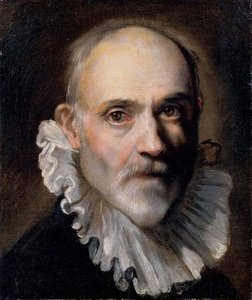
フェデリコ・バロッキ
1535 - 1612 , イタリア
プロフィール概要
- Artistic Movement Or Style: ルネサンス、バロック
- Artists Or Movements Influenced By This Artist: ['ピーテル・パウル・ルーベンス']
- Artists Who Influenced This Artist: ['バッティスタ・フランコ']
- Date Of Birth: 1535年
- Date Of Death: 1612年
- Full Name: フェデリコ・フィオリ・バロッキ
- Nationality: イタリア人
- Notable Artworks (List Of Titles):
- 降誕図
- マドンナ・デル・ポポロ
- 受胎告知
- Place Of Birth (City And Country): ウルビーノ、イタリア

