

 プレビュー
プレビュー
 プリントを購入
 シェアする
シェアする シェアする
シェアする
 詳細を見る
詳細を見る

 ダウンロード
 似ている作品
 X線調査
X線調査 スライドショー
Rua Direita, Rio de Janeiro
 Oil On Canvas
- WallArt
- Romantic Landscape
 1823
1823 22.0 x 28.0 cm
 Pinacoteca do Estado de São Paulo
 詳細を見る
詳細を見る
オンラインプレビューをはるかに凌ぐ、高解像度で鮮明なデジタル画像をご購入いただけます。
各ファイルは、社内の専門家が高度なツールと熟練した手作業によるレタッチを用いて、細心の注意を払って準備されています。すべての画像において、卓越した鮮明度、正確な色彩再現性、そして繊細なディテールを保証いたします。
最終ファイルは、プロフェッショナルな編集・印刷環境ですぐにご利用いただけるよう最適化された状態で、72時間以内にメールにてお届けいたします。これは、一流のデザインスタジオ、出版社、ギャラリーから信頼されているものと同等の品質です。
デジタル画像のご注文に付随する特典
高品質なデジタル画像配信を、確かな品質で。
ArtsDot.com を選ぶことは、単に画像を手に入れることではありません。それは、プロの手によって精密に仕上げられ、満足保証が付いた高品質なデジタルアートワークを受け取ることを意味します。ご注文いただいた際に自動的に付随する内容は、以下の通りです:

メールですぐにお届け
ご注文から72時間以内に、高解像度のデジタル画像ファイルがメールでお手元に届きます。すぐにそのままご利用いただけます。

AI技術で最適化されたデジタルファイル
お客様の作品は、高度なAIツールと専門家による手作業の編集を組み合わせてプロフェッショナルに最適化されており、細部のディテール、鮮明さ、そして正確な色再現性を最大限に引き出しています。

一生涯無料の再送サービス
ファイルを誤って削除したり、紛失してしまったりしましたか?ご安心ください。いつでも無料で再送いたします。

輸入手数料は一切かかりません
関税や手数料、配送料を気にすることなく、お気に入りのアートワークをすぐにお楽しみいただけます。デジタルダウンロードは常に免税です。

色彩再現の保証
プロ仕様のツールとカラーマネジメント技術を用いることで、デジタル画像が元の色を最大限に忠実に再現することを保証いたします。

60日間満足保証
ご購入いただいたデジタル画像にご満足いただけない場合は、60日以内であれば、修正または100%の返金(理由を問う必要はありません)をさせていただきます。

100% 返金保証
ご満足いただけない場合は、デジタルファイルを受け取ってから60日以内であれば、理由を問わず全額返金いたします。

まとめ買い割引
3枚購入で10%OFF - 5枚購入で15%OFF - 10枚以上購入で20%OFF。クリエイティブなプロジェクト、ギャラリー、エージェンシーに最適です。
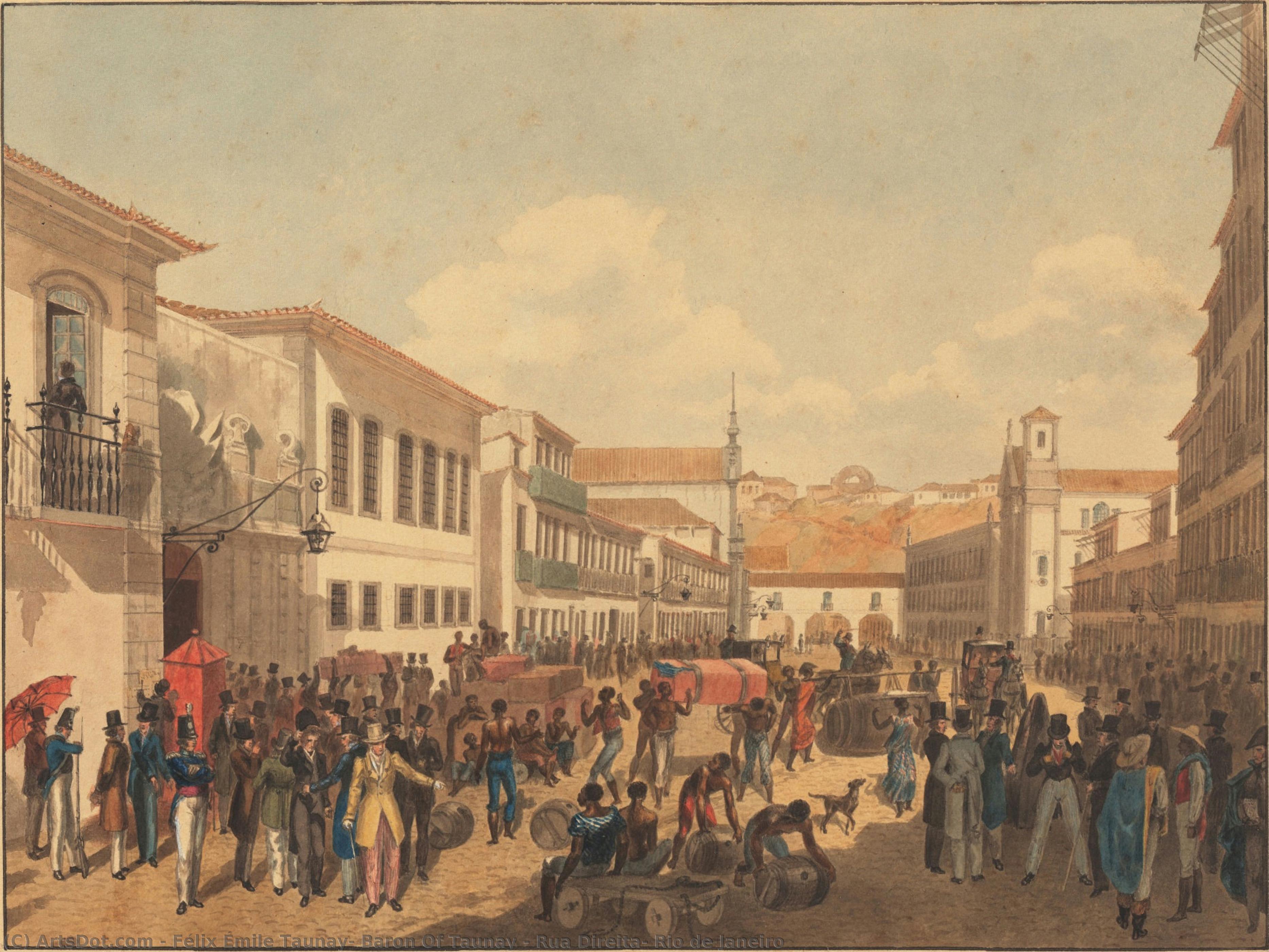
Rua Direita, Rio de Janeiro – Félix Émile Taunay
Félix Émile Taunay’s “Rua Direita,” painted in 1823, stands as a cornerstone of Brazilian Romanticism and a testament to the artist's masterful observation of urban life during a pivotal moment in Brazilian history. Captured on canvas with meticulous detail—a vibrant watercolor executed in shades of ochre, umber, and ivory black—the painting transports viewers back to Rio de Janeiro’s bustling streets nearly two centuries ago. More than just a depiction of scenery, “Rua Direita” embodies the spirit of its time, reflecting anxieties about social change and capturing the complex interplay between tradition and modernity.A Window into Imperial Brazil
The artwork emerged from Taunay's involvement in the French Artistic Mission dispatched to Brazil by Napoleon Bonaparte. This ambitious endeavor aimed to establish a formal academy for artistic instruction—the Imperial Academy of Fine Arts—marking a significant step towards elevating Brazilian art and culture. Taunay’s residency in Rio allowed him to immerse himself in the city’s vibrant atmosphere, documenting its architectural grandeur alongside the everyday realities of its inhabitants. The painting serves as invaluable historical record, offering insights into the social fabric of Brazil under Pedro II's reign—a period characterized by rapid urbanization and growing tensions between elites and marginalized communities.Technique and Style: Impressionistic Detail
Taunay’s artistic approach aligns closely with emerging Impressionist tendencies, prioritizing atmospheric perspective and capturing fleeting moments of light and color. Unlike the polished surfaces favored by Neoclassical painters, Taunay employed loose brushstrokes—a technique characteristic of Romanticism—to convey a sense of movement and immediacy. The artist skillfully blended pigments to achieve subtle tonal variations, creating depth and luminosity that bring the street scene to life. Careful attention was paid to capturing the interplay between sunlight and shadow, enhancing the painting’s emotional impact and conveying a palpable feeling of urban energy.Symbolism and Emotional Resonance
Beyond its technical prowess, “Rua Direita” resonates with profound symbolic significance. The densely populated street—filled with figures engaged in animated conversation—represents the dynamism of Brazilian society during this transformative era. The presence of both affluent gentlemen and laborers underscores the social stratification prevalent at the time, prompting contemplation on issues of equality and justice. Furthermore, Taunay’s masterful use of color contributes to the painting's emotive power, evoking feelings of warmth, vibrancy, and perhaps even a hint of melancholy—a reflection of the anxieties inherent in navigating rapid societal change.A Legacy Enduring Through Reproduction
Today, “Rua Direita” resides within the Pinacoteca do Estado de São Paulo’s collection, ensuring its enduring presence as an emblem of Brazilian artistic heritage. High-quality reproductions offer art enthusiasts and interior designers alike a chance to experience Taunay's vision—a captivating glimpse into Rio de Janeiro’s past and a celebration of Romanticism’s expressive power. Its timeless beauty continues to inspire admiration and serves as a reminder of the transformative role that art plays in documenting history and conveying emotion.関連作品


![Praia Dom Manuel [dom Manuel Beach] — Félix Émile Taunay, Baron Of Taunay, Romanticism](/media/artworks/images-thumb/30/f5/30f5f6a7971c1d1d10f94900ca4c9e09.jpg)
作家の略歴
Félix Émile Taunay, Baron of Taunay: A Life in Art
Early Life and Education
Félix Émile Taunay, Baron of Taunay, a renowned French-Brazilian painter, was born on March 1, 1795, in Montmorency, France – a house once belonging to Jean-Jacques Rousseau. His father, Nicolas-Antoine Taunay, was also a painter and an aristocrat, holding membership in the newly founded Institut de France. This familial artistic background profoundly shaped Félix’s early development.
Journey to Brazil and Early Career
In 1816, following Napoleon Bonaparte's defeat, Félix Émile Taunay and his father embarked on a new chapter in Brazil. Invited by the Marquis of Marialva, Pedro José Joaquim Vito de Meneses Coutinho, they sought to establish an artistic presence in the burgeoning South American nation. Three years later, Nicolas-Antoine returned to France, leaving Félix to assume his post at the Escola Nacional de Belas Artes (then known as Academia Imperial de Belas Artes).
Artistic Development and Style
Taunay’s artistic style evolved through a blend of Neoclassical training inherited from his father and the vibrant landscapes of Brazil. He became particularly celebrated for his landscape paintings, capturing the beauty and grandeur of Brazilian nature with meticulous detail. His portraits also demonstrate a keen observation of character and social standing.
Royal Tutorship and Recognition
In 1834, Félix Émile Taunay ascended to the position of headmaster at the Academia Imperial de Belas Artes. A pivotal moment arrived in 1835 when he was appointed as a tutor to the young Emperor Pedro II, instructing him in Greek, drawing, and literature. This fostered a close friendship that lasted for years. His contributions were formally recognized with the title of Baron of Taunay, along with appointments to the Order of the Rose, Order of Merit, and as a Chevalier of the Légion d'honneur in 1851.
Major Achievements and Legacy
- Captured the essence of Brazilian landscapes in numerous paintings.
- Played a crucial role in shaping art education at the Escola Nacional de Belas Artes.
- Cultivated a close relationship with Emperor Pedro II, influencing cultural life.
- Became a member of the Brazilian Historic and Geographic Institute, contributing to scholarly pursuits.
Later Life and Historical Significance
Despite his successes, Taunay’s later years were marked by declining health, specifically blindness, which led to his premature retirement. He passed away on April 10, 1881, uttering the poignant words, “Adieu, belle nature du Brésil! Adieu, ma belle cascade!” (Farewell, beautiful nature of Brazil! Farewell, my beautiful waterfall!).
Félix Émile Taunay remains a significant figure in Brazilian art history. He bridged European artistic traditions with the unique beauty of Brazil, leaving behind a legacy that continues to inspire and captivate.
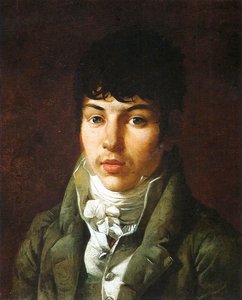
félix émile taunay, baron of taunay
1795 - 1881 , France
プロフィール概要
- Birth Date: March 1, 1795
- Birth Place: Montmorency, France
- Death Date: April 10, 1881
- Influenced: Alfredo d'Escragnolle Taunay
- Influenced By: Nicolas-Antoine Taunay
- Movement: 19th Century Painting
- Name: Félix Émile Taunay, Baron of Taunay
- Nationality: French-Brazilian
- Notable Works:
- Praia Dom Manuel [Dom Manuel Beach]
- Rua Direita, Rio de Janeiro

