Menu
FREE ART CONSULTATION

luis tristán de escamilla

1586 - 1624

Quick Facts

  • Movements: baroque
  • Creative periods: mature period
  • Museums on APS:
    • Hermitage Museum
    • Museo del Prado
    • Szépmûvészeti Múzeum
  • Lifespan: 38 years
  • Died: 1624
  • Top 3 works:
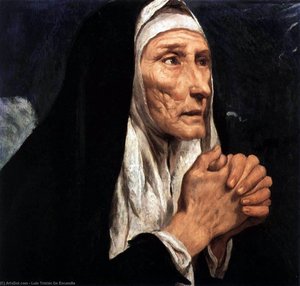
    • St Monica
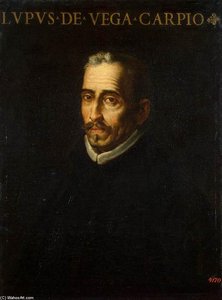
    • Portrait of Félix Lope de Vega
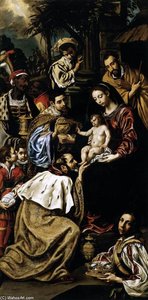
    • The Adoration of the Magi
  • Top-ranked work: St Monica
  • More…
  • Born: 1586
  • Works on APS: 12
  • Copyright status: Public domain
  • Topics explored: religious
  • Art period: Early Modern
  • Also known as: luis tristan de escamilla
  • Corpus themes: caravaggisti influence

Art Quiz

There is only one correct answer for each question.

Question 1:
Q1
Question 2:
Q2
Question 3:
Q3
Question 4:
Q4
Question 5:
Q5

Luis Tristán de Escamilla: A Caravaggisti Echo in Toledo

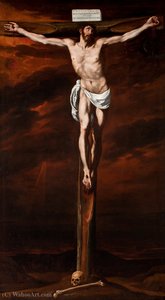
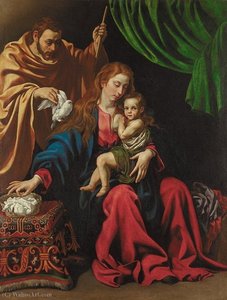
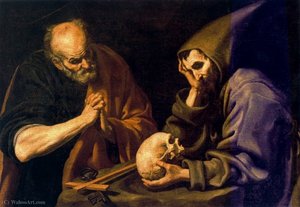
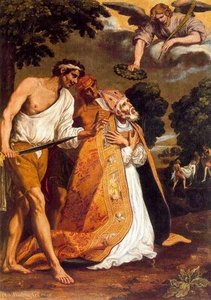
Luis Tristán de Escamilla (1585-1624) stands as a pivotal figure within the Spanish Mannerist movement, particularly recognized for his profound connection to El Greco and his masterful incorporation of Caravaggisti techniques into his artistic vision. Born in Toledo, Spain—a city steeped in religious fervor and artistic tradition—Tristán’s life was tragically cut short at the age of thirty-nine, leaving behind a legacy of evocative paintings that continue to captivate audiences today. His work embodies both stylistic innovation and spiritual contemplation, cementing his place as one of El Greco's most esteemed disciples and a champion of realism within the broader artistic landscape of his era.

Early Influences: The Shadow of El Greco

Tristán’s formative years were spent under the tutelage of Diego Velázquez’s son, Jorge Manuel Theotocópuli, who himself was deeply influenced by El Greco. This mentorship proved instrumental in shaping Tristán's artistic sensibilities—specifically his penchant for dramatic lighting and elongated figures—characteristics that would become hallmarks of his distinctive style. Initially, Tristán meticulously replicated El Greco’s stylistic choices, producing canvases that initially bore the unmistakable imprint of his teacher’s hand. The meticulous observation of anatomy combined with expressive chiaroscuro – the interplay between light and dark – mirrored El Greco's groundbreaking approach to portraying human form and emotion. This early apprenticeship established a foundational understanding of artistic expression rooted in spiritual depth and visual dynamism.

Journey to Italy: Embracing Caravaggisti Innovation

Around 1603, Tristán embarked on a transformative voyage to Italy—a pilgrimage that irrevocably altered the trajectory of his artistic development. During this period spent primarily in Rome and Naples, he encountered the burgeoning Caravaggisti movement, spearheaded by artists like Artemisia Gentileschi and Pietro Testa. These painters championed a radically different aesthetic, prioritizing stark realism and employing dramatic lighting to heighten emotional impact. Tristán absorbed these influences eagerly, experimenting with bolder compositions and intensifying contrasts between light and shadow—techniques that would soon characterize his mature oeuvre. This exposure to Caravaggisti principles injected a vital element of dynamism into Tristán’s artistic practice, propelling him away from the more stylized Mannerist conventions prevalent in Spain at the time.

Toledo Revisited: A Return to Spiritual Expression

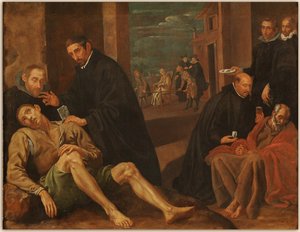
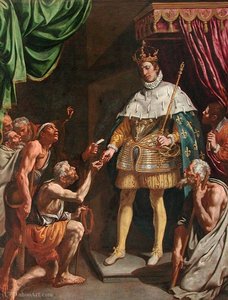
Returning to Toledo around 1613—a city that held immense personal significance for Tristán—he dedicated himself to a prolific artistic output focused on religious subjects and commissioned projects aimed at embellishing churches within his hometown. His Toledo paintings exemplify the culmination of his stylistic evolution, seamlessly blending El Greco’s expressive elongation with Caravaggisti’s dramatic illumination. Notable among these works is “Saint Louis Distributing Alms,” housed in the Louvre Museum, Paris—a masterpiece showcasing Tristán's ability to convey profound spiritual emotion through meticulous observation and masterful execution. Similarly, "The Round of Bread and Eggs," adorning the Museo de Santa Cruz in Toledo, demonstrates his commitment to portraying everyday life with remarkable realism while simultaneously conveying a sense of solemn reverence.

Legacy and Recognition: An Enduring Influence

Luis Tristán’s artistic legacy extends beyond his individual paintings; he served as an influential teacher, fostering the talents of artists like Pedro de Camprobín—whose own work embraced Caravaggisti principles and achieved considerable renown. His enduring influence can be discerned in subsequent generations of Spanish painters who sought to emulate his distinctive style and explore the expressive potential of dramatic lighting. Tristán’s contribution to Toledo’s artistic heritage remains undeniable, securing his place as a cornerstone of Mannerist painting and a testament to the transformative power of artistic pilgrimage—a journey that irrevocably shaped his creative vision and solidified his enduring reputation as one of Spain's most accomplished artists.