 Preview
 Send
Send Share
Share
 Details

 Download
 Similars
 X-Ray
X-Ray Diaporama
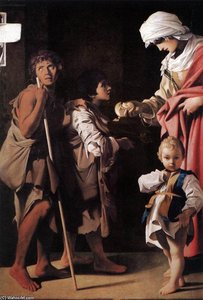
The Bread^Egg Watchм

 Read More
Hand Made Oil Reproduction
Hand-painted oil on canvas in your size and frame, made to order by our artists. ( Buy Print Buy Image)




































Pick from our preset sizes that match the artwork's original proportions.

You may enter your own dimensions to fit a specific frame or space. If your selected size does not match the original image's proportions, we will either crop the artwork or extend the painting with additional hand-painted elements. A digital mockup will be sent for your approval before production begins.
Please note that the on-screen preview does not reflect the actual cropping or extension. Only the mockup will accurately show the final composition.
While custom sizes are available, we recommend selecting a dimension from the predefined list to preserve the original proportions.
After order, ArtsDot.com team will email client for instructions and provide a mockup preview
Worldwide Delivery () in 3/4 weeks instead of standard 5 weeks. (17 August). No compromise on quality.

Free Worldwide Express Shipping

High-Quality Linen Canvas

Full Shipping Insurance

Customs Tax Refund Guarantee

True Color Matching Guarantee

60-Day Return Policy (Defects Only)

100% Money-Back Guarantee

Bulk Discount Offer
 Glass option is only available in size under 110 CM

The Bread^Egg Watchм
Reproduction Medium
Reproduction Size
-


Total Price
$ 263
Related Artworks
Artist Biography
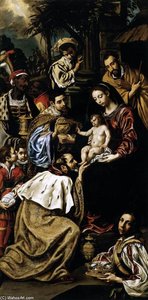
Luis Tristán de Escamilla: A Caravaggisti Echo in Toledo
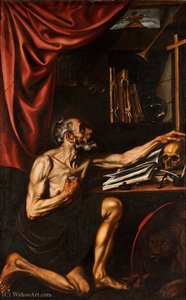
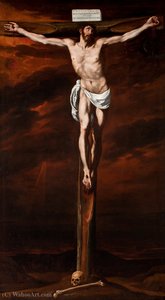
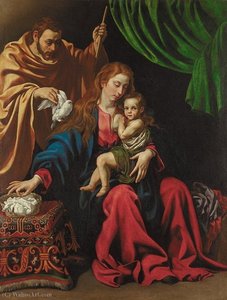
Luis Tristán de Escamilla (1585-1624) stands as a pivotal figure within the Spanish Mannerist movement, particularly recognized for his profound connection to El Greco and his masterful incorporation of Caravaggisti techniques into his artistic vision. Born in Toledo, Spain—a city steeped in religious fervor and artistic tradition—Tristán’s life was tragically cut short at the age of thirty-nine, leaving behind a legacy of evocative paintings that continue to captivate audiences today. His work embodies both stylistic innovation and spiritual contemplation, cementing his place as one of El Greco's most esteemed disciples and a champion of realism within the broader artistic landscape of his era.Early Influences: The Shadow of El Greco
Tristán’s formative years were spent under the tutelage of Diego Velázquez’s son, Jorge Manuel Theotocópuli, who himself was deeply influenced by El Greco. This mentorship proved instrumental in shaping Tristán's artistic sensibilities—specifically his penchant for dramatic lighting and elongated figures—characteristics that would become hallmarks of his distinctive style. Initially, Tristán meticulously replicated El Greco’s stylistic choices, producing canvases that initially bore the unmistakable imprint of his teacher’s hand. The meticulous observation of anatomy combined with expressive chiaroscuro – the interplay between light and dark – mirrored El Greco's groundbreaking approach to portraying human form and emotion. This early apprenticeship established a foundational understanding of artistic expression rooted in spiritual depth and visual dynamism.Journey to Italy: Embracing Caravaggisti Innovation
Around 1603, Tristán embarked on a transformative voyage to Italy—a pilgrimage that irrevocably altered the trajectory of his artistic development. During this period spent primarily in Rome and Naples, he encountered the burgeoning Caravaggisti movement, spearheaded by artists like Artemisia Gentileschi and Pietro Testa. These painters championed a radically different aesthetic, prioritizing stark realism and employing dramatic lighting to heighten emotional impact. Tristán absorbed these influences eagerly, experimenting with bolder compositions and intensifying contrasts between light and shadow—techniques that would soon characterize his mature oeuvre. This exposure to Caravaggisti principles injected a vital element of dynamism into Tristán’s artistic practice, propelling him away from the more stylized Mannerist conventions prevalent in Spain at the time.Toledo Revisited: A Return to Spiritual Expression
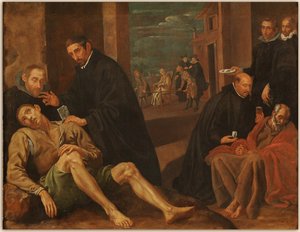
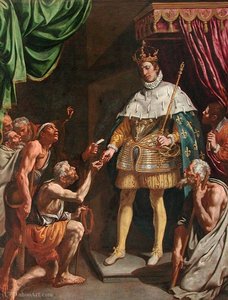
Returning to Toledo around 1613—a city that held immense personal significance for Tristán—he dedicated himself to a prolific artistic output focused on religious subjects and commissioned projects aimed at embellishing churches within his hometown. His Toledo paintings exemplify the culmination of his stylistic evolution, seamlessly blending El Greco’s expressive elongation with Caravaggisti’s dramatic illumination. Notable among these works is “Saint Louis Distributing Alms,” housed in the Louvre Museum, Paris—a masterpiece showcasing Tristán's ability to convey profound spiritual emotion through meticulous observation and masterful execution. Similarly, "The Round of Bread and Eggs," adorning the Museo de Santa Cruz in Toledo, demonstrates his commitment to portraying everyday life with remarkable realism while simultaneously conveying a sense of solemn reverence.Legacy and Recognition: An Enduring Influence
Luis Tristán’s artistic legacy extends beyond his individual paintings; he served as an influential teacher, fostering the talents of artists like Pedro de Camprobín—whose own work embraced Caravaggisti principles and achieved considerable renown. His enduring influence can be discerned in subsequent generations of Spanish painters who sought to emulate his distinctive style and explore the expressive potential of dramatic lighting. Tristán’s contribution to Toledo’s artistic heritage remains undeniable, securing his place as a cornerstone of Mannerist painting and a testament to the transformative power of artistic pilgrimage—a journey that irrevocably shaped his creative vision and solidified his enduring reputation as one of Spain's most accomplished artists.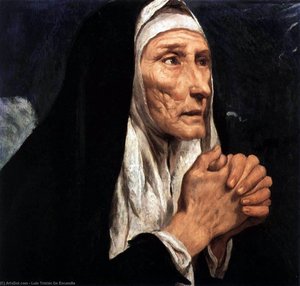
luis tristán de escamilla
1586 - 1624
Quick Facts
- Artistic Movement Or Style: Mannerism
- Artists Or Movements Influenced By This Artist: ['Caravaggisti']
- Artists Who Influenced This Artist: ['El Greco']
- Date Of Death: 1624
- Full Name: Luis Tristán de Escamilla
- Nationality: Spanish
- Notable Artworks:
- Saint Louis Distributing Alms.
- The Round of Bread and Eggs.
- Place Of Birth: Toledo, Spain
Related Articles

Demandes Commerciales
APS ofrece reproducciones de bellas artes y encargos personalizados desde 2004. Confían en nosotros corporaciones, hoteles y coleccionistas selectos para obras de arte de calidad museística, servicio discreto y soluciones artísticas completas. ¡Póngase en contacto con nosotros para obtener un presupuesto personalizado!

Goya's Masterpieces: Explore 25 Iconic Paintings & Art Prints | ArtsDot
Delve into the world of Francisco Goya with ArtsDot. Explore 25 iconic paintings – from 'The Third of May' to his haunting Black Paintings. Discover the stories, techniques & emotions behind these Spanish masterpieces. Find museum-quality art reproductions for your home at ArtsDot.com!
Decoding Baroque Grandeur: A Guide to the Drama and Emotion of 17th-Century Art
Explore the breathtaking drama of 17th-century Baroque art. Our expert guide decodes the use of chiaroscuro, emotional intensity, and historical grandeur to help you appreciate and curate timeless masterpieces for your collection.

A riguardo di noi
Découvrez notre histoire ! Nous apportons l'art de classe mondiale dans votre vie grâce à une sélection experte, des créations personnalisées et des aperçus gratuits. Approuvé par les particuliers et les entreprises depuis 2000.
The Dramatic Dialogue: Baroque Mannerism & the Synthesis of Emotion, Form, and Artistic Rebellion
Explore the dramatic world of Baroque Mannerism! Discover its history, iconic artists like Rubens & El Greco, and lasting influence on art. Expert insights for collectors & enthusiasts at ArtsDot.