 Preview
 Send
Send Share
Share
 Details

 Download
 Similars
 X-Ray
X-Ray Diaporama
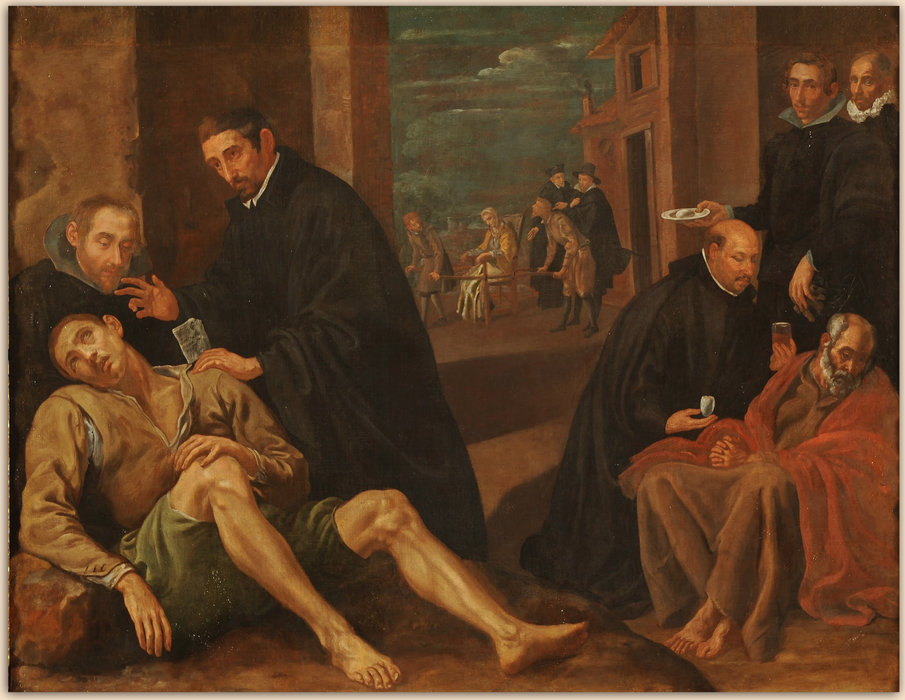
The Bread^Egg Watchм

 Read More
Hand Made Oil Reproduction
Hand-painted oil on canvas in your size and frame, made to order by our artists. ( Buy Print Buy Image)




































Pick from our preset sizes that match the artwork's original proportions.

You may enter your own dimensions to fit a specific frame or space. If your selected size does not match the original image's proportions, we will either crop the artwork or extend the painting with additional hand-painted elements. A digital mockup will be sent for your approval before production begins.
Please note that the on-screen preview does not reflect the actual cropping or extension. Only the mockup will accurately show the final composition.
While custom sizes are available, we recommend selecting a dimension from the predefined list to preserve the original proportions.
After order, ArtsDot.com team will email client for instructions and provide a mockup preview
Worldwide Delivery () in 3/4 weeks instead of standard 5 weeks. (24 August). No compromise on quality.

Free Worldwide Express Shipping

High-Quality Linen Canvas

Full Shipping Insurance

Customs Tax Refund Guarantee

True Color Matching Guarantee

60-Day Return Policy (Defects Only)

100% Money-Back Guarantee

Bulk Discount Offer
 Glass option is only available in size under 110 CM

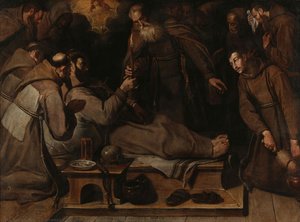
The Bread^Egg Watchм
Reproduction Medium
Reproduction Size
-


Total Price
$ 263
Related Artworks

Artist Biography
The Shadow of El Greco: The Formative Years in Toledo
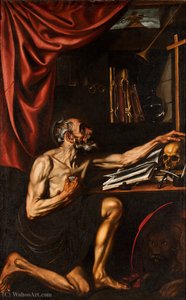
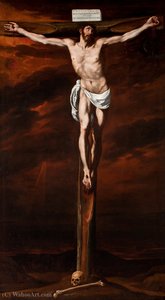
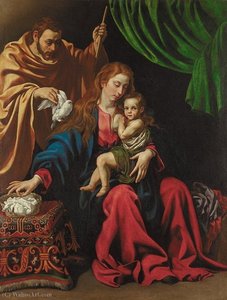
In the winding, sun-drenched streets of Toledo, a city where history breathes through every stone, the life of Luis Tristán de Escamilla began amidst a profound atmosphere of religious fervor and artistic tradition. Born into a family of merchants and artisans around 1585, Tristán was destined to become a pivotal figure in the Spanish Mannerist movement. His early years were defined by an intimate connection to the masters of his era, most notably through his apprenticeship in the workshop of El Greco between 1603 and 1607. This period of mentorship was transformative; Tristán did not merely learn technique, but absorbed a visual language of spiritual depth and dramatic tension. In those early canvases, one can see him meticulously replicating the elongated figures and expressive chiaroscuro that characterized his teacher’s hand, creating works so closely aligned with El Greco's style that many were historically attributed to the master himself.
As a primary follower of El Greco’s legacy, alongside Jorge Manuel Theotocópuli, Tristán acted as a bridge between the fading echoes of Mannerism and the rising tide of a new aesthetic. His early development was marked by this tension—a struggle to maintain the spiritual, almost otherworldly elegance of the late Renaissance while beginning to grasp the visceral realism that would soon define his mature period.
A Journey Through Light: The Italian Influence and Caravaggisti Innovation
The trajectory of Tristán’s artistic soul underwent a radical shift around 1603 when he embarked on a transformative voyage to Italy. This pilgrimage, which saw him traversing the great artistic hubs of Rome and Naples, irrevocably altered his brushwork. In the heart of Italy, Tristán encountered the burgeoning Caravaggisti movement, a revolution in painting that favored stark realism and theatrical lighting over the idealized forms of the past. The influence of Caravaggio’s dramatic interplay between light and shadow began to seep into his compositions, replacing the ethereal glow of Toledo with a more grounded, tactile intensity.
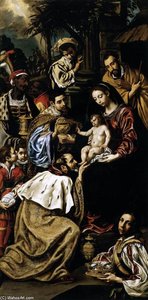
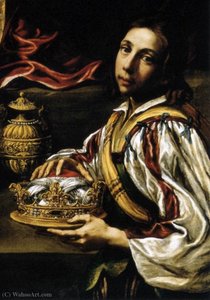
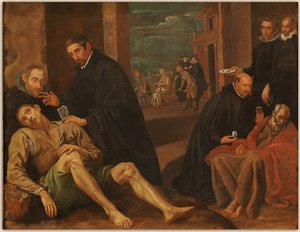
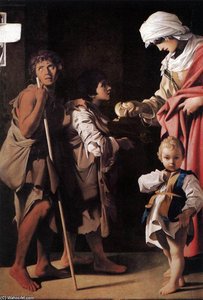
Upon his return to Spain around 1613, Tristán brought with him a sophisticated synthesis of styles. He had successfully merged the spiritual, elongated grace of the Spanish Mannerist tradition with the gritty, emotive realism of the Italian Baroque. This unique stylistic fusion allowed him to create works that were simultaneously contemplative and profoundly human. His mastery of texture and light is evident in pieces such as The Bread and Egg Watch, where rich textures and layered realism evoke a sense of seventeenth-century compassion, or his Adoration of the Magi, which showcases an exquisite Baroque detail and symbolic depth.
A Legacy Etched in Shadow and Devotion
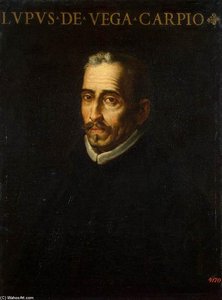
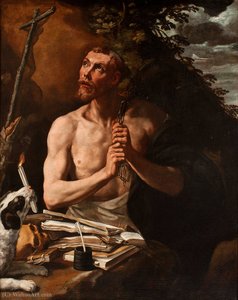
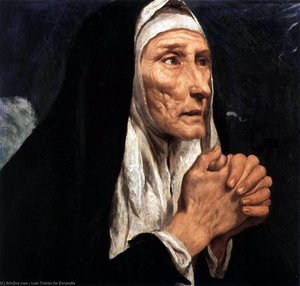
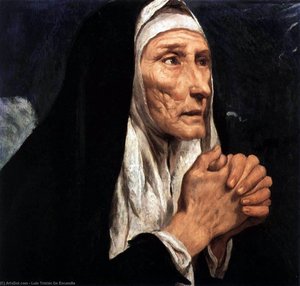
Though his life was tragically cut short at the age of thirty-nine in 1624, the impact of Luis Tristán de Escamilla remains etched in the annals of Spanish art. He stood as a vanguard artist, navigating the complex transition from the stylistic disquiet of Mannerism to the emotional grandeur of the Baroque. His ability to capture the somber dignity of his subjects—seen in the meticulous rendering of Portrait of Félix Lope de Vega or the serene, prayerful countenance of St. Monica—demonstrates a profound understanding of human emotion and spiritual devotion.
Tristán’s historical significance lies in his role as an artistic conduit. He did not simply follow a single school; rather, he synthesized disparate movements into a cohesive, uniquely Spanish vision. His works continue to reside in some of the world's most prestigious collections, from the Museo de Santa Cruz in Toledo to the Hermitage Museum in St. Petersburg, serving as enduring testaments to a life spent chasing the divine through the medium of light and shadow.
luis tristán de escamilla
1586 - 1624
Quick Facts
- Artistic Movement Or Style: Mannerism
- Artists Or Movements Influenced By This Artist: ['Caravaggisti']
- Artists Who Influenced This Artist: ['El Greco']
- Date Of Death: 1624
- Full Name: Luis Tristán de Escamilla
- Nationality: Spanish
- Notable Artworks:
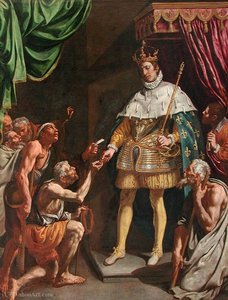
- Saint Louis Distributing Alms.
- The Round of Bread and Eggs.
- Place Of Birth: Toledo, Spain
Related Articles

Goya's Masterpieces: Explore 25 Iconic Paintings & Art Prints | ArtsDot
Delve into the world of Francisco Goya with ArtsDot. Explore 25 iconic paintings – from 'The Third of May' to his haunting Black Paintings. Discover the stories, techniques & emotions behind these Spanish masterpieces. Find museum-quality art reproductions for your home at ArtsDot.com!
Decoding Baroque Grandeur: A Guide to the Drama and Emotion of 17th-Century Art
Explore the breathtaking drama of 17th-century Baroque art. Our expert guide decodes the use of chiaroscuro, emotional intensity, and historical grandeur to help you appreciate and curate timeless masterpieces for your collection.

About Us
Discover our story! We bring world-class art into your life through expert curation, personalized creations, and free previews. Trusted by individuals and businesses since 2000.
The Dramatic Dialogue: Baroque Mannerism & the Synthesis of Emotion, Form, and Artistic Rebellion
Explore the dramatic world of Baroque Mannerism! Discover its history, iconic artists like Rubens & El Greco, and lasting influence on art. Expert insights for collectors & enthusiasts at ArtsDot.

Baroque Masterpieces: 10 Paintings That Defined an Era |
Journey through the drama & grandeur of Baroque art! Explore 10 masterpieces by Caravaggio, Rembrandt, Rubens & more. Discover stunning oil paintings, rich colors & timeless stories. Find museum-quality reproductions at .