 プレビュー
プレビュー
 プリントを購入
 シェアする
シェアする シェアする
シェアする
 詳細を見る
詳細を見る

 ダウンロード
 似ている作品
 X線調査
X線調査 スライドショー
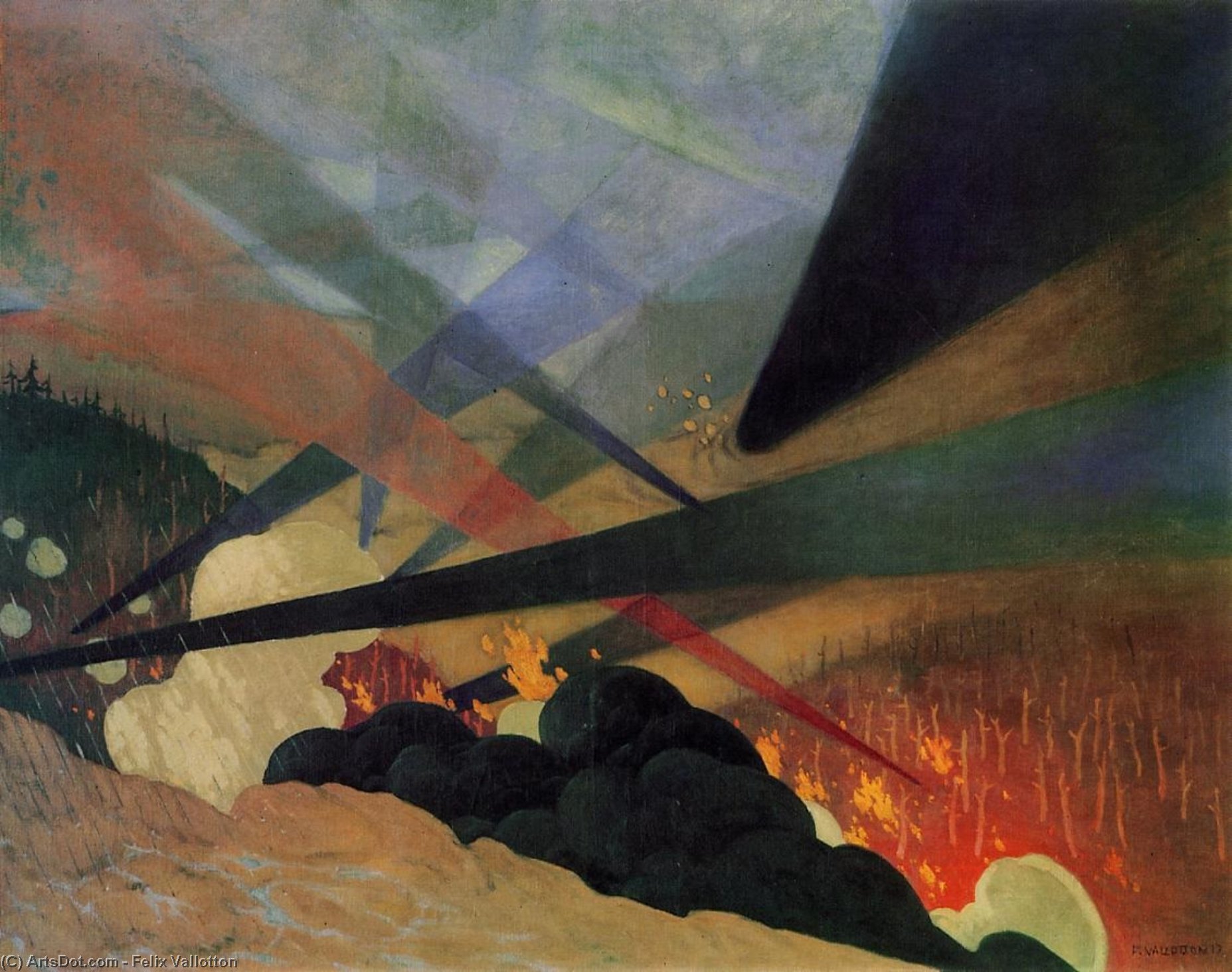
Verdun
 Oil On Canvas
- WallArt
- Magic Realism
 1917
1917 114.0 x 146.0 cm
 Musée de l'Armée
 詳細を見る
詳細を見る




P118B $10

P118H $10

P118W $10

P438Z $10

P508JH $12

P508YH $12

P805H $10

P805Z $10

P919BZ $10

P919G $10

P919XJ $10

P959ZH $10

P968JZ $12

W106C $8

W218G $10

W218JH $8

W218Y $10

W307PJ $10

W316G $10

W316PJ $8

W316Y $10

W398PJ $8

W4111J $10

W500HY $15

W500JH $15

W692G $12

W849H $8

W940BG $15

W953PJ $8




作品のオリジナル比率に合わせた、当店の規定サイズからお選びください。

特定のフレームやスペースに合わせて、ご希望のサイズをご入力いただけます。選択されたサイズが元の画像の比率と異なる場合、アートワークをトリミングするか、手描きで要素を追加して絵画を拡張いたします。デジタルモックアップ を制作し、制作開始前にご確認(承認)をいただきます。
画面上のプレビューは、実際のトリミングや拡張を正確に反映しているものではありません。最終的な構図は、モックアップによってのみ正確にご確認いただけます。
カスタムサイズもご利用いただけますが、元の比率を維持するためには、あらかじめ用意されたリストからサイズを選択することをお勧めいたします。
ご注文後、ArtsDot.com チームより詳細な指示をお送りするとともに、仕上がりイメージ(モックアップ)をご提供いたします。


 ガラスオプションは、110cm未満のサイズでのみご利用いただけます。

Verdun
複製技法
複製画のサイズ
-


合計金額
$ 263
作品解説
Félix Vallotton’s “Verdun”: A Haunting Echo of Modern Warfare
Félix Vallotton's "Verdun," painted in 1917, isn’t merely a depiction of a battlefield; it’s a visceral embodiment of the horrors and anxieties of World War I. This oil on canvas, currently residing within the Musée de l’Armée in Paris, transcends simple representation to become a profoundly unsettling meditation on destruction, chaos, and the erosion of humanity amidst industrial warfare. Vallotton, a key figure within the Nabis movement—a group known for their exploration of color and flattened forms—utilized his distinctive style to capture not just the physical devastation but also the psychological weight of the conflict.
A Fragmented Landscape of Trauma
The painting immediately confronts the viewer with a scene dominated by an immense explosion, rendered in stark black, white, and shades of grey. It’s not a dramatic, explosive moment captured mid-action; instead, Vallotton presents a tableau of aftermath—a landscape utterly ravaged and transformed into a geometric puzzle. Jagged lines, reminiscent of Cubist fragmentation, dissect the scene, suggesting both the physical shattering of buildings and the fracturing of human experience. The sky is choked with smoke and ash, creating an oppressive atmosphere of doom. The color palette is deliberately muted, devoid of vibrant hues, reflecting the bleakness and despair of the situation. This restrained use of color amplifies the painting’s emotional impact, forcing the viewer to confront the stark reality of war without resorting to sensationalism.
Symbolic Resonance: The Geometry of Destruction
Beyond its immediate visual impact, “Verdun” is rich in symbolic meaning. Vallotton employs a deliberate geometric structure—triangles and diagonals—to organize the composition. These shapes aren’t accidental; they represent the systematic destruction wrought by artillery fire, transforming the battlefield into an abstract diagram of devastation. The scattered figures, barely discernible amidst the chaos, are not heroic soldiers but rather anonymous victims swallowed by the conflict. The presence of a lone airplane in the upper right corner serves as a chilling reminder of the new technologies introduced to warfare—instruments of destruction that further dehumanized the experience. The rain depicted falling diagonally across the canvas symbolizes both the physical deluge and the overwhelming sense of sorrow and loss.
Historical Context: A Reflection of a Nation’s Trauma
“Verdun” was painted during the height of the Battle of Verdun, one of the longest and bloodiest battles in World War I. This protracted conflict, known as “the meat grinder,” resulted in staggering casualties for both sides—an estimated 714,000 French and German soldiers perished. The battle became a symbol of French resilience and sacrifice, but also of the immense suffering inflicted by modern warfare. Vallotton’s painting isn't a glorification of war; rather, it’s a poignant reflection of the nation’s trauma—a visual testament to the human cost of conflict. The Musée de l’Armée, itself a repository of French military history, provides an ideal setting for this powerful artwork, ensuring its continued relevance as a reminder of the horrors of the past.
Collecting and Experiencing “Verdun” – A Reproduction Worth Considering
Originals of works like "Verdun" are incredibly rare and highly valued. However, for those seeking to bring this evocative masterpiece into their homes or offices, meticulously crafted oil painting reproductions offer a remarkable alternative. ArtsDot.com provides exceptional quality reproductions that faithfully capture Vallotton’s unique style and the painting's profound emotional impact. These reproductions serve not only as decorative objects but also as powerful reminders of history—a tangible connection to one of the 20th century’s most devastating conflicts. Consider a reproduction alongside other pieces reflecting themes of war, loss, or resilience – it will undoubtedly become a focal point and spark conversation.
関連作品

アーティストの略歴
世紀末の精神を体現した画家:フェリックス・ヴァロットン
1865年、スイスのローザンヌに生まれたフェリックス・エドゥアール・ヴァロットンは、複雑な世紀末の精神を体現する芸術家でした。彼は、自身のルーツであるスイスと、活気に満ちたパリのアートシーンとの間で独自の道を歩み、近代美術の発展において重要な役割を果たしました。彼の幼少期は、厳格なプロテスタントの価値観に根ざしており—父は薬剤師であり、後にチョコレート職人—ボヘミアンの世界を受け入れることとは対照的でした。当初はカントン・ヴァーロー州立学校で古典研究を志していましたが、視覚表現への情熱から1882年にパリに入学し、アカデミー・ジュリアンに通いました。これは単なる地理的な移動ではなく、芸術的革新と知的発酵の中心に身を置くという観点の根本的な変化でした。彼の学術的な訓練は技術の確固たる基盤を提供しましたが、台頭するアヴァンギャルド界との出会いが真に創造性を刺激しました。ナビ派との関わりと親密さの言語
ヴァロットンの芸術的進化は、1892年にピエール・ボンナール、エドゥアール・ヴュイヤール、モーリス・ドニを含む若い芸術家グループである*レ・ナビ*(Les Nabis)に関わることで決定的な転換を遂げました。彼はしばしばグループ内の異端者と見なされていましたが、その所属は彼の独特のスタイルを形作る上で非常に重要であることが証明されました。ナビ派は、象徴主義や装飾美学を探求し、芸術に精神的な質を吹き込もうとしました。ヴァロットンはこれらの影響を取り入れましたが、自身のユニークな感性を通してそれを濾過し、クールな距離感と容赦ないリアリズムが特徴でした。これは彼の木版画シリーズ、特に*親密さ*(Intimités)(1898年)において最も力強く表現されています。これらの10のインテリアシーンは、男性と女性との緊張に満ちた出会いを不穏な率直さで描き、心理的な強度によって際立っています。これらはロマンスや情熱の物語ではなく、むしろ家庭生活における緊張、権力関係、隠された複雑さを探求しています。彼の木版画における白黒の鮮明なコントラスト—日本の*浮世絵*への意識的な言及—は、不安感と心理的精査を増幅させます。木版画の巨匠と絵画的ニュアンス
ヴァロットンの才能は絵画の世界にとどまらず、革新的な技術によってメディアを活性化させた木版画の達人として広く称賛されています。彼はその形式のシンプルさと直接性を活かし、視覚的に印象的で感情的に共鳴するイメージを生み出しました。彼の版画は単なるイラストではなく、独立した芸術作品であり、社会規範や政治的問題についてコメントすることがよくありました。同時に、ヴァロットンは絵画スタイルをさらに発展させ、純粋なアカデミックなアプローチからより個人的な表現へと移行していきました。彼は現実主義と微妙な象徴的なニュアンスのバランスを巧みに取り、肖像画、風景画、静物画を生み出し、それらは謎めいた質を備えています。彼の後期の絵画は、慎重に調整された色と正確な形態のレンダリングによって特徴付けられる洗練された技術を示しています。彼はしばしば*paysages composés*(「構成された風景」)を描き、記憶と観察から構築され、静けさと憂鬱が染み込んでいました。遺産と永続的な影響
フェリックス・ヴァロットンの影響は20世紀初頭に響き渡り、エドヴァルド・ムンクやエルンスト・ルートヴィヒ・キルヒナーなど多様な芸術家に影響を与えました。彼の容赦ない視線、心理的なテーマの探求、革新的な版画技術の使用は、新しい芸術的表現への道を開きました。彼は1925年にパリで亡くなり、今日でも人々を魅了し、挑戦し続ける作品群を残しました。彼の芸術は*世紀末*の不安と矛盾を痛切に反映しており、大きな変化の瀬戸際にあった世界を垣間見ることができます。ヴァロットンの遺産はその技術的な卓越性だけでなく、誠実さ、知性、そして永続的な神秘性をもって人間の経験の複雑さを捉える能力にもあります。彼は伝統と近代性、現実主義と象徴主義を結びつけ、芸術史に消えない足跡を残したスイス人アーティストであり続けています。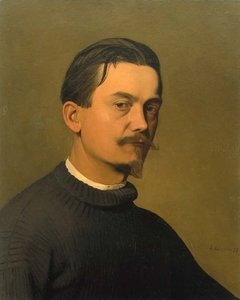
フェリックス・ヴァロットン
1865 - 1925 , スイス
基本情報
- Artistic Movement Or Style: ポスト印象派、象徴主義
- Artists Or Movements Influenced By This Artist:
- エドヴァルド・ムンク
- オーブリー・ビアズリー
- Artists Who Influenced This Artist:
- ホльбеイン
- イングレス
- 日本の浮世絵
- Date Of Birth: 1865年12月28日
- Date Of Death: 1925年12月29日
- Full Name: フェリックス・ヴァロットン
- Nationality: スイス/フランス
- Notable Artworks:
- 親密な風景
- 夏の夕暮れの入浴者
- 月光
- Place Of Birth: スイス、ローザンヌ
関連記事

The Enduring Legacy of Oil on Canvas: Technique, History & Aesthetic Impact
Explore the rich history & techniques of oil painting – from Renaissance masters to Impressionism. Discover pigments, layering methods, and why this timeless medium endures. Expert insights for artists & art enthusiasts.

Oil on Canvas: A Historical & Technical Exploration of a Timeless Artistic Medium
Explore the rich history & enduring techniques of oil painting on canvas. Discover the science behind its longevity, conservation practices, and contemporary relevance. Expert insights for art enthusiasts.

The Enduring Power of Painting: A Historical & Contemporary Exploration of Form and Emotion
Explore the rich history & enduring techniques of oil painting with ArtsDot. Discover masterpieces, learn about art collecting, and find authentic handmade reproductions crafted by skilled artists.

油彩のキャンバス:技法、歴史、そして現代の実践 - 古典美術愛好家へ
油彩の技法、歴史、巨匠たちの秘密を徹底解説。古典美術愛好家向けに、初期フランドル絵画から現代の実践まで深く掘り下げます。ArtsDotで高品質な複製画やカスタムオーダーも承ります。
NFTコレクター向け:デジタル画像を手描きオイルレプリカに変換し、ミュージアム品質で収益と価値を最大化
ArtsDotは、デジタル画像をミュージアム品質の手描きオイルレプリカへ変換する専門家です。高い技術と厳格な品質管理で、NFTコレクターに信頼できる投資価値を提供します。