

 プレビュー
プレビュー
 プリントを購入
 シェアする
シェアする シェアする
シェアする
 詳細を見る
詳細を見る

 ダウンロード
 似ている作品
 X線調査
X線調査 スライドショー
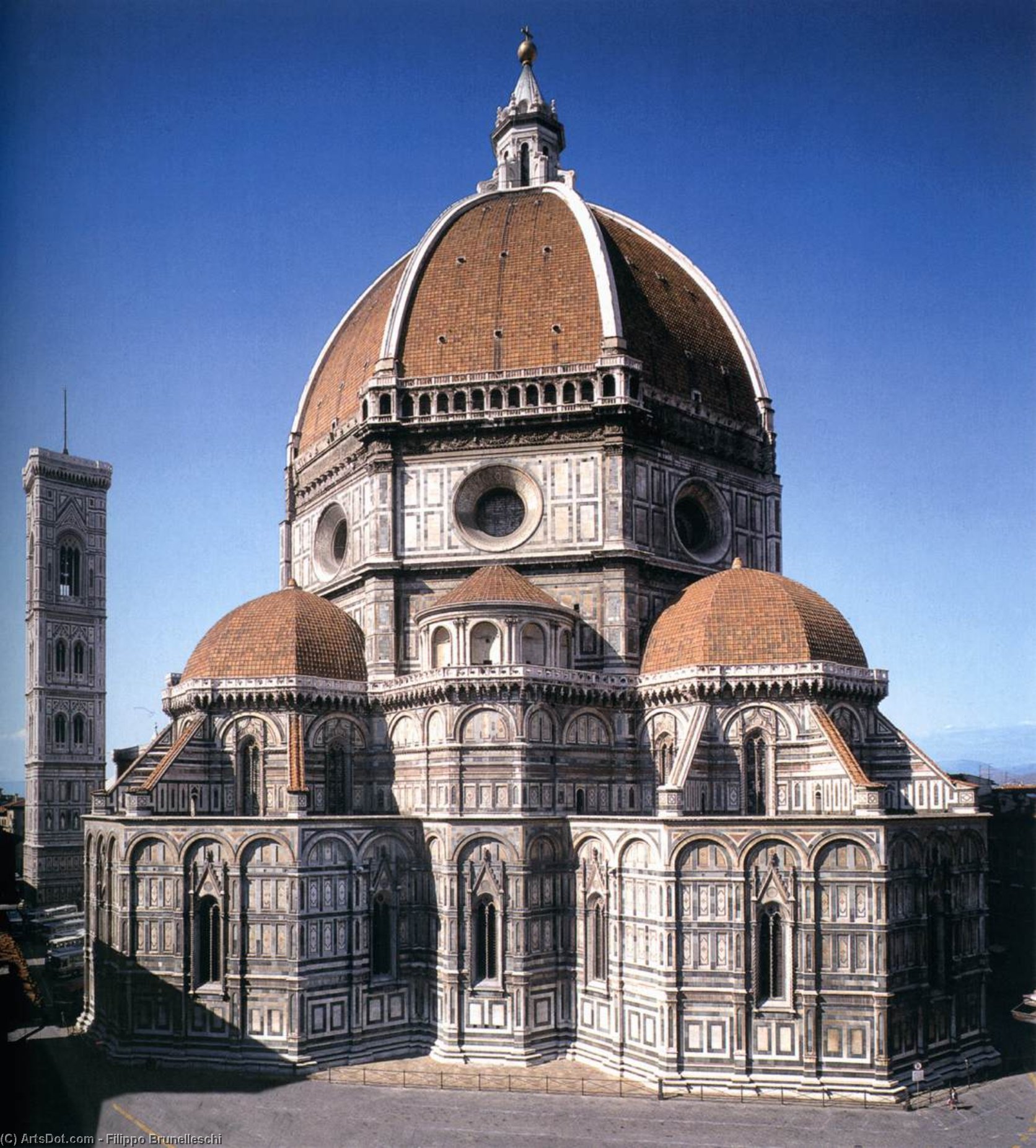
View of the Cathedral


 詳細を見る
詳細を見る




P118B $10

P118H $10

P118W $10

P438Z $10

P508JH $12

P508YH $12

P805H $10

P805Z $10

P919BZ $10

P919G $10

P919XJ $10

P959ZH $10

P968JZ $12

W106C $8

W218G $10

W218JH $8

W218Y $10

W307PJ $10

W316G $10

W316PJ $8

W316Y $10

W398PJ $8

W4111J $10

W500HY $15

W500JH $15

W692G $12

W849H $8

W940BG $15

W953PJ $8




作品のオリジナル比率に合わせた、当店の規定サイズからお選びください。

特定のフレームやスペースに合わせて、ご希望のサイズをご入力いただけます。選択されたサイズが元の画像の比率と異なる場合、アートワークをトリミングするか、手描きで要素を追加して絵画を拡張いたします。デジタルモックアップ を制作し、制作開始前にご確認(承認)をいただきます。
画面上のプレビューは、実際のトリミングや拡張を正確に反映しているものではありません。最終的な構図は、モックアップによってのみ正確にご確認いただけます。
カスタムサイズもご利用いただけますが、元の比率を維持するためには、あらかじめ用意されたリストからサイズを選択することをお勧めいたします。
ご注文後、ArtsDot.com チームより詳細な指示をお送りするとともに、仕上がりイメージ(モックアップ)をご提供いたします。


 ガラスオプションは、110cm未満のサイズでのみご利用いただけます。

View of the Cathedral
複製技法
複製画のサイズ
-


合計金額
$ 263
作品解説
A Vision of Florentine Grandeur: Filippo Brunelleschi’s “View of the Cathedral”
Filippo Brunelleschi's "View of the Cathedral," a remarkably preserved depiction of Florence’s Duomo, isn’t merely a representation of stone and sky; it’s a testament to a revolutionary mind grappling with perspective and capturing the very essence of Renaissance ambition. Completed around 1420, this painting offers a rare glimpse into Brunelleschi's creative process – a moment frozen in time as he wrestled with the challenge of portraying depth and scale on a two-dimensional surface. The work transcends its technical accomplishment to evoke a profound sense of awe, mirroring the impact of standing before the colossal cathedral itself.
Brunelleschi’s genius lay not just in his architectural innovations – most famously, the dome that still dominates Florence's skyline – but also in his understanding of optics. He meticulously studied ancient Roman techniques for creating realistic perspective, a concept largely forgotten during the Middle Ages. This painting is a direct result of those studies; observe how he subtly manipulates lines and shading to create an illusion of depth, drawing the viewer’s eye towards the soaring dome and intricate façade. The composition itself is carefully balanced, with the cathedral anchoring the scene while surrounding elements – including the Ponte Vecchio and the Arno River – provide a sense of context and scale.
The Renaissance Master at Work: Technique and Materials
Executed in tempera on wood panel, “View of the Cathedral” reveals Brunelleschi’s meticulous attention to detail. The pigments are remarkably vibrant for their age, suggesting he employed high-quality materials sourced from across Italy. Note the subtle gradations of color used to depict the stone – a masterful blend of grays, browns, and ochres that accurately captures the texture and reflectivity of the Florentine marble. Brunelleschi’s use of linear perspective is particularly noteworthy; he doesn't simply draw what he sees but actively constructs an illusion of space, employing vanishing points and converging lines to create a convincing sense of depth. The layering of paint—a technique known as glazing—adds luminosity and richness to the surface, enhancing the overall visual impact.
- Medium: Tempera on wood panel
- Dimensions: Unknown (likely small-scale study)
- Date: Circa 1420
- Style: Early Renaissance, demonstrating the burgeoning interest in classical perspective and realism.
Symbolism and Florentine Identity
More than just a topographical depiction, “View of the Cathedral” is deeply intertwined with Florence’s civic pride and its aspirations to reclaim its cultural heritage. The Duomo, at this time under construction, represented a bold statement of Florentine power and ingenuity – a symbol of the city's rebirth after the Black Death. Brunelleschi’s painting served as both a visual record of this monumental undertaking and a celebration of Florence’s artistic and intellectual leadership. The inclusion of recognizable landmarks like the Ponte Vecchio and the Arno River further anchors the scene in its Florentine context, reinforcing the cathedral’s central role within the city's identity.
The painting also subtly reflects Renaissance humanist ideals. By meticulously studying and representing the natural world – particularly the architecture of Florence – Brunelleschi was engaging with a tradition of classical learning that emphasized human reason and observation. This focus on empirical knowledge would become a defining characteristic of the Renaissance, shaping art, science, and philosophy alike.
A Timeless Masterpiece: Reproduction and Legacy
ArtsDot’s faithful reproduction captures the essence of Brunelleschi's original work, offering an exceptional opportunity to experience this pivotal moment in artistic history. The meticulous attention to detail—from the subtle nuances of color to the masterful rendering of perspective—is faithfully reproduced using archival-quality materials and printing techniques. This ensures that the artwork retains its vibrancy and authenticity for generations to come. “View of the Cathedral” is not simply a print; it’s an invitation to step back in time and witness the birth of Renaissance art, a testament to Brunelleschi's genius and Florence’s enduring legacy.
関連作品
アーティストの略歴
ルネサンスの先駆者:フィリッポ・ブルネレスキの生涯と遺産
1377年、フィレンツェに生を受けたフィリッポ・ブルネレスキは、中世の世界と、胎動しつつあったルネサンス期を繋ぐ記念碑的な人物として君臨しています。当初、若きフィリッポは父の法曹職を継ぐ運命にありましたが、その芸術的な情熱はすぐに自らの存在を主張し始めました。彼は金細工師としての修行に入りましたが、この職人技こそが、細部への緻密な注意力と素材を操る卓越した技術を彼に授けたのです。これらの資質は、後の建築における偉大な試みのなかで、計り知れない価値を持つこととなりました。この初期の修行は、単なる技術習得に留まりませんでした。それは、形態や比率、そして物質を操作することによって生まれる表現の可能性に対する深い理解を育んだのです。1401年、フィレンレンツェ洗礼堂の扉を巡るコンペティションへの参加は、ロレンツォ・ギベルティに敗れるという結果に終わりましたが、そこには彼の芽生えつつあった才能と大胆な芸術的ビジョンが刻まれていました。この経験は、一時は彼を落胆させたものの、結果として彼のエネルギーを建築へと向かわせる決定的な転換点となり、西洋の芸術と工学の進路を永遠に変えることになったのです。建築的革新と古典的理想の再生
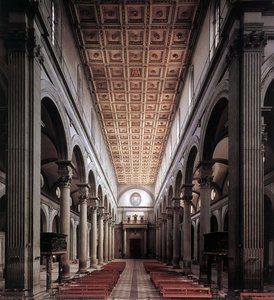
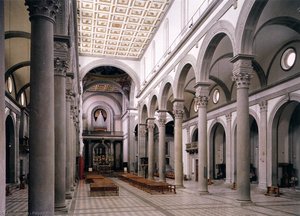
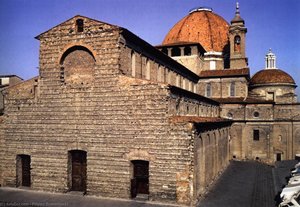
ブルネレスキが成し遂げた建築的業績は、まさに革命的と言わざるを得ません。彼は単に構造物を築いたのではなく、一見不可能と思われた難題を解決し、既成概念の境界を押し広げたのです。彼の最も輝かしい勝利は、間違いなくフィレンツェ大聖堂のドーム(クーポラ)です。それは、数十年にわたり建築家たちを困惑させてきた偉業でした。プロジェクトの圧倒的な規模と複雑さは、革新的な解決策を要求しましたが、ブルネレスキは次々とそれに応えてみせました。伝統的な足場設置の手法を捨て去り、彼は自立可能な二重殻構造を考案しました。そこでは、重量を分散させ安定性を確保するために、独創的な吊り上げ機構や、互いに噛み合うレンガのパターンが駆使されました。これは単なる工学上の驚異ではなく、人間の知恵の証であり、フィレンツェという都市の野心の象徴でもありました。ドームの建設に留まらず、ブルネレスキは設計において古典的な原理への回帰を提唱しました。彼はローマ時代の遺跡を丹念に研究し、そこから比率、調和、そして空間構成の感覚を吸収していったのです。その影響は、サン・ロレンツォ旧聖堂のような作品に顕著に表れています。そこでは対称的な配置、円形アーチ、そして古典的な装飾が用いられ、静謐さと均衡に満ちた空間が創り出されています。他にも、オスペダーレ・デッリ・イノチェンティ(孤児院)、パラッツォ・ルチェッライ、サン・ロレンツォ聖堂といった重要なプロジェクトのすべてに、古典的なインスピレーションと革新的な構造解法が調和した、彼独自の様式が刻まれています。線遠近法の黎明
ブルネレスキの影響は建築の枠を遥かに超えています。彼は、芸術史の流れを根本から変えた技法である「線遠近法」の原理を再発見し、体系化した人物として讃えられています。ブルネレスキ以前の空間描写には、奥行きや写実性を表現するための一貫したシステムが欠けていました。光学と幾何学に対する彼の緻密な探求は、二次元の平面上に三次元的な空間の錯覚を生み出す手法の開発へと繋がりました。それは、すべての平行線が収束する地平線上の単一の点――「消失点」を確立し、数学的な計算を用いて空間的関係を正確に表現することでした。この発見がもたらした衝撃は計り知れません。線遠近法は、芸術家たちに、作品においてより高い写実性と感情的なインパクトを与えるための強力な道具を与え、後世の画家や彫刻家たちに多大な影響を及ぼしました。それは単なる技術的な正確さの問題ではなく、鑑賞者に対して、より没入感のある、信憑性の高い視覚体験を提供することを目指したものだったのです。影響と永続する歴史的意義
ブルネレスキの天才性は、決して真空状態から突如として現れたわけではありません。彼は多様な源泉からインスピレーションを引き出し、それらを統合して全く新しい何かを創り上げました。彼が研究した古代ローマ建築は古典的な原理の基盤となり、一方でゴシック様式の構造物に触れたことで、構造的な課題や革新的な建築技術への理解が深まりました。極めて重要なのは、人間の可能性と達成を強調するルネサンス期のヒューマニズム運動が、ブルネレスキ自身の革新的な精神と深く共鳴したことです。彼は理性、観察、そして実験の力を信じていました。その信念こそが、彼の画期的な仕事の根底にあったのです。彼の遺産は計り知れません。彼はルネサンスの創設者の一人として、芸術的・知的開花の新しい時代を切り拓いた極めて重要な人物として正当に評価されています。彼の工学的な革新は現代の建設技術にも影響を与え続けており、彼が発展させた線遠近法は、再現芸術の礎石であり続けています。しかし、おそらく最も重要なことは、ブルネレスキが新しい思考様式を体現したことなのです。それは、人間の知恵への信頼、合理的な探求への献身、そして自然界に内在する美と秩序への賛美でした。彼は単にフィレンツェのスカイラインを変えただけではありません。彼は、私たちの「世界の捉え方」そのものを変えたのです。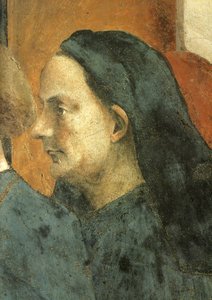
フィリッポ・ブルネレスキ
1377 - 1446 , イタリア
基本情報
- Artistic Movement Or Style: 初期ルネサンス
- Artists Or Movements Influenced By This Artist:
- ルネサンス建築
- 線遠近法を用いた芸術家
- Artists Who Influenced This Artist: ['古代ローマの建築家']
- Date Of Birth: 1377年
- Date Of Death: 1446年
- Full Name: フィリッポ・ブルネレスキ
- Nationality: イタリア
- Notable Artworks:
- フィレンツェ大聖堂のドーム
- サン・ロレンツォ旧聖堂
- オスペダーレ・デッリ・イノチェンティ
- ルチェッライ宮殿
- Place Of Birth: イタリア、フィレンツェ
関連記事

ウフィツィ美術館の至宝25選:ルネサンス巨匠たちの傑作とアートデコレーション
ウフィツィ美術館の至宝25選:ボッティチェリ、レオナルド・ダ・ヴィンチ…ルネサンス巨匠たちの傑作と感動的な物語を紐解きます。高品質な絵画複製やアートプリントで、お部屋に名画の輝きを。ArtsDot.comで芸術の世界へ。

Filippo Lippi: Bridging Renaissance Devotion & Artistic Innovation
Explore the life & revolutionary art of Filippo Lippi, a pivotal Renaissance painter. Discover his masterpieces, influence on Botticelli, and investment potential. Expert analysis at ArtsDot.
The Shadow of Faith: Exploring Gothic Art's Spiritual Intensity & Architectural Innovation
Explore the spiritual intensity & architectural innovation of Gothic art! Discover the symbolism behind cathedrals, stained glass & master artists like Giotto and Monet. A deep dive into medieval history & artistic expression.

The Dawn of a New Aesthetic: Exploring Artistic Innovation in 15th-Century European Painting
Explore the groundbreaking artistic innovations of 15th-century European painting! Discover how Humanism & masters like Masaccio redefined art with perspective, realism & classical influence. Learn more at ArtsDot.

The Dawn of a New Vision: Exploring the Artistic Innovations of the Early Renaissance
Explore the groundbreaking innovations of the Early Renaissance! Discover the art, history, and humanist ideals that shaped a new era in painting, sculpture & architecture. Learn about Masaccio, Florence, and more.

