

 プレビュー
プレビュー
 プリントを購入
 シェアする
シェアする シェアする
シェアする
 詳細を見る
詳細を見る

 ダウンロード
 似ている作品
 X線調査
X線調査 スライドショー
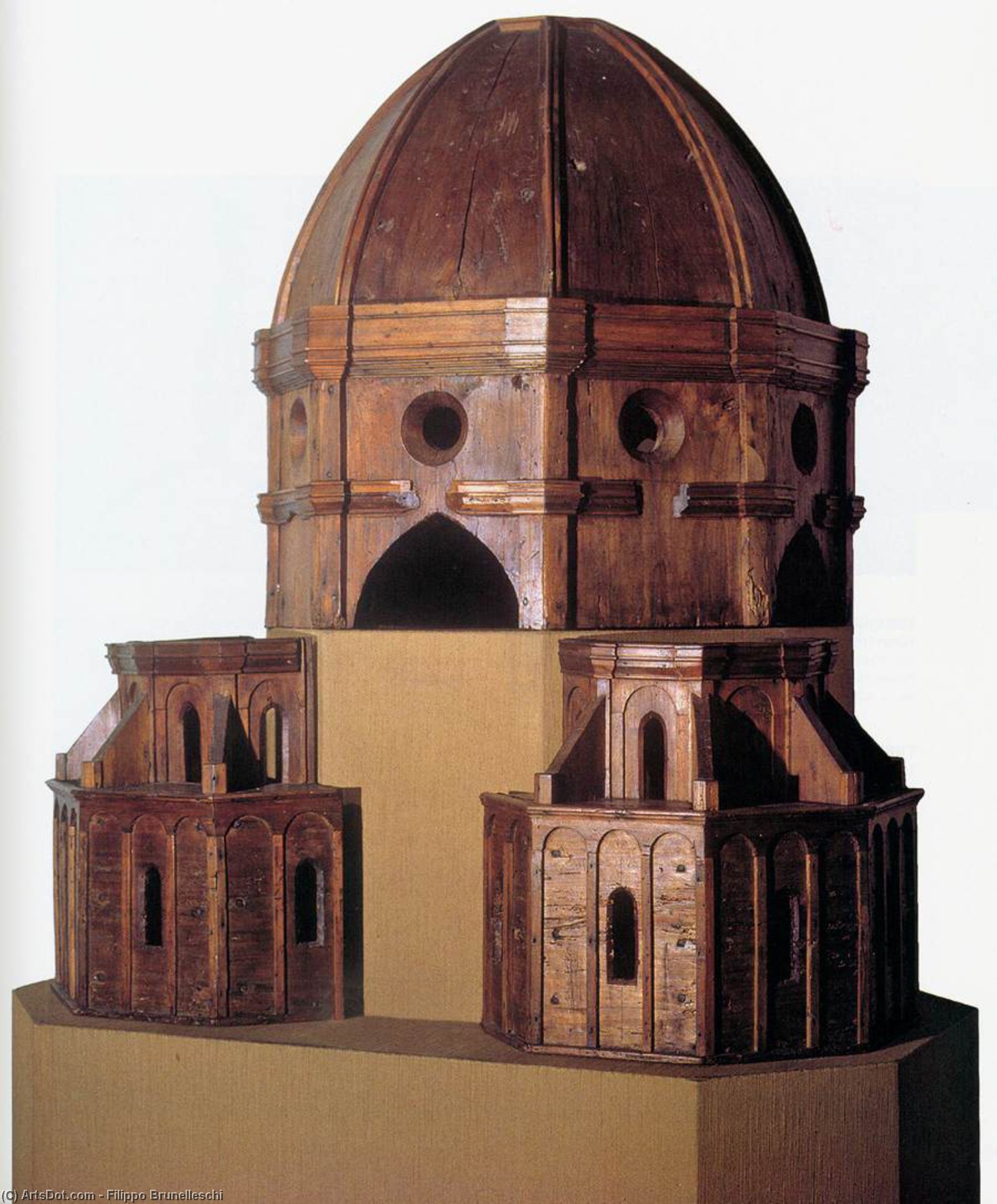
Wood model for the dome
 Acrylic On Canvas
- WallArt
- Early Renaissance
 1418
1418 100.0 x 90.0 cm
 Museo dell'Opera del Duomo
 詳細を見る
詳細を見る




P118B $10

P118H $10

P118W $10

P438Z $10

P508JH $12

P508YH $12

P805H $10

P805Z $10

P919BZ $10

P919G $10

P919XJ $10

P959ZH $10

P968JZ $12

W106C $8

W218G $10

W218JH $8

W218Y $10

W307PJ $10

W316G $10

W316PJ $8

W316Y $10

W398PJ $8

W4111J $10

W500HY $15

W500JH $15

W692G $12

W849H $8

W940BG $15

W953PJ $8




作品のオリジナル比率に合わせた、当店の規定サイズからお選びください。

特定のフレームやスペースに合わせて、ご希望のサイズをご入力いただけます。選択されたサイズが元の画像の比率と異なる場合、アートワークをトリミングするか、手描きで要素を追加して絵画を拡張いたします。デジタルモックアップ を制作し、制作開始前にご確認(承認)をいただきます。
画面上のプレビューは、実際のトリミングや拡張を正確に反映しているものではありません。最終的な構図は、モックアップによってのみ正確にご確認いただけます。
カスタムサイズもご利用いただけますが、元の比率を維持するためには、あらかじめ用意されたリストからサイズを選択することをお勧めいたします。
ご注文後、ArtsDot.com チームより詳細な指示をお送りするとともに、仕上がりイメージ(モックアップ)をご提供いたします。


 ガラスオプションは、110cm未満のサイズでのみご利用いただけます。

Wood model for the dome
複製技法
複製画のサイズ
-


合計金額
$ 263
作品解説
A Vision of Florence: Unveiling Brunelleschi’s Dome Model
The image before you isn't merely a depiction of wood and pigment; it’s a tangible echo of a revolutionary mind. This meticulously crafted model, representing Filippo Brunelleschi’s groundbreaking design for the dome of Florence Cathedral (Duomo), offers an intimate glimpse into the genesis of one of architecture’s most enduring achievements. More than just a technical blueprint, it embodies a profound shift in thinking – a rejection of established methods and a bold embrace of mathematical precision and innovative engineering.
Created between 1418 and 1420 during a period of intense artistic and intellectual ferment in Florence, this model speaks volumes about the Renaissance’s burgeoning spirit. Brunelleschi, a goldsmith by trade, possessed an extraordinary ability to synthesize disparate disciplines – geometry, mathematics, sculpture, and engineering – into a cohesive whole. The model itself is constructed primarily from wood, reinforced with brick elements, demonstrating a pragmatic approach to construction while simultaneously showcasing the elegance of his design. The intricate detailing—the spiraling ribs, the herringbone pattern of the bricks, the carefully considered proportions—reveal not just a builder’s plan but also an artist's vision.
Engineering Innovation and the Dawn of Modernism
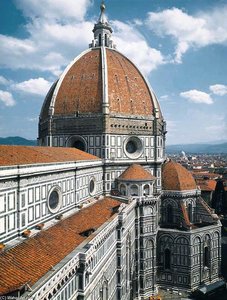
Brunelleschi’s genius lay in his audacious solution to a seemingly insurmountable challenge: constructing a massive dome without traditional centering or buttresses. The prevailing wisdom dictated that such a feat was impossible, yet Brunelleschi, drawing inspiration from Roman architectural principles and employing groundbreaking mathematical techniques – including linear perspective, which he later applied to painting – devised a system of self-supporting arches and a double shell structure. This model is a testament to his ingenuity; it’s a physical manifestation of the complex calculations and spatial reasoning that underpinned his success.
Crucially, this design represented a departure from medieval construction practices. The dome's innovative use of compression – distributing weight evenly across its surface – allowed for a lighter, more streamlined structure than previous attempts. It’s no exaggeration to say that Brunelleschi’s dome fundamentally altered the course of architectural history, paving the way for subsequent innovations and establishing him as a pioneer of modern engineering.
Symbolism and Florentine Identity
The Florence Cathedral Dome wasn't simply a magnificent structure; it was a potent symbol of Florentine civic pride and ambition. Commissioned during a period of political instability, the dome’s construction became a unifying project, demonstrating the city’s wealth, ingenuity, and determination to assert its cultural dominance. Brunelleschi’s model, therefore, carries significant symbolic weight – representing not just architectural achievement but also Florence's rise as a center of art, learning, and innovation.
The dome itself, with its soaring height and harmonious proportions, became an iconic emblem of the city, instantly recognizable across the globe. It’s a visual shorthand for Renaissance artistry and Florentine identity – a legacy that continues to inspire awe and admiration centuries later. This model serves as a tangible link to that extraordinary moment in history.
A Reproduction Worthy of Display
Reproductions of Brunelleschi's dome models are highly sought after by collectors, interior designers, and art enthusiasts alike. This piece offers an exceptional opportunity to bring this pivotal artifact into your home or office – a reminder of the ingenuity and artistic vision that shaped the Renaissance. Its rich detail and historical significance make it a captivating addition to any collection, while its elegant design complements a wide range of interior styles.
関連作品

アーティストの略歴
ルネサンスの先駆者:フィリッポ・ブルネレスキの生涯と遺産
1377年、フィレンツェに生を受けたフィリッポ・ブルネレスキは、中世の世界と、胎動しつつあったルネサンス期を繋ぐ記念碑的な人物として君臨しています。当初、若きフィリッポは父の法曹職を継ぐ運命にありましたが、その芸術的な情熱はすぐに自らの存在を主張し始めました。彼は金細工師としての修行に入りましたが、この職人技こそが、細部への緻密な注意力と素材を操る卓越した技術を彼に授けたのです。これらの資質は、後の建築における偉大な試みのなかで、計り知れない価値を持つこととなりました。この初期の修行は、単なる技術習得に留まりませんでした。それは、形態や比率、そして物質を操作することによって生まれる表現の可能性に対する深い理解を育んだのです。1401年、フィレンレンツェ洗礼堂の扉を巡るコンペティションへの参加は、ロレンツォ・ギベルティに敗れるという結果に終わりましたが、そこには彼の芽生えつつあった才能と大胆な芸術的ビジョンが刻まれていました。この経験は、一時は彼を落胆させたものの、結果として彼のエネルギーを建築へと向かわせる決定的な転換点となり、西洋の芸術と工学の進路を永遠に変えることになったのです。建築的革新と古典的理想の再生
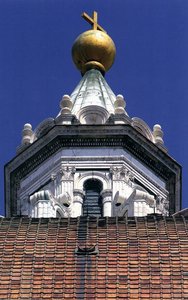
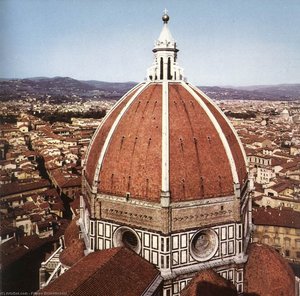
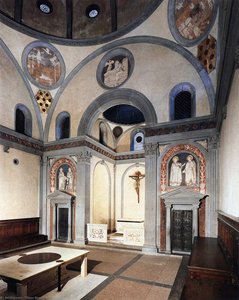
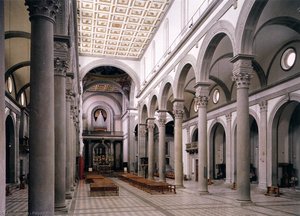
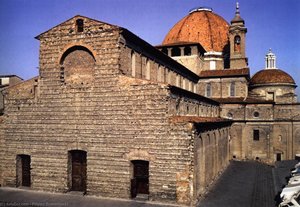
ブルネレスキが成し遂げた建築的業績は、まさに革命的と言わざるを得ません。彼は単に構造物を築いたのではなく、一見不可能と思われた難題を解決し、既成概念の境界を押し広げたのです。彼の最も輝かしい勝利は、間違いなくフィレンツェ大聖堂のドーム(クーポラ)です。それは、数十年にわたり建築家たちを困惑させてきた偉業でした。プロジェクトの圧倒的な規模と複雑さは、革新的な解決策を要求しましたが、ブルネレスキは次々とそれに応えてみせました。伝統的な足場設置の手法を捨て去り、彼は自立可能な二重殻構造を考案しました。そこでは、重量を分散させ安定性を確保するために、独創的な吊り上げ機構や、互いに噛み合うレンガのパターンが駆使されました。これは単なる工学上の驚異ではなく、人間の知恵の証であり、フィレンツェという都市の野心の象徴でもありました。ドームの建設に留まらず、ブルネレスキは設計において古典的な原理への回帰を提唱しました。彼はローマ時代の遺跡を丹念に研究し、そこから比率、調和、そして空間構成の感覚を吸収していったのです。その影響は、サン・ロレンツォ旧聖堂のような作品に顕著に表れています。そこでは対称的な配置、円形アーチ、そして古典的な装飾が用いられ、静謐さと均衡に満ちた空間が創り出されています。他にも、オスペダーレ・デッリ・イノチェンティ(孤児院)、パラッツォ・ルチェッライ、サン・ロレンツォ聖堂といった重要なプロジェクトのすべてに、古典的なインスピレーションと革新的な構造解法が調和した、彼独自の様式が刻まれています。線遠近法の黎明
ブルネレスキの影響は建築の枠を遥かに超えています。彼は、芸術史の流れを根本から変えた技法である「線遠近法」の原理を再発見し、体系化した人物として讃えられています。ブルネレスキ以前の空間描写には、奥行きや写実性を表現するための一貫したシステムが欠けていました。光学と幾何学に対する彼の緻密な探求は、二次元の平面上に三次元的な空間の錯覚を生み出す手法の開発へと繋がりました。それは、すべての平行線が収束する地平線上の単一の点――「消失点」を確立し、数学的な計算を用いて空間的関係を正確に表現することでした。この発見がもたらした衝撃は計り知れません。線遠近法は、芸術家たちに、作品においてより高い写実性と感情的なインパクトを与えるための強力な道具を与え、後世の画家や彫刻家たちに多大な影響を及ぼしました。それは単なる技術的な正確さの問題ではなく、鑑賞者に対して、より没入感のある、信憑性の高い視覚体験を提供することを目指したものだったのです。影響と永続する歴史的意義
ブルネレスキの天才性は、決して真空状態から突如として現れたわけではありません。彼は多様な源泉からインスピレーションを引き出し、それらを統合して全く新しい何かを創り上げました。彼が研究した古代ローマ建築は古典的な原理の基盤となり、一方でゴシック様式の構造物に触れたことで、構造的な課題や革新的な建築技術への理解が深まりました。極めて重要なのは、人間の可能性と達成を強調するルネサンス期のヒューマニズム運動が、ブルネレスキ自身の革新的な精神と深く共鳴したことです。彼は理性、観察、そして実験の力を信じていました。その信念こそが、彼の画期的な仕事の根底にあったのです。彼の遺産は計り知れません。彼はルネサンスの創設者の一人として、芸術的・知的開花の新しい時代を切り拓いた極めて重要な人物として正当に評価されています。彼の工学的な革新は現代の建設技術にも影響を与え続けており、彼が発展させた線遠近法は、再現芸術の礎石であり続けています。しかし、おそらく最も重要なことは、ブルネレスキが新しい思考様式を体現したことなのです。それは、人間の知恵への信頼、合理的な探求への献身、そして自然界に内在する美と秩序への賛美でした。彼は単にフィレンツェのスカイラインを変えただけではありません。彼は、私たちの「世界の捉え方」そのものを変えたのです。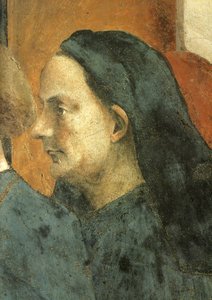
フィリッポ・ブルネレスキ
1377 - 1446 , イタリア
基本情報
- Artistic Movement Or Style: 初期ルネサンス
- Artists Or Movements Influenced By This Artist:
- ルネサンス建築
- 線遠近法を用いた芸術家
- Artists Who Influenced This Artist: ['古代ローマの建築家']
- Date Of Birth: 1377年
- Date Of Death: 1446年
- Full Name: フィリッポ・ブルネレスキ
- Nationality: イタリア
- Notable Artworks:
- フィレンツェ大聖堂のドーム
- サン・ロレンツォ旧聖堂
- オスペダーレ・デッリ・イノチェンティ
- ルチェッライ宮殿
- Place Of Birth: イタリア、フィレンツェ
関連記事
ウフィツィ美術館の至宝25選:ルネサンス巨匠たちの傑作とアートデコレーション
ウフィツィ美術館の至宝25選:ボッティチェリ、レオナルド・ダ・ヴィンチ…ルネサンス巨匠たちの傑作と感動的な物語を紐解きます。高品質な絵画複製やアートプリントで、お部屋に名画の輝きを。ArtsDot.comで芸術の世界へ。
The Allure of the Pose: Representations of 'Model' Through Art History
Explore the fascinating history of the 'art model' through centuries of painting! Discover academic techniques, social contexts & the evolving role of models in art. ArtsDot offers custom reproductions and expert consultation.

Civic Virtue and Artistic Rivalry: Patronage and Innovation in the Italian Renaissance Republics, 1400–1600
Explore the Italian Renaissance! Discover how competitive patronage & humanist ideals fueled artistic innovation in republics like Florence & Venice. Expert insights for art lovers and collectors.

Filippo Lippi: Bridging Renaissance Devotion & Artistic Innovation
Explore the life & revolutionary art of Filippo Lippi, a pivotal Renaissance painter. Discover his masterpieces, influence on Botticelli, and investment potential. Expert analysis at ArtsDot.

The Flourishing of Humanism: A Comprehensive Exploration of the Italian Renaissance Art Movement
Explore the Italian Renaissance! Discover humanist ideals, iconic masterpieces by Leonardo, Michelangelo & Raphael, and lasting artistic innovations. A comprehensive guide for art enthusiasts.

