

 プレビュー
プレビュー
 プリントを購入
 シェアする
シェアする シェアする
シェアする
 詳細を見る
詳細を見る

 ダウンロード
 似ている作品
 X線調査
X線調査 スライドショー
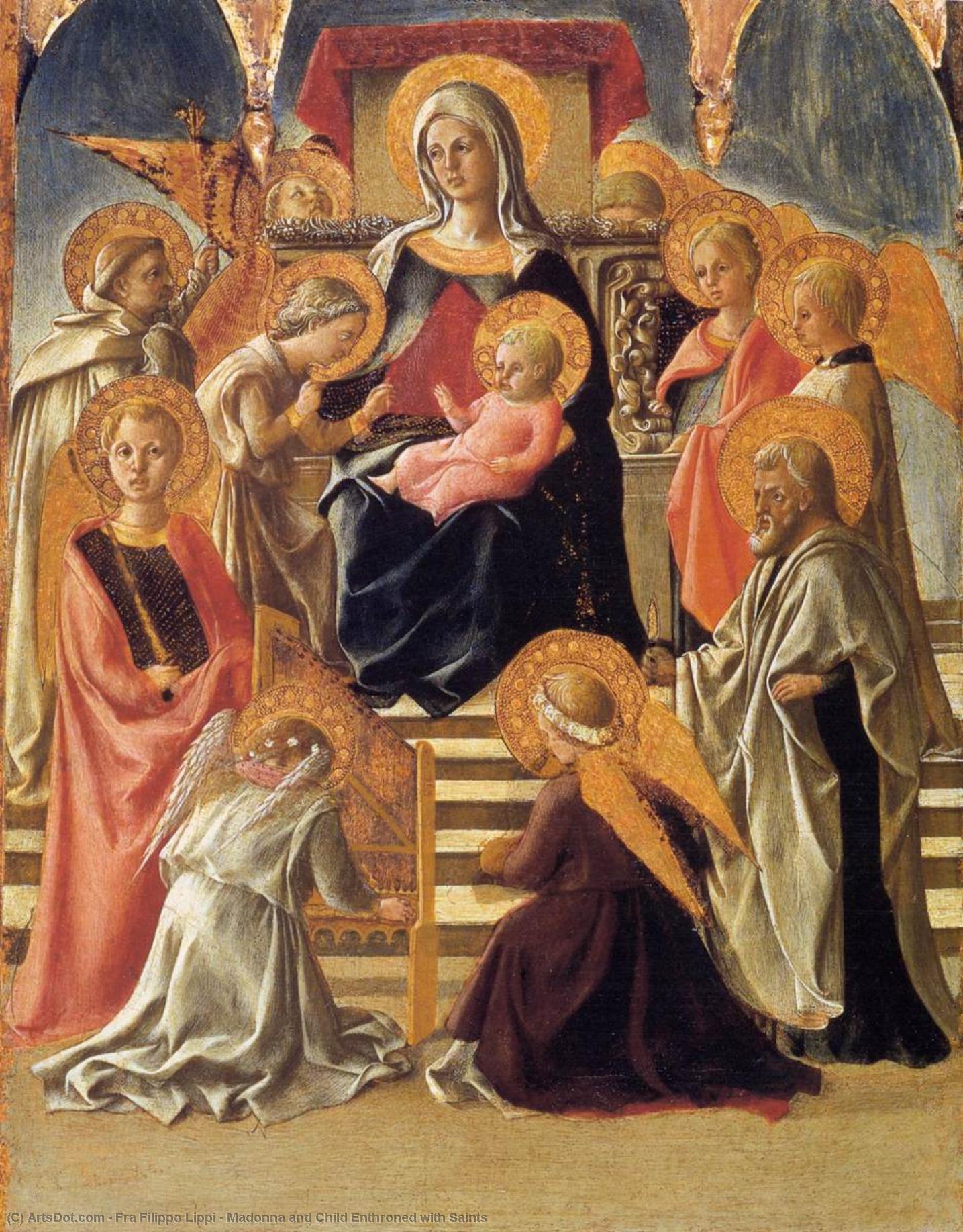
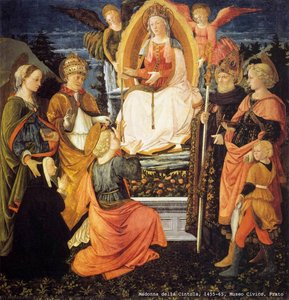
Madonna and Child Enthroned with Saints
 Oil On Canvas
- WallArt
- Early Renaissance
 1430
1430- Renaissance
 44.0 x 34.0 cm
 Museo della Collegiata
 詳細を見る
詳細を見る
オンラインプレビューをはるかに凌ぐ、高解像度で鮮明なデジタル画像をご購入いただけます。
各ファイルは、社内の専門家が高度なツールと熟練した手作業によるレタッチを用いて、細心の注意を払って準備されています。すべての画像において、卓越した鮮明度、正確な色彩再現性、そして繊細なディテールを保証いたします。
最終ファイルは、プロフェッショナルな編集・印刷環境ですぐにご利用いただけるよう最適化された状態で、72時間以内にメールにてお届けいたします。これは、一流のデザインスタジオ、出版社、ギャラリーから信頼されているものと同等の品質です。
デジタル画像のご注文に付随する特典
高品質なデジタル画像配信を、確かな品質で。
ArtsDot.com を選ぶことは、単に画像を手に入れることではありません。それは、プロの手によって精密に仕上げられ、満足保証が付いた高品質なデジタルアートワークを受け取ることを意味します。ご注文いただいた際に自動的に付随する内容は、以下の通りです:

メールですぐにお届け
ご注文から72時間以内に、高解像度のデジタル画像ファイルがメールでお手元に届きます。すぐにそのままご利用いただけます。

AI技術で最適化されたデジタルファイル
お客様の作品は、高度なAIツールと専門家による手作業の編集を組み合わせてプロフェッショナルに最適化されており、細部のディテール、鮮明さ、そして正確な色再現性を最大限に引き出しています。

一生涯無料の再送サービス
ファイルを誤って削除したり、紛失してしまったりしましたか?ご安心ください。いつでも無料で再送いたします。

輸入手数料は一切かかりません
関税や手数料、配送料を気にすることなく、お気に入りのアートワークをすぐにお楽しみいただけます。デジタルダウンロードは常に免税です。

色彩再現の保証
プロ仕様のツールとカラーマネジメント技術を用いることで、デジタル画像が元の色を最大限に忠実に再現することを保証いたします。

60日間満足保証
ご購入いただいたデジタル画像にご満足いただけない場合は、60日以内であれば、修正または100%の返金(理由を問う必要はありません)をさせていただきます。

100% 返金保証
ご満足いただけない場合は、デジタルファイルを受け取ってから60日以内であれば、理由を問わず全額返金いたします。

まとめ買い割引
3枚購入で10%OFF - 5枚購入で15%OFF - 10枚以上購入で20%OFF。クリエイティブなプロジェクト、ギャラリー、エージェンシーに最適です。
作品の詳細
A Renaissance Reverie: Filippo Lippi’s *Madonna and Child Enthroned with Saints*
Filippo Lippi's “Madonna and Child Enthroned with Saints,” painted in 1430, is more than a devotional image; it’s a vibrant window into the burgeoning artistic and spiritual landscape of Early Renaissance Florence. Measuring just 44 x 34 cm, this oil on wood panel offers an intensely personal and profoundly moving experience, showcasing Lippi's mastery of color, light, and human form – qualities that would soon define his place as one of the era’s most innovative artists. The painting depicts the Annunciation, a cornerstone of Christian belief, where the Angel Gabriel delivers the miraculous news to Mary, setting in motion the events leading to the birth of Jesus. Yet, Lippi elevates this familiar narrative through an exquisite attention to detail and a deeply felt sense of reverence, capturing not just a moment in time but also the very essence of faith itself.
Style & Technique: The Language of Early Renaissance
- Linear Perspective – Subtly Employed: While Lippi demonstrates an understanding of linear perspective, he doesn’t adhere to its rigid application. Instead, he uses it subtly to create a sense of depth within the relatively confined architectural space, prioritizing emotional impact over strict geometric accuracy. This reflects a growing humanist interest in observing and representing the world realistically, but tempered by a deep-seated spiritual conviction.
- Glazing – A Symphony of Light: The painting’s luminous quality is achieved through Lippi's masterful use of glazing—a technique involving multiple layers of translucent oil paint. This process builds up color gradually, creating an astonishing depth and richness that seems to emanate from within the figures themselves. Notice how light dances across the drapery and skin tones, imbuing them with a remarkable sense of volume and texture.
- Detailed Brushwork: The meticulous brushwork is evident in every aspect of the composition, from the delicate folds of Mary’s robes to the serene expression on her face. This level of detail speaks to Lippi's dedication and his desire to create an image that would inspire devotion and awe.
A Symphony of Color and Light: Divine Majesty
The color palette is dominated by a rich, opulent scheme – golds, reds, and browns – evoking a sense of divine majesty and spiritual devotion. These warm hues were not merely decorative; they held symbolic significance, representing the glory of God and the sacredness of the event being depicted. Dramatic lighting plays a crucial role in shaping the emotional impact. Sources of light emanate from above and behind the central figures—Mary and Christ—casting dramatic highlights and shadows that emphasize their forms and contribute to a three-dimensional effect. This masterful use of chiaroscuro elevates the scene beyond a simple depiction, imbuing it with an almost ethereal quality.
Symbolism & Context: A Window into Florentine Faith
The painting is replete with symbolic elements that would have resonated deeply with its 15th-century audience. The halos surrounding Mary, Jesus, and the angels signify their holiness and divine status. The presence of male figures, including Saint Joseph and possibly John the Baptist, underscores the importance of the Virgin’s role in salvation history. Lippi's work reflects the growing humanist spirit of the time, blending religious devotion with a keen observation of human anatomy and emotion. Born into a family of butchers, Lippi’s early life within the confines of the Carmelite convent profoundly shaped his artistic vision, imbuing his works with a delicate balance between spiritual contemplation and an increasingly humanistic sensibility.
The Artist: Filippo di Tommaso Lippi – A Florentine Rebel
Filippo di Tommaso Lippi (1406-1469), known as Fra Filippo Lippi, was a complex figure—a brilliant artist whose life was marked by both artistic genius and personal turmoil. His early years were spent within the Carmelite convent in Florence, where he received his initial training and developed his distinctive style. Despite facing accusations of impropriety and ultimately being exiled from Florence, Lippi’s legacy endures through works like this “Madonna and Child,” demonstrating a profound understanding of color, light, and human emotion – qualities that continue to captivate viewers centuries later.
関連作品


作家の略歴
フィリッポ・リッピの生涯と芸術:ルネサンスを彩った反逆者の軌跡
フィリッポ・ディ・トマッソ・リッピ、通称フラ・フィリッポ・リッピは、比類なき芸術的天賦に恵まれながらも、スキャンダルと型破りな選択に満ちた人生を送った人物である。1406年、フィレンツェの屠殺業者の家に生まれた彼は、幼少期に両親を失い、8歳という若さで修道院に預けられることになる。この環境が彼の芸術的才能を開花させるだけでなく、その複雑な人間性を形作る上でも決定的な役割を果たした。閉鎖された壁の中で、若いフィリッポは正式な教育を受け始め、そして何よりも絵画への情熱を発見するのだった。この修道院での経験は、彼の作品に深く根付いた精神的な献身と、高まりつつある人間主義的感覚との繊細なバランスを育んだ。宗教的な誓いから芸術革新へ
1420年にカルメル会に入会したリッピの決断は、単なる偶然ではなく、彼の中に熱烈な芸術への衝動を呼び起こしたようである。彼は16歳で誓いを立て、1425年頃に司祭に叙階され、1432年まで修道院にとどまった。この時期、美術史家ジョルジョ・ヴァザーリは、リッピがブランカッチ礼拝堂におけるマサッチョの画期的なフレスコ画に魅了されたと語っている。これは彼の初期作品に顕著に見られる影響であり、自然主義と革新的な光の使い方を特徴とするマサッチョの影響力は、例えば『タルクィーニアのマドンナ』のような初期作品において新たなリアリズムの萌芽として明らかである。しかし、リッピは単なる模倣者ではなかった。彼はすぐに独自のスタイルを発展させ、叙情的な優雅さ、繊細な色彩、そして同時代の人々とは異なる微妙な感情の深さを特徴とした。宗教的な場面に親密さと人間的なつながりを吹き込み、より厳格で形式的な初期の敬虔画から脱却していった。構成の妙と論争
リッピの芸術的キャリアはフィレンツェで花開き、メディチ家のような有力な家族からの依頼を集めた。例えば『受胎告知と七聖人』は、象徴的な意味と優雅な細部に満ちた複雑な構成を作り出す彼の能力を示している。1441年にサンタンブロージョ修道院の尼僧のために完成された『聖母戴冠』は特に注目に値する。この作品には、リッピ自身と思われる半身像が描かれており、宗教的な文脈における芸術的アイデンティティを大胆に主張していると言えるだろう。しかし彼の人生は平穏ではなかった。彼は頻繁に財政難、法的紛争、そして偽造の告発に巻き込まれた。最もセンセーショナルな事件は、プラートの修道女ルクレツィア・ブティとの略奪婚である。何年にもわたるスキャンダルと論争の後、彼は彼女と結婚することになった。この行為は当時の社会規範から逸脱しており、リッピの反逆的な精神と個人的な幸福を追求するために社会の慣習に挑戦する意志を示している。遺産と影響
激動の人生にもかかわらず、フィリッポ・リッピはルネサンス美術に消えない足跡を残した。彼は非常に人気のある画家であり、彼の工房は将来のマエストロを育む温床となった。彼の最も優れた弟子の一人にはサンドロ・ボッティチェリとフランチェスコ・ディ・ペセロ(ペセリーノ)がおり、彼らはどちらも独自の輝かしい功績を達成することになるだろう。リッピの影響は、後期クワトロチェントのフィレンツェ絵画に特徴的な叙情的な美しさと感情表現に見ることができる。彼はマサッチョの初期ルネサンス自然主義と、より洗練された高ルネサンスの美学との間の橋渡し役となり、次世代の芸術家が人間の形と感情の可能性を探求するための道を開いた。宗教的な敬虔さと世俗的なリアリズムを融合させる能力、革新的な構成、そして卓越した技術は、イタリア・ルネサンスにおける最も重要で魅力的な人物としての彼の地位を確固たるものにした。彼は1469年にスポレートで亡くなり、その遺産は今日に至るまで人々の畏敬と賞賛の念を引き起こし続けている。彼の芸術は、人間の創造性の力と、美しさの永続的な魅力を証明している。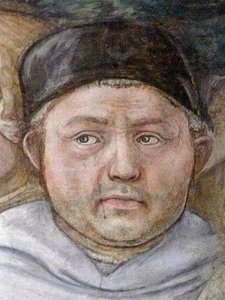
フィリッポ・リッピ
1406 - 1469 , イタリア
プロフィール概要
- Artistic Movement Or Style: 初期ルネサンス
- Artists Or Movements Influenced By This Artist: ['サンドロ・ボッティチェリ']
- Artists Who Influenced This Artist: ['マザッチョ']
- Date Of Birth: 1406年
- Date Of Death: 1469年
- Full Name: フィリッポ・ディ・トマソ・リッピ
- Nationality: イタリア人
- Notable Artworks (List Of Titles):
- タルクィニアの聖母
- 受胎告知
- 天国の女王戴冠式
- Place Of Birth (City And Country): イタリア、フィレンツェ

