

 プレビュー
プレビュー
 プリントを購入
 シェアする
シェアする シェアする
シェアする
 詳細を見る
詳細を見る

 ダウンロード
 似ている作品
 X線調査
X線調査 スライドショー
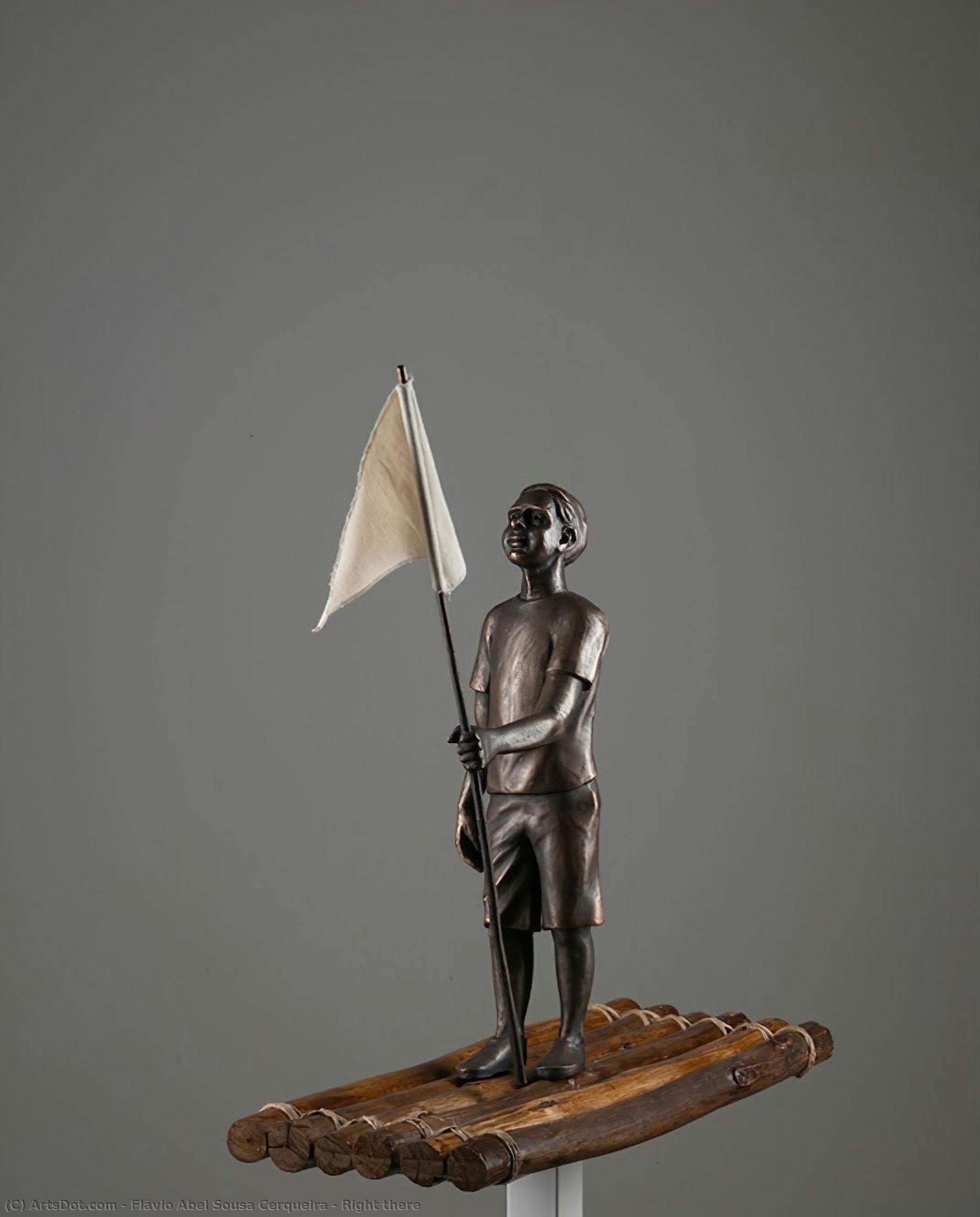
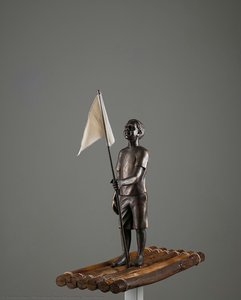
Right there
 2014
2014 49.0 x 20.0 cm
 Faculty of Arts and Humanities of University of Porto
 詳細を見る
詳細を見る




































作品のオリジナル比率に合わせた、当店の規定サイズからお選びください。

特定のフレームやスペースに合わせて、ご希望のサイズをご入力いただけます。選択されたサイズが元の画像の比率と異なる場合、アートワークをトリミングするか、手描きで要素を追加して絵画を拡張いたします。デジタルモックアップ を制作し、制作開始前にご確認(承認)をいただきます。
画面上のプレビューは、実際のトリミングや拡張を正確に反映しているものではありません。最終的な構図は、モックアップによってのみ正確にご確認いただけます。
カスタムサイズもご利用いただけますが、元の比率を維持するためには、あらかじめ用意されたリストからサイズを選択することをお勧めいたします。
ご注文後、ArtsDot.com チームより詳細な指示をお送りするとともに、仕上がりイメージ(モックアップ)をご提供いたします。


 ガラスオプションは、110cm未満のサイズでのみご利用いただけます。

Right there
複製技法
複製画のサイズ
-


合計金額
$ 263
関連作品







アーティストの略歴
Flávio Abel Sousa Cerqueira: Sculpting Memory’s Echoes
Born in São Paulo, Brazil, in 1983, Flávio Abel Sousa Cerqueira has emerged as a compelling voice within contemporary Brazilian visual art. His work isn't merely about depicting figures; it’s an excavation of forgotten narratives, a deliberate confrontation with the lingering shadows of Brazil’s complex past – specifically, the enduring legacy of slavery and its reverberations through social structures. Cerqueira’s artistic journey is deeply intertwined with a commitment to honoring marginalized histories, often employing traditional sculptural techniques like bronze casting to imbue his subjects with an unexpected weight and dignity.
Initially trained as a footballer – he spent several years playing as a central defender for clubs in Portugal including Boavista and Vitória Setúbal – Cerqueira’s transition into sculpture wasn't a sudden shift, but rather a gradual evolution. The discipline of sport, the demanding physicality, and the strategic positioning on the field likely fostered an understanding of form, balance, and the power of presence that now informs his artistic practice. This background is subtly reflected in the monumental scale of some of his pieces, creating a sense of imposing stillness and quiet contemplation.
The Bronze as Testimony
Cerqueira’s choice of bronze is profoundly significant. Bronze, with its association to ancient monuments and enduring permanence, carries a weighty history – it was used for statues celebrating emperors and heroes, often reinforcing dominant narratives. Yet, Cerqueira subverts this tradition by casting figures who are decidedly *anti-heroes*, individuals wrestling with internal conflicts, embodying resilience in the face of adversity, and challenging conventional notions of heroism. The process itself—the meticulous pouring, the slow cooling, the eventual revealing of the finished form—mirrors a painstaking effort to unearth and articulate silenced histories.
His technique is rooted in classical bronze casting methods, particularly the lost-wax process, yet he infuses it with a distinctly contemporary sensibility. The deliberate imperfections – slight asymmetries, subtle textural variations – are not errors but rather evidence of the human hand at work, reminding us that these figures aren’t idealized representations, but tangible embodiments of lived experience.
Echoes of Macunaíma and Brazil's Fractured Identity
Cerqueira’s artistic vision is deeply influenced by Mário de Andrade’s seminal novel, *Macunaíma*. Andrade’s creation, a “hero without any character,” embodies the fragmented nature of Brazilian identity – a nation grappling with its colonial past, racial divisions, and the tension between myth and reality. Cerqueira's figures similarly occupy this liminal space, reflecting the complexities of a society struggling to reconcile its idealized narratives with its painful history. The title “Right There” (referencing one of his most striking works) speaks directly to this struggle – it’s an insistent demand for visibility, for acknowledging the presence and experiences of those historically rendered invisible.
His work frequently explores themes of displacement, marginalization, and resistance. The figures are often depicted in moments of introspective contemplation, suggesting a quiet defiance against systemic oppression. The use of muted palettes – predominantly earthy tones punctuated by flashes of color – further emphasizes the weight of history and the enduring struggle for recognition.
Exhibitions and Recognition
Flávio Cerqueira’s work has garnered increasing attention within Brazil and internationally. He has participated in numerous exhibitions, including a notable showing at the Bologna Children's Book Fair, where his sculptures were presented alongside children’s literature – highlighting the universality of themes related to identity, memory, and social justice. His pieces have been featured in publications such as *Jornal da USP*, underscoring their critical engagement with Brazilian history and culture.
Cerqueira's commitment to preserving and amplifying marginalized voices through his art positions him as a significant contemporary artist pushing the boundaries of sculptural practice while simultaneously confronting Brazil’s complex past. His work serves as a powerful reminder that true progress requires not only acknowledging historical injustices but also actively seeking to give voice to those who have been silenced for far too long.
flávio abel sousa cerqueira
1983 - , Brazil
基本情報
- Artistic Movement Or Style: Abstract Expressionism
- Artists Who Influenced This Artist: ['None],\n "Artists or movements influenced by this artist": [None']
- Date Of Birth: August 23, 1981
- Full Name: Flávio Abel Sousa Cerqueira
- Nationality: Brazilian
- Notable Artworks:
- Right there
- Flávio abel sousa cerqueira
- Place Of Birth: São Paulo, Brazil