

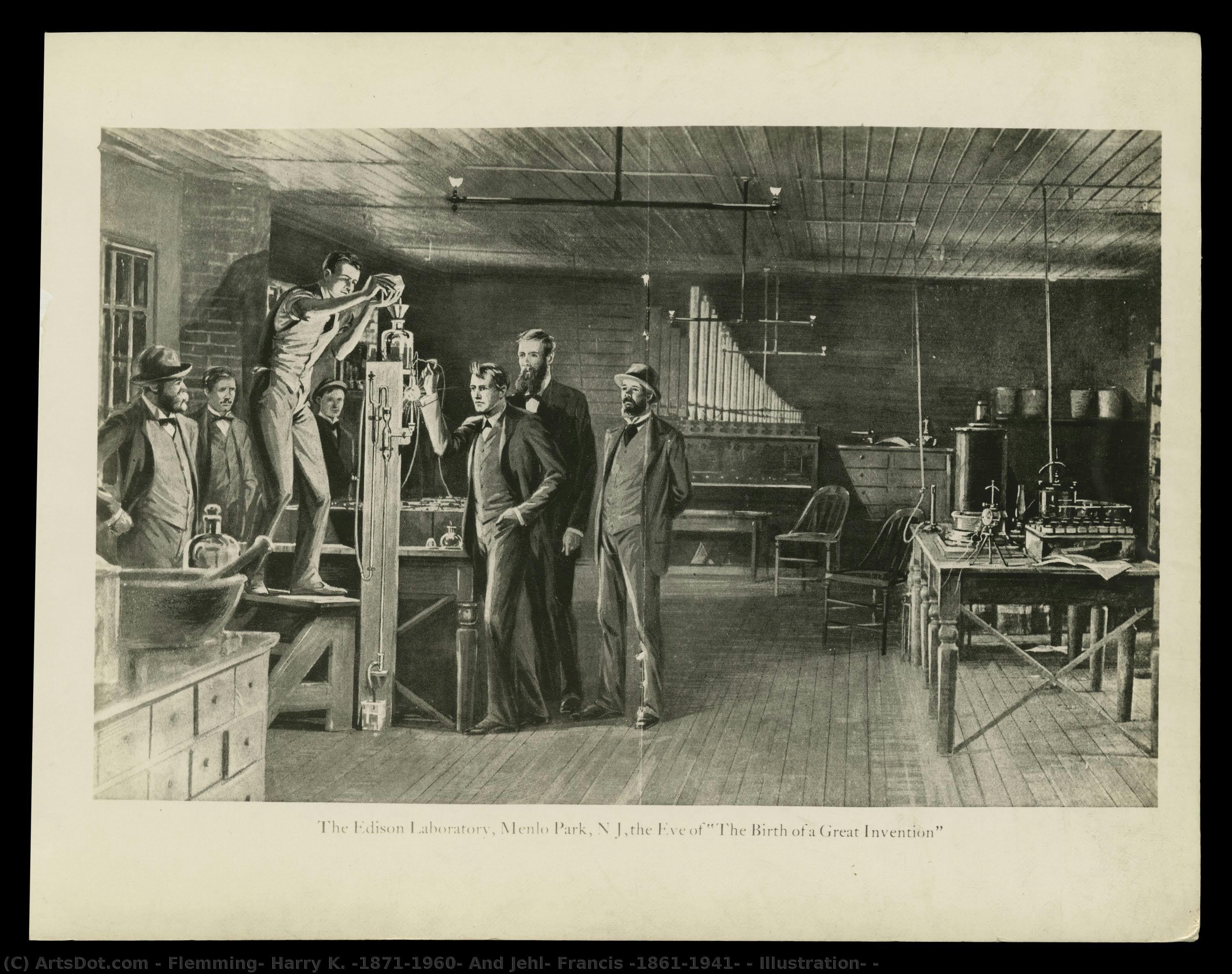
 プレビュー
プレビュー
 プリントを購入
 シェアする
シェアする シェアする
シェアする
 詳細を見る
詳細を見る

 ダウンロード
 似ている作品
 X線調査
X線調査 スライドショー
Illustration,


 詳細を見る
詳細を見る




P118B $10

P118H $10

P118W $10

P438Z $10

P508JH $12

P508YH $12

P805H $10

P805Z $10

P919BZ $10

P919G $10

P919XJ $10

P959ZH $10

P968JZ $12

W106C $8

W218G $10

W218JH $8

W218Y $10

W307PJ $10

W316G $10

W316PJ $8

W316Y $10

W398PJ $8

W4111J $10

W500HY $15

W500JH $15

W692G $12

W849H $8

W940BG $15

W953PJ $8




作品のオリジナル比率に合わせた、当店の規定サイズからお選びください。

特定のフレームやスペースに合わせて、ご希望のサイズをご入力いただけます。選択されたサイズが元の画像の比率と異なる場合、アートワークをトリミングするか、手描きで要素を追加して絵画を拡張いたします。デジタルモックアップ を制作し、制作開始前にご確認(承認)をいただきます。
画面上のプレビューは、実際のトリミングや拡張を正確に反映しているものではありません。最終的な構図は、モックアップによってのみ正確にご確認いただけます。
カスタムサイズもご利用いただけますが、元の比率を維持するためには、あらかじめ用意されたリストからサイズを選択することをお勧めいたします。
ご注文後、ArtsDot.com チームより詳細な指示をお送りするとともに、仕上がりイメージ(モックアップ)をご提供いたします。


 ガラスオプションは、110cm未満のサイズでのみご利用いただけます。

Illustration,
複製技法
複製画のサイズ
-


合計金額
$ 263
関連作品


アーティストの略歴
A Collaborative Vision: The Artistic Partnership of Harry K. Flemming and Francis Jehl
The names of Harry K. Flemming and Francis Jehl, while perhaps unfamiliar to many contemporary art enthusiasts, represent a fascinating chapter in the history of early 20th-century decorative arts and illustration. Their story isn’t one of individual genius blazing a solitary trail, but rather a compelling example of artistic synergy – a collaborative partnership that flourished for decades, leaving behind a legacy of exquisitely detailed and charmingly nostalgic works. Born just five years apart, Flemming (1871) and Jehl (1861), both hailing from European traditions, found themselves drawn to the burgeoning American market eager for refined imagery. While biographical details regarding their early lives remain somewhat elusive, it’s clear that both artists possessed a strong foundation in traditional drawing techniques and a shared aesthetic sensibility focused on romanticized depictions of everyday life, particularly scenes of domesticity and idyllic landscapes.From European Roots to American Shores
The precise circumstances of their meeting and the formal establishment of their collaborative practice are not fully documented. However, by the early 1900s, Flemming and Jehl were working in tandem, creating illustrations for popular magazines like *Harper’s Bazaar*, *Ladies' Home Journal*, and *McCall’s*. This period marked a golden age of illustration, where artists played a crucial role in shaping public taste and conveying narratives through visually arresting imagery. Flemming and Jehl quickly distinguished themselves with their meticulous attention to detail, soft color palettes, and ability to evoke a sense of warmth and intimacy. Their work often featured elegantly dressed women engaged in leisurely pursuits – sketching in gardens, reading by the fireplace, or sharing tea with friends – scenes that resonated deeply with an American audience increasingly fascinated by European sophistication and aspirational lifestyles. It’s important to note that Jehl's earlier training likely provided a structural foundation for their compositions, while Flemming brought a more fluid and expressive quality to the figures and settings.A Distinctive Style: Detail, Nostalgia, and Romanticism
The hallmark of a Flemming and Jehl illustration is its remarkable detail. They weren’t interested in broad brushstrokes or abstract forms; instead, they painstakingly rendered every fold of fabric, every leaf on a tree, every glint of light on a porcelain teacup. This dedication to realism wasn't simply about technical skill, however. It was integral to their overall aesthetic – a deliberate attempt to create images that felt both believable and idealized. Their scenes are imbued with a sense of nostalgia, often depicting a bygone era of grace and refinement. The influence of the Art Nouveau movement is subtly present in their flowing lines and decorative motifs, but they avoided the more radical aspects of the style, opting instead for a gentler, more accessible form of romanticism. Their work offered an escape from the realities of modern life, presenting viewers with a vision of beauty and tranquility. The collaborative nature of their process is evident in the seamless integration of these elements; it’s often difficult to discern where one artist's contribution ends and the other begins.Beyond Illustration: Expanding into Decorative Arts
While primarily known for their magazine illustrations, Flemming and Jehl also extended their artistic talents into the realm of decorative arts. They designed calendars, postcards, and prints that further popularized their distinctive style. These smaller-scale works allowed them to reach a wider audience and solidify their reputation as purveyors of charming and elegant imagery. The demand for their work remained strong throughout the first half of the 20th century, even as artistic tastes began to shift. Their ability to adapt while staying true to their core aesthetic was a testament to their skill and understanding of the market. They successfully navigated the changing landscape of visual culture by focusing on timeless themes and appealing to a desire for beauty and comfort. The partnership continued until Jehl’s death in 1941, after which Flemming continued to work independently, though his later works often retained the hallmarks of their collaborative style.Legacy and Historical Significance
Harry K. Flemming and Francis Jehl represent a unique case study in artistic collaboration. Their enduring appeal lies not only in the technical brilliance of their illustrations but also in their ability to capture a specific moment in time – an era characterized by romantic ideals, aspirational lifestyles, and a growing appreciation for refined imagery.- Their work provides valuable insight into the social and cultural values of early 20th-century America.
- They exemplify the important role that illustration played in shaping public taste during this period.
- The meticulous detail and nostalgic quality of their images continue to resonate with contemporary audiences.
関連記事

White on Canvas: 10 Masterpieces & Timeless Elegance for Your Home Decor
Explore 10 iconic white paintings by Monet, Whistler & Rothko! Discover the stories behind these serene masterpieces and their impact on art history. Find museum-quality reproductions for your home decor at .

Industrial Revolution on Canvas: 10 Artworks That Define a Modern Aesthetic
Explore 10 iconic artworks capturing the Industrial Revolution’s grit & beauty. From Monet to Manet, discover realism, impressionism & powerful scenes of urban life. Find museum-quality reproductions for your home at ArtsDot.com.

Dark Masterpieces: 10 Iconic Paintings Dominated by Black Tones |
Explore 10 iconic paintings dominated by black tones, from Rembrandt’s chiaroscuro to Goya's dark expressions. Discover the stories behind these masterpieces & find museum-quality art reproductions for your home at .

Monochrome Visions: Exploring the Aesthetic & Historical Significance of Black & White Photography
Explore the rich history & artistic power of black and white photography. From early techniques to iconic masters like Ansel Adams, discover why monochrome continues to captivate art lovers today. Expert insights for collectors.
19th Century Masterpieces: 10 Paintings That Defined an Era | ArtsDot
Journey through 19th century art with ArtsDot! Explore 10 iconic paintings – from Monet & Renoir to Courbet – and discover the stories behind Romanticism, Realism & Impressionism. Find museum-quality reproductions for your home decor. Explore the full collection online!

