

 プレビュー
プレビュー
 プリントを購入
 シェアする
シェアする シェアする
シェアする
 詳細を見る
詳細を見る

 ダウンロード
 似ている作品
 X線調査
X線調査 スライドショー
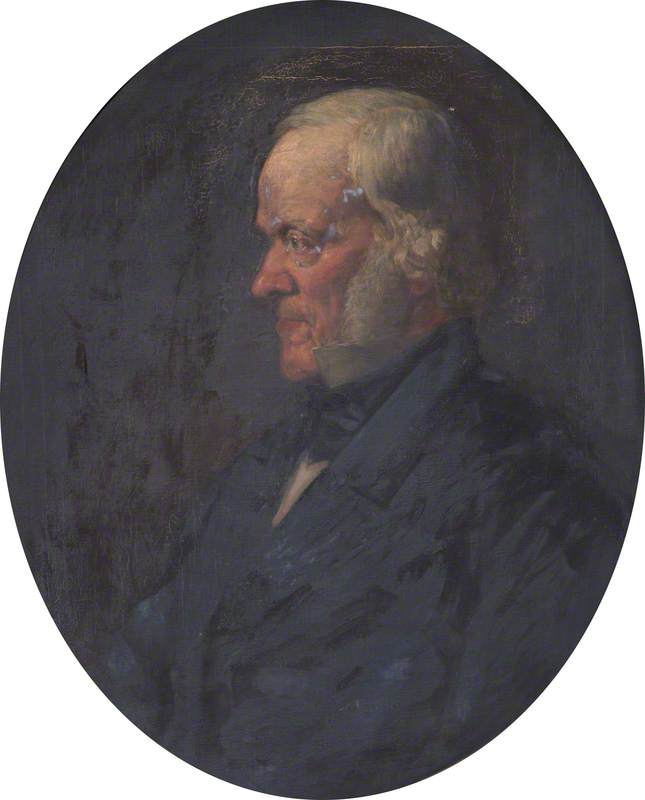
John Aitken Carlyle (1801–1879) (after a photograph by Elliot and Fry)
 Acrylic On Canvas
- WallArt
- Impressionist Realism
 99.0 x 87.0 cm
 National Trust
 詳細を見る
詳細を見る
オンラインプレビューをはるかに凌ぐ、高解像度で鮮明なデジタル画像をご購入いただけます。
各ファイルは、社内の専門家が高度なツールと熟練した手作業によるレタッチを用いて、細心の注意を払って準備されています。すべての画像において、卓越した鮮明度、正確な色彩再現性、そして繊細なディテールを保証いたします。
最終ファイルは、プロフェッショナルな編集・印刷環境ですぐにご利用いただけるよう最適化された状態で、72時間以内にメールにてお届けいたします。これは、一流のデザインスタジオ、出版社、ギャラリーから信頼されているものと同等の品質です。
デジタル画像のご注文に付随する特典
高品質なデジタル画像配信を、確かな品質で。
ArtsDot.com を選ぶことは、単に画像を手に入れることではありません。それは、プロの手によって精密に仕上げられ、満足保証が付いた高品質なデジタルアートワークを受け取ることを意味します。ご注文いただいた際に自動的に付随する内容は、以下の通りです:

メールですぐにお届け
ご注文から72時間以内に、高解像度のデジタル画像ファイルがメールでお手元に届きます。すぐにそのままご利用いただけます。

AI技術で最適化されたデジタルファイル
お客様の作品は、高度なAIツールと専門家による手作業の編集を組み合わせてプロフェッショナルに最適化されており、細部のディテール、鮮明さ、そして正確な色再現性を最大限に引き出しています。

一生涯無料の再送サービス
ファイルを誤って削除したり、紛失してしまったりしましたか?ご安心ください。いつでも無料で再送いたします。

輸入手数料は一切かかりません
関税や手数料、配送料を気にすることなく、お気に入りのアートワークをすぐにお楽しみいただけます。デジタルダウンロードは常に免税です。

色彩再現の保証
プロ仕様のツールとカラーマネジメント技術を用いることで、デジタル画像が元の色を最大限に忠実に再現することを保証いたします。

60日間満足保証
ご購入いただいたデジタル画像にご満足いただけない場合は、60日以内であれば、修正または100%の返金(理由を問う必要はありません)をさせていただきます。

100% 返金保証
ご満足いただけない場合は、デジタルファイルを受け取ってから60日以内であれば、理由を問わず全額返金いたします。

まとめ買い割引
3枚購入で10%OFF - 5枚購入で15%OFF - 10枚以上購入で20%OFF。クリエイティブなプロジェクト、ギャラリー、エージェンシーに最適です。
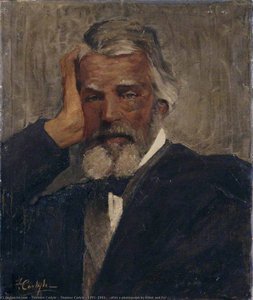
John Aitken Carlyle (1801–1879) (after a photograph by Elliot and Fry)
Florence Carlyle’s “John Aitken Carlyle” stands as a testament to the burgeoning Impressionist movement in Canada, capturing not merely a likeness but an essence of Victorian intellect and artistic vision. Executed around 1900, this portrait—a masterful reproduction after Elliot and Fry's photograph—offers a glimpse into a pivotal figure of Scottish Romanticism and Canadian cultural heritage.- Subject Matter: The painting portrays John Aitken Carlyle (1801–1879), a celebrated Scottish poet, philosopher, and novelist renowned for his exploration of moral philosophy and visionary imagination. Carlyle’s influence extended far beyond literary circles, shaping the intellectual landscape of Britain during his lifetime.
- Style & Technique: Carlyle's approach aligns seamlessly with Impressionistic principles—characterized by loose brushstrokes, vibrant color palettes, and a focus on capturing fleeting moments of light and atmosphere. The artist skillfully employs tonal modulation to convey depth and texture, prioritizing visual sensation over precise representation.
- Historical Context: Produced during the early 20th century, “John Aitken Carlyle” reflects the broader artistic trends of its time—a reaction against academic realism and a fervent embrace of subjective experience. It embodies the spirit of Canadian Impressionism’s pioneering efforts to establish itself as an internationally recognized aesthetic tradition.
- Color Palette: The painting utilizes a subdued yet luminous color scheme dominated by earthy tones – browns, ochres, and greys—contrasted with splashes of crimson and gold that highlight Carlyle's gaze and subtly illuminate his face. These colors evoke warmth and contemplation, mirroring the subject’s profound philosophical pursuits.
- Symbolism & Emotional Impact: The artist’s deliberate positioning of Carlyle’s eyes off to the side suggests introspection and a preoccupation with inner thought—a characteristic motif within Romantic art. Furthermore, the portrait's overall mood conveys dignity and seriousness, inviting viewers to contemplate Carlyle’s legacy as a champion of moral virtue and imaginative creativity.
関連作品
作家の略歴
A Legacy of Light: The Life and Art of Florence Carlyle
Florence Emily Carlyle stands as a luminous figure in the annals of Canadian art history, a pioneer who navigated the complexities of her era to emerge as a master of Impressionist sensibilities. Born in 1864 in Galt, Ontario, her early years were steeped in an environment of intellectual depth; she was the great-niece of the renowned Scottish philosopher Thomas Carlyle, a connection that perhaps whispered to her the profound importance of capturing the essence of the human condition. Known affectionately by her loved ones as "Bird," Florence possessed a spirit that refused to be tethered by the provincial boundaries of her youth. Her journey from the quiet landscapes of Ontario to the vibrant, avant-garde studios of Paris represents more than just a geographical shift; it was a courageous pursuit of an artistic identity that would eventually bridge the gap between Canadian tradition and European modernism.
The foundations of her talent were laid in Woodstock, Ontario, under the dedicated mentorship of William Lees Judson. It was here, amidst the nurturing atmosphere provided by her mother, Emily, that Florence began to refine her command over line and color. Her early recognition was nothing short of meteoric; by 1883, her works were being exhibited at the Toronto Industrial Exhibition, where a painting of white lilies on china caught the eye of Princess Louise and the Marquis of Lorne. Such prestigious patronage served as an early validation of her skill, yet Florence harbored ambitions that reached far beyond the borders of Canada. Driven by an insatiable thirst for formal excellence, she ventured to Paris in 1890, a move that would fundamentally transform her aesthetic language.
The Parisian Transformation and Impressionist Mastery
Paris in the late nineteenth century was a crucible of artistic revolution, and Florence Carlyle immersed herself in its electric atmosphere with remarkable independence. While many female artists of her time were relegated to segregated classes or restricted by the conventions of the academy, Carlyle forged her own path, navigating the challenges of the Académie Julian and absorbing the radical innovations of the Impressionist masters. The influence of Claude Monet and his contemporaries is woven into the very fabric of her technique. She learned to move beyond mere representation, seeking instead to capture the ephemeral—the way light dances across a surface, the subtle shift of shadows at dusk, and the tactile quality of fabric.
Her work became a sophisticated dialogue between structure and sensation. In her celebrated portraits and figure studies, one observes an extraordinary ability to manipulate light and texture. She did not merely paint a subject; she painted the atmosphere surrounding it. This is perhaps most evident in her handling of drapery and skin tones, where a masterful use of tonal gradations creates a sense of breathing life within the canvas. Her palette, while often grounded in earthy, classical tones, was frequently punctuated by luminous highlights that evoked the fleeting brilliance of a sunlit moment. Through this approach, she helped introduce a more subjective, sensory experience to the Canadian art scene, moving away from rigid academic realism toward a more emotive and atmospheric modernism.
Historical Significance and Artistic Endurance
The significance of Florence Carlyle lies not only in her technical prowess but in her role as a trailblazer for women in the fine arts. By establishing herself in the competitive Parisian art world and earning recognition within the Royal Canadian Academy, she challenged the societal expectations that sought to limit female creativity to the domestic sphere. Her ability to blend the intellectual weight of her heritage with the fluid, light-filled techniques of Impressionism allowed her to create a body of work that feels both timeless and revolutionary.
Today, her legacy is preserved in some of Canada's most esteemed institutions, including the National Gallery of Canada. When we look upon her canvases, we see more than just beautiful images; we witness the triumph of a dedicated spirit. Her contributions can be summarized through several key pillars of her career:
- Pioneering Impressionism: She was instrumental in bringing the light-centric, atmospheric techniques of French Impressionism to the Canadian landscape.
- Technical Mastery: Her unparalleled skill in depicting the interplay of light on various textures, particularly fabric and skin, remains a hallmark of her oeuvre.
- Breaking Barriers: As a woman artist operating in an era of significant gender constraints, she paved the way for future generations of Canadian modernists.
- Cultural Synthesis: Her work represents a unique fusion of North American subject matter with European stylistic innovation.
Florence Carlyle’s life was a testament to the power of vision and the courage to pursue it across continents. Though her life was cut short in 1923, the brilliance of her "light" continues to illuminate the history of Canadian art, reminding us that true artistry is found in the delicate balance between what is seen and what is felt.
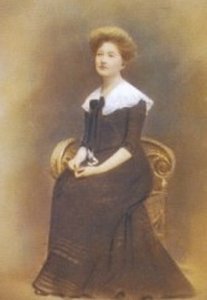
Florence Carlyle
1864 - 1923 , Canada
プロフィール概要
- Artistic Movement Or Style: Modernist Painter
- Artists Or Movements Influenced By This Artist: ['Impressionism']
- Artists Who Influenced This Artist: ['William Lees Judson']
- Date Of Birth: September 24, 1864
- Date Of Death: May 2, 1923
- Full Name: Florence Emily Carlyle
- Nationality: Canadian
- Notable Artworks:
- The Kitchen of the Arched House at Ecclefechan
- John Aitken Carlyle
- Thomas Carlyle
- Place Of Birth: Galt, Ontario

