

 プレビュー
プレビュー
 シェアする
シェアする シェアする
シェアする
 詳細を見る
詳細を見る

 ダウンロード
 似ている作品
 X線調査
X線調査 スライドショー
 統計情報
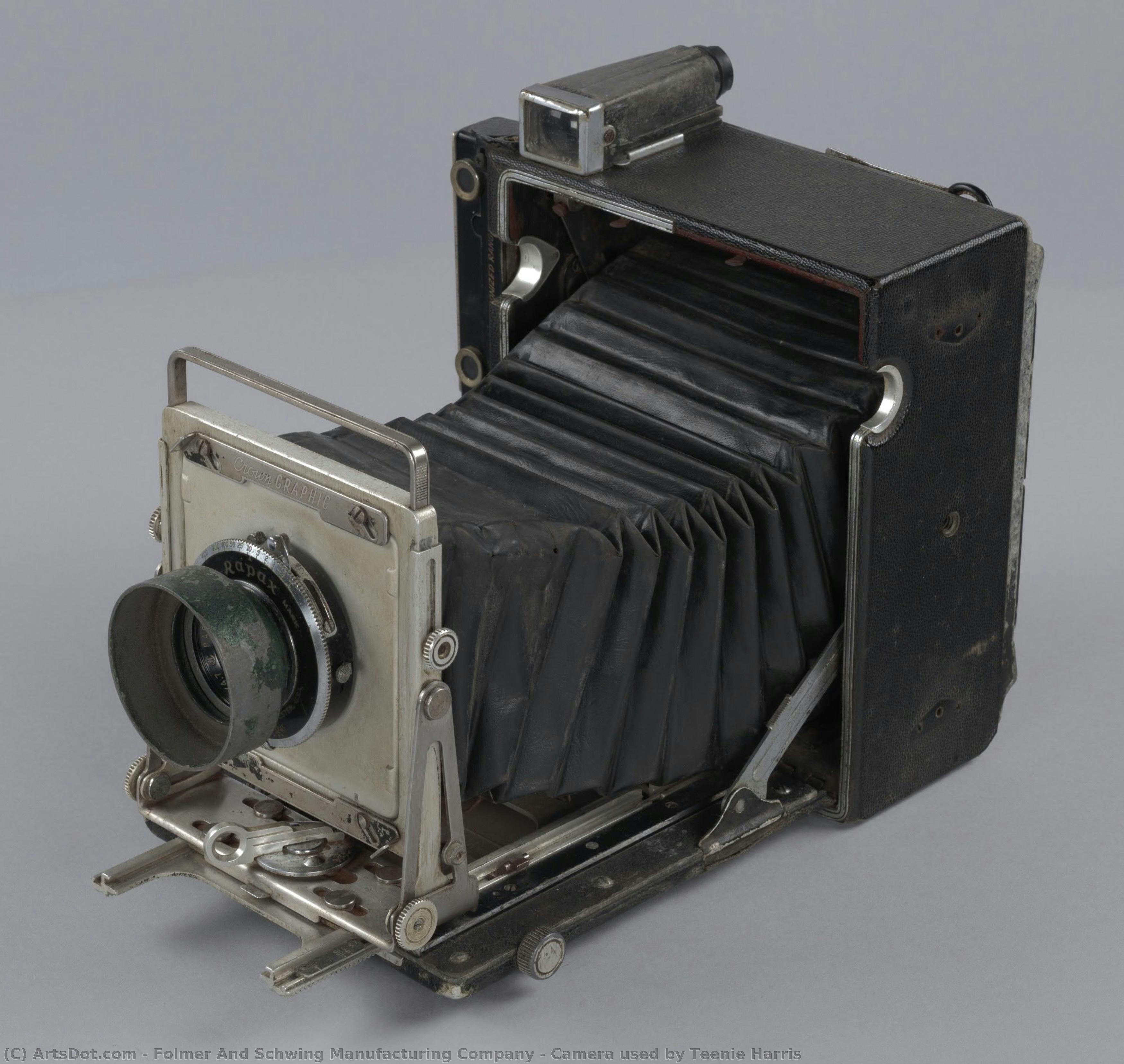
統計情報Camera used by Teenie Harris
 1900
1900 21.0 x 19.0 cm
 National Museum of African American History and Culture
 詳細を見る
詳細を見る
オンラインプレビューをはるかに凌ぐ、高解像度で鮮明なデジタル画像をご購入いただけます。
各ファイルは、社内の専門家が高度なツールと熟練した手作業によるレタッチを用いて、細心の注意を払って準備されています。すべての画像において、卓越した鮮明度、正確な色彩再現性、そして繊細なディテールを保証いたします。
最終ファイルは、プロフェッショナルな編集・印刷環境ですぐにご利用いただけるよう最適化された状態で、72時間以内にメールにてお届けいたします。これは、一流のデザインスタジオ、出版社、ギャラリーから信頼されているものと同等の品質です。
デジタルアート
個人での鑑賞、印刷、クリエイティブなプロジェクト用に、高解像度ファイルをダウンロードできます。 ( プリント版に切り替え 手描きの絵画を購入)
デジタル画像のご注文に付随する特典
高品質なデジタル画像配信を、確かな品質で。
ArtsDot.com を選ぶことは、単に画像を手に入れることではありません。それは、プロの手によって精密に仕上げられ、満足保証が付いた高品質なデジタルアートワークを受け取ることを意味します。ご注文いただいた際に自動的に付随する内容は、以下の通りです:

メールですぐにお届け
ご注文から72時間以内に、高解像度のデジタル画像ファイルがメールでお手元に届きます。すぐにそのままご利用いただけます。

AI技術で最適化されたデジタルファイル
お客様の作品は、高度なAIツールと専門家による手作業の編集を組み合わせてプロフェッショナルに最適化されており、細部のディテール、鮮明さ、そして正確な色再現性を最大限に引き出しています。

一生涯無料の再送サービス
ファイルを誤って削除したり、紛失してしまったりしましたか?ご安心ください。いつでも無料で再送いたします。

輸入手数料は一切かかりません
関税や手数料、配送料を気にすることなく、お気に入りのアートワークをすぐにお楽しみいただけます。デジタルダウンロードは常に免税です。

色彩再現の保証
プロ仕様のツールとカラーマネジメント技術を用いることで、デジタル画像が元の色を最大限に忠実に再現することを保証いたします。

100日間満足保証
ご購入いただいたデジタル画像にご満足いただけない場合は、100日以内であれば、理由を問わず修正または100%の返金対応をさせていただきます。

100% 返金保証
ご満足いただけない場合は、デジタルファイルを受け取ってから100日以内であれば、理由を問わず全額返金いたします。

まとめ買い割引
3枚購入で10%OFF - 5枚購入で15%OFF - 10枚以上購入で20%OFF。クリエイティブなプロジェクト、ギャラリー、エージェンシーに最適です。
関連作品










作家の略歴
The Pioneering Vision of Folmer & Schwing: From Gaslight to Graflex
The story of Folmer & Schwing Manufacturing Company is a fascinating testament to American ingenuity and the relentless pursuit of innovation. Founded in New York City in 1887 by William F. Folmer, an inventor with a keen eye for opportunity, and William E. Schwing, the company initially carved its niche producing gas light fixtures and chandeliers—products emblematic of the era’s burgeoning industrial landscape. However, as the demand for gas lighting waned, Folmer & Schwing demonstrated remarkable adaptability, branching into bicycle manufacturing before ultimately finding their enduring legacy in the world of photography. This early diversification wasn't merely a response to market forces; it was a reflection of the partners’ shared spirit of experimentation and a willingness to embrace new technologies.
The late 19th century witnessed an explosion in photographic technology, with amateur and professional photographers alike clamoring for better equipment. Recognizing this need, Folmer & Schwing began producing cameras, quickly establishing themselves as a force within the industry. Their early models were characterized by robust construction and a commitment to quality—traits that would become hallmarks of their brand. The company’s initial success stemmed from a focus on practical design, catering to the needs of working photographers who demanded reliability in their tools. This dedication wasn't simply about building cameras; it was about empowering image-makers with instruments capable of capturing the world around them.
The Rise of Graflex and Eastman Kodak’s Influence
By 1909, Folmer & Schwing had become a prominent name in American photography. This success attracted the attention of George Eastman, the visionary founder of Eastman Kodak Company. In that year, Eastman acquired Folmer & Schwing, integrating it into his burgeoning photographic empire as the Folmer & Schwing Division. The move to Rochester, New York, in 1928 marked a significant shift for the company, solidifying its connection with Kodak’s vast resources and manufacturing capabilities. However, this integration wasn't without its complexities.
Despite being under the Kodak umbrella, the spirit of innovation that defined Folmer & Schwing persisted. The division continued to develop groundbreaking camera designs, most notably the iconic Speed Graphic series. This press camera became synonymous with photojournalism throughout much of the 20th century, favored by photographers for its speed, versatility, and ability to capture decisive moments in history. The Speed Graphic wasn’t just a tool; it was an extension of the photographer's eye, enabling them to document events with unparalleled immediacy.
Divestment, Rebirth, and Legacy
In 1926, Kodak faced antitrust pressures and was compelled to divest itself of Folmer & Schwing. This led to the formation of the Folmer Graflex Corporation in 1928, a new entity dedicated solely to camera manufacturing. The name change reflected a conscious effort to capitalize on the established reputation of the Graflex brand. Over the following decades, the company continued to refine its designs and introduce new models, cementing its position as a leader in large-format photography.
The subsequent history of Graflex is one of further transitions—name changes to Graflex Inc. (1946), acquisitions by General Precision Equipment (1956) and Singer Corporation (1968), and ultimately, the sale of its tooling to Toyo Co. in 1973. While the original Folmer & Schwing Manufacturing Company no longer exists as an independent entity, its legacy endures through the enduring designs of the Graflex cameras and their profound impact on the art of photography. The Speed Graphic, in particular, remains a coveted collectible among photographers and historians alike—a tangible reminder of a bygone era of craftsmanship and journalistic integrity.
The story of Folmer & Schwing is more than just a corporate timeline; it’s a narrative about adaptation, innovation, and the power of vision. From humble beginnings as a gaslight manufacturer to becoming an icon in the world of photography, the company's journey exemplifies the American spirit of enterprise and its lasting contribution to visual culture.
プロフィール概要
- Date Of Death: Living
- Full Name: Folmer And Schwing Manufacturing Company
- Notable Artworks: ['Camera used by Teenie Harris']