

 プレビュー
プレビュー
 シェアする
シェアする シェアする
シェアする
 詳細を見る
詳細を見る

 ダウンロード
 似ている作品
 X線調査
X線調査 スライドショー
 統計情報
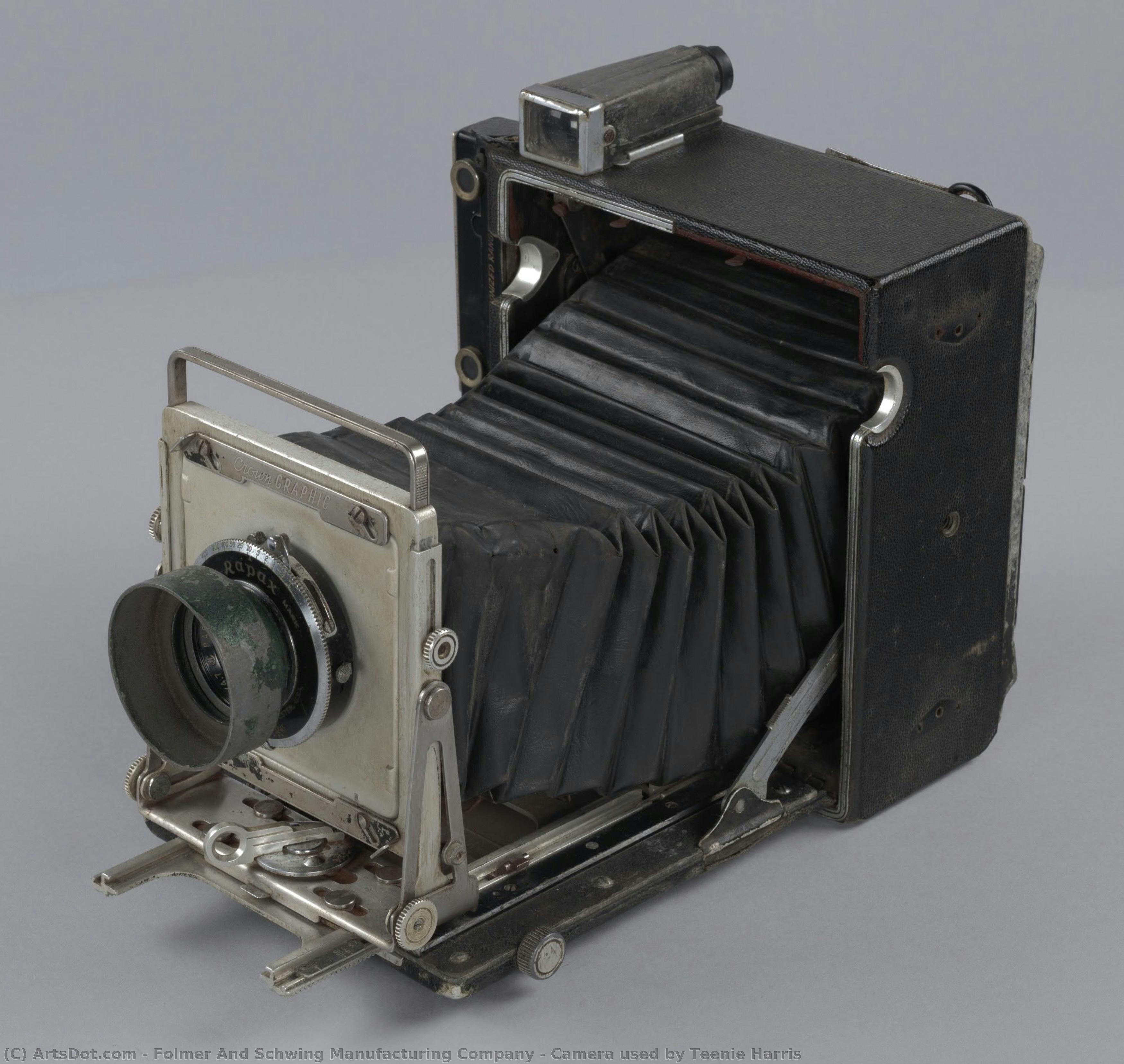
統計情報Camera used by Teenie Harris
 1900
1900 21.0 x 19.0 cm
 National Museum of African American History and Culture
 詳細を見る
詳細を見る
ジークレー/アートプリント
迅速な制作と多彩な仕上げオプションを備えた、ミュージアムクオリティのジークレーまたはキャンバスプリント。 ( 手描きの絵画を購入 デジタル画像販売へ切り替え)




































作品のオリジナル比率に合わせた、当店の規定サイズからお選びください。

特定のフレームやスペースに合わせて、ご自身でサイズを指定することも可能です。選択されたサイズが元の画像の比率と一致しない場合、作品をトリミングするか、鏡面反射または単色での塗りつぶしによって画像を拡張いたします。制作を開始する前に、ご確認用のデジタルモックアップをお送りいたします。
画面上のプレビューには、実際のトリミングや拡張は反映されませんのでご注意ください。最終的な構図を正確に確認できるのは、モックアップのみとなります。
カスタムサイズも承っておりますが、元の比率を維持するためには、あらかじめ用意されたリストからサイズを選択することをお勧めいたします。


 ガラスオプションは、110cm未満のサイズでのみご利用いただけます。

Camera used by Teenie Harris
ジークレー/アートプリント
複製画のサイズ
-


合計金額
$ 62
関連作品










アーティストの略歴
The Pioneering Vision of Folmer & Schwing: From Gaslight to Graflex
The story of Folmer & Schwing Manufacturing Company is a fascinating testament to American ingenuity and the relentless pursuit of innovation. Founded in New York City in 1887 by William F. Folmer, an inventor with a keen eye for opportunity, and William E. Schwing, the company initially carved its niche producing gas light fixtures and chandeliers—products emblematic of the era’s burgeoning industrial landscape. However, as the demand for gas lighting waned, Folmer & Schwing demonstrated remarkable adaptability, branching into bicycle manufacturing before ultimately finding their enduring legacy in the world of photography. This early diversification wasn't merely a response to market forces; it was a reflection of the partners’ shared spirit of experimentation and a willingness to embrace new technologies.
The late 19th century witnessed an explosion in photographic technology, with amateur and professional photographers alike clamoring for better equipment. Recognizing this need, Folmer & Schwing began producing cameras, quickly establishing themselves as a force within the industry. Their early models were characterized by robust construction and a commitment to quality—traits that would become hallmarks of their brand. The company’s initial success stemmed from a focus on practical design, catering to the needs of working photographers who demanded reliability in their tools. This dedication wasn't simply about building cameras; it was about empowering image-makers with instruments capable of capturing the world around them.
The Rise of Graflex and Eastman Kodak’s Influence
By 1909, Folmer & Schwing had become a prominent name in American photography. This success attracted the attention of George Eastman, the visionary founder of Eastman Kodak Company. In that year, Eastman acquired Folmer & Schwing, integrating it into his burgeoning photographic empire as the Folmer & Schwing Division. The move to Rochester, New York, in 1928 marked a significant shift for the company, solidifying its connection with Kodak’s vast resources and manufacturing capabilities. However, this integration wasn't without its complexities.
Despite being under the Kodak umbrella, the spirit of innovation that defined Folmer & Schwing persisted. The division continued to develop groundbreaking camera designs, most notably the iconic Speed Graphic series. This press camera became synonymous with photojournalism throughout much of the 20th century, favored by photographers for its speed, versatility, and ability to capture decisive moments in history. The Speed Graphic wasn’t just a tool; it was an extension of the photographer's eye, enabling them to document events with unparalleled immediacy.
Divestment, Rebirth, and Legacy
In 1926, Kodak faced antitrust pressures and was compelled to divest itself of Folmer & Schwing. This led to the formation of the Folmer Graflex Corporation in 1928, a new entity dedicated solely to camera manufacturing. The name change reflected a conscious effort to capitalize on the established reputation of the Graflex brand. Over the following decades, the company continued to refine its designs and introduce new models, cementing its position as a leader in large-format photography.
The subsequent history of Graflex is one of further transitions—name changes to Graflex Inc. (1946), acquisitions by General Precision Equipment (1956) and Singer Corporation (1968), and ultimately, the sale of its tooling to Toyo Co. in 1973. While the original Folmer & Schwing Manufacturing Company no longer exists as an independent entity, its legacy endures through the enduring designs of the Graflex cameras and their profound impact on the art of photography. The Speed Graphic, in particular, remains a coveted collectible among photographers and historians alike—a tangible reminder of a bygone era of craftsmanship and journalistic integrity.
The story of Folmer & Schwing is more than just a corporate timeline; it’s a narrative about adaptation, innovation, and the power of vision. From humble beginnings as a gaslight manufacturer to becoming an icon in the world of photography, the company's journey exemplifies the American spirit of enterprise and its lasting contribution to visual culture.
基本情報
- Date Of Death: Living
- Full Name: Folmer And Schwing Manufacturing Company
- Notable Artworks: ['Camera used by Teenie Harris']