

 プリントを購入
 シェアする
シェアする シェアする
シェアする
 詳細を見る
詳細を見る

 ダウンロード
 似ている作品
 スライドショー
Diego Rivera


 詳細を見る
詳細を見る
オンラインプレビューをはるかに凌ぐ、高解像度で鮮明なデジタル画像をご購入いただけます。
各ファイルは、社内の専門家が高度なツールと熟練した手作業によるレタッチを用いて、細心の注意を払って準備されています。すべての画像において、卓越した鮮明度、正確な色彩再現性、そして繊細なディテールを保証いたします。
最終ファイルは、プロフェッショナルな編集・印刷環境ですぐにご利用いただけるよう最適化された状態で、72時間以内にメールにてお届けいたします。これは、一流のデザインスタジオ、出版社、ギャラリーから信頼されているものと同等の品質です。
デジタル画像のご注文に付随する特典
高品質なデジタル画像配信を、確かな品質で。
ArtsDot.com を選ぶことは、単に画像を手に入れることではありません。それは、プロの手によって精密に仕上げられ、満足保証が付いた高品質なデジタルアートワークを受け取ることを意味します。ご注文いただいた際に自動的に付随する内容は、以下の通りです:

メールですぐにお届け
ご注文から72時間以内に、高解像度のデジタル画像ファイルがメールでお手元に届きます。すぐにそのままご利用いただけます。

AI技術で最適化されたデジタルファイル
お客様の作品は、高度なAIツールと専門家による手作業の編集を組み合わせてプロフェッショナルに最適化されており、細部のディテール、鮮明さ、そして正確な色再現性を最大限に引き出しています。

一生涯無料の再送サービス
ファイルを誤って削除したり、紛失してしまったりしましたか?ご安心ください。いつでも無料で再送いたします。

輸入手数料は一切かかりません
関税や手数料、配送料を気にすることなく、お気に入りのアートワークをすぐにお楽しみいただけます。デジタルダウンロードは常に免税です。

色彩再現の保証
プロ仕様のツールとカラーマネジメント技術を用いることで、デジタル画像が元の色を最大限に忠実に再現することを保証いたします。

60日間満足保証
ご購入いただいたデジタル画像にご満足いただけない場合は、60日以内であれば、修正または100%の返金(理由を問う必要はありません)をさせていただきます。

100% 返金保証
ご満足いただけない場合は、デジタルファイルを受け取ってから60日以内であれば、理由を問わず全額返金いたします。

まとめ買い割引
3枚購入で10%OFF - 5枚購入で15%OFF - 10枚以上購入で20%OFF。クリエイティブなプロジェクト、ギャラリー、エージェンシーに最適です。
関連作品
作家の略歴
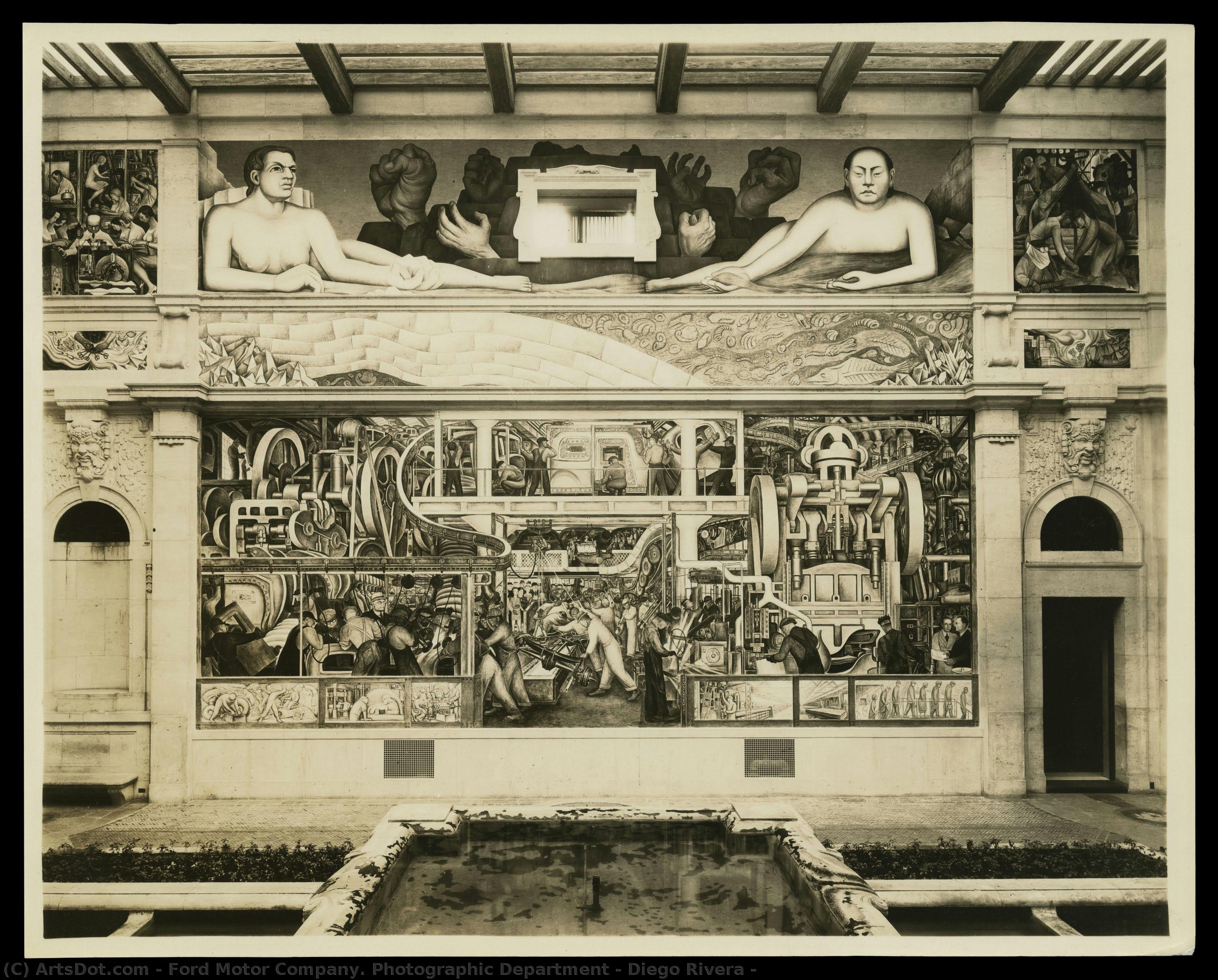
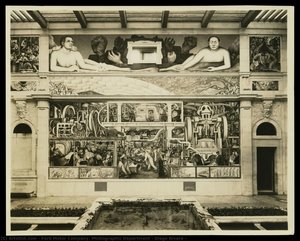
The Ford Motor Company Photographic Department: Documenting the Rise of a Modern Icon
The story of the Ford Motor Company is inextricably linked to the power of visual documentation, and at its heart lies the often-overlooked work of the company’s Photographic Department. More than simply recording assembly lines and automobiles, this department – comprised of skilled photographers over decades – became instrumental in shaping public perception, solidifying a brand identity, and ultimately, mythologizing the very concept of modern industrial life. While not traditionally considered “artists” in the conventional sense, the photographers employed by Ford wielded immense creative control in how they presented the company’s innovations to the world, effectively becoming visual architects of the American 20th century. Their work transcends mere commercial photography; it is a sociological record, a testament to technological advancement, and a fascinating study in early corporate image-making.Early Years: Building an Image (1903 – 1920s)
The earliest photographs from the Ford Motor Company weren’t about glamour or aesthetics; they were about proof. Henry Ford was determined to demonstrate the efficiency and reliability of his Model T, a car designed for the masses. The initial images focused on the manufacturing process itself: workers assembling parts, engines being tested, and the sheer scale of production at Highland Park. These photographs weren’t intended for art galleries but for newspapers, magazines, and promotional materials aimed at convincing a skeptical public that this new automobile was different – affordable, durable, and accessible. The department's early work established a visual language of precision, order, and relentless progress. Crucially, these images also began to subtly portray the workers not as anonymous cogs in a machine but as skilled individuals contributing to a national endeavor. This was a deliberate strategy; Ford understood that public acceptance hinged on more than just technical specifications. The department documented early racing successes, showcasing the Model T’s capabilities and further building its reputation for performance and reliability. The visual narrative shifted from simply *how* the car was made to *what* it could do, and who benefited from its existence – the average American family.The Assembly Line & The Human Factor (1913-1940s)
Perhaps the most iconic images associated with Ford are those depicting the assembly line. However, the Photographic Department’s portrayal of this revolutionary process was far from neutral. While acknowledging the repetitive nature of the work, photographers consistently emphasized teamwork, efficiency, and a sense of collective purpose. Images often featured smiling workers, clean workspaces (relatively speaking for the time), and a focus on the final product – the completed automobile. This carefully constructed visual narrative helped to counter criticisms about dehumanization and monotony. The department also documented Ford’s progressive labor policies, such as the $5 workday, showcasing the company as a benevolent employer offering opportunities for economic advancement. During this period, the photographers began experimenting with more dynamic compositions and lighting techniques, moving beyond purely documentary styles to create images that were visually compelling and emotionally resonant. The rise of automotive culture – road trips, family vacations, and the freedom of mobility – was also captured extensively, further cementing Ford’s place in the American imagination.Post-War Expansion & Shifting Aesthetics (1945 - 1980s)
Following World War II, the Ford Motor Company Photographic Department adapted to a changing landscape. The focus shifted from simply demonstrating functionality to emphasizing style, luxury, and aspirational lifestyles. New models were presented in glamorous settings, often featuring idealized families enjoying leisure activities. The department embraced color photography, creating vibrant images that reflected the optimism of the post-war era. Advertising campaigns became increasingly sophisticated, utilizing visual storytelling to appeal to a broader range of consumers. The photographers also documented Ford’s expansion into new markets and its commitment to innovation – from the Thunderbird to the Mustang. This period saw a greater emphasis on artistic composition and technical skill, with photographers drawing inspiration from contemporary fashion photography and commercial art trends. The department's role evolved beyond simply documenting events; they became active participants in shaping brand identity and creating desire for Ford’s products.Legacy & Historical Significance
The work of the Ford Motor Company Photographic Department represents a unique chapter in the history of photography and corporate communication.- Their images provide invaluable insights into the evolution of American industrial culture, labor practices, and consumerism.
- They played a crucial role in shaping public perception of automobiles and their impact on society.
- The department’s commitment to visual storytelling helped to establish Ford as a dominant force in the automotive industry.
- Beyond its commercial value, the collection serves as a powerful sociological record, documenting the lives and aspirations of generations of Americans.
プロフィール概要
- Artistic Movement Or Style: Industrial Photography
- Date Of Death: Living
- Full Name: Ford Motor Company Photographic Dept.
- Notable Artworks:
- Assembly Line (1913)
- Highland Park Plant (1910s)

