 プレビュー
プレビュー
 プリントを購入
 シェアする
シェアする シェアする
シェアする
 詳細を見る
詳細を見る

 ダウンロード
 似ている作品
 X線調査
X線調査 スライドショー
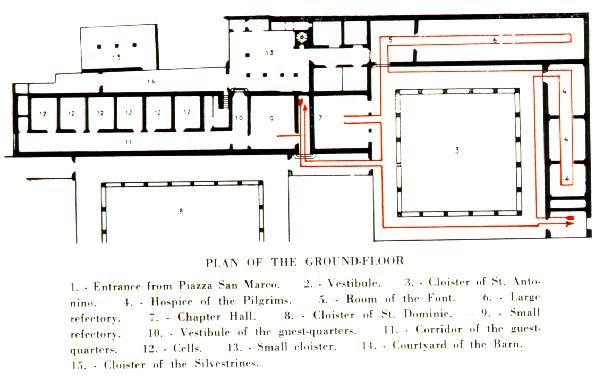
Plan of the ground floor in the Convento di San Marco


 詳細を見る
詳細を見る




P118B $10

P118H $10

P118W $10

P438Z $10

P508JH $12

P508YH $12

P805H $10

P805Z $10

P919BZ $10

P919G $10

P919XJ $10

P959ZH $10

P968JZ $12

W106C $8

W218G $10

W218JH $8

W218Y $10

W307PJ $10

W316G $10

W316PJ $8

W316Y $10

W398PJ $8

W4111J $10

W500HY $15

W500JH $15

W692G $12

W849H $8

W940BG $15

W953PJ $8




作品のオリジナル比率に合わせた、当店の規定サイズからお選びください。

特定のフレームやスペースに合わせて、ご希望のサイズをご入力いただけます。選択されたサイズが元の画像の比率と異なる場合、アートワークをトリミングするか、手描きで要素を追加して絵画を拡張いたします。デジタルモックアップ を制作し、制作開始前にご確認(承認)をいただきます。
画面上のプレビューは、実際のトリミングや拡張を正確に反映しているものではありません。最終的な構図は、モックアップによってのみ正確にご確認いただけます。
カスタムサイズもご利用いただけますが、元の比率を維持するためには、あらかじめ用意されたリストからサイズを選択することをお勧めいたします。
ご注文後、ArtsDot.com チームより詳細な指示をお送りするとともに、仕上がりイメージ(モックアップ)をご提供いたします。


 ガラスオプションは、110cm未満のサイズでのみご利用いただけます。

Plan of the ground floor in the Convento di San Marco
複製技法
複製画のサイズ
-


合計金額
$ 263
A Rare Glimpse Within: Fra Angelico’s Architectural Plan of the Convento di San Marco
Fra Angelico's "Plan of the Ground Floor in the Convento di San Marco," created in 1436, offers a remarkably intimate and unexpectedly poignant window into the mind of one of Renaissance Italy’s most beloved artists. Far removed from his luminous frescoes and devotional panels, this technical drawing—a schematic floor plan rendered with meticulous detail—reveals a side of Angelico often overlooked: his profound engagement with architecture and spatial design. It's not merely a blueprint; it’s a testament to his acute observation, precise drafting skills, and a subtle, almost meditative approach to understanding the built environment.
The plan itself is deceptively simple in its execution. A rectangular grid dominates the composition, delineated by clean, unwavering lines that establish a clear sense of spatial organization. Numbered points meticulously mark various rooms, corridors, and architectural features within the monastery complex. The use of varying line weights—thicker for walls, thinner for doorways—creates a subtle hierarchy, guiding the viewer’s eye through the structure with an understated elegance. Notably, there's a deliberate absence of illusionistic depth; this is not a painted fresco striving to create a convincing three-dimensional space, but rather a pragmatic representation intended for practical use – likely by builders or administrators. The orthogonal perspective, prioritizing straight lines and geometric clarity, speaks to the burgeoning influence of mathematical principles in Renaissance design.
The Artist’s Eye: Technique and Craftsmanship
Examining the drawing closely reveals Angelico's exceptional technical skill. He wasn’t simply copying an existing plan; he was actively interpreting and documenting the building’s layout. The precision with which he rendered each element—the placement of windows, the dimensions of rooms, the angles of hallways—demonstrates a keen eye for detail and a mastery of linear perspective. The paper itself, likely laid down in a workshop, bears subtle evidence of its creation: slight variations in texture and tone that hint at the hand-drawn nature of the work. The use of ink, carefully applied to create sharp lines and defined shapes, speaks to a deliberate control over the medium.
Interestingly, this plan wasn’t created as a standalone piece. It exists within the broader context of Angelico's work on the Convento di San Marco itself – a project that spanned nearly fifteen years. He was responsible for numerous frescoes adorning the monastery’s walls, depicting scenes from the life of St. Francis and other religious figures. This architectural plan likely served as a crucial tool in coordinating these visual narratives with the physical space they inhabited.
Symbolism and Spiritual Resonance
While seemingly devoid of overt symbolism, this drawing possesses a quiet spiritual resonance. The orderliness and clarity of the plan reflect a desire for harmony and balance – values central to Renaissance thought and deeply rooted in Christian theology. The meticulous attention to detail suggests a reverence for craftsmanship and a belief in the inherent beauty of well-designed spaces. Furthermore, the act of creating such a precise representation can be interpreted as an exercise in contemplation—a way for Angelico to engage with the building’s structure on a deeper, more intellectual level.
Considering that Angelico was known for his devotional art, this technical drawing offers a fascinating counterpoint. It reveals a mind equally capable of capturing ethereal beauty and dissecting the physical world with remarkable accuracy. It's a reminder that even within the most spiritually focused artists, there exists a profound appreciation for the tangible realities of human creation.
A Reproduction for Your Space
ArtsDot offers high-quality reproductions of Fra Angelico’s “Plan of the Ground Floor in the Convento di San Marco,” allowing you to bring this unique and insightful work into your home or office. This meticulously crafted reproduction captures the drawing's original clarity and detail, providing a tangible connection to one of Renaissance Italy’s most celebrated artists. Whether you are an art enthusiast, a collector, or simply seeking a piece that embodies order, precision, and quiet contemplation, this reproduction is sure to be a captivating addition to your collection.
Explore the full artwork details and available sizes on our website: here.
関連作品

アーティストの略歴
初期の人生と霊的な形成
1395年頃、フィレンツェ共和国のトスカーナ地方の丘陵地帯にあるルペサーナで生まれたフラ・アンジェリコ(本名グイド・ディ・ピエトロ)の幼少期は、神秘的なベールに包まれています。彼の家族や子供時代についてほとんど知られていませんが、彼はしっかりとした教育を受け、謙虚なルペサーナの出身を超えた人生への準備をしたと考えられています。転換点は、若きグイドがフィソレーのドミニコ会に入り、宗教的な瞑想と奉仕に生涯を捧げたことです。修道会の壁の中で、彼は「兄弟アンジェリコ」という名前を受け取りました。これはすぐに彼の修道誓約だけでなく、彼の芸術に内在する天使のような性質も反映した愛称となりました。当初は写本を装飾するという任務を与えられ、精密さと鮮やかな色彩を要求される緻密な作業を通して、彼は後に息を呑むようなフレスコ画やパネル絵へと発展していく技術を磨きました。この初期の訓練は彼に細部への深い敬意、顔料の習熟、そして視覚的物語を通してどのように叙情を伝えるかを理解させました。ドミニコ会の神学研究への重点は、彼の芸術的なビジョンを形作り、信仰と目的意識という深い感覚をもって彼の作品に浸透しました。
独自のスタイルの開花
フラ・アンジェリコの芸術的発展は孤立したものではありませんでした。彼は当時のフィレンツェの絵画の流れを取り入れました。時代の主要な画家であり写本装飾家であったロレンツォ・モナコのエレガントな線形と装飾的なパターンは、彼の初期の作品に見られます。しかし、フラ・アンジェリコは単に前任者を模倣したわけではありませんでした。彼はこれらの影響を芽生えつつある自然主義と統合し始めました。これは、マサッチオの画期的なフレスコ画への露出によって引き起こされた可能性があります。マサッチオは劇的な視点の使用と人間の形の現実的な描写で絵画に革命をもたらしましたが、フラ・アンジェリコは別の道を選びました。彼は視点をその目的のためにではなく、より没入感のある精神的な体験を作り出す手段として受け入れました。彼の人物は優雅でしばしば理想化されていますが、単なる表現を超越する静かな尊厳と感情的な共鳴を持っています。重要なことに、彼の芸術は信仰と不可分であり、絵画を職業ではなく祈りの行為であると考えていました。それは神を瞑想し、他の人にそれを可視化する方法です。この深く持っている信念は、すべての筆致に敬虔さと誠実さを浸透させました。
信仰と色彩の傑作
フラ・アンジェリコの芸術的遺産は、何世紀も経っても人々に畏敬の念を起こさせる、いくつかの記念碑的な作品によって支えられています。フィレンツェのサンマルコ修道院内のフレスコ画は、ルネサンス美術においてまれな静かな単純さと感情的な深さを体現しているため、広く彼の傑作と見なされています。キリストの生涯の各場面—受胎告知から十字架刑まで—は、静かな瞑想を誘い、視聴者を神聖な物語との個人的な出会いに招くような雰囲気で満たされています。サンマルコ以外にも、彼の*ペルージャ祭壇画*は、特に受胎告知の繊細な描写において、彼の進化するスタイルを示しています。受胎告知という繰り返されるテーマ自体が、彼の作品全体に現れ、それぞれが不気味な美しさと象徴的な豊かさで描かれています。聖ラウレンティウスが施しをするは、叙事構成のスキルと繊細さと優雅さをもって人間の感情を描写する能力を示しています。彼のパレットは、内側から輝いているように見える明るく鮮やかな色—青、金、赤—によって特徴付けられ、異世界の輝きの雰囲気を作り出しています。
遺産と永続的な影響
フラ・アンジェリコは、宗教的な献身と芸術的革新の融合を体現し、初期ルネサンスにおける重要な人物として立っています。彼は単なる画家ではありませんでした。彼は信仰を視覚的形式に翻訳した精神的なビジョナリーでした。彼の作品は、人間の尊厳と霊的な瞑想の可能性を強調する人間主義の理想を反映しています。著名な美術史家ジョルジョ・ヴァサリは、彼の*芸術家の生涯*の中でフラ・アンジェリコの才能を称賛し、彼の創造物の美しさを十分に捉えることは不可能であると宣言しました。これにより、西洋美術の規範における彼の地位が確固たるものとなりました。彼の影響力は彼自身の時代を超えて広がり、彼の献身的なスタイルと色彩の巧みな使用で何世代にもわたる芸術家にインスピレーションを与えました。1982年、教皇ヨハネ・パウロ2世はフラ・アンジェリコの生涯と業績に対する深い霊的な影響を証明する形で彼を祝福しました。
彼の芸術を体験できる場所
- サンマルコ美術館、フィレンツェ: この美術館には、修道院の息を呑むようなフレスコ画を含むフラ・アンジェリコの作品の中で最大かつ最も重要なコレクションが収蔵されています。
- ルーブル美術館(パリ): フラ・アンジェリコのいくつかの重要な絵画はルーブルの広大なコレクションの中にあります。
- ナショナル・ギャラリー(ロンドン): ナショナル・ギャラリーには彼の作品のセレクションがあり、訪問者に彼の芸術的な才能を垣間見ることができます。
- 世界中の他の多くの美術館も彼の芸術の例を表示し、彼の永続的な遺産に対するより広い感謝を可能にしています。
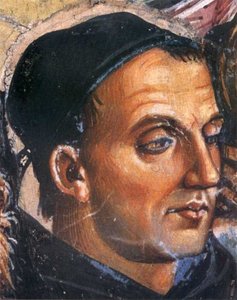
フラ・アンジェリコ
1395 - 1455 , イタリア
基本情報
- フルネーム: フラ・アンジェリコ(Fra Angelico)
- 主な作品:
- サン・マルコ修道院のフレスコ画
- ペルージャ祭壇画
- 受胎告知
- 出身地: ルペサーナ、イタリア
- 国籍: イタリア
- 影響を与えたアーティスト: ['初期ルネサンスの画家']
- 影響を受けたアーティスト:
- ロレンツォ・モナコ
- マザッチョ
- 死亡年月日: 1455年
- 生年月日: 1395年頃
- 芸術運動またはスタイル: 初期ルネサンス
関連記事

フラ・アンジェリコの傑作25選:ルネサンス美術の神髄と至高の装飾 | ArtsDot
フラ・アンジェリコの傑作25選。ルネサンス美術の神髄を紐解き、天使のような静謐な色彩と宗教画の世界へ誘います。壁画やフレスコ画の技法、修道院に息づく祈りの絵…ArtsDotで至高のアートプリントをお手軽に。コレクションを探索する。

ジョット・ディ・ボンドーネ:至高の25選 - ルネサンスの夜明けを彩る傑作たち | ArtsDot
ジョット・ディ・ボンドーネの至高の25選。ルネサンス美術を牽引した巨匠の傑作と、その感動的な物語を紐解きます。高品質な絵画複製やインテリアアートで、名画の世界をあなたの空間に。ArtsDot.com でコレクションをご覧ください。
ヴェネツィア・ビエンナーレ厳選25作品:芸術と歴史が織りなす至高のコレクション | ArtsDot
ヴェネツィア・ビエンナーレの至宝25選。印象派から現代アートまで、名画の背景にある物語と芸術家の情熱を紐解きます。ArtsDotで、キャンバスアートや油絵複製をお楽しみください。今すぐコレクションをご覧ください。
Proto-Renaissance Masters: 10 Artworks That Changed History | ArtsDot
Journey back to the dawn of Renaissance art! Explore 10 iconic Proto-Renaissance masterpieces by Giotto, Cimabue & Duccio. Discover their stories, techniques & lasting impact. Find museum-quality reproductions for your home at ArtsDot.com

ジャコポ・ティンコレット:至高の25選 – ヴェネツィア巨匠のドラマと光の世界 | ArtsDot
ジャコポ・ティンコレットの至高の25選。ドラマと光の世界を彩るヴェネツィア派巨匠の名画を紐解きます。ルネサンス絵画からバロック絵画まで、ArtsDotで高品質な複製画やインテリアアートを見つけましょう。傑作コレクションをオンラインで探求してください。