

 プレビュー
プレビュー
 シェアする
シェアする シェアする
シェアする
 詳細を見る
詳細を見る

 ダウンロード
 似ている作品
 X線調査
X線調査 スライドショー
 統計情報
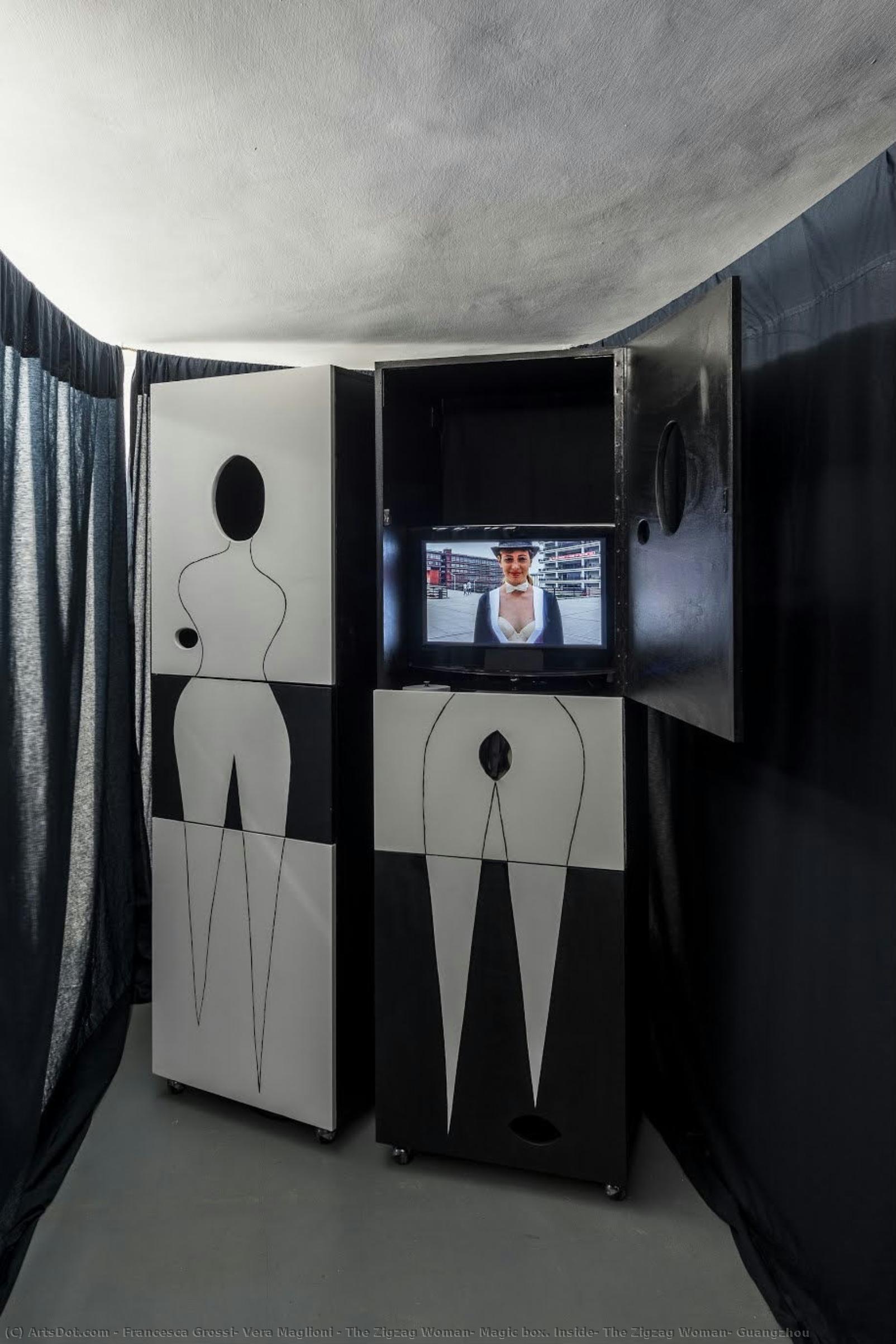
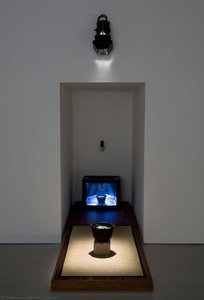
統計情報The Zigzag Woman, Magic box. Inside: The Zigzag Woman, Guangzhou


 詳細を見る
詳細を見る
ジークレー/アートプリント
迅速な制作と多彩な仕上げオプションを備えた、ミュージアムクオリティのジークレーまたはキャンバスプリント。 ( 手描きの絵画を購入 デジタル画像販売へ切り替え)




P118B $10

P118H $10

P118W $10

P438Z $10

P508JH $12

P508YH $12

P805H $10

P805Z $10

P919BZ $10

P919G $10

P919XJ $10

P959ZH $10

P968JZ $12

W106C $8

W218G $10

W218JH $8

W218Y $10

W307PJ $10

W316G $10

W316PJ $8

W316Y $10

W398PJ $8

W4111J $10

W500HY $15

W500JH $15

W692G $12

W849H $8

W940BG $15

W953PJ $8




作品のオリジナル比率に合わせた、当店の規定サイズからお選びください。

特定のフレームやスペースに合わせて、ご自身でサイズを指定することも可能です。選択されたサイズが元の画像の比率と一致しない場合、作品をトリミングするか、鏡面反射または単色での塗りつぶしによって画像を拡張いたします。制作を開始する前に、ご確認用のデジタルモックアップをお送りいたします。
画面上のプレビューには、実際のトリミングや拡張は反映されませんのでご注意ください。最終的な構図を正確に確認できるのは、モックアップのみとなります。
カスタムサイズも承っておりますが、元の比率を維持するためには、あらかじめ用意されたリストからサイズを選択することをお勧めいたします。


 ガラスオプションは、110cm未満のサイズでのみご利用いただけます。

The Zigzag Woman, Magic box. Inside: The Zigzag Woman, Guangzhou
ジークレー/アートプリント
複製画のサイズ
-


合計金額
$ 62
関連作品
アーティストの略歴
A Collaborative Exploration of Body, Space, and Time: The World of Grossi Maglioni
Francesca Grossi and Vera Maglioni, a dynamic duo hailing from Rome, Italy, have been forging a unique path in the contemporary art landscape since their collaboration began in 2006. Their work isn’t easily categorized; it exists as a fluid interplay between performance, photography, installation, and workshop-based practices—a testament to their restless curiosity and commitment to exploring the fundamental relationships between the body, space, and time. Born in 1982, both artists bring individual strengths that coalesce into a singular artistic vision, one deeply rooted in research and often imbued with a subtle yet powerful political consciousness. They don’t simply *create* art; they initiate experiences, inviting audiences to question their own perceptions of physicality, environment, and the passage of time itself.Early Influences and Artistic Development
The foundation of Grossi Maglioni's practice lies in a shared fascination with anthropology and education, disciplines that inform their long-term projects and participatory approach. Their early work focused on how public and private spaces are occupied—not merely physically, but also emotionally and psychologically. This initial investigation, beginning around 2014, evolved into an exploration of the very act of occupation and its power to generate new kinds of space, revealing narratives about inhabitation and belonging. It’s a process that inherently challenges traditional notions of artistic authorship, as their work often relies on collaboration with communities and experts from diverse fields—historians, sociologists, poets, even local mothers and children. This collaborative spirit isn't simply a stylistic choice; it’s integral to their methodology, reflecting a belief in the power of shared experience and collective storytelling. The name “Grossi Maglioni” itself – literally translating to "warm sweaters" in Italian – hints at this desire for connection and comfort, suggesting an artistic practice that seeks to envelop and engage rather than distance or alienate.Performance, Installation, and the Body as Medium
Central to Grossi Maglioni’s oeuvre is the use of their own bodies as a primary medium. This isn't about self-expression in a conventional sense; it’s a deliberate act of investigation—a way to explore the limits and possibilities of physicality within specific spaces and contexts. Their performances are often minimalist, relying on subtle gestures and interactions to create moments of heightened awareness. Installations frequently incorporate manipulable objects that invite participation, fostering workshops and public events designed to break down barriers between artist and audience. A key theme emerging in their recent work is the relationship with “the other,” particularly the dynamics of two-person interaction. This exploration extends into a profound consideration of representation—how gestures are perceived, interpreted, and ultimately embodied. The 2017 exhibition "Campo Grossi Maglioni" at AlbumArte in Rome marked a turning point, introducing the concept of a “nursing tent” – a space that not only acknowledged the practical needs of artist mothers but also became a site for performative exchange and community building.Themes of Care, Motherhood, and Gender Politics
The artists’ personal experiences—Francesca Grossi becoming a mother in 2015 and subsequent pregnancies—have profoundly shaped their artistic trajectory. This led to an open exploration of care and motherhood, culminating in the powerful letter “We are the real exhibitions!” co-written with Sara Basta in response to the gender gap experienced by artist mothers in Italy. This work isn’t simply autobiographical; it's a pointed critique of societal structures that often marginalize female artists and undervalue the labor of caregiving. Their installations began incorporating "nests" and "shelters," providing physical spaces for nurturing children while simultaneously challenging conventional notions of artistic productivity. The 2018 residency at “Magic Carpets” in Serbia further deepened this exploration, involving workshops with local women to create a narrative centered around a “Mother Beast”—a figure that subverted traditional representations of motherhood and war, offering a heroic image distinct from the seductive or animalistic tropes often found in Serbian culture.Historical Significance and Contemporary Relevance
Grossi Maglioni’s work occupies a unique space within contemporary art—one that bridges performance art, installation, social practice, and feminist theory. Their commitment to long-term projects, participatory methodologies, and exploration of politically charged themes sets them apart. They are not merely commenting on societal issues; they are actively creating spaces for dialogue, challenging established norms, and fostering a sense of collective agency.- Minimalist Aesthetic: Their work often employs a restrained visual language, focusing attention on subtle gestures and interactions.
- Participatory Approach: Collaboration with communities is central to their process, blurring the lines between artist and audience.
- Focus on Body & Space: The body serves as a primary medium for exploring physicality, environment, and time.
- Feminist Perspective: Their work addresses issues of care, motherhood, and the gender gap in the art world.
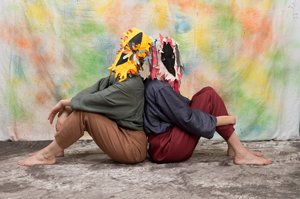
francesca grossi, vera maglioni
1982 - , Italy
基本情報
- Artistic Movement Or Style: Contemporary Art
- Date Of Birth: 1982
- Full Name: Francesca Grossi & Vera Maglioni
- Nationality: Italian
- Notable Artworks:
- Cinque Dispositivi in Uno
- The Zigzag Woman, Magic box
- Place Of Birth: Rome, Italy
関連記事
モディリアーニ傑作25選:魂を揺さぶる肖像画とヌードの世界 | ArtsDot
モディリアーニの傑作25選。魂を揺さぶる肖像画、ヌード、パリ派絵画の世界へ。ArtsDotで高品質な美術品複製やインテリアアートをお楽しみください。アメデオ・モディリアーニの芸術をご堪能あれ。今すぐコレクションをご覧ください。
エドワード・ホッパー傑作25選:アメリカの孤独と光影の世界 | ArtsDot
エドワード・ホッパーの傑作25選。アメリカ絵画を代表するモダンアート、孤独と光影の世界を紐解きます。名画「Nighthawks」や「ハウス・バイ・ザ・レールロード」など、美術史に残る作品群をArtsDotで高品質複製画としてお楽しみください。インテリアに深みを与えるアートプリントも多数。今すぐコレクションをご覧ください。
エゴン・シーレ傑作25選:魂を揺さぶる表現主義の世界 | ArtsDot
エゴン・シーレの傑作25選。表現主義を代表するオーストリアの画家、その魂を揺さぶる人物画や自画像の世界へ。ArtsDotで名画の複製画とインテリアアートをお楽しみください。コレクションを見る▶
ダンテ・ガブリエル・ロセッティ傑作25選:美と象徴が織りなす芸術の世界 | ArtsDot
ダンテ・ガブリエル・ロセッティの傑作25選。プレラファエライトの象徴主義、美しい女性画の世界へ。油絵やアートプリントで、リビングや寝室を彩るインテリアアートを見つけましょう。ArtsDot.comで名画コレクションを探索。
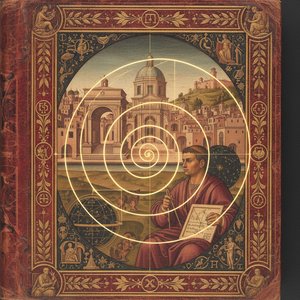
Piero della Francesca: Renaissance Perspective, Divine Proportion & the Pursuit of Ideal Form
Explore the revolutionary art of Piero della Francesca – master of perspective, divine proportion & Renaissance humanism. Discover his iconic paintings & lasting influence on art history.