 プレビュー
プレビュー
 シェアする
シェアする シェアする
シェアする
 詳細を見る
詳細を見る

 ダウンロード
 似ている作品
 X線調査
X線調査 スライドショー
 統計情報
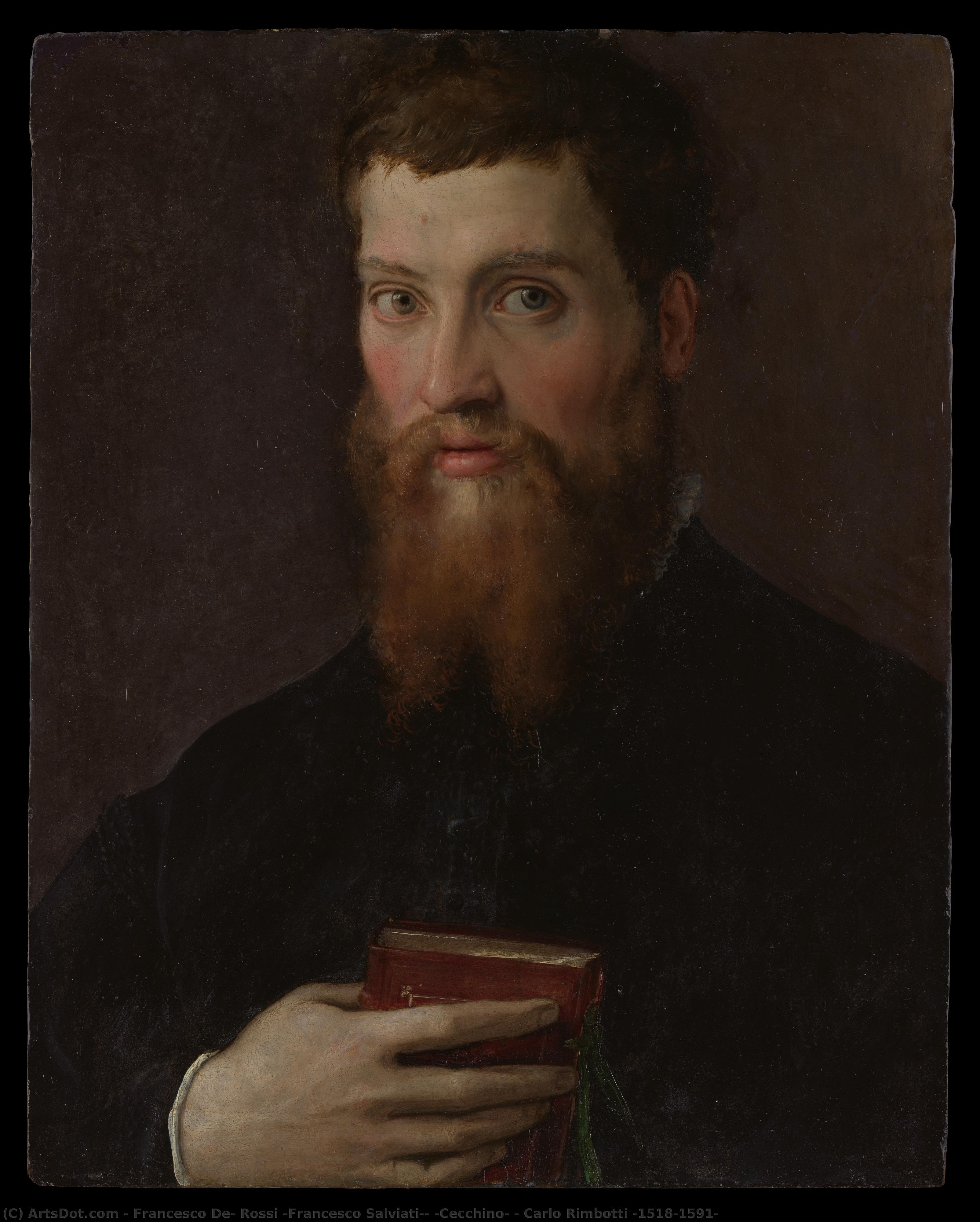
統計情報Carlo Rimbotti (1518–1591)
 Mannerist Portrait
 1548
1548 53.0 x 42.0 cm
 メトロポリタン美術館
 詳細を見る
詳細を見る
ジークレー/アートプリント
迅速な制作と多彩な仕上げオプションを備えた、ミュージアムクオリティのジークレーまたはキャンバスプリント。 ( 手描きの絵画を購入 デジタル画像販売へ切り替え)




P118B $10

P118H $10

P118W $10

P438Z $10

P508JH $12

P508YH $12

P805H $10

P805Z $10

P919BZ $10

P919G $10

P919XJ $10

P959ZH $10

P968JZ $12

W106C $8

W218G $10

W218JH $8

W218Y $10

W307PJ $10

W316G $10

W316PJ $8

W316Y $10

W398PJ $8

W4111J $10

W500HY $15

W500JH $15

W692G $12

W849H $8

W940BG $15

W953PJ $8




作品のオリジナル比率に合わせた、当店の規定サイズからお選びください。

特定のフレームやスペースに合わせて、ご自身でサイズを指定することも可能です。選択されたサイズが元の画像の比率と一致しない場合、作品をトリミングするか、鏡面反射または単色での塗りつぶしによって画像を拡張いたします。制作を開始する前に、ご確認用のデジタルモックアップをお送りいたします。
画面上のプレビューには、実際のトリミングや拡張は反映されませんのでご注意ください。最終的な構図を正確に確認できるのは、モックアップのみとなります。
カスタムサイズも承っておりますが、元の比率を維持するためには、あらかじめ用意されたリストからサイズを選択することをお勧めいたします。


 ガラスオプションは、110cm未満のサイズでのみご利用いただけます。

Carlo Rimbotti (1518–1591)
ジークレー/アートプリント
複製画のサイズ
-


合計金額
$ 62
A Portrait of Renaissance Intellect: Carlo Rimbotti by Francesco Salviati
The year is 1548. Florence pulses with the energy of the High Renaissance, yet beneath the surface of opulent palaces and grand commissions, a quieter world of scholarship and philosophical discourse thrives within the walls of the Accademia Fiorentina. It’s here that Francesco Salviati, already establishing himself as one of the era's most daring Mannerist painters, captured the essence of Carlo Rimbotti – a physician, humanist, and dedicated member of this influential intellectual circle. This intimate portrait, now housed within the Metropolitan Museum of Art (object number 2017.401), offers a rare glimpse into the life and mind of a man deeply engaged with the complexities of his time.
Salviati’s masterful handling of oil paint on wood creates an arresting visual experience. The surface is remarkably smooth, achieved through painstaking layering – a technique known as *glazure*, where thin, translucent washes of color are applied over dry underlayers. This method lends the painting an ethereal quality, almost as if the light itself seems to emanate from within the figure. The muted palette—primarily deep browns, ochres, and subtle blues—contrasts dramatically with the vibrant colors often associated with Renaissance portraiture, reflecting a deliberate shift towards the introspective and psychologically charged aesthetic of Mannerism.
A Symbol of Knowledge and Humanism
Rimbotti himself is depicted in a pose that speaks volumes about his intellectual pursuits. He’s seated, holding a small book open before him – a clear reference to *petrarchini*, short poems by Petrarch, the celebrated poet and humanist. The placement of the book directly over his heart is particularly significant. It's a potent symbol of knowledge, virtue, and the connection between intellect and emotion—a core tenet of Renaissance humanism. The gesture suggests an active engagement with learning, a constant striving for understanding that defined Rimbotti’s life.
Beyond the immediate symbolism, Salviati employs a sophisticated use of perspective and spatial arrangement to draw the viewer into the scene. The slightly off-center composition creates a sense of dynamism and movement, as if Rimbotti is actively engaged in his studies. The careful rendering of folds in his clothing and the subtle modeling of his face demonstrate Salviati’s remarkable ability to capture not just physical likeness but also the character and personality of his subject.
The Painter's Context: Francesco Salviati and the Florentine Academy
Understanding Salviati requires understanding the context of the Florentine Academy. Founded in 1540, it was a haven for intellectuals, artists, and scholars—a space where humanist ideals were debated, artistic techniques were refined, and new visual languages were explored. Salviati himself was deeply involved in the Academy’s activities, serving as its architect of visual drama. He wasn't simply a painter; he was a conceptual artist who sought to evoke emotion and psychological intensity through his compositions.
Salviati’s artistic lineage is equally important. He apprenticed under masters like Giuliano Bugiardini and Andrea del Brescianino, absorbing their technical skills while forging his own distinctive style—one characterized by elongated figures, dramatic lighting, and a focus on emotional expression. His collaboration with Carlo Rimbotti exemplifies this dynamic interplay between tradition and innovation.
A Timeless Portrait of Humanistic Engagement
“Carlo Rimbotti” is more than just a portrait; it’s a testament to the intellectual ferment of the Renaissance. Salviati's masterful technique, combined with his profound understanding of humanist ideals, has created an enduring work of art that continues to resonate today. The painting invites us to contemplate the pursuit of knowledge, the importance of human connection, and the power of art to capture the essence of a complex individual. It remains a poignant reminder of a time when intellect and beauty intertwined in the heart of Florence.
関連作品
アーティストの略歴
フランチェスコ・サルヴィアーティ:マニエリスムのドラマを構築した建築家
チェッキーノ・デル・サルヴィアーティやフランチェスコ・ロッシの名と密接に結びついたフランチェスコ・サルヴィアーティという名は、16世紀イタリア美術の鮮やかなタペストリーにおいて極めて重要な存在です。1510年頃にフィレンツェに生まれ、1563年にローマでその生涯を閉じた彼の歩みは、芸術家としての修行、パトロンとの出会い、そして最終的にはマニエリスムという劇的な複雑さを極めるまでの、まさに壮大な旅路でした。彼は単なる画家ではありませんでした。サルヴィアーティは視覚体験の建築家であり、動き、心理的な強烈さ、そして深い演劇性を湛えた場面を緻向に作り上げました。こうした特質こそが、この時代の最も革新的な芸術家の一人としての彼の遺産を揺るぎないものにしたのです。- 初期の形成と修行:サルヴィアーティの芸術的基盤は、フィレンツェの著名な巨匠たちの指導のもとで築かれました。当初はジュリアーノ・ブジュアリーニ、バッチョ・バンディネッリ、アンドレア・デル・ブレシアニーノに師事し、彼らから技法や様式の機微を吸収していきました。しかし、彼の形成において特に決定的な役割を果たしたのは、アンドレア・デル・サルトとの時間でした。そこから彼は古典的な原理と写実的な表現の強固な基礎を得たのです。さらに重要なことに、ローマ滞在中にミケランジェロやラファエロの台頭する影響に触れた経験が、後の彼の芸術的ヴィジョンを深く形作ることとなりました。
- ローマ:革新の揺籃:1531年のローマへの移住は、彼にとって大きな転換点となりました。有望なフィレンツェの弟子から、活気あふれるローマの芸術界におけるダイナミックな表現者へと変貌を遂げたのです。ここで彼はマニエリスム様式に没入し、その特徴である引き伸ばされた人体、歪んだ遠近法、そして高揚した感情主義を吸収していきました。初期の作品、特にサン・ジョヴァンニ・バッティスタ・デコッラート礼拝堂のフレスコ画『訪問』(1537-3なる)には、この影響が鮮明に現れています。渦巻く衣襞、誇張された身振り、そして息が詰まるようなドラマチックな感覚に満ちた、複雑な構成が見事に表現されています。
メディチ家の庇護とサッラ・デッル・ウディエンツァ
サルヴィアーティのキャリアは、フィレンツェの大公コジモ1世・デ・メディチの宮廷画家として長く仕えた時期にその頂点に達しました。この時代には、彼の最も野心的で名高い作品の数々が誕生し、その集大成となったのが、パラッツォ・ヴェッキオのサッラ・デッル・ウディエンツァ(謁見の間)を飾る壮麗なフレスコ画『カミッロの勝利』(1543-1545)です。この記念碑的な事業は、単一の空間の中に無数の人物と物語を配置し、複雑な構成を制御するというサルヴィアーティの比類なき技量を示しました。このフレスコ画は単なる歴史的な描写にとどまりません。それは緻密に構築された舞台装置であり、象徴性に満ち、メディチ家の権力と威信を投影するために設計されたものなのです。『カミッロの勝利』の圧倒的なスケールと細部へのこだわりは、サルヴィアーティを当時の第一級の装飾家として確立させ、劇的な華やかさと技術的技巧に対する彼の名声を不動のものにしました。- タペストリーのデザイン:フレスコ画の枠を超えて、サルヴィズムの才能はタペストリーのデザインにも及びました。彼はメディチ家のタペストリー工房(アラルツェリア)のためにカルトン(下絵)を制作し、『エッケ・ホモ』、『復活』、『ファラオの夢を解くヨセフ』といった象徴的な図像を生み出しました。これらのタペストリーは、複雑な物語を視覚的に魅力的な形態へと翻訳する彼の能力をさらに証明し、色彩、構成、そして装飾的細部における彼の熟練した技量を見せつけました。
マニエリスムの技法と芸術様式
サルヴィアーティの芸術様式は、デル・サルトの写実性、ミケランジェロのダイナミズム、そしてラファエロのエレガンスという異なる影響が、マニエリスムというレンズを通して融合した独特なものです。彼の描く人物像はしばしば引き伸ばされ、ねじ曲げられ、そのポーズには演劇的なまでの強烈さが宿っています。彼はドラマを際立たせ、心理的な緊張感に満ちた空気を作り出すために、劇的な光の効果を用いました。色彩の使用も同様に鮮烈です。豊かな彩度の高い色調を、あえて抑えられたトーンと対比させることで、構図内の重要な要素へと鑑賞者の視線を導き出します。また、彼の構図はしばしば人物で密集しており、それが彼が表現しようとした感情の動揺を反映するかのような、視覚的な密度を生み出しています。- 肖像画:主にフレスコ画や装飾画で知られる一方で、サルヴィアーティは肖像画家としても卓越した才能を発揮しました。彼の肖像画は、しばしば被写体が強烈な感情に包まれた瞬間や、劇的な動作の最中を捉えており、彼の芸術的関心の広がりを反映しています。
遺産と歴史的重要路
イタリア・マニエリスムの発展におけるフランチェスコ・サルヴィアーティの影響は否定しようがありません。彼は伝統的な絵画技法の境界を押し広げ、歪曲や誇張を受け入れることで、視覚的に圧倒されると同時に心理的にも深い洞察を与える作品を生み出しました。彼の影は、ジュリオ・ロマーノやポントルモといった後世の芸術家たちの作品の中にも見て取ることができます。彼のフレスコ画は、その劇的な強烈さと見事な完成度によって、今なお観る者を魅了し続けています。それは、16世紀イタリアという激動かつ変革に満ちた時代への窓であり、感情を呼び起こし、慣習に挑戦し、私たちの歴史理解を形作る芸術の力を示す、永遠の証なのです。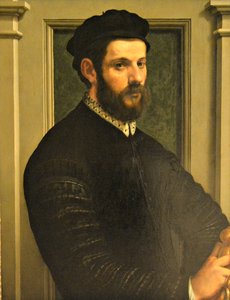
フランチェスコ・サルヴィアーティ
1510 - 1563 , イタリア
基本情報
- Artistic Movement Or Style: マニエリスム
- Artists Or Movements Influenced By This Artist:
- ジュリオ・ロマーノ
- ジョルジョ・ヴァザーリ
- Cecchino Del Salviati: 生年月日: 1510年、イタリア、フィレンツェ
- Date Of Death: 1563年、イタリア、ローマ
- Full Name: フランチェスコ・デ・ロッシ / フランチェスコ・サルヴィアーティ
- Late Renaissance: 主な作品: [ "カミッルスの勝利", "カナの婚礼", "降架" ]
- Nationality: イタリア人
- Parmigianino: アンドレア・デル・サルト
- Place Of Birth: イタリア、フィレンツェ
- Visitation: この芸術家に影響を与えた芸術家: [ "ミケランジェロ" ]
関連記事
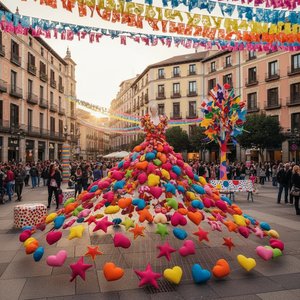
Águeda Ruiz de la Prada: A Study of Eclecticism & Emotional Resonance in Contemporary Spanish Painting
Discover the vibrant world of Ágatha Ruiz de la Prada, a leading figure in contemporary Spanish art. Explore her eclectic style, emotional depth & legacy – a must-read for discerning collectors.

ゴヤ傑作25選:スペインの魂を揺さぶる、深遠な芸術の世界 | ArtsDot
ゴヤ傑作25選:ロマン主義を代表するスペインの巨匠、フランシスコ・デ・ゴヤの世界へ。黒衣の女からマハまで、魂を揺さぶる絵画の物語と技法を紐解きます。ArtsDotで高品質なアートレプリカを見つけ、インテリアに深みと風格を。今すぐコレクションをご覧ください。
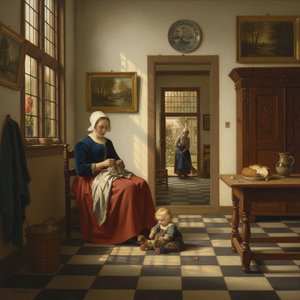
Pieter de Hooch: Illuminating Dutch Domestic Life & Golden Age Charm
Explore the captivating world of Pieter de Hooch, a master of Dutch Golden Age painting. Discover his innovative use of light, intimate domestic scenes, and lasting influence on art history. Learn more at ArtsDot.
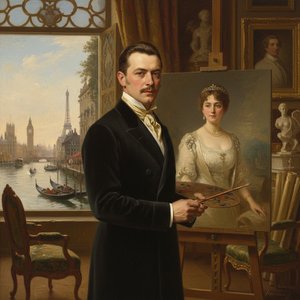
Philip de László: A Portrait of Aristocratic Society & the Cosmopolitan Painter's Evolution
Explore the life & art of Philip de László, master portraitist of European aristocracy. Discover his stunning paintings, royal commissions, and enduring legacy. A guide for discerning collectors.