

 プレビュー
プレビュー
 シェアする
シェアする シェアする
シェアする
 詳細を見る
詳細を見る

 ダウンロード
 似ている作品
 X線調査
X線調査 スライドショー
 統計情報
統計情報Architectural View
 Oil On Canvas
- WallArt
- Renaissance
 1477
1477 124.0 x 234.0 cm
 国立博物館群
 詳細を見る
詳細を見る
オンラインプレビューをはるかに凌ぐ、高解像度で鮮明なデジタル画像をご購入いただけます。
各ファイルは、社内の専門家が高度なツールと熟練した手作業によるレタッチを用いて、細心の注意を払って準備されています。すべての画像において、卓越した鮮明度、正確な色彩再現性、そして繊細なディテールを保証いたします。
最終ファイルは、プロフェッショナルな編集・印刷環境ですぐにご利用いただけるよう最適化された状態で、72時間以内にメールにてお届けいたします。これは、一流のデザインスタジオ、出版社、ギャラリーから信頼されているものと同等の品質です。
デジタルアート
個人での鑑賞、印刷、クリエイティブなプロジェクト用に、高解像度ファイルをダウンロードできます。 ( プリント版に切り替え 手描きの絵画を購入)
デジタル画像のご注文に付随する特典
高品質なデジタル画像配信を、確かな品質で。
ArtsDot.com を選ぶことは、単に画像を手に入れることではありません。それは、プロの手によって精密に仕上げられ、満足保証が付いた高品質なデジタルアートワークを受け取ることを意味します。ご注文いただいた際に自動的に付随する内容は、以下の通りです:

メールですぐにお届け
ご注文から72時間以内に、高解像度のデジタル画像ファイルがメールでお手元に届きます。すぐにそのままご利用いただけます。

AI技術で最適化されたデジタルファイル
お客様の作品は、高度なAIツールと専門家による手作業の編集を組み合わせてプロフェッショナルに最適化されており、細部のディテール、鮮明さ、そして正確な色再現性を最大限に引き出しています。

一生涯無料の再送サービス
ファイルを誤って削除したり、紛失してしまったりしましたか?ご安心ください。いつでも無料で再送いたします。

輸入手数料は一切かかりません
関税や手数料、配送料を気にすることなく、お気に入りのアートワークをすぐにお楽しみいただけます。デジタルダウンロードは常に免税です。

色彩再現の保証
プロ仕様のツールとカラーマネジメント技術を用いることで、デジタル画像が元の色を最大限に忠実に再現することを保証いたします。

100日間満足保証
ご購入いただいたデジタル画像にご満足いただけない場合は、100日以内であれば、理由を問わず修正または100%の返金対応をさせていただきます。

100% 返金保証
ご満足いただけない場合は、デジタルファイルを受け取ってから100日以内であれば、理由を問わず全額返金いたします。

まとめ買い割引
3枚購入で10%OFF - 5枚購入で15%OFF - 10枚以上購入で20%OFF。クリエイティブなプロジェクト、ギャラリー、エージェンシーに最適です。
A Window on Renaissance Grandeur: Francesco di Giorgio Martini’s “Architectural View”
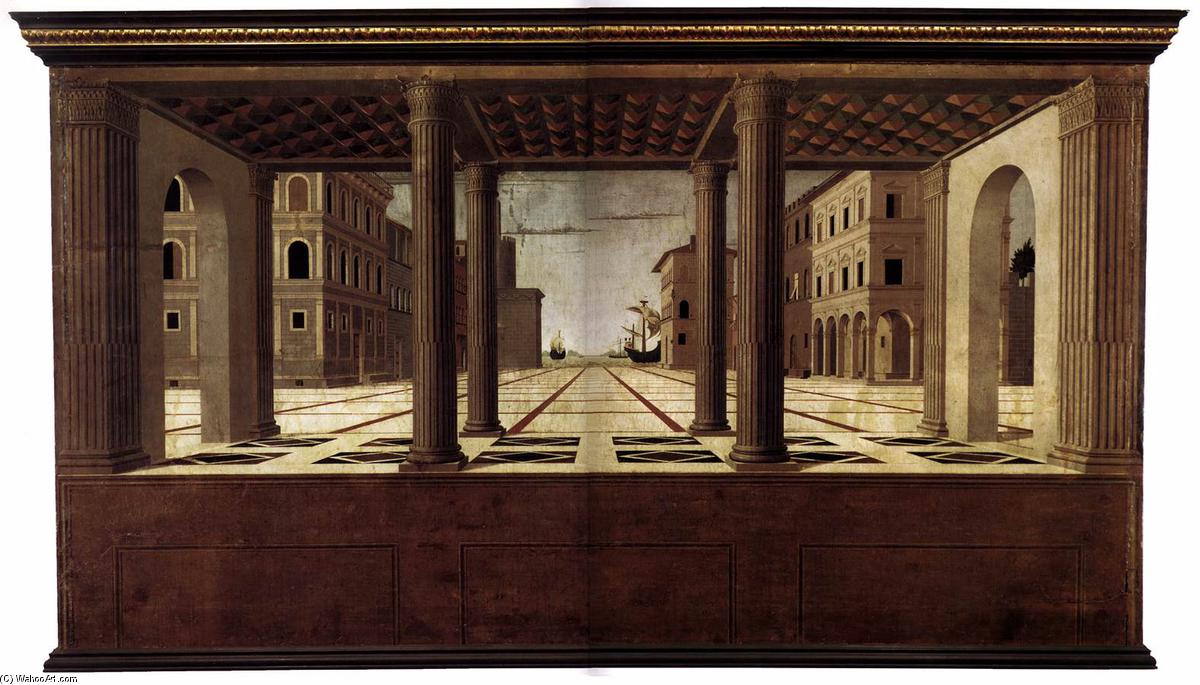
The Staatliche Museen in Berlin houses a painting that transcends mere representation; it offers a meticulously crafted glimpse into the heart of Renaissance architectural thought – Francesco di Giorgio Martini's "Architectural View," completed around 1477. More than simply a depiction of a courtyard, this work is a profound meditation on space, perspective, and the burgeoning humanist ideals shaping Europe’s artistic landscape. Martini, a polymath whose talents spanned painting, sculpture, architecture, and engineering, imbued this piece with an intellectual rigor rarely found in contemporary art, making it a cornerstone of his legacy.
The scene unfolds within a classically inspired courtyard, a carefully orchestrated composition dominated by muted earth tones – ochres, siennas, and umbers – that evoke the weathered grandeur of ancient Rome. Columns, arches, and domes rise with an almost mathematical precision, each element contributing to a sense of ordered harmony. Martini’s mastery lies not just in his technical skill but in his ability to capture the *illusion* of depth and volume. The use of linear perspective draws the viewer's eye towards the central fountain or pool, creating a powerful focal point that anchors the entire composition. Notice how the diminishing size of objects in the distance – a subtle yet crucial element of Renaissance painting – reinforces this sense of spatial recession.
The Architect’s Vision: Martini and the Dawn of Perspective
Martini's "Architectural View" stands as a pivotal work, representing a significant departure from the prevailing artistic conventions of his time. While other artists were primarily focused on portraying realistic appearances, Martini was deeply invested in understanding and replicating the principles of linear perspective – a technique that had been developing for centuries but was only beginning to be fully embraced by Renaissance painters. This painting isn’t merely a representation of an existing space; it's a demonstration of how that space *could* be rendered on a two-dimensional surface, reflecting Martini’s own architectural theories.
The influence of Leon Battista Alberti and Filarete, prominent architects and theorists of the early 15th century, is evident in Martini’s approach. However, Martini pushed beyond their established methods, incorporating elements of his own innovative designs – particularly concerning staircase planning and the arrangement of spaces within a building. The meticulous detailing of the columns, arches, and domes speaks to a deep understanding of architectural construction, suggesting that Martini intended this painting to serve as both an artistic statement and a practical guide for aspiring architects.
Symbolism and the Ideal City
Beyond its technical brilliance, “Architectural View” is rich in symbolic meaning. The courtyard itself represents a microcosm of the ideal city – a carefully planned space designed for civic life, contemplation, and social interaction. The central fountain or pool, often associated with abundance and prosperity, further reinforces this theme. The muted color palette contributes to an atmosphere of timelessness and serenity, evoking a sense of classical antiquity while simultaneously suggesting the potential for future innovation.
Interestingly, Martini’s architectural treatise, “Trattato di architettura, ingegneria e arte militare,” reveals his fascination with creating an ‘ideal city,’ a concept deeply rooted in humanist philosophy. This painting can be seen as a visual manifestation of that vision – a carefully constructed representation of the principles governing harmonious urban design. The influence of this treatise is further evidenced by the inclusion of geometric patterns within the ceiling, echoing the mathematical precision underlying Martini’s architectural theories.
A Legacy in Reproduction: Bringing Renaissance Grandeur Home
Today, “Architectural View” remains a testament to Francesco di Giorgio Martini's extraordinary talent and intellectual curiosity. Reproductions by ArtsDot offer an exceptional opportunity to bring this masterpiece into your home or office, allowing you to appreciate its beauty and complexity in exquisite detail. The careful attention to color, texture, and perspective ensures that these reproductions capture the essence of Martini’s original vision, transporting you back to the heart of the Renaissance.
For those seeking a deeper understanding of this remarkable work, we encourage you to explore the supplementary resources provided: links to scholarly articles, online exhibitions, and detailed analyses of Martini's artistic techniques. Discovering the rich history and symbolism behind “Architectural View” is an enriching experience in itself – a journey into the mind of one of Renaissance Italy’s most innovative thinkers.
関連作品




作家の略歴
ルネサンスの万能天才:フランチェスコ・ディ・ジョルジョ・マルティーニの生涯とビジョン
イタリア・クワトロチェント(15世紀)という鮮やかな織物の中で、フランチェスコ・ディ・ジョルジョ・マルティーニほど、大きく、そして多面的な存在感を放つ人物は稀です。真のhomo universalis(万能人)であった彼の知性は、美術の空想的な美しさと、工学の厳格な精密さという境界を軽やかに越えていました。1439年にシエナで生まれたマルティーニは、中世の影が人文主義の光によって追い払われようとしていた、深い文化的変革の時代にその姿を現しました。彼の生涯は単なる芸術家としての歩みにとどまりませんでした。それは、聖母の繊細な筆致から理想都市の堅固な城壁に至るまで、宇宙の根底にある幾何学的な理を解き明かそうとする、生涯をかけた探求の旅だったのです。
マルティーニの芸術的旅路は、シエナ派の巨匠であり、リズム感のある帯状の構図を得意としたヴェッキエッタの厳格な指導の下で始まりました。初期の修練を通じて、彼は宗教的な図像学やシエナの優美な伝統に対して深い敬意を抱くようになりましたが、同時にフランチェスコの内面には、革新への抑えがたい渇望が宿っていました。彼は地元の伝統に安住することなく、線遠近法や古典古代への関心が高まっていたフィレンツェの新たな潮流へと目を向けたのです。この知的な好奇心こそが、先人たちの装飾的な様式を超越させ、彼の作品に新たな心理的深みと、後にレオナルド・ダ・ヴィンチの天才にも通じるような、洗練された空間把握能力をもたらしたのです。
精神と構造の融合
マルティーニが遺した創造的成果の広がりは、驚嘆に値します。画家として、彼は神聖なものと形あるものを結びつける稀有な才能を持っていました。『聖人と天使を伴う聖母子』のような傑作には、深い慈しみと、厳格な構造的明晰さが共存しています。また、シエナ大聖堂のために制作された記念碑的な『聖母戴冠』をはじめとする宗教画においては、古典的な壮大さと、聖なる芸術に求められる感情的な力を見事に融合させています。彼は単に聖なる人物を描いたのではありません。彼らは、建築学的に理に適い、物理的な実在感を感じさせる世界の中に、確かな足取りで配置されていたのです。
しかし、マルティーニを画家という一面的な視点だけで捉えることは、彼の真の天才性の鼓動を見逃すことにつながります。建築や軍事工学における彼の貢献もまた、同様に革新的なものでした。著書『建築論(Trattato di architettura)』を通じて、彼は単なる技術的な図面以上のもの、すなわちcittà ideale(理想都市)への先見的な設計図を提示しました。詳細な挿絵や手稿からは、比率の調和と防御における戦略的必要性に執着した彼の精神が読み取れます。これらのスケッチには、美と実用性が繊細かつ計算された均衡の中に存在する、現代の都市計画の種が宿っているのです。
建築的先見者の遺産
フランチェスコ・ディ・ジョルジョ・マルティーニの歴史的な重要性は、芸術家の直感と技術者の論理との間に架け橋を築いた点にあります。彼は、彫刻された肢体の優美さと、石造りの砦の強固さの間に、いかなる差異も見出さない人物でした。彼の及ぼした影響はルネサンス全域に波及し、後世の世代が「デザイン」という概念を統合的な学問として捉える道筋を作りました。1502年にシエナでその生涯を閉じた彼が遺したレガシーは、美術史と建築理論の両分野において、今なお響き続けています。
彼の不朽の影響力を振り返る際、その偉大さを支える以下の柱に注目することができるでしょう。
- 遠近法の習熟:シエナの芸術を、装飾的な伝統から盛期ルネサンスの空間的奥行きへと移行させた役割。
- 建築的革新:数世紀にわたる工学に影響を与えた、都市設計と要塞化のための理論的枠組みの構築。
- 人文主義的な統合:古典的な解剖学的研究と、宗教的献身および科学的探求とのシームレスな融合。
- 万能人の理想像:芸術、科学、そして知性が分かちがたく結びついた、ルネサンス的創造者の決定的なモデルとしての存在。
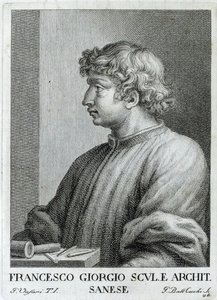
フランチェスコ・ディ・ジョルジョ・マルティーニ
1439 - 1502 , イタリア
プロフィール概要
- Artistic Movement Or Style: ルネサンス
- Artists Or Movements Influenced By This Artist: ['レオナルド・ダ・ヴィンチ']
- Artists Who Influenced This Artist: ['アンドレア・デル・ヴェロッキオ']
- Date Of Birth: 1439年9月23日
- Full Name: フランチェスコ・マウリツィオ・ディ・ジョルジョ・マルティーニ
- Nationality: イタリア
- Notable Artworks:
- 降誕
- 聖母戴冠
- Place Of Birth: イタリア、シエナ