

 プレビュー
プレビュー
 シェアする
シェアする シェアする
シェアする
 詳細を見る
詳細を見る

 ダウンロード
 似ている作品
 X線調査
X線調査 スライドショー
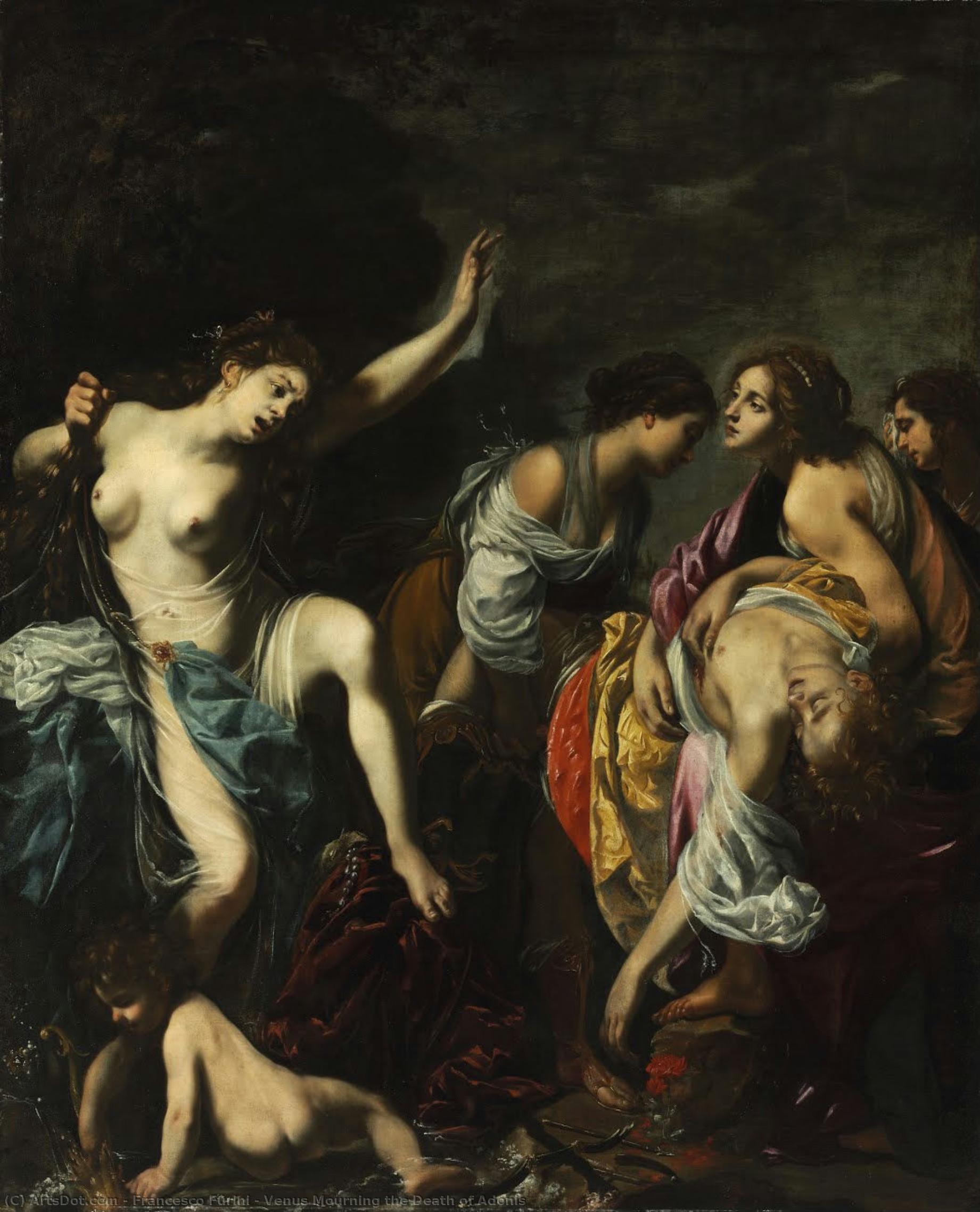
Venus Mourning the Death of Adonis


 詳細を見る
詳細を見る
ジークレー/アートプリント
迅速な制作と多彩な仕上げオプションを備えた、ミュージアムクオリティのジークレーまたはキャンバスプリント。 ( 手描きの絵画を購入 画像を購入)




































作品のオリジナル比率に合わせた、当店の規定サイズからお選びください。

特定のフレームやスペースに合わせて、ご自身でサイズを指定することも可能です。選択されたサイズが元の画像の比率と一致しない場合、作品をトリミングするか、鏡面反射または単色での塗りつぶしによって画像を拡張いたします。制作を開始する前に、ご確認用のデジタルモックアップをお送りいたします。
画面上のプレビューには、実際のトリミングや拡張は反映されませんのでご注意ください。最終的な構図を正確に確認できるのは、モックアップのみとなります。
カスタムサイズも承っておりますが、元の比率を維持するためには、あらかじめ用意されたリストからサイズを選択することをお勧めいたします。


 ガラスオプションは、110cm未満のサイズでのみご利用いただけます。

Venus Mourning the Death of Adonis
ジークレー/アートプリント
複製画のサイズ
-


合計金額
$ 62
関連作品





アーティストの略歴
The Florentine Visionary: The Life and Legacy of Francesco Furini
Francesco Furini stands as a singular figure in the Florentine Baroque landscape—a painter whose sensual sfumato technique and profound engagement with biblical narratives captivated audiences of his time and continues to intrigue art historians today. Born into an artistic lineage within Florence’s vibrant cultural milieu, Furini's very foundation was steeped in the tradition of visual representation. His father, Filippo, was a respected portrait artist, establishing a domestic environment where the nuances of light and form were part of daily life. This familial devotion to art extended to his siblings; while his sister Alessandra pursued painting, another sibling, Angelica, graced the court of Cosimo II de' Medici with her vocal talents, creating a household brimming with the creative energies that would later define Furini’s masterpieces.
His early artistic education commenced under the tutelage of Matteo Rosselli, a master whose pupils included notable figures like Lorenzo Lippii and Baldassare Franceschini. Through Rosselli, Furini was introduced to the refined Mannerist style prevalent in Florence during his youth. However, his thirst for innovation led him beyond these traditional boundaries. He absorbed vital lessons from Domenico Passignano and Giovanni Biliverti, artists instrumental in shaping the stylistic sensibilities of the Florentine school. A significant connection was also forged with Giovanni da San Giovanni, a friendship that anchored Furini within the influential artistic community of his era.
A Journey Through Light and Shadow
A pivotal moment in Furini’s development arrived in 1619 when he ventured to Rome. This city, pulsating with the revolutionary energy of Caravaggio and his followers, offered a transformative encounter with groundbreaking techniques. The Roman atmosphere, thick with the legacy of chiaroscuro and dramatic realism, irrevocably altered his stylistic trajectory. It was here that Furini began to bridge the gap between the conservative Mannerist traditions of his Florentine roots and the burgeoning, emotive power of the Baroque era. This synthesis allowed him to develop a signature style characterized by soft, blurred edges and a dreamlike quality that made his figures appear almost ethereal.
Furini’s mastery is perhaps most evident in his ability to render the human form with an unparalleled delicacy. His work often features:
- The Three Graces: A sensual Baroque masterpiece depicting the goddesses of joy and beauty, where the soft application of paint creates a sense of divine luminosity.
- Lot and His Daughters: A captivating exploration of biblical narrative, showcasing his ability to weave complex human emotion with masterful sfumato.
- St. Agatha: An evocative oil painting that utilizes dramatic light and shadow to highlight the symbolic strength and vulnerability of the saint.
Artistic Influence and Historical Significance
Beyond his own brushwork, Furini played a crucial role in the continuity of the Florentine tradition through his commitment to nurturing new talent. His pupils, including Simone Pignoni and Giovanni Battista Galestruzzi, carried forward his distinctive approach, ensuring that his soft-focus aesthetic left a lasting imprint on the next generation of Italian painters. His ability to blend the mythological with the sacred allowed him to navigate both the secular tastes of aristocratic patrons and the profound requirements of religious commissions.
Though his reputation faced periods of obscurity, Furini was rediscovered in the 20th century, allowing modern audiences to appreciate the sophisticated emotional intelligence embedded in his work. He remains a master of the "soft" Baroque, an artist who could capture the fleeting nature of beauty and the weight of spiritual devotion with equal grace. His legacy survives not just in the museums that house his treasures, such as the Hermitage or the Prado, but in the very way we perceive the intersection of light, flesh, and divinity in the history of Western art.
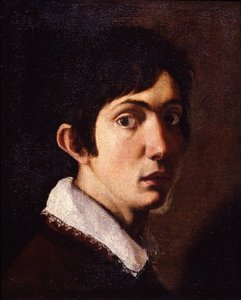
Francesco Furini
1603 - 1646 , Italy
基本情報
- Artistic Movement Or Style: Baroque
- Artists Or Movements Influenced By This Artist: ['Guido Reni']
- Artists Who Influenced This Artist:
- Matteo Rosselli
- Domenico Passignano
- Giovanni Biliverti
- Date Of Birth: Florence, Italy (1603)
- Date Of Death: 1646
- Full Name: Francesco Furini
- Nationality: Italian
- Notable Artworks:
- Cephalus and Aurora
- Clio, the Muse of History
- St. Agatha
- Place Of Birth: Florence

