

 プレビュー
プレビュー
 シェアする
シェアする シェアする
シェアする
 詳細を見る
詳細を見る

 ダウンロード
 似ている作品
 X線調査
X線調査 スライドショー
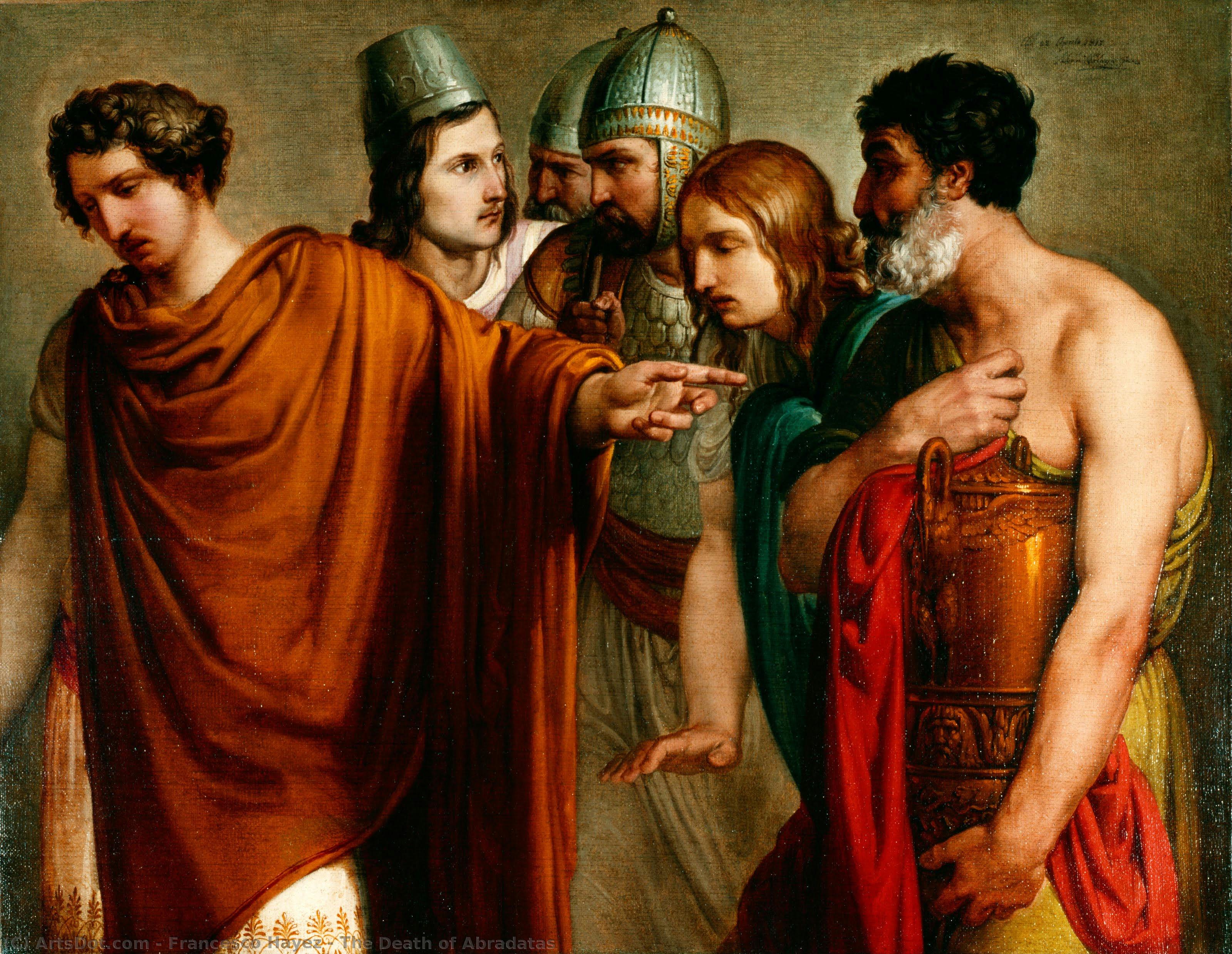
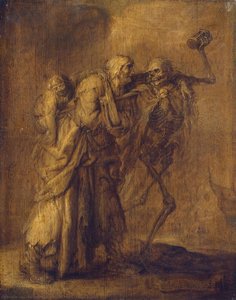
The Death of Abradatas


 詳細を見る
詳細を見る
ジークレー/アートプリント
迅速な制作と多彩な仕上げオプションを備えた、ミュージアムクオリティのジークレーまたはキャンバスプリント。 ( 手描きの絵画を購入 画像を購入)




P118B $10

P118H $10

P118W $10

P438Z $10

P508JH $12

P508YH $12

P805H $10

P805Z $10

P919BZ $10

P919G $10

P919XJ $10

P959ZH $10

P968JZ $12

W106C $8

W218G $10

W218JH $8

W218Y $10

W307PJ $10

W316G $10

W316PJ $8

W316Y $10

W398PJ $8

W4111J $10

W500HY $15

W500JH $15

W692G $12

W849H $8

W940BG $15

W953PJ $8




作品のオリジナル比率に合わせた、当店の規定サイズからお選びください。

特定のフレームやスペースに合わせて、ご自身でサイズを指定することも可能です。選択されたサイズが元の画像の比率と一致しない場合、作品をトリミングするか、鏡面反射または単色での塗りつぶしによって画像を拡張いたします。制作を開始する前に、ご確認用のデジタルモックアップをお送りいたします。
画面上のプレビューには、実際のトリミングや拡張は反映されませんのでご注意ください。最終的な構図を正確に確認できるのは、モックアップのみとなります。
カスタムサイズも承っておりますが、元の比率を維持するためには、あらかじめ用意されたリストからサイズを選択することをお勧めいたします。


 ガラスオプションは、110cm未満のサイズでのみご利用いただけます。

The Death of Abradatas
ジークレー/アートプリント
複製画のサイズ
-


合計金額
$ 62
作品詳細説明
The Death of Abradatas: A Fragment of Romantic Revelation
ArtsDot.com presents a captivating glimpse into the world of Francesco Hayez with “The Death of Abradatas,” a rediscovered masterpiece that offers a poignant window onto the burgeoning romantic movement in 19th-century Italy. Initially believed lost, this section of a monumental canvas – painstakingly assembled from fragments – reveals Hayez’s artistic ambition and the complex patronage network surrounding his early career. The painting's journey, from its creation during the spring of 1813 in Rome to its eventual identification at the Palazzo Reale exhibition of 1983, is itself a compelling narrative of rediscovery and critical re-evaluation.
- Subject Matter: The scene depicts a dramatic historical event – the death of Abradatas, likely inspired by classical sources. Several men, clad in Roman attire, are gathered together, engaged in what appears to be a tense discussion or perhaps a moment of solemn reflection.
- Composition: Hayez masterfully employs a pyramidal composition, drawing the viewer’s eye towards the central figure who gestures emphatically, creating a dynamic focal point within the scene. The inclusion of figures wearing helmets and armor subtly suggests a military context, adding to the painting's dramatic intensity.
- Technical Execution: Executed with Hayez’s characteristic attention to detail and masterful use of color, the work demonstrates his burgeoning skill in rendering human emotion and capturing the grandeur of historical narratives. The brushwork is loose yet controlled, contributing to a sense of immediacy and movement.
Hayez's Rome: Influences and Artistic Development
The creation of “The Death of Abradatas” occurred during a pivotal period in Hayez’s artistic development. His time in Rome, following his studies with Teodoro Matteini in Milan, exposed him to the diverse influences of the Roman School – a movement that championed classical themes and dramatic compositions. This experience profoundly shaped his style, laying the groundwork for his later success in producing grand historical paintings. The painting's subject matter itself reflects this engagement with classical antiquity, a hallmark of the period’s artistic sensibilities.
- Patronage: Hayez’s journey was significantly influenced by two prominent figures – Antonio Canova, the renowned sculptor, and Count Leopoldo Cicognara, President of the Venice Academy of Fine Arts. Cicognara's encouragement, delivered through a letter to Canova, spurred Hayez to participate in the Brera Academy competition, a crucial step in his career.
- Competition Context: The competition itself was highly charged, reflecting the political and artistic tensions of the time. Hayez’s previous work, “Laocoon,” had been awarded a joint first prize, sparking controversy and highlighting the subjective nature of artistic judgment within academic circles.
Symbolism and Emotional Resonance
Beyond its historical context, "The Death of Abradatas" resonates with powerful emotional themes. The figures’ expressions – a mixture of concern, contemplation, and perhaps even grief – invite viewers to contemplate mortality, loss, and the human condition. The dramatic lighting and carefully orchestrated composition heighten these emotions, creating a scene that is both visually arresting and deeply moving. The painting's rediscovery adds another layer of intrigue, prompting us to consider the untold stories behind this fragment of Hayez’s artistic vision.
A Window into Romanticism
“The Death of Abradatas” stands as a significant example of Francesco Hayez’s early work and a key piece in understanding the development of Italian romanticism. Its rediscovered status offers a rare opportunity to appreciate Hayez's talent and his role in shaping the artistic landscape of 19th-century Italy. ArtsDot.com is proud to offer a meticulously crafted hand-painted reproduction, allowing you to bring this captivating artwork into your own space.
関連作品
![Life Of Saint Francis - [04] - Death And Ascension Of St Francis — ジョット, Italian Renaissance](/media/artworks/images-thumb/08/8b/088b102b13c1a379233690905590f156.jpg)

アーティストの略歴
生い立ちと初期の修練
フランチェスコ・アジェッツは、1791年2月10日、イタリアのヴェネツィアで生まれました。彼の父ジョヴァンニはフランス出身であり、母キアラ・トルチェッラはムラーノ島のご出身です。幼い頃から絵を描く才能を示し、叔父によって美術修復師の見習いとして才能が開花しました。しかし、アジェッツの芸術的探求心はすぐにヴェネツィアの伝統的な様式を超え、より革新的な表現を求めるようになりました。1806年、彼はミラノの新設されたアカデミア・ディ・ベッレ・アルティ(美術アカデミー)に入学し、テオドロ・マッテイニに師事します。この時期のアジェッツは古典主義の基礎を学びながらも、自身の内なる情熱と感情を表現することへの強い欲求を抱き始めました。1809年にはコンクールで優勝し、ローマのサン・ルカ美術アカデミーでの一年間の留学の機会を得ます。この経験が彼の芸術的スタイルを形成する上で重要な役割を果たし、後のイタリア・ロマン主義の先駆者としての道を歩むことになります。芸術的キャリアと様式
ローマでの研鑽を経て、アジェッツは歴史画、政治的な寓意画、そして卓越した肖像画を描き始めました。彼の作品は、壮大なスケールとドラマティックな表現が特徴であり、当時のイタリア美術界に大きな衝撃を与えました。特に注目すべきは、「接吻」です。この作品は同時代の人々から高く評価され、今日でもアジェッツの代表作として広く知られています。また、「クレモナ広場での教皇ウルスルスの説教」も重要な作品であり、彼の歴史的叙述能力を示す傑作と言えるでしょう。肖像画においても、被写体の内面を深く捉え、その個性を際立たせる卓越した技術を発揮しました。アジェッツの様式は、古典主義的な正確さとロマン主義的な感情表現が融合したものであり、イタリア美術における独自の地位を確立しました。彼は単なる技巧家ではなく、作品を通して社会や政治に対する自身の考えを表現しようと試みた芸術家でした。代表作とその象徴性
アジェッツの作品群は、単なる美しい絵画にとどまらず、深い象徴性とメッセージを含んでいます。「接吻」は、愛と秘密、そして政治的な陰謀といった多層的な意味合いを持つ作品として解釈されています。この絵画に描かれた情熱的なキスは、単なる恋愛感情だけでなく、イタリア統一を求める人々の隠れた希望や決意を表しているとも言われています。「教皇ウルスルスの説教」もまた、歴史的事件を通して当時の社会状況や政治的な緊張を描き出した作品です。アジェッツは、これらの作品を通して、観る者に様々な解釈の余地を与え、深い思索を促しました。彼の肖像画においても、被写体の表情や身振り手振りに込められた意味を探ることで、その人物の内面や社会的な背景を知ることができます。アジェッツの作品は、常に時代と社会に寄り添い、人々の心に響く普遍的なテーマを描き出したものでした。影響と遺産
フランチェスコ・アジェッツは、イタリア・ロマン主義に多大な影響を与えました。彼の作品は、その後の芸術家たちに大きな刺激を与え、新たな表現の可能性を切り開きました。特に、歴史画におけるドラマティックな構図や感情表現は、多くの画家たちの模範となりました。また、政治的な寓意画においては、社会批判的な視点を取り入れることで、美術界に新たな潮流をもたらしました。アジェッツの影響は、絵画だけでなく、文学や音楽など、様々な分野にも及んでいます。彼の作品は、今日でも多くの研究者や芸術愛好家によって研究され、その価値が再評価されています。ミラノのチヴィカ・ガレリア・ダルテ・モデーナ(現代美術館)には、アジェッツの貴重なコレクションが収蔵されており、彼の芸術的遺産を後世に伝える役割を果たしています。アジェッツは、イタリア美術史において重要な位置を占める芸術家であり、その作品はこれからも多くの人々に感動とインスピレーションを与え続けるでしょう。主要な日付
- 1791年2月10日:ヴェネツィアで生まれる
- 1806年:ミラノの新設されたアカデミア・ディ・ベッレ・アルティに入学
- 1809年:ローマのサン・ルカ美術アカデミーへの留学
- 1882年12月21日:イタリア美術界に多大な遺産を残し、逝去
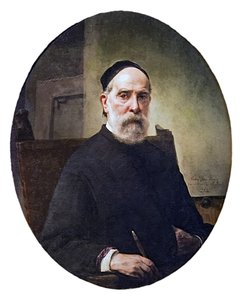
フランチェスコ・アジェッツ
1791 - 1882 , イタリア
基本情報
- Artistic Movement Or Style: ロマン主義
- Artists Or Movements Influenced By This Artist: ['新古典主義']
- Artists Who Influenced This Artist: ['テオドロ・マッティエイニ']
- Date Of Birth: 1791年2月10日
- Date Of Death: 1882年12月21日
- Full Name: フランチェスコ・アジェッツ
- Nationality: イタリア人
- Notable Artworks (List Of Titles):
- 「接吻」
- 教皇ウルス2世の説教
- Place Of Birth (City And Country): イタリア、ヴェネツィア
関連記事
Romantic Realism's Finest: 10 Masterpieces for Your Home | ArtsDot
Explore 10 defining masterpieces of Romantic Realism! Discover Courbet, Millet & Daumier's powerful paintings—capturing emotion and social realities. Find museum-quality reproductions for your home at ArtsDot.com.

ロマン派ランドスケープ:時代を彩る巨匠の10選|アートとインテリアの世界
ロマン派絵画の時代を彩る10選。巨匠たちの風景が織りなす感動の世界へ。ターナー、ルーベンスなど、名作の裏話と高精細複製でアートをお部屋に。ArtsDot.comで至福のアート体験を。
Romantic Masterpieces: 10 Artworks for a Timeless Home Decor Aesthetic
Fall in love with art! Explore 10 iconic romantic paintings – from Monet & Bouguereau to Fragonard. Discover the stories behind these masterpieces and find museum-quality reproductions for your home decor at .
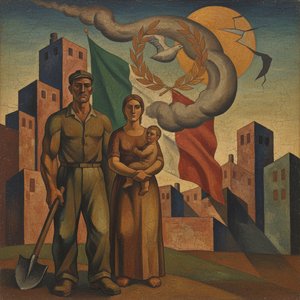
Mario Sironi: A Poetic of Modern Italian Identity Through Symbolism & Social Commentary
Explore the profound works of Mario Sironi, a key figure in Italian Modernism. Discover his evolution from Futurism to Metaphysical painting and his powerful social commentary. Learn about his legacy at ArtsDot.

Romantic Masterpieces: 10 Artworks to Stir Your Soul |
Fall in love with art! Explore 10 iconic romantic paintings – from Renaissance classics to Impressionist masterpieces. Discover the stories behind artists like Monet & Klimt, and find museum-quality reproductions for your home at .

