

 プレビュー
プレビュー
 シェアする
シェアする シェアする
シェアする
 詳細を見る
詳細を見る

 ダウンロード
 似ている作品
 X線調査
X線調査 スライドショー
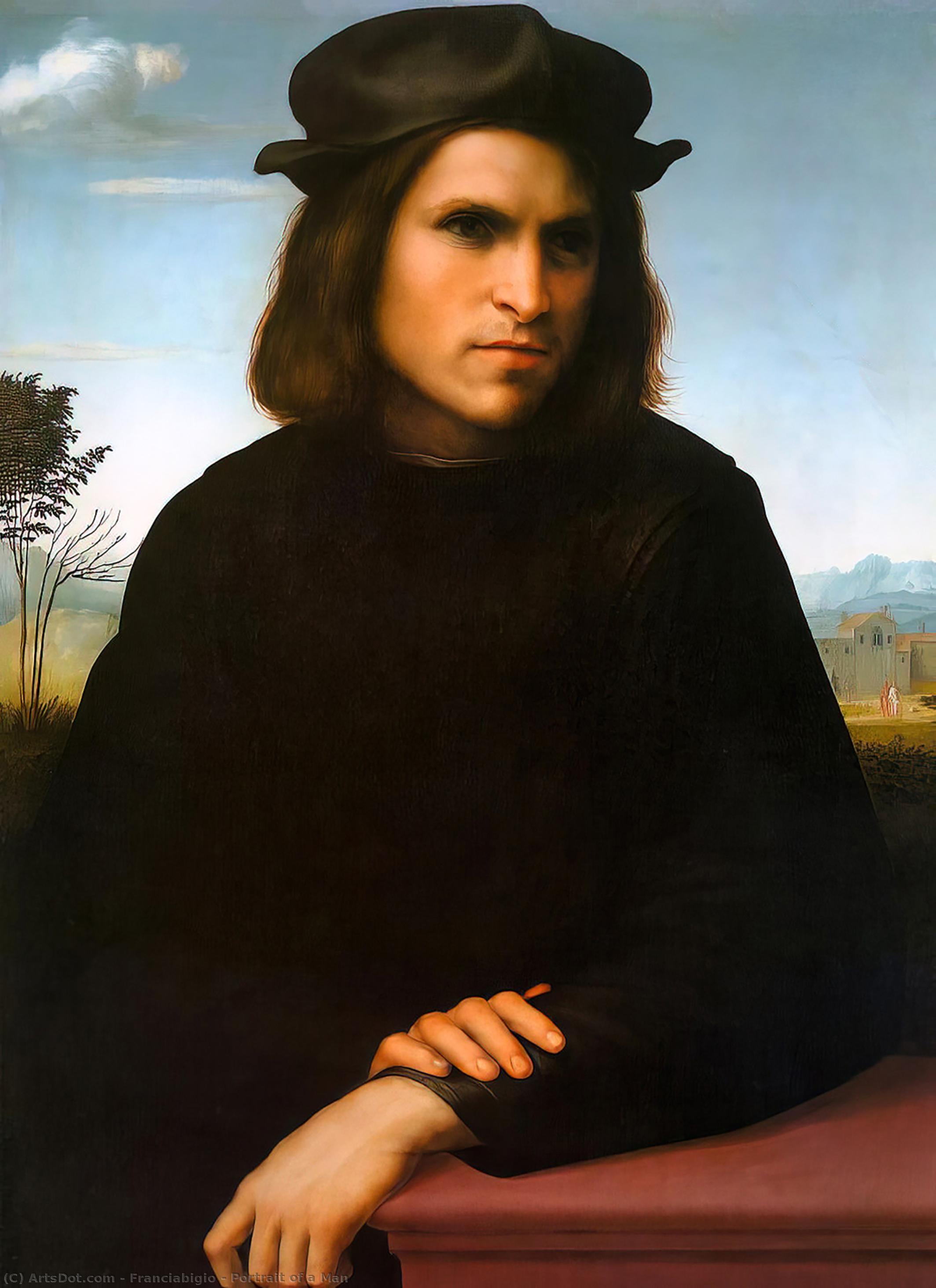
Portrait of a Man
 Oil On Canvas
- WallArt
- High Renaissance
 1510
1510- Renaissance
 76.0 x 60.0 cm
 ルーブル美術館
 詳細を見る
詳細を見る
ジークレー/アートプリント
迅速な制作と多彩な仕上げオプションを備えた、ミュージアムクオリティのジークレーまたはキャンバスプリント。 ( 手描きの絵画を購入 画像を購入)




P118B $10

P118H $10

P118W $10

P438Z $10

P508JH $12

P508YH $12

P805H $10

P805Z $10

P919BZ $10

P919G $10

P919XJ $10

P959ZH $10

P968JZ $12

W106C $8

W218G $10

W218JH $8

W218Y $10

W307PJ $10

W316G $10

W316PJ $8

W316Y $10

W398PJ $8

W4111J $10

W500HY $15

W500JH $15

W692G $12

W849H $8

W940BG $15

W953PJ $8




作品のオリジナル比率に合わせた、当店の規定サイズからお選びください。

特定のフレームやスペースに合わせて、ご自身でサイズを指定することも可能です。選択されたサイズが元の画像の比率と一致しない場合、作品をトリミングするか、鏡面反射または単色での塗りつぶしによって画像を拡張いたします。制作を開始する前に、ご確認用のデジタルモックアップをお送りいたします。
画面上のプレビューには、実際のトリミングや拡張は反映されませんのでご注意ください。最終的な構図を正確に確認できるのは、モックアップのみとなります。
カスタムサイズも承っておりますが、元の比率を維持するためには、あらかじめ用意されたリストからサイズを選択することをお勧めいたします。


 ガラスオプションは、110cm未満のサイズでのみご利用いただけます。

Portrait of a Man
ジークレー/アートプリント
複製画のサイズ
-


合計金額
$ 62
A Window into the Florentine Soul
In the quiet intensity of Franciabigio’s Portrait of a Man, we encounter more than just a mere likeness; we are invited into a profound meditation on human presence and the subtle complexities of the Renaissance spirit. Painted around 1510, this masterpiece serves as a captivating window into an era where the boundaries between the physical world and the psychological landscape began to dissolve. The subject, a young man of poised dignity, gazes out with a look that is at once direct and hauntingly melancholic, pulling the viewer into a silent dialogue that has endured for centuries. There is an undeniable intimacy in the way his hand rests upon his wrist, a gesture that suggests a moment of private reflection captured forever in oil.
The composition is a masterclass in Renaissance balance, where the dark, velvety textures of the subject's attire—a deep black hat and cloak—create a powerful frame for the luminous skin tones of his face. This stark contrast does not merely serve an aesthetic purpose; it directs our focus toward the subtle nuances of expression that Franciabigio so expertly rendered. Behind this central figure, a soft, atmospheric landscape unfolds, featuring rolling hills and distant mountains painted in muted, earthy tones. This use of perspective creates a breathtaking sense of depth, making the portrait feel less like a flat image and more like a three-dimensional space where the subject exists in harmony with the natural world.
The Mastery of Light and Sfumato
To look closely at this work is to witness the technical brilliance of the High Renaissance. Franciabigio, having honed his craft in the prestigious workshop of Andrea del Sarto, utilized the revolutionary sfumato technique—a method famously pioneered by Leonardo da Vinci. Through the meticulous application of thin, translucent glazes of oil paint, the artist achieved an ethereal luminosity. There are no harsh outlines here; instead, light and shadow bleed into one another with a seamless grace, creating soft transitions that mimic the way the human eye perceives depth and volume. This technique allows the contours of the face and the intricate folds of the drapery to emerge from the darkness with a lifelike, breathing quality.
The interplay of chiaroscuro—the dramatic use of light and dark—adds a layer of sculptural dimension to the piece. The way the soft, diffused light catches the bridge of the nose or the curve of a cheekbone provides a sense of physical weight and presence. For the discerning collector or interior designer, this technical sophistication offers a profound aesthetic value. The painting does not simply sit upon a wall; it commands the atmosphere of a room, bringing with it a sense of historical gravity and a sophisticated, quiet energy that complements both classical and contemporary settings.
A Timeless Legacy for the Modern Collector
Beyond its technical merits, the Portrait of a Man embodies the humanist ideals of the Florentine Renaissance—a period defined by an unwavering belief in the beauty, intellect, and dignity of the individual. The subject’s attire, suggesting wealth and social standing, combined with his thoughtful gaze, reflects a time when art was used to celebrate the potential of the human form. It is a work that speaks of stability, intellect, and the enduring power of the human spirit.
For those seeking to infuse their living spaces with culture and emotional depth, a high-quality reproduction of this work offers an unparalleled opportunity. Whether placed in a sunlit study or a grand hallway, the painting acts as a focal point of conversation and contemplation. It is an investment in beauty that transcends trends, providing a sense of timeless elegance and a connection to the golden age of Italian art. Owning such a piece is not merely about decoration; it is about surrounding oneself with the profound legacy of the masters, ensuring that the quiet intensity of Franciabigio’s vision continues to inspire generations to come.
関連作品


アーティストの略歴
フランチャビージョ:フィレンツェ・ルネサンスの肖像画家
フランチャビージョ(1482年頃 – 1525年1月24日)は、盛期ルネサンス期におけるフィレンツェ芸術の鮮やかなタペストリーの中に、ひときわ異彩を放つ存在として刻まれています。彼の遺した足跡は、壮大な宗教画の依頼に応えたことよりも、むしろ表現豊かな肖像画や見事なフレスコ画の中にこそ息づいています。その生涯に関する決定的な伝記的事実は今なお謎に包まれていますが、学術的にはイタリアのフィレンツエで生まれた、おそらくフランチェスコ・ディ・クリストフォノであろうと推測されています。歴史的記録にはマルカントニオ・フランチャビージョやフランチャ・ビジオといった異なる名も断続的に現れますが、アルベルト・アルトラモンテの指導の下で行われた初期の修行が、後の共同制作や様式の進化の礎となりました。 1506年頃、フランチャビージョはアンドレア・デル・サルトの工房へと身を投じ、これが彼のキャリアにおける決定的な転換点となりました。このパートナーシップは革新と実験の環境を育み、ついには彼らが共同でピアッツァ・デル・グラーノに設立したワークショップへと結実します。そこはロッソ・フィオレンティーノ、ポントルモ、フランチェスコ・インダコ、バッチョ・バンディネッリといった他の著名な芸術家たちをも惹きつける、芸術活動の集積地となりました。フランチャビズムは、フレスコ画における類まれな技術ですぐに名声を博し、その技法においては同時代の画家たちを凌駕するほどの卓越した腕前を持つことで知られるようになりました。まさにこの媒体において、繊細な表情を捉え、驚くべき感受性で心理的な深みを伝えるという、彼の芸術的才能が真に輝きを放ったのです。 彼の名声は、手に取るような自然主義が吹き込まれた肖像画を通じて確固たるものとなりました。理想化された表現を好んだ多くの同時代の画家たちとは一線を画していたのです。アンドレア・デル・サルトが主導したサンタ・マリア・デッラ・アンヌンツィアータ修道院の回廊における壮大なフレスコ画プロジェクト(フランチャビージョも共同制作に加わりましたが、デル・サルトの傑作「ヴィーナスの誕生」の影に隠れてしまいました)とは対照的に、フランチャビージョの作品は個人の性格や感情を捉えることに焦点を当てていました。1513年に制作された「聖母の婚礼」は、まさにこの手法の典型であり、聖書の物語にヒューマニズム的なリアリズムを吹き込む彼の能力を見事に示しています。 フィレンツェのコンヴェント・デッラ・カルツァのために依頼された「最後の晩餐」のフレスコ画(1514年)は、彼の評価をさらに揺るぎないものにしました。これはアンドレア・デル・サルトの監督の下、ポントルモやインダコを含むスター芸術家たちが集結した記念碑的な事業でした。しかし、この野心的なプロジェクトにおけるフランチャビージョの貢献は、師であるデル・サルトの傑作と比較すると控えめなものであり、師の様式的な支配力を際立させる結果となりました。同様に、コンヴェント・デッラ・サルツォ(1518-19年)においても、「洗礼者聖ヨハネの荒野への出発」や「洗礼者聖ヨハネとイエスの出会い」においてアンドレア・デル・サルトと協力し、革新的な芸術的試みへの継続的な関わりを示しました。 彼の芸術的な旅は、ポッジ・ア・カイアーノにあるメディチ・ヴィラ(1520-21年)において頂点に達します。そこで彼は「キケロの凱旋」のフレスコ画に着手しました。このプロジェクトでは、特にウェルトゥムヌスとポモナを描いたルネットにおいて、ポントルモとの様式的な親和性が顕著に現れています。神話的な人物を光り輝くように描いたポントルモの手法とは異なり、フランチャビージョの構図は憂鬱さと不安感を漂わせていました。これは、当時の主流であった美学的理想から微妙に逸脱した、プロト・マニエリスム(初期マニエリスム)的な感性を反映しています。また、1516年に制作された「聖ヨブの祭壇画」は、彼の技術的な習熟と芸術的ビジョンを示す重要な作品として特筆すべきものです。 フランチャビージョの影響は、同時代の画家たちに留まりませんでした。ラファエロ・サンツィオの様式的な刻印は、彼の手によるものとされる数々の絵画、とりわけ「聖母子」の中にも見て取ることができ、ルネサンスの芸術原則がいかに広く浸透していたかを物語っています。フランチャビージョが遺した不朽のレガシーは、ヒューマニズムの理想を視覚的な形へと翻訳し、比類なき芸術性をもって人間の感情の複雑さを捉えたその能力にあります。それは、フィレンツェ美術史における彼の唯一無二の貢献を証明するものなのです。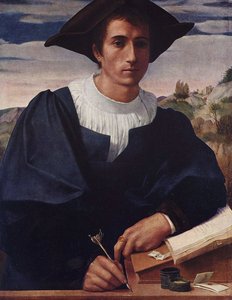
フランチャビージョ
1482 - 1525 , イタリア
基本情報
- Artistic Movement Or Style: ルネサンス
- Artists Or Movements Influenced By This Artist: ['ルネサンス']
- Artists Who Influenced This Artist:
- アンドレア・デル・サルト
- ラファエロ・サンツィオ
- Date Of Birth: イタリア、フィレンツェ (1482年)
- Date Of Death: 1525年1月24日
- Full Name: フランチェスコ・クリストフォラーノ
- Nationality: イタリア
- Notable Artworks:
- 男の肖像
- 聖母の頭部
- 天使
- 聖ヨブの祭壇画
- 処女の婚礼
- 最後の晩餐
- 洗礼者ヨハネの出発
- 洗礼者ヨハネとイエスの出会い
- キケロの凱旋
- ウェルトゥムヌスとポモナ
- Place Of Birth: フィレンツェ
関連記事

The Enduring Legacy of Oil on Canvas: Technique, History & Aesthetic Impact
Explore the rich history & techniques of oil painting – from Renaissance masters to Impressionism. Discover pigments, layering methods, and why this timeless medium endures. Expert insights for artists & art enthusiasts.

Oil on Canvas: A Historical & Technical Exploration of a Timeless Artistic Medium
Explore the rich history & enduring techniques of oil painting on canvas. Discover the science behind its longevity, conservation practices, and contemporary relevance. Expert insights for art enthusiasts.

The Enduring Power of Painting: A Historical & Contemporary Exploration of Form and Emotion
Explore the rich history & enduring techniques of oil painting with ArtsDot. Discover masterpieces, learn about art collecting, and find authentic handmade reproductions crafted by skilled artists.

油彩のキャンバス:技法、歴史、そして現代の実践 - 古典美術愛好家へ
油彩の技法、歴史、巨匠たちの秘密を徹底解説。古典美術愛好家向けに、初期フランドル絵画から現代の実践まで深く掘り下げます。ArtsDotで高品質な複製画やカスタムオーダーも承ります。
NFTコレクター向け:デジタル画像を手描きオイルレプリカに変換し、ミュージアム品質で収益と価値を最大化
ArtsDotは、デジタル画像をミュージアム品質の手描きオイルレプリカへ変換する専門家です。高い技術と厳格な品質管理で、NFTコレクターに信頼できる投資価値を提供します。

