 プレビュー
プレビュー
 プリントを購入
 シェアする
シェアする シェアする
シェアする
 詳細を見る
詳細を見る

 ダウンロード
 似ている作品
 X線調査
X線調査 スライドショー
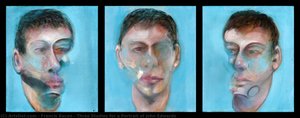
three studies of george dyres, 1966 c

 詳細を見る
詳細を見る




P118B $10

P118H $10

P118W $10

P438Z $10

P508JH $12

P508YH $12

P805H $10

P805Z $10

P919BZ $10

P919G $10

P919XJ $10

P959ZH $10

P968JZ $12

W106C $8

W218G $10

W218JH $8

W218Y $10

W307PJ $10

W316G $10

W316PJ $8

W316Y $10

W398PJ $8

W4111J $10

W500HY $15

W500JH $15

W692G $12

W849H $8

W940BG $15

W953PJ $8




作品のオリジナル比率に合わせた、当店の規定サイズからお選びください。

特定のフレームやスペースに合わせて、ご希望のサイズをご入力いただけます。選択されたサイズが元の画像の比率と異なる場合、アートワークをトリミングするか、手描きで要素を追加して絵画を拡張いたします。デジタルモックアップ を制作し、制作開始前にご確認(承認)をいただきます。
画面上のプレビューは、実際のトリミングや拡張を正確に反映しているものではありません。最終的な構図は、モックアップによってのみ正確にご確認いただけます。
カスタムサイズもご利用いただけますが、元の比率を維持するためには、あらかじめ用意されたリストからサイズを選択することをお勧めいたします。
ご注文後、ArtsDot.com チームより詳細な指示をお送りするとともに、仕上がりイメージ(モックアップ)をご提供いたします。


 ガラスオプションは、110cm未満のサイズでのみご利用いただけます。

three studies of george dyres, 1966 c
複製技法
複製画のサイズ
-


合計金額
$ 263
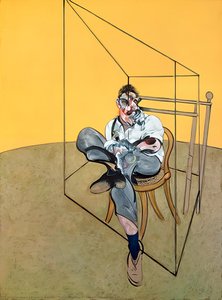
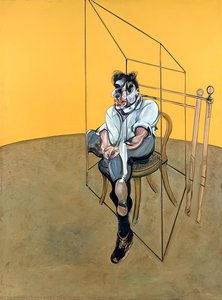
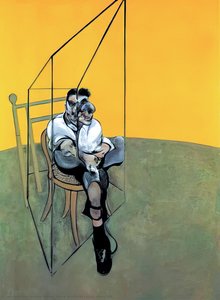
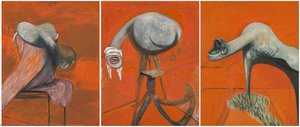
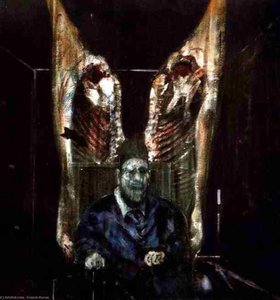
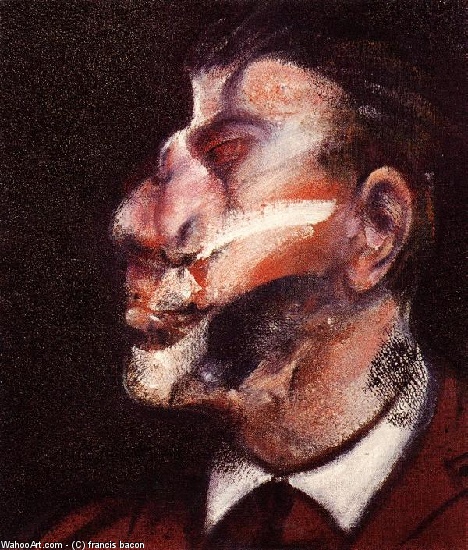
A Portrait of Trauma: Examining Francis Bacon’s “Three Studies of George Dyres”
Francis Bacon’s “Three Studies of George Dyres,” completed in 1966, stands as a chilling testament to the artist's preoccupation with violence and psychological torment. More than just a depiction of a man covered in paint—though that visual element is undeniably arresting—the painting delves into the depths of human experience, confronting viewers with uncomfortable truths about vulnerability and suffering.
Painted in Bacon’s signature style – characterized by distorted figures rendered in muted hues – “Dyres” exemplifies his masterful technique. He employed encaustic paint, a method combining beeswax resin and pigment, layering thin washes of color onto prepared wood panels. This process lends an unparalleled luminosity to the canvases, capturing subtle nuances of texture and tone that would elude more conventional mediums.
Historical Context: The Shadow of Nuclear Anxiety
The painting emerged during a period profoundly shaped by anxieties surrounding the Cold War. The Cuban Missile Crisis had brought the world to the brink of nuclear annihilation, fostering a pervasive sense of dread and prompting artists like Bacon to explore themes of fear, aggression, and disintegration. Dyres himself was a British actor known for portraying characters grappling with inner demons—a subject matter that resonated powerfully with Bacon’s artistic vision.
Symbolism: Layers of Pain and Vulnerability
Beyond its immediate visual impact, “Dyres” is laden with symbolic significance. The fragmented figure embodies the shattered psyche, reflecting the artist's own struggles with mental illness. The splashes of paint—particularly the crimson – represent bloodshed and trauma, mirroring the psychological wounds inflicted upon Dyres’ character. Bacon deliberately eschewed idealized representations, opting instead for grotesque distortions that expose the raw nerve of human emotion.
Technique: Encaustic Wax Resin Paint - A Masterful Illusion
Bacon's meticulous application of encaustic wax resin paint is crucial to understanding the painting’s emotive power. The technique allows for incredible depth and luminosity, creating an illusionistic surface that seems to pulsate with life—yet beneath this veneer lies a disturbing vulnerability. The artist painstakingly built up layers of pigment onto beeswax, achieving remarkable tonal gradations and capturing subtle variations in texture.
Emotional Impact: Confronting Darkness Within
"Three Studies of George Dyres" isn’t merely aesthetically pleasing; it demands engagement on an emotional level. It compels viewers to confront their own anxieties about mortality, vulnerability, and the darker aspects of human nature. Bacon's unflinching portrayal of suffering serves as a powerful reminder that beauty can coexist with pain—and that art has the capacity to illuminate the complexities of the human condition.
This haunting masterpiece continues to captivate audiences today, offering an unparalleled glimpse into the artist’s tormented psyche and cementing his place among the most influential figures in 20th-century art. Its enduring appeal lies not only in its technical brilliance but also in its profound exploration of human emotion—a testament to Bacon's unwavering commitment to confronting darkness within.
関連作品
アーティストの略歴
激動の時代を映し出す魂:フランシス・ベーコンの世界
フランシス・ベーコン。その名は、20世紀美術における感情の奔流、人間の内面の深淵を覗き込むような作品群と切り離すことはできないでしょう。1909年、アイルランドのダブリンで生まれ、イギリスで芸術家としての道を歩んだベーコンは、伝統的な絵画表現を打ち破り、激しい感情と存在不安を具現化した独自のスタイルを確立しました。彼の作品は、見る者に強烈な衝撃を与え、人間の本質に深く問いかける力を持っています。幼少期をアイルランドとイングランドの間で過ごしたベーコンは、不安定な家庭環境の中で、自身のアイデンティティを模索し続けたと言われています。競馬やギャンブルといった放浪生活を送る中で、彼は社会の暗部や人間の脆弱性を目の当たりにし、それが後の作品に深く影響を与えたのでしょう。正式な美術教育を受けたわけではありませんが、パブロ・ピカソの形態変形、エゴン・シーレの表現主義的な人間描写、そしてセルゲイ・エイゼンシュテイン監督の映画『戦艦ポテムキン』における人間の苦悶を象徴する顔のクローズアップなど、様々な芸術作品からインスピレーションを得て、独自の視覚言語を構築していきました。苦悩と孤独が織りなす表現:ベーコンの画風
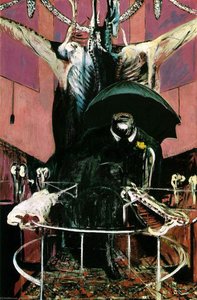
ベーコンの絵画は、しばしば歪んだ人体、閉塞的な空間、そして強烈な色彩によって特徴づけられます。彼の作品に登場する人物たちは、まるで檻の中に閉じ込められたかのように、孤立し、苦悩を抱えています。それは、人間の存在そのものが持つ脆弱性、孤独感、そして死の不可避性を表現しているかのようです。『三位一体像』(1944年)は、ベーコンの画風を決定づけた重要な作品として知られています。十字架の下に横たわる人物たちは、宗教的な殉教者ではなく、人間の苦しみそのものを象徴する存在として描かれています。彼らの肉体は歪み、断片化され、背景となる空間は狭く閉塞的です。ベーコンは、伝統的な絵画における美の概念を完全に否定し、人間の内面に潜む暗い感情を赤裸々に表現することで、見る者に強烈な衝撃を与えました。また、彼はしばしばヴェロネーゼの『インノケンツ10世教皇の肖像』をモチーフに、自身の作品を制作しました。しかし、ベーコンの手による教皇の姿は、威厳と権力を象徴するものではなく、絶望と狂気を孕んだ叫び声を上げる存在へと変貌しています。生と死、愛と憎しみ:ベーコンのテーマ
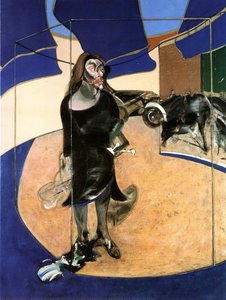
ベーコンの作品には、人間の生と死、愛と憎しみといった普遍的なテーマが繰り返し登場します。彼の描く肖像画は、単なる外見の再現ではなく、被写体の内面を深く掘り下げた心理描写として評価されています。特に、恋人であったジョージ・ダイアーの姿を描いた作品群は、二人の複雑な関係性、そしてその悲劇的な結末を暗示しているかのようです。ベーコンは、自身の作品を通して、人間の存在に内在する苦悩や不安を表現することで、見る者に自己の内面と向き合うことを促しました。彼の作品は、決して安易な慰めを与えるものではありませんが、人間の本質に深く触れることで、新たな気づきを与えてくれるでしょう。現代美術への影響:ベーコンの遺産
フランシス・ベーコンは、20世紀を代表する表現主義者の一人として、その後の現代美術に多大な影響を与えました。彼の作品は、抽象表現主義やポップアートといった様々な芸術運動に影響を与え、多くのアーティストにインスピレーションを与え続けています。また、彼の絵画における人間の内面への探求は、心理学や哲学といった分野にも影響を与え、人間の精神世界に対する理解を深める一助となっています。ベーコンの作品は、オークション市場においても高値で取引され、その芸術的価値と歴史的重要性を示しています。今日に至るまで、彼の作品は世界中の美術館に収蔵され、多くの人々に感動を与え続けています。フランシス・ベーコンは、人間の本質を深く探求し、激しい感情を具現化した作品を通して、現代美術の新たな地平を切り開いた偉大な芸術家であると言えるでしょう。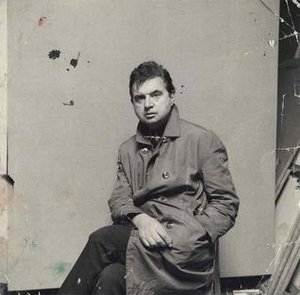
フランシス・ベーコン
1909 - 1992 , アイルランド
基本情報
- フルネーム: フランシス・ベーコン
- 主な作品:
- Three Studies...
- Pope series
- George Dyer portrait
- 出生地: ダブリン、アイルランド
- 国籍: アイルランド系イギリス人
- 影響を与えたアーティスト: ['戦後表現主義']
- 影響を受けたアーティスト:
- パブロ・ピカソ
- エゴン・シーレ
- 死亡年月日: 1992年4月26日
- 生年月日: 1909年10月28日
- 芸術運動またはスタイル: 表現主義
関連記事
フランシス・ベーコン傑作25選:魂を揺さぶる絵画の世界 | ArtsDot
フランシス・ベーコンの傑作25選。魂を揺さぶる表現主義絵画の世界へ。人物画、三面図、ポープ・インノケンティウス10世など、美術史に残る名作をArtsDotで高精細複製画としてご紹介。インテリアに深みと個性を。今すぐコレクションをご覧ください。

ジョルジュ・ブラック傑作25選:革新的なキュビスムの世界と装飾への誘い
ジョルジュ・ブラックの傑作25選。キュビスムを代表する画家、その革新的な色彩と技法に迫ります。名画から知られざる逸品まで、美術史に残る作品群をArtsDot.comで鑑賞。お部屋を彩るアートプリントも多数ご用意。今すぐオンラインでコレクションをご覧ください。

ジョルジュ・スーラ傑作25選:光と色彩の科学が織りなす芸術の世界|ArtsDot
ジョルジュ・スーラの傑作25選。点描画の光と色彩、印象派から新印象派へ—ArtsDotで美術史を紐解き、リビングやダイニングを彩る高品質なアートプリントを見つけましょう。セーラ作品集をオンラインで鑑賞ください。
Expressionist Painting: 10 Masterpieces That Defined a Movement | ArtsDot
Explore 10 Expressionist paintings that revolutionized art! Discover Munch, Kirchner & Kandinsky's iconic works. Find museum-quality reproductions and vibrant canvas prints to elevate your home decor on ArtsDot.com.
Somber Masterpieces: 10 Artworks That Stir the Soul |
Delve into 10 somber masterpieces by Rembrandt, Munch & Van Gogh. Explore emotional art history, dark palettes & powerful expression. Find museum-quality reproductions & curated wall decor ideas at . Discover all masterpieces online.