 プレビュー
プレビュー
 プリントを購入
 シェアする
シェアする シェアする
シェアする
 詳細を見る
詳細を見る

 ダウンロード
 似ている作品
 X線調査
X線調査 スライドショー
St. Francis Kneeling


 詳細を見る
詳細を見る




P118B $10

P118H $10

P118W $10

P438Z $10

P508JH $12

P508YH $12

P805H $10

P805Z $10

P919BZ $10

P919G $10

P919XJ $10

P959ZH $10

P968JZ $12

W106C $8

W218G $10

W218JH $8

W218Y $10

W307PJ $10

W316G $10

W316PJ $8

W316Y $10

W398PJ $8

W4111J $10

W500HY $15

W500JH $15

W692G $12

W849H $8

W940BG $15

W953PJ $8




作品のオリジナル比率に合わせた、当店の規定サイズからお選びください。

特定のフレームやスペースに合わせて、ご希望のサイズをご入力いただけます。選択されたサイズが元の画像の比率と異なる場合、アートワークをトリミングするか、手描きで要素を追加して絵画を拡張いたします。デジタルモックアップ を制作し、制作開始前にご確認(承認)をいただきます。
画面上のプレビューは、実際のトリミングや拡張を正確に反映しているものではありません。最終的な構図は、モックアップによってのみ正確にご確認いただけます。
カスタムサイズもご利用いただけますが、元の比率を維持するためには、あらかじめ用意されたリストからサイズを選択することをお勧めいたします。
ご注文後、ArtsDot.com チームより詳細な指示をお送りするとともに、仕上がりイメージ(モックアップ)をご提供いたします。


 ガラスオプションは、110cm未満のサイズでのみご利用いただけます。

St. Francis Kneeling
複製技法
複製画のサイズ
-


合計金額
$ 263
作品解説
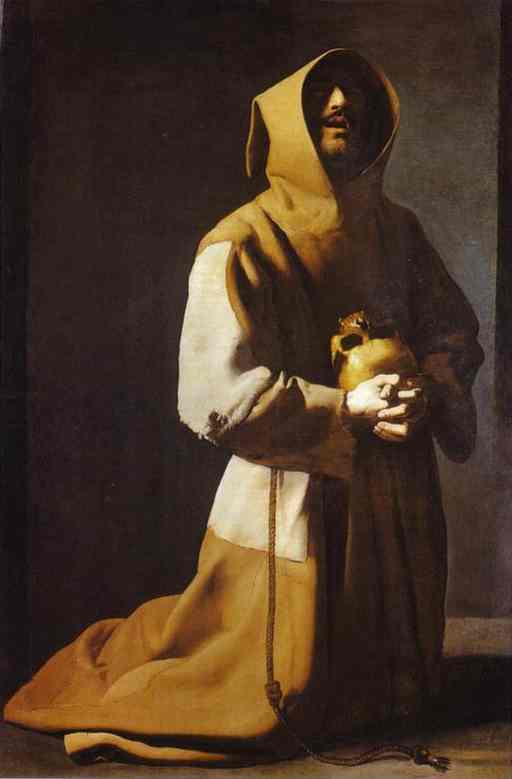
A Moment of Profound Devotion: Francisco Zurbarán’s *St. Francis Kneeling*
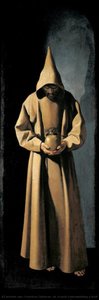
This captivating painting by Francisco de Zurbarán offers a deeply moving portrayal of Saint Francis of Assisi, captured in a moment of intense prayer and humble contemplation. The image presents the saint kneeling, his gaze lowered in reverence, clutching a small bell – a symbol often associated with Franciscan orders, used to call the faithful to prayer. He is enveloped in the simple, yet dignified, brown habit characteristic of the Franciscan order, further emphasized by a hooded cloak that draws attention to his bowed head and spiritual focus.Masterful Technique & The Power of Tenebrism
Zurbarán, celebrated as the “Spanish Caravaggio,” was a master of tenebrism, a dramatic use of light and shadow. In *St. Francis Kneeling*, this technique is powerfully employed. A strong, focused light source illuminates the saint’s figure, highlighting the texture of his robe and the delicate details of his hands clasped in prayer. This stark contrast against the dark, undefined background intensifies the sense of intimacy and spiritual isolation, drawing the viewer into the scene's quietude. The meticulous rendering of fabric – a hallmark of Zurbarán’s style – demonstrates his exceptional skill as an oil painter.Historical Context & Religious Zeal
Painted during Spain’s Baroque period (likely mid-17th century, though the exact date remains unknown), this work reflects the fervent religious climate of the Counter-Reformation. Zurbarán received numerous commissions from monastic orders, and his paintings often served as devotional aids within churches and monasteries. The presence of a clock on the wall in the background is an intriguing detail; it could symbolize the passage of time dedicated to prayer or perhaps allude to the regulated life within a religious community. Zurbarán’s work was deeply rooted in Spanish mysticism, aiming to evoke a sense of piety and spiritual experience.Symbolism & Spiritual Significance
Saint Francis of Assisi (1181/82–1226) remains one of the most beloved saints in Christian tradition, renowned for his poverty, humility, and love of nature. His life embodied a radical commitment to following Christ. In Zurbarán’s depiction, the saint's kneeling posture signifies submission and reverence before God. The simplicity of his attire underscores his renunciation of worldly possessions. The bell, beyond its practical function, can be interpreted as a call to repentance and spiritual awakening.Emotional Impact & Interior Design Considerations
*St. Francis Kneeling* evokes feelings of serenity, contemplation, and reverence. The painting’s subdued palette and dramatic lighting create an atmosphere of quiet intensity. This artwork would serve as a powerful focal point in a variety of interior settings – from traditional libraries or studies to more contemporary spaces seeking a touch of spiritual depth. Its vertical composition lends itself well to hallways or areas with high ceilings. A reproduction of this painting could bring a sense of calm and reflection to any room, offering a visual reminder of faith, humility, and the power of inner peace.Zurbarán’s Legacy
- Born in 1598 in Fuente de Cantos, Spain, Zurbarán established himself as a leading figure of the Spanish Baroque.
- He was deeply influenced by both Caravaggio's tenebrism and the sculptural realism prevalent in Seville during his formative years.
- His paintings often depict monastic life, saints, and still lifes with remarkable precision and emotional depth.
- Though his popularity waned towards the end of his life, Zurbarán’s work has experienced a resurgence in appreciation, solidifying his place as one of Spain's greatest masters.
関連作品
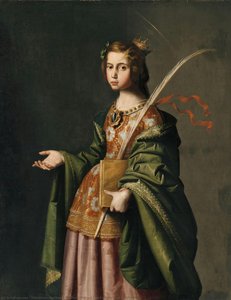
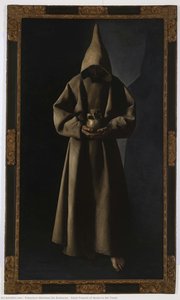
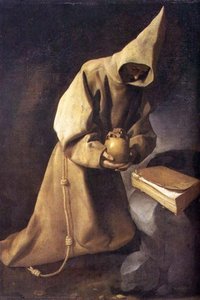
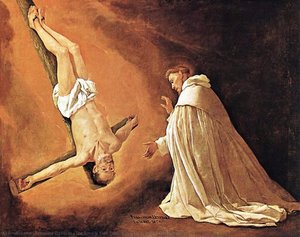
アーティストの略歴
Early Life and Formation in Extremadura
フアン・デ・サンチェス・コタンの影響を受け、スペインの美術界に大きな足跡を残したフアン・デ・サンチェス・コタンは、スペインで活躍する画家の一人として知られています。しかしながら、彼の生い立ちに関する詳細は多くの場合謎めいています。彼は最初に地元で活動していたアレハンドロ・デ・ラ・ミナに師事し、その後セビリアへ移動してアルonso・デ・ナジェラのもとで美術を学びました。ナジェラの工房では、バロック様式という劇的な変化を受け入れ、前の世代よりも洗練された芸術的伝統から脱却しました。これらの初期の時期でも、現実的な細部を捉え、主題に感情的な重みを吹き込む才能が明らかになり、彼は画家としての独自の道を歩むことになります。エクストレマドラの荒涼とした風景と宗教的な雰囲気は、シンプルさ、厳粛さと深い精神的関心を重視する感性を育み、彼の成熟した作品を特徴づけるものでした。
The Seville Period: Establishing a Singular Style
セビリアはスペインで最も活気のある文化の中心であり、アメリカの植民地との玄関口でした。彼はすぐにその地位を獲得し、成功した工房を設立して多くの依頼を受けました。これらの依頼は主に教会や修道院や個人的な宗教的な目的で使用されるための宗教画であり、この時期に彼の特徴的なスタイルが確立されました。それは劇的なコントラストを用いてドラマと主題の感情的な強度を強調するバロコ様式の技術であるテネブリスムの影響を受けました。彼は単に見たものを再現していたのではなく、それぞれの主題の中に深い精神的な存在を表現しようとしていました。彼は聖職者の描写だけでなく、聖書上の場面を描写していました。彼の初期の作品はテネブリスムの技術を駆使して驚くべき感情的な深さを表現しており、バロコ様式の芸術的伝統に挑戦しました。
Master of Tenebrism and Religious Devotion
彼はテネブリスムというバロコ様式の技術を用いて聖職者の描写だけでなく、宗教的な物語を感動的な視覚体験に変える能力を持っていました。彼は修道院や聖母マリアなどの聖職者をテーマに描き、その姿は静かな尊厳と神聖な優雅さを表現しています。彼のイマコラテ・コンセプションは特に印象的で、聖母マリアは白い光の中に黒い背景に配置され、純粋さと神の恵みを伝えています。彼は聖職者の描写だけでなく、聖書上の場面を描写していました。彼のアグヌス・デイはキリストを犠牲的な羊として描き出し、厳粛さと献身性を表現しています。彼はテネブリスムという技術を用いて聖職者の感情的な深さを表現しており、バロコ様式の芸術的伝統に挑戦しました。
Royal Patronage and Lasting Legacy
彼はセビリアで活動するスペインの王室画家の一人として重要なマイルストーンを達成しました。この任命は彼の評判を高めました。しかしながら、彼の人気は後に異なる芸術的な好みの中で少し薄れました。特に彼はテネブリスムという技術を用いて聖職者の感情的な深さを表現しており、バロコ様式の芸術的伝統に挑戦しました。彼はテネブリスムという技術を用いて聖職者の感情的な深さを表現しており、バロコ様式の芸術的伝統に挑戦しました。彼の影響力はスペインのバロック美術界に大きな足跡を残し、テネブリスムという技術を用いて聖職者の描写だけでなく、宗教的な物語を感動的な視覚体験に変える能力を持っていました。彼はテネブリスムという技術を用いて聖職者の感情的な深さを表現しており、バロコ様式の芸術的伝統に挑戦しました。
- Notable Works: イマコラテ・コンセプション、アグヌス・デイ、サドゥラム・オブ・ステ・ベロニカ、サン・フランシスス・レセビイング・ステ・ジグマタ
- Historical Significance: フアン・デ・サンチェス・コタンはスペインの美術界に大きな足跡を残した画家の一人として知られています。彼の影響力はスペインのバロック美術界に大きな足跡を残し、テネブリスムという技術を用いて聖職者の描写だけでなく、宗教的な物語を感動的な視覚体験に変える能力を持っていました。彼はテネブリスムという技術を用いて聖職者の感情的な深さを表現しており、バロコ様式の芸術的伝統に挑戦しました。
フランシスコ・デ・ズラバラン
1598 - 1664 , スペイン
基本情報
- Artistic Movement Or Style: バロック テネブリスム
- Artists Or Movements Influenced By This Artist: ['カラヴァッジョ']
- Artists Who Influenced This Artist: ['フアン・サンチェス・コタン']
- Date Of Birth: 1598年
- Date Of Death: 1664年
- Full Name: Francisco de Zurbarán
- Nationality: スペイン人
- Notable Artworks:
- イマコラツェーション
- アグヌス・デイ
- 聖フランシス受洗
- 聖ベロニカのヴェール
- Place Of Birth: スペイン フエンテ・デ・カンτος
関連記事

ゴヤ傑作25選:スペインの魂を揺さぶる、深遠な芸術の世界 | ArtsDot
ゴヤ傑作25選:ロマン主義を代表するスペインの巨匠、フランシスコ・デ・ゴヤの世界へ。黒衣の女からマハまで、魂を揺さぶる絵画の物語と技法を紐解きます。ArtsDotで高品質なアートレプリカを見つけ、インテリアに深みと風格を。今すぐコレクションをご覧ください。
フランシス・ベーコン傑作25選:魂を揺さぶる絵画の世界 | ArtsDot
フランシス・ベーコンの傑作25選。魂を揺さぶる表現主義絵画の世界へ。人物画、三面図、ポープ・インノケンティウス10世など、美術史に残る名作をArtsDotで高精細複製画としてご紹介。インテリアに深みと個性を。今すぐコレクションをご覧ください。
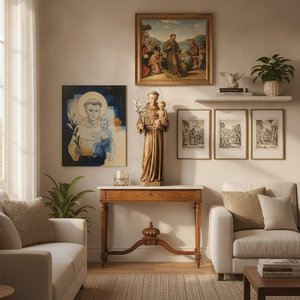
Discover the Divine: Inspiring Saint Anthony Artworks to Elevate Your Home Decor
Transform your home with the profound beauty of Saint Anthony artworks. Explore exquisite Baroque reproductions by Murillo and Zurbarán, hand-painted on 100% cotton canvas to bring divine serenity and timeless elegance to your interior design.
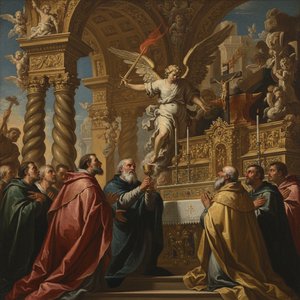
The Golden Age Reforged: Dramatic Realism & Religious Zeal in Spanish Baroque Art
Explore the dramatic world of Spanish Baroque art! Discover masters like Zurbarán & the powerful influence of religious zeal on painting techniques – a guide for collectors and enthusiasts.
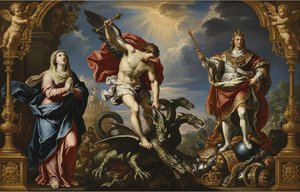
The Dramatic Flourish: Exploring Themes of Power, Faith & Emotion in Baroque Artworks
Explore the dramatic world of Baroque art! Discover masters like Zurbarán & the powerful influence of religious zeal on painting techniques. Expert insights for collectors and enthusiasts.